TheraBreath vs Listerine for Bad Breath
Alcohol-free neutralising rinse versus alcohol-based essential oils: an honest look at how each approaches fresh breath.
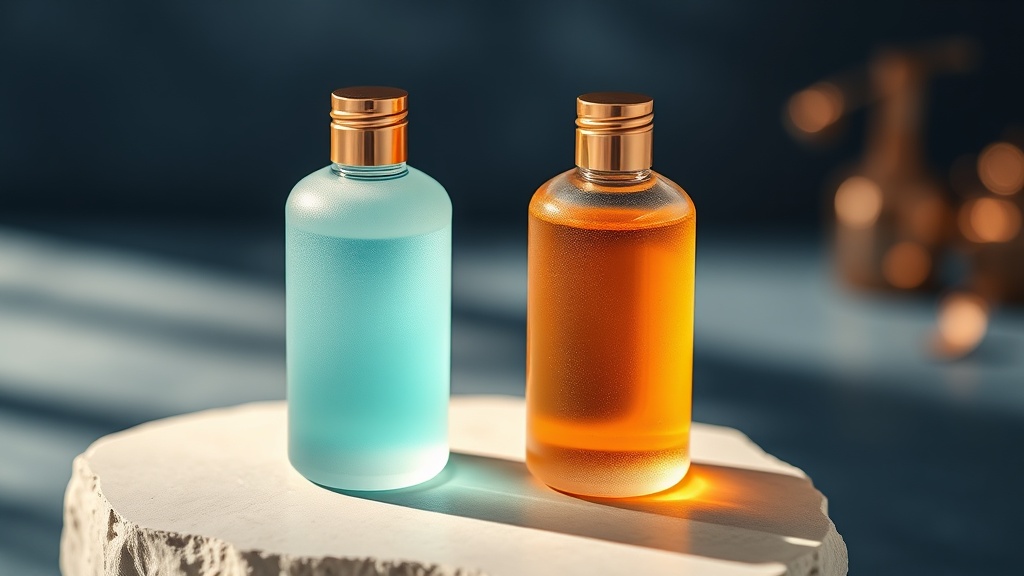
- Both rinses can freshen breath in the short term; the real difference is alcohol-free versus alcohol-based, and the active approach each one takes.
- TheraBreath is alcohol-free and leans on oxygenating agents that neutralise the sulfur compounds behind odour, which makes it gentle for dry or sensitive mouths.
- Classic Listerine is alcohol-based and uses antibacterial essential oils; the alcohol adds a sharp bite but no real breath benefit and can dry the mouth, which over time can worsen odour.
- Listerine also sells alcohol-free versions, so the honest advice is to read the active ingredients rather than choosing on the brand name alone.
- Neither is a cure for halitosis; a rinse is a cosmetic finisher that works best after tongue cleaning and brushing, not instead of them.
TheraBreath is alcohol-free and works largely by neutralising sulfur odour compounds, which makes it gentle for dry mouths. Classic Listerine is alcohol-based and uses antibacterial essential oils, but the alcohol can dry the mouth and, over time, worsen odour. Both freshen short-term and both offer alcohol-free options, so read the active ingredients, not the brand.
Two different approaches to the same problem
These two rinses tackle bad breath from opposite ends. TheraBreath is built around neutralisation: its oxygenating agents act on the volatile sulfur compounds that anaerobic bacteria produce, converting the smelly sulfur gases into non-volatile, odourless forms. Because it deactivates the odour itself rather than trying to wipe out bacteria, it can freshen breath with little disruption to the mouth, and it is formulated without alcohol. Classic Listerine takes the antibacterial route: its blend of essential oils, eucalyptol, menthol, thymol and methyl salicylate, reduces the bacterial load and carries a strong minty freshness. The catch is the alcohol used to dissolve those oils. Alcohol delivers a sharp, clean-feeling bite but offers no breath-specific benefit of its own, and it can dry the mouth. A dry mouth means less saliva to rinse and buffer the mouth naturally, which encourages the very anaerobic bacteria that create odour, so a drying rinse can quietly work against you over the course of a day.
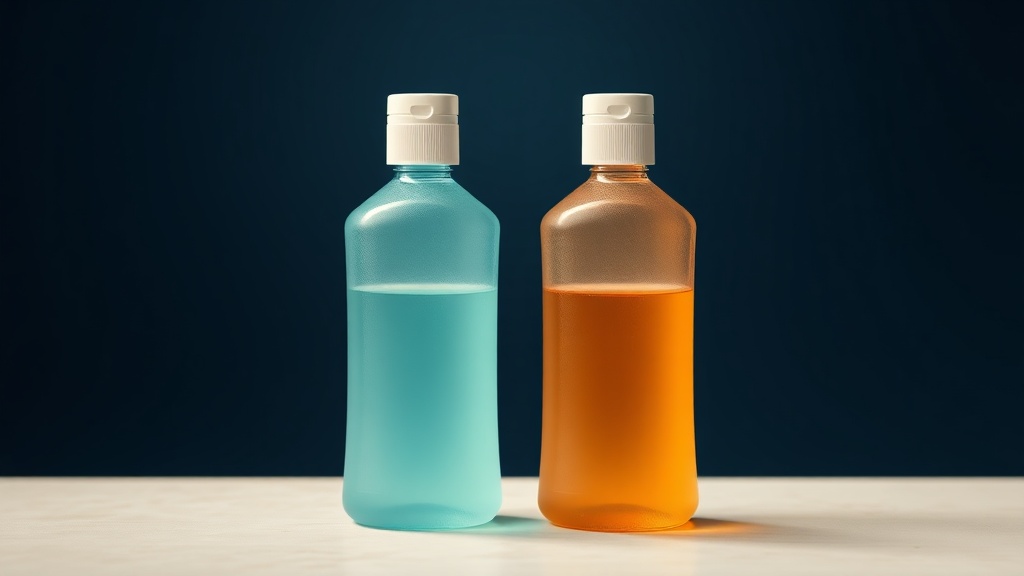
Two approaches side by side: an alcohol-free rinse that neutralises odour compounds versus an alcohol-based essential-oil rinse.
What the research actually shows
Every claim below maps to a named, peer-reviewed source in the Sources section. According to PubMed.
| Claim | Evidence | Source |
|---|---|---|
| A Cochrane review found mouthrinses can reduce the volatile sulfur compounds behind bad breath, with active ingredients such as chlorhexidine, cetylpyridinium chloride and zinc showing measurable effects. | Systematic review of mouthrinses for halitosis (5 RCTs, 293 participants). | Fedorowicz et al., Cochrane 2008 |
| Oxygenating and zinc-based agents neutralise volatile sulfur compounds by converting them into non-volatile, odourless forms, a cosmetic deodorant action rather than an antibacterial one. | Review of the microbiology and treatment of halitosis. | Loesche & Kazor, Periodontol 2000, 2002 |
| Reduced salivary flow and a dry mouth are associated with oral malodour, which is why a drying, alcohol-based rinse can be counterproductive for daily fresh breath. | Clinical review of halitosis. | Scully & Porter, BMJ 2008 |
| The overall certainty of evidence for halitosis interventions is low to very low, so any single mouthwash is best seen as a short-term cosmetic aid, not a cure. | Cochrane systematic review of interventions for managing halitosis. | Kumbargere Nagraj et al., Cochrane 2019 |
TheraBreath vs Listerine, side by side
| Rinse | Alcohol | Main active approach | Best for |
|---|---|---|---|
| TheraBreath Fresh Breath | Alcohol-free | Oxygenating agents neutralise sulfur odour compounds | Daily use, dry or sensitive mouths |
| Listerine (classic) | Alcohol-based | Antibacterial essential oils (eucalyptol, menthol, thymol, methyl salicylate) | Short-term antibacterial minty freshening |
| Listerine alcohol-free | Alcohol-free | The same essential oils without the alcohol carrier | Those who like the essential-oil feel but want no alcohol |
| Either, used as a finisher | Varies | A cosmetic polish on an already-clean mouth | Finishing after tongue cleaning and brushing |
Why alcohol-free is usually the better daily pick
For everyday use, the balance tips toward alcohol-free, and it helps to separate the two things alcohol is doing. It dissolves the essential oils and gives that unmistakable sharp sting many people equate with cleanliness, but that sting is a sensation, not a breath benefit. What alcohol reliably does is dry the mouth, and dryness is one of the most common everyday causes of bad breath because saliva is the mouth natural rinse and buffer. That is the honest case for TheraBreath and other alcohol-free rinses as a daily choice: they can freshen without the drying that may undercut the result later. None of this means the essential-oil approach is ineffective. Those oils have a genuine antibacterial track record for plaque and gum health, and Listerine now sells alcohol-free versions that keep the essential oils without the drying carrier. So the smartest read is not TheraBreath good, Listerine bad. It is: if your mouth runs dry, favour an alcohol-free formula, whichever brand it carries, and match the active ingredient to the job rather than buying the label.
Evidence you can act on.
Occasional emails — new research, new protocols, no noise.
How to choose and use either rinse
Whichever bottle you reach for, a few habits decide whether it actually helps your breath.
- 1
Match the rinse to your mouth
onceIf you often wake with a dry mouth or notice dryness through the day, choose an alcohol-free formula, whether that is TheraBreath or an alcohol-free Listerine. If dryness is not an issue and you like the essential-oil profile, classic Listerine is a reasonable short-term option.
- 2
Read the active ingredients, not the brand
onceLook past the front of the label for oxygenating agents, cetylpyridinium chloride, zinc or essential oils, and check whether alcohol is listed. The active ingredient tells you far more about what the rinse will do than the brand name.
- 3
Clean the tongue and between the teeth first
dailyScrape or brush the tongue and floss before rinsing, so the mouthwash polishes an already-clean mouth. No rinse can reach into the tongue coating the way a scraper does, and that coating is the biggest single source of odour.
- 4
Rinse for the full time on the label
dailySwish for the full duration the label recommends, usually around 30 seconds, so the actives have time to work. Cutting it short is a common reason people feel a rinse did not deliver.
- 5
Do not rinse straight after fluoride toothpaste
dailyUsing mouthwash immediately after brushing can wash away the fluoride you just applied. Use it at a different time of day so it freshens without undoing the toothpaste.
- 6
Treat a returning smell as a signal, not a rinsing problem
ongoingIf you find yourself rinsing repeatedly to cover odour that keeps coming back, fix the source with better cleaning, hydration and possibly an oral probiotic, rather than reaching for a stronger or harsher rinse.

Neutralise versus dry out: the core difference is deactivating odour compounds without the drying effect of alcohol.
If bad breath persists despite a good routine and a suitable rinse, or if you notice a persistently dry mouth, bleeding gums or altered taste, see a dentist. A dentist can check for gum disease or dry mouth that a rinse only masks, and advise whether a medicated rinse is appropriate and for how long.
Frequently asked questions
Sources
- 1.
- 2.
- 3.
- 4.

Fix your breath at the source.
The complete science-backed protocol — engineered to eliminate volatile sulfur compounds at the biological source.
Start the Breath Protocol →Related reading
Educational purposes only. The content on this page is not medical advice and is not a substitute for consultation with a qualified dental or medical professional.
More from the library
 Best Of9 min
Best TheraBreath Mouthwash for Bad Breath: An Honest Review
TheraBreath built its name on alcohol-free, oxygenating rinses; here is what that actually means for your breath, and how to pick the right one.
Read →→ Best Of8 min
The Best Alcohol-Free Mouthwash for Fresh Breath
Skip the burn. Alcohol-free rinses can freshen breath just as well, if you choose by active ingredient rather than by that stinging tingle. Here is what the evidence supports.
Read →→ Best Of8 min
The Best Mouthwash for Bad Breath, by Active Ingredient
There is no single winner, only the right rinse for the right job. Here is how the active ingredients compare on the evidence, and which suits everyday fresh breath.
Read →→ Ingredients8 min
Chlorine Dioxide for Bad Breath: How the Oxygenating Rinse Works
Chlorine dioxide is an oxygenating rinse that neutralises the sulfur gases behind bad breath — here is how it works and what the evidence says.
Read →→ Guides8 min
How to Get Rid of Bad Breath Permanently: An Evidence-Based Plan
The honest version: "permanently" means ongoing control, not a one-time fix. Here is the daily routine the research actually supports, and when to get help.
Read →→ Guides7 min
Bad Breath Even After Brushing? The Biological Reason (and Fix)
You brushed, flossed and rinsed — and the smell is still there. The reason usually isn't hygiene; it's where the odour-causing bacteria actually live.
Read →→