
Best TheraBreath Mouthwash for Bad Breath: An Honest Review
TheraBreath built its name on alcohol-free, oxygenating rinses; here is what that actually means for your breath, and how to pick the right one.
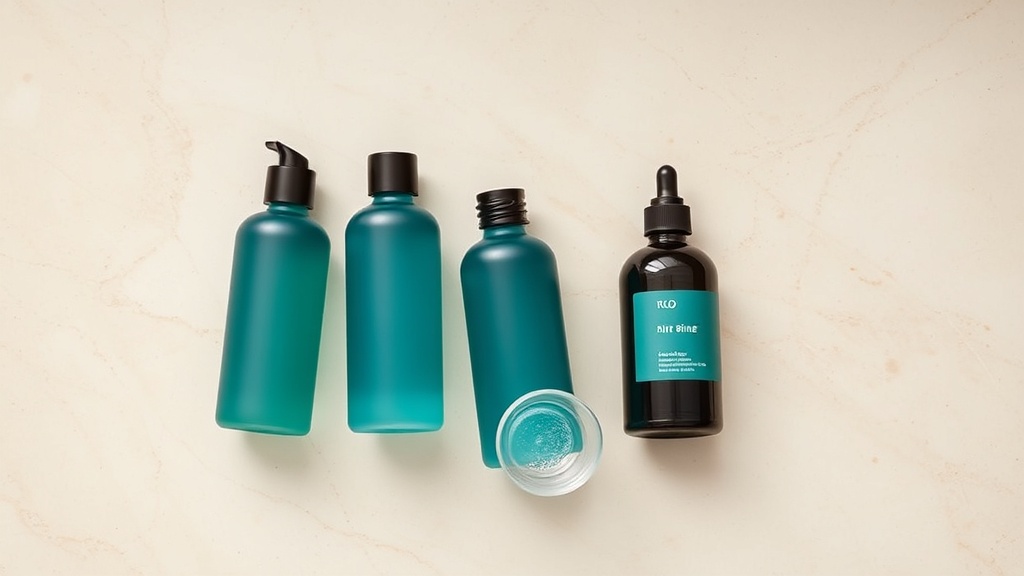
- TheraBreath core idea is evidence-aligned: alcohol-free rinses that use oxygenating chlorine-dioxide-type chemistry to neutralise the sulfur gases behind bad breath, rather than burning them away with alcohol.
- Because it is alcohol-free, it avoids the drying that can make breath worse over time, a genuine advantage for daily use and for dry mouths.
- The chlorine-dioxide approach has real, if modest, supporting evidence: a meta-analysis found it improved breath scores and cut hydrogen sulfide, most clearly on same-day measures.
- Different TheraBreath rinses suit different needs (everyday freshness, gum focus with CPC, whitening, or dry mouth), but the active chemistry overlaps more than the labels suggest.
- No rinse, TheraBreath included, is a standalone fix: it works best after cleaning the tongue, and persistent odour still warrants a dental check.
TheraBreath alcohol-free, oxygenating rinses are a sensible, evidence-aligned choice for everyday bad breath: the chlorine-dioxide-type chemistry neutralises sulfur gases without the drying bite of alcohol. The Fresh Breath rinse suits most people; choose the Healthy Gums or Dry Mouth versions for those needs. Clean your tongue first, because a rinse finishes rather than cures.
How TheraBreath actually works
Bad breath usually comes down to volatile sulfur compounds (VSCs), the gases such as hydrogen sulfide and methyl mercaptan that anaerobic bacteria release on the tongue and gums. TheraBreath rinses are built around an oxygenating chemistry, a stabilised chlorine-dioxide-type system, which works by oxidising those sulfur gases into non-volatile, odourless compounds. In plain terms, it deactivates the smell chemically rather than simply covering it with mint. Just as important is what TheraBreath leaves out: alcohol. Classic mouthwashes use alcohol for a sharp bite, but it offers little breath-specific benefit and can dry the mouth, and a dry mouth actually breeds more of the bacteria that cause odour. Removing the alcohol makes the rinse gentler and better suited to daily use. Some rinses in the range add extra ingredients, such as cetylpyridinium chloride (CPC) in the gum-focused version or moisturising agents in the dry-mouth version, but the neutralising, alcohol-free base is the common thread across the line.
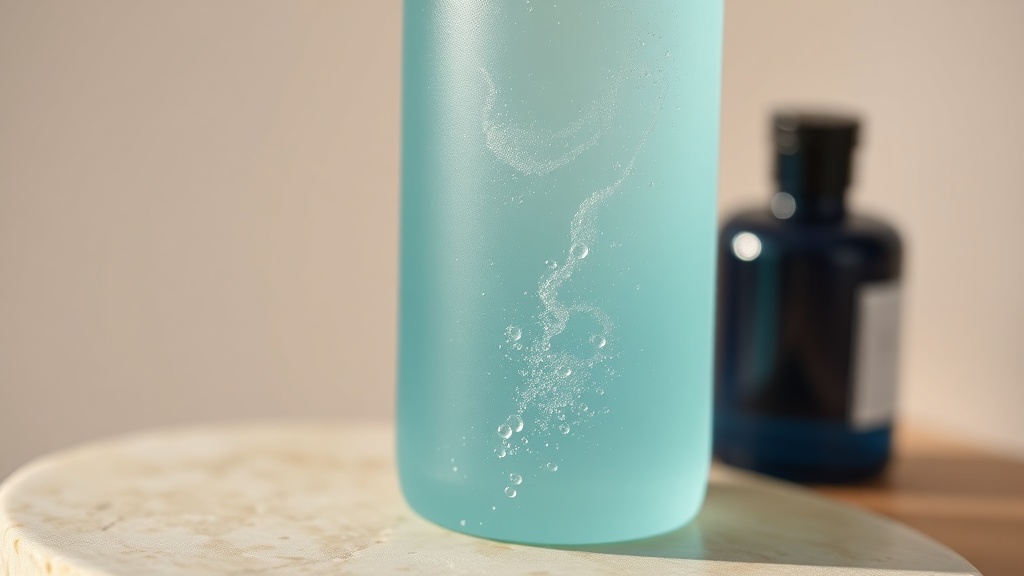
Oxygenating, not burning: the chlorine-dioxide-type chemistry converts sulfur gases into odourless compounds, without alcohol.
What the research actually shows
Every claim below maps to a named, peer-reviewed source in the Sources section. According to PubMed.
| Claim | Evidence | Source |
|---|---|---|
| Chlorine dioxide mouthwash significantly improved organoleptic breath scores (mean difference about -0.82 on one-day data) and lowered hydrogen sulfide, with no known side effects. | Meta-analysis of 7 randomised controlled trials, 234 patients. | Szalai et al., PLoS ONE 2023 |
| Oxidising and metal-ion agents freshen breath cosmetically by converting volatile sulfur compounds into non-volatile, odourless compounds. | Review of the microbiology and cosmetic treatment of halitosis. | Loesche & Kazor, Periodontol 2000, 2002 |
| Mouthrinses containing active anti-odour agents can reduce halitosis compared with placebo, supporting rinses as a useful adjunct. | Cochrane systematic review of mouthrinses for halitosis. | Fedorowicz et al., Cochrane 2008 |
| Alcohol-based rinses can contribute to oral dryness, so halitosis management favours alcohol-free formulas for regular use. | Clinical review of halitosis in the BMJ. | Scully & Porter, BMJ 2008 |
| Across halitosis interventions the overall certainty of evidence is low, so rinses help but should be seen as support rather than a cure. | Cochrane systematic review of interventions for managing halitosis. | Kumbargere Nagraj et al., Cochrane 2019 |
Which TheraBreath rinse fits which need
| TheraBreath rinse | Best for | How it works | Honest note |
|---|---|---|---|
| Fresh Breath Oral Rinse | Everyday freshness | Alcohol-free oxygenating chemistry neutralises VSCs | The sensible default for most people |
| Healthy Gums Oral Rinse | Gum focus | Adds cetylpyridinium chloride for antibacterial action | Cosmetic support, not a treatment for gum disease |
| Whitening Oral Rinse | Freshness plus surface whitening | Same oxygenating base with whitening agents | Whitening is gradual and surface-level |
| Dry Mouth Oral Rinse | Dry or sensitive mouths | Alcohol-free and moisturising, non-irritating | Best paired with hydration through the day |
| Higher-strength (PLUS) formulas | Stubborn morning breath | A more concentrated oxygenating formula | Still a finisher; clean the tongue first |
Which TheraBreath is actually right for you
The range looks larger than it is. Most of the rinses share the same alcohol-free, oxygenating base, and the labels mostly signal an added focus rather than a completely different product. For the majority of people, the Fresh Breath rinse is the right starting point: it targets everyday odour with the core chemistry and nothing you do not need. If your gums bleed easily or feel inflamed, the Healthy Gums version adds CPC for an antibacterial edge, though it is cosmetic support and not a substitute for treating gum disease. If you wake with a parched mouth, or take medications that dry you out, the Dry Mouth rinse keeps the alcohol-free benefit while adding moisture, which matters because dryness is one of the quiet drivers of morning breath. The whitening version is really a freshness rinse with a slow surface-whitening bonus. Whichever you choose, the honest framing is the same: a rinse is a finishing touch after mechanical cleaning, and if odour keeps returning the answer is a better routine, not a stronger bottle.
Evidence you can act on.
Occasional emails — new research, new protocols, no noise.
How to choose and use TheraBreath
Pick the variant that matches your main concern, then use it so it actually earns its place.
- 1
Start with Fresh Breath unless you have a specific need
onceFor general bad breath, the standard Fresh Breath rinse gives you the core oxygenating, alcohol-free formula. Only step up to the gum, dry-mouth or whitening versions if that specific issue applies to you.
- 2
Clean the tongue before you rinse
dailyScrape the back of the tongue and brush and floss first. The rinse cannot lift the tongue biofilm the way a scraper can, so cleaning first is what lets the oxygenating chemistry reach and neutralise the gases.
- 3
Rinse for the full time on the label
dailySwish for the recommended duration rather than a quick rinse, so the formula has contact time with the tongue and gum surfaces where odour compounds form. Then avoid eating or drinking for a short while afterwards.
- 4
Lean on alcohol-free if your mouth runs dry
dailyAn alcohol-free rinse is the better long-term companion because it freshens without drying. If dryness is a daily issue, the Dry Mouth version and steady water intake will do more than any stronger, sharper rinse.
- 5
Do not use it to mask a returning smell
ongoingIf you find yourself rinsing repeatedly to cover odour that keeps coming back, treat that as a signal to fix the source with better cleaning, hydration and possibly a probiotic, and to see a dentist if it persists.
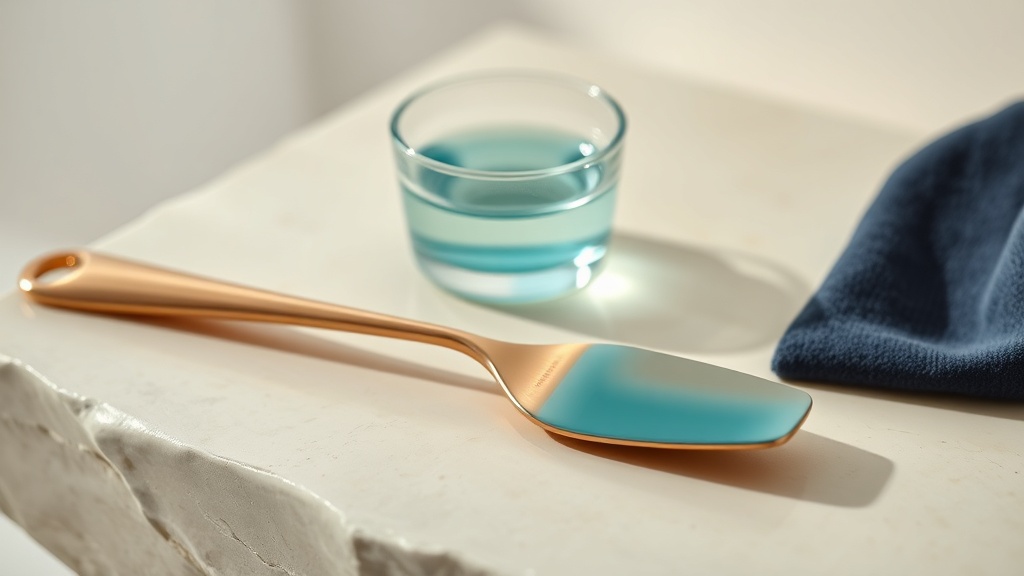
Rinse is the finish, not the foundation: clear the tongue first, then let the oxygenating formula do its cosmetic job.
If bad breath persists despite an alcohol-free rinse, tongue cleaning and flossing, or if you notice bleeding gums, a persistently dry mouth or an unusual taste, see a dentist. A rinse can mask odour that is actually driven by gum disease, decay or dry mouth, and only a professional can find and address the underlying cause.
Frequently asked questions
Sources
- 1.
- 2.
- 3.
- 4.
- 5.

Fix your breath at the source.
The complete science-backed protocol — engineered to eliminate volatile sulfur compounds at the biological source.
Start the Breath Protocol →Related reading
Educational purposes only. The content on this page is not medical advice and is not a substitute for consultation with a qualified dental or medical professional.
More from the library
 Best Of8 min
The Best Alcohol-Free Mouthwash for Fresh Breath
Skip the burn. Alcohol-free rinses can freshen breath just as well, if you choose by active ingredient rather than by that stinging tingle. Here is what the evidence supports.
Read →→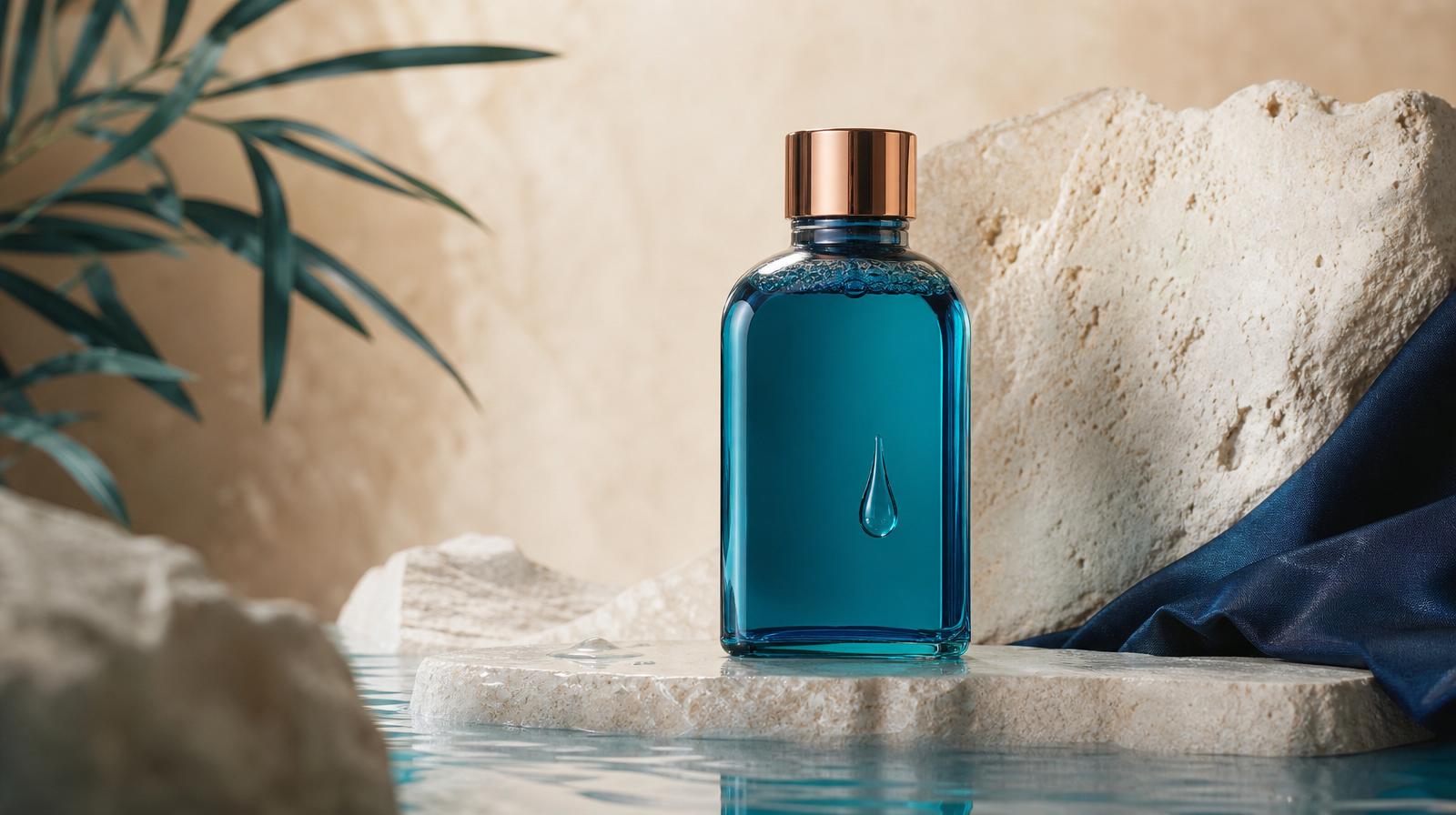 Best Of8 min
The Best Mouthwash for Bad Breath, by Active Ingredient
There is no single winner, only the right rinse for the right job. Here is how the active ingredients compare on the evidence, and which suits everyday fresh breath.
Read →→ Answers7 min
Does Mouthwash Kill Good Bacteria? What the Evidence Says
Antibacterial rinses do not tell friendly bacteria from unfriendly ones. Here is what that means for your breath, and how to use mouthwash without working against yourself.
Read →→ Guides8 min
How to Get Rid of Bad Breath Permanently: An Evidence-Based Plan
The honest version: "permanently" means ongoing control, not a one-time fix. Here is the daily routine the research actually supports, and when to get help.
Read →→ Guides7 min
Bad Breath Even After Brushing? The Biological Reason (and Fix)
You brushed, flossed and rinsed — and the smell is still there. The reason usually isn't hygiene; it's where the odour-causing bacteria actually live.
Read →→ Ingredients9 min
Probiotics for Bad Breath: Do Oral Probiotics Actually Work?
Oral probiotics try to fix bad breath at the source, by shifting which bacteria live on your tongue. The idea is promising; the evidence is still early.
Read →→