The Best Alcohol-Free Mouthwash for Fresh Breath
Skip the burn. Alcohol-free rinses can freshen breath just as well, if you choose by active ingredient rather than by that stinging tingle. Here is what the evidence supports.
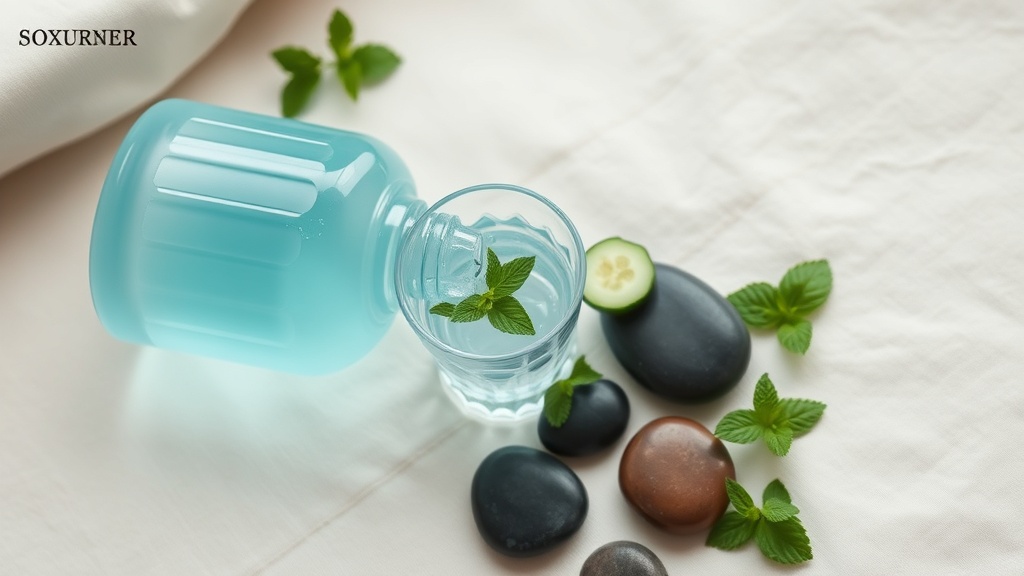
- The stinging burn of a mouthwash comes from alcohol, not from cleaning power; alcohol-free rinses can be just as effective when they carry a proven active ingredient.
- Look at the active, not the brand: cetylpyridinium chloride, zinc, chlorine dioxide and essential oils are the ingredient classes with the most supporting evidence for fresh breath and plaque control.
- In a large network meta-analysis, essential oils, chlorhexidine and cetylpyridinium chloride were among the most effective rinse actives for gingival health, and none of that effect depends on alcohol.
- Alcohol-free formulas avoid the dry-mouth feeling that some alcohol rinses cause, which matters because a dry mouth can actually worsen breath.
- Any rinse is a cosmetic add-on: it helps freshen breath but does not replace brushing, flossing and tongue cleaning, and it will not fix breath that starts outside the mouth.
The best alcohol-free mouthwash is one with a proven active ingredient, cetylpyridinium chloride, zinc, chlorine dioxide, or essential oils, rather than one chosen for its burn. Alcohol adds sting, not effectiveness, and can dry the mouth. Match the active to your goal, use it daily, and pair it with mechanical cleaning.
Why alcohol-free can work just as well
Many people equate the sharp sting of a mouthwash with it working, but that sensation comes from alcohol (ethanol), which acts mainly as a solvent and carrier, not as the primary germ-fighting or odour-neutralising ingredient. The actives that actually address bad breath are things like cetylpyridinium chloride (a cationic antibacterial), zinc (which binds sulfur gases into non-volatile zinc sulfide), chlorine dioxide (which oxidises sulfur gases), and essential oils. None of these require alcohol to function. In fact, a large network meta-analysis of six-month trials found essential oils, chlorhexidine and cetylpyridinium chloride above 0.05% among the most effective rinse actives for improving gingival health, and their effect is a property of the active ingredient, not the alcohol content. There is also a practical reason to prefer alcohol-free for breath specifically: alcohol can dry the mouth, and a dry mouth reduces the saliva that naturally rinses away bacteria overnight, which can make morning breath worse rather than better. So an alcohol-free rinse with a good active can be the more sensible choice, not a compromise.
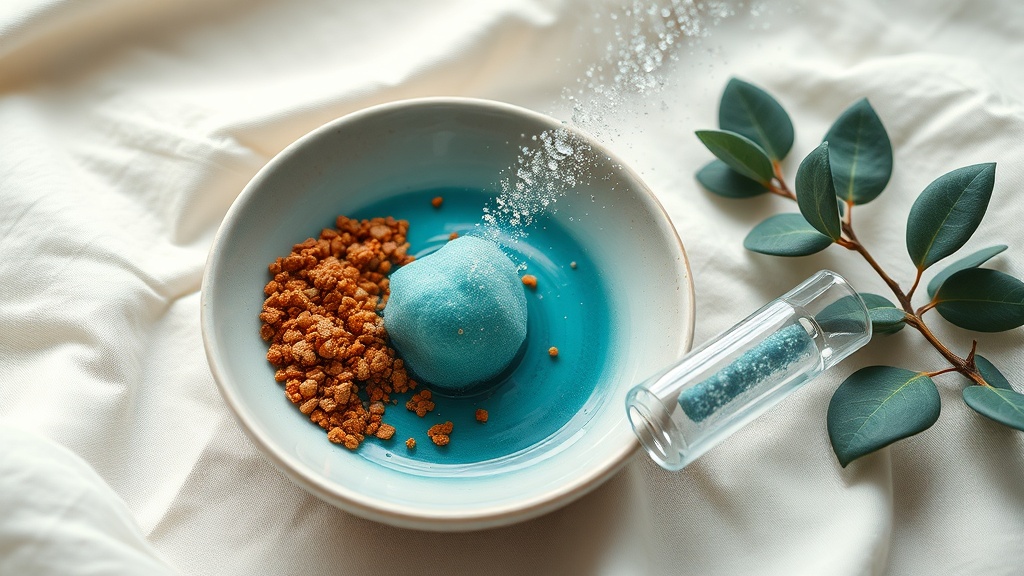
Fresh-breath actives interrupt this cycle in different ways, by binding or oxidising the sulfur gases, or by reducing the bacteria that make them; none of those mechanisms needs alcohol.
What the research shows about the actives
Each row maps to a named, peer-reviewed source in the Sources section. According to PubMed.
| Claim | Evidence | Source |
|---|---|---|
| Essential oils, chlorhexidine and cetylpyridinium chloride (above 0.05%) were among the rinse actives with the greatest effect on gingival health in six-month trials. | Network meta-analysis of randomised clinical trials of chemical biofilm control. | Figuero et al., J Clin Periodontol 2019 |
| Essential-oil rinses added to mechanical cleaning reduced plaque and gingivitis significantly more than a placebo rinse. | Meta-analyses and meta-regression of six-month randomised trials. | Haas et al., J Dent 2016 |
| Zinc-containing rinses lower volatile sulfur compounds by converting them to non-volatile, non-malodorous zinc sulfides, supporting a cosmetic freshness claim. | Review of the microbiology and treatment of halitosis. | Loesche and Kazor, Periodontol 2000 2002 |
| A rinse combining chlorhexidine, cetylpyridinium chloride and zinc reduced malodour and sulfur compounds versus placebo, but caused more tooth and tongue staining. | Cochrane systematic review of mouthrinses for halitosis. | Fedorowicz et al., Cochrane Review 2008 |
Alcohol-free actives compared
| Active ingredient | How it helps breath | Strengths | Tradeoffs |
|---|---|---|---|
| Cetylpyridinium chloride (CPC) | Cationic antibacterial that lowers odour bacteria | Well studied; common in alcohol-free rinses | Can cause minor tooth staining; effect depends on concentration |
| Zinc (chloride, lactate, acetate) | Binds sulfur gases into non-volatile zinc sulfide | Directly targets the smell; good for VSC control | Higher concentrations can taste metallic |
| Chlorine dioxide | Oxidises sulfur gases on contact | Fast neutralisation of odour gases | Limited long-term data; must be used as directed |
| Essential oils | Antibacterial; reduces plaque and gingivitis | Strong six-month trial evidence; widely available alcohol-free versions exist | Flavour can be strong for some users |
| Chlorhexidine | Powerful antibacterial | Most effective for plaque short-term | Stains teeth and alters taste with prolonged use; best short-term only |
How to match the active to your goal
There is no single best alcohol-free rinse for everyone, because the right active depends on what you are solving. If your main concern is the smell itself, a zinc or chlorine-dioxide rinse targets the sulfur gases directly, either binding or oxidising them. If you also want help with plaque and gum health, essential-oil or cetylpyridinium-chloride rinses have strong six-month trial support. Chlorhexidine is the most powerful antibacterial of the group, but it stains teeth and changes taste with extended use, so it is best reserved for short courses under professional guidance rather than as a daily forever-rinse. A reasonable default for most people wanting fresher breath without the burn is an alcohol-free rinse built around cetylpyridinium chloride, zinc, or essential oils, used once or twice daily. Whatever you pick, remember the honest limitation: these products act on odour and bacteria at the surface but do not remove the tongue biofilm that keeps generating gases, so they complement, rather than replace, brushing, flossing and tongue cleaning. And if breath stays bad despite a good rinse and good hygiene, the problem may not be one a mouthwash can solve.
Evidence you can act on.
Occasional emails — new research, new protocols, no noise.
How to choose and use one well
A short, practical routine for getting real value from an alcohol-free rinse.
- 1
Read the active ingredients
in the storeSkip vague marketing and look for a named active: cetylpyridinium chloride, zinc, chlorine dioxide, or essential oils. Confirm it says alcohol-free (ethanol-free) if a burning rinse bothers you or dries your mouth.
- 2
Clean first, then rinse
2 to 3 minBrush, floss and scrape the tongue before rinsing, so the active meets a cleaner surface. Swish for the labelled time, usually 30 to 60 seconds, and spit; avoid eating or drinking straight afterwards.
- 3
Use daily and reassess
dailyBecause breath effects are short-lived, consistency beats intensity. Give a rinse two to three weeks of daily use alongside good hygiene and hydration, then judge whether it helps. Reserve chlorhexidine for short, dentist-guided courses.
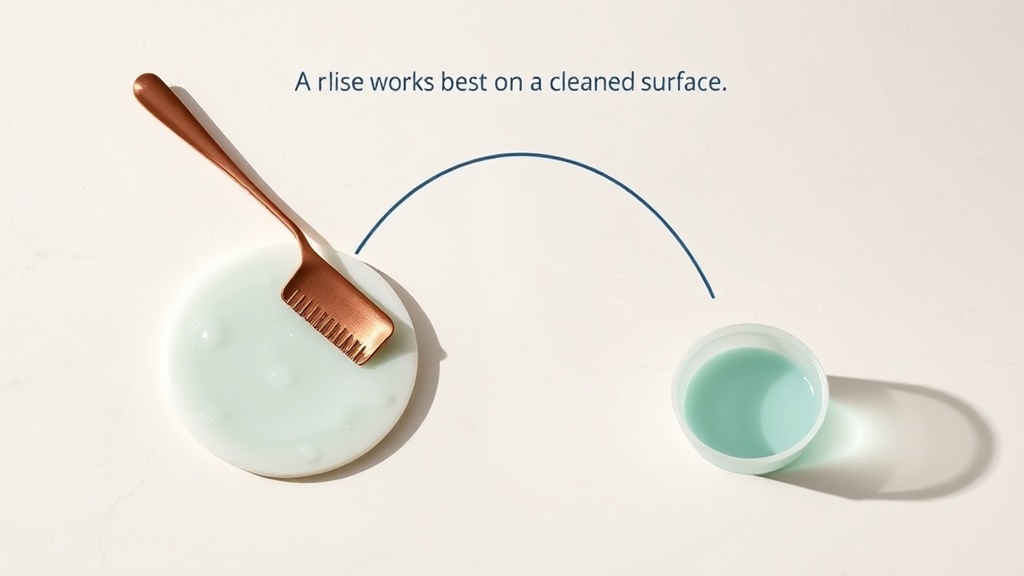
A rinse works best on a cleaned surface: tongue scraping removes the biofilm reservoir that a mouthwash alone cannot lift.
If bad breath persists despite a good alcohol-free rinse, tongue cleaning and daily flossing, or comes with bleeding gums, a persistent bad taste, or loose teeth, see a dentist. Chlorhexidine in particular should not be used long-term without guidance because of staining and taste effects. Persistent halitosis can point to gum disease, tonsil stones or a cause outside the mouth.
Frequently asked questions
Sources
- 1.
- 2.
- 3.
- 4.

Fix your breath at the source.
The complete science-backed protocol — engineered to eliminate volatile sulfur compounds at the biological source.
Start the Breath Protocol →Related reading
Educational purposes only. The content on this page is not medical advice and is not a substitute for consultation with a qualified dental or medical professional.
More from the library
 Ingredients7 min
S. salivarius K12: The Fresh-Breath Probiotic, Explained
The idea is not to sterilise your mouth. It is to repopulate it with the right bacteria.
Read →→ Best Of8 min
The Best Mouthwash for Bad Breath, by Active Ingredient
There is no single winner, only the right rinse for the right job. Here is how the active ingredients compare on the evidence, and which suits everyday fresh breath.
Read →→ Guides8 min
How to Get Rid of Bad Breath Permanently: An Evidence-Based Plan
The honest version: "permanently" means ongoing control, not a one-time fix. Here is the daily routine the research actually supports, and when to get help.
Read →→ Guides7 min
Bad Breath Even After Brushing? The Biological Reason (and Fix)
You brushed, flossed and rinsed — and the smell is still there. The reason usually isn't hygiene; it's where the odour-causing bacteria actually live.
Read →→ Ingredients9 min
Probiotics for Bad Breath: Do Oral Probiotics Actually Work?
Oral probiotics try to fix bad breath at the source, by shifting which bacteria live on your tongue. The idea is promising; the evidence is still early.
Read →→ Best Of7 min
Copper Tongue Scraper Benefits: What the Evidence Supports
Copper scrapers are having a moment — but which benefits are backed by research and which are marketing? Here is the honest, evidence-based breakdown.
Read →→