
Chlorine Dioxide for Bad Breath: How the Oxygenating Rinse Works
Chlorine dioxide is an oxygenating rinse that neutralises the sulfur gases behind bad breath — here is how it works and what the evidence says.
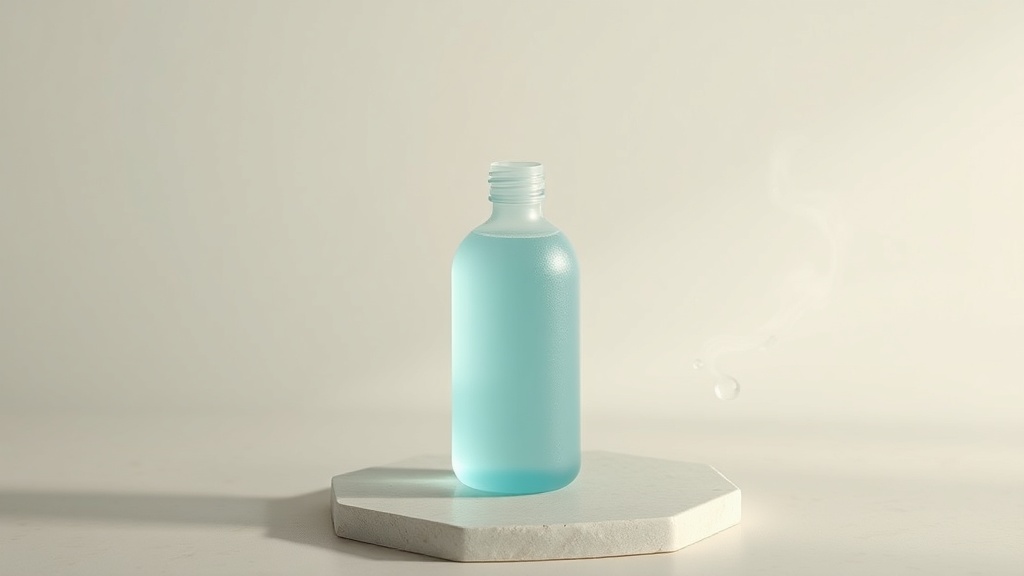
- Chlorine dioxide is an oxygenating rinse ingredient: rather than only reducing bacteria, it chemically oxidises the volatile sulfur compounds (VSCs) that carry bad-breath odour, converting them into non-smelling compounds.
- In a 2023 meta-analysis of randomised trials, daily chlorine dioxide mouthwash produced a significant improvement in both organoleptic (smell) scores and hydrogen sulfide levels versus placebo, with no known side effects reported.
- It acts quickly — the clearest benefits appeared in one-day data — which is why it suits an acute freshen-up as well as everyday cosmetic use.
- It is gentler on the mouth than chlorhexidine, the strongest antibacterial rinse, which causes staining and taste changes with prolonged use, so chlorine dioxide is a reasonable everyday alternative.
- No rinse is a standalone answer: the odour source lives in the tongue biofilm, so chlorine dioxide performs best as a finisher after tongue cleaning, not instead of it.
Chlorine dioxide is an oxygenating mouthwash ingredient that freshens breath by chemically neutralising the sulfur gases behind the smell rather than only killing bacteria. A 2023 meta-analysis found daily chlorine dioxide rinses significantly improved smell scores and lowered hydrogen sulfide versus placebo, with no known side effects. It works best as a finisher after cleaning the tongue, not as a replacement for it.
What chlorine dioxide is and how it deals with the smell
Chlorine dioxide is a well-established oxidising agent, and in oral rinses it is usually delivered as stabilised chlorine dioxide or generated from sodium chlorite. To understand why it helps breath, start with the smell itself. Bad-breath odour is carried by volatile sulfur compounds — mainly hydrogen sulfide and methyl mercaptan — which are gases built around reduced, smelly sulfur atoms. An oxidising agent does exactly what the name suggests: it hands oxygen to that sulfur, converting the volatile, foul-smelling molecules into non-volatile, odourless oxidised forms that simply do not reach your nose. Chlorine dioxide can also oxidise the sulfur-containing amino acids, such as cysteine and methionine, that odour bacteria feed on to make VSCs in the first place, trimming the raw material for the smell. This is the meaning of an oxygenating rinse: it works on the chemistry of the odour and on the low-oxygen niche that sulfur-producing anaerobes prefer. That is a different route from zinc, which binds sulfur into odourless salts, and from pure antibacterials like chlorhexidine, which target the bacteria themselves.

Oxygenating action: chlorine dioxide hands oxygen to the sulfur in odour gases, turning volatile, smelly molecules into non-volatile, odourless ones.
What the research actually shows
Every claim below maps to a named, peer-reviewed source in the Sources section. According to PubMed.
| Claim | Evidence | Source |
|---|---|---|
| Daily chlorine dioxide mouthwash significantly improved organoleptic smell scores and lowered hydrogen sulfide versus placebo, with no known side effects reported. | Meta-analysis of 7 randomised controlled trials (234 patients). | Szalai et al., PLoS ONE 2023 |
| Chemical rinses that reduce or neutralise volatile sulfur compounds can lower oral malodour, though the certainty of evidence across interventions varies. | Cochrane review of interventions for managing halitosis. | Kumbargere Nagraj et al., Cochrane 2019 |
| Mouthrinses can reduce halitosis measures, but the overall evidence base is limited, so a rinse is best treated as an adjunct. | Cochrane review of mouthrinses for halitosis. | Fedorowicz et al., Cochrane 2008 |
| Converting volatile sulfur compounds into non-volatile forms is a recognised cosmetic mechanism for controlling oral odour. | Review of the microbiology and cosmetic management of halitosis. | Loesche & Kazor, Periodontol 2000, 2002 |
| Mechanical tongue cleaning is the foundational step for reducing oral malodour, with rinses complementing rather than replacing it. | Cochrane systematic review of tongue scraping for halitosis. | Outhouse et al., Cochrane 2006 |
Chlorine dioxide versus other rinse ingredients
| Rinse ingredient | How it fights odour | Everyday suitability | Main tradeoff |
|---|---|---|---|
| Chlorine dioxide | Oxidises and neutralises VSCs (oxygenating) | Good for daily and acute freshening | Freshness is short-lived; not a source fix |
| Zinc | Binds sulfur into odourless zinc salts | Good daily cosmetic option | Freshens rather than deeply cleans |
| Cetylpyridinium chloride (CPC) | Reduces odour-producing bacteria | Good, especially alcohol-free | Milder antibacterial than chlorhexidine |
| Chlorhexidine | Strongest antibacterial reduction | Short courses only | Tooth and tongue staining, taste changes after ~4 weeks |
| Essential oils | Mild, short-lived freshening | Gentle for daily use | Modest effect; not a deep solution |
Why chlorine dioxide is a strong finisher, not a cure
The evidence for chlorine dioxide is genuinely encouraging: the benefit showed up fast, in one-day data, and it did so without the staining or taste changes that limit chlorhexidine. That makes it a good choice both for a quick pre-social freshen-up and for daily cosmetic use. But it is worth being honest about two things. First, like every rinse, its effect is short-lived — it neutralises the odour that is present now, while the bacteria on the tongue keep regenerating VSCs through the day, so the freshness fades and the rinse has to be repeated. Second, the researchers behind the meta-analysis were careful to note heterogeneity between trials and a modest overall evidence base, framing chlorine dioxide as a good supportive therapy rather than a standalone answer. The practical takeaway follows naturally: the durable source of the smell is the biofilm on the back of the tongue, which a rinse cannot lift out of the grooves. So chlorine dioxide earns its place as the finishing step after mechanical cleaning and hydration — a powerful polish on an already-clean mouth. Use it as directed on the label, do not swallow it, and treat breath that keeps returning as a signal to fix the source, not to rinse harder.
Evidence you can act on.
Occasional emails — new research, new protocols, no noise.
How to use a chlorine dioxide rinse well
This is a cosmetic routine for fresher breath. It supports a clean-feeling mouth and helps neutralise odour; it is not a treatment for any medical condition. Always follow the product label.
- 1
Clean the tongue first
under a minuteScrape or brush the back of the tongue before you rinse. This clears the biofilm the rinse cannot reach, so the chlorine dioxide neutralises what remains rather than fighting a full coating. Cleaning first is what lets the rinse actually shine.
- 2
Rinse per the label, usually about 30 seconds
30 secondsSwish the recommended amount around the whole mouth, including drawing it toward the back of the tongue, then spit it out. Do not swallow it, and follow the concentration and frequency on the packaging rather than improvising a stronger mix.
- 3
Time it for when freshness matters
as neededBecause it works quickly, a chlorine dioxide rinse is well suited to the morning, when odour is highest after low overnight saliva, or shortly before a meeting or date. For everyday use, a consistent morning rinse is a sensible anchor.
- 4
Keep it separate from fluoride toothpaste
ongoingRinsing straight after brushing can wash away the fluoride left by toothpaste. Leaving a gap, or using the rinse at a different time of day, lets both do their job. Small timing choices like this matter more than buying a stronger product.
- 5
Treat returning odour as a source problem
ongoingIf you find yourself rinsing repeatedly to cover a smell that keeps coming back, shift focus to the source: daily tongue cleaning, hydration to protect saliva, and a dental check. A rinse is the finish, not the foundation.
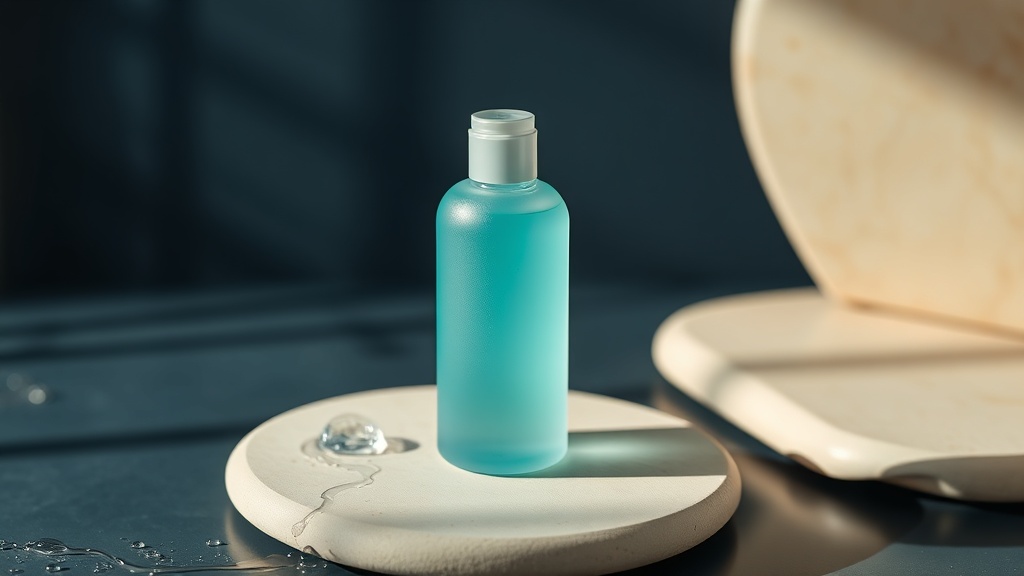
A finisher, not a foundation: use a chlorine dioxide rinse after cleaning the tongue, following the label.
A chlorine dioxide rinse is a cosmetic aid, not a diagnosis. See a dentist if bad breath persists despite good daily cleaning and a suitable rinse, or if you notice bleeding gums, a persistently dry mouth, a bad taste that will not clear, or mouth irritation. A dentist can check for gum problems or dry mouth that a rinse only masks, and advise whether a stronger, short-course medicated rinse is appropriate.
Frequently asked questions
Sources
- 1.
- 2.
- 3.
- 4.
- 5.

Fix your breath at the source.
The complete science-backed protocol — engineered to eliminate volatile sulfur compounds at the biological source.
Start the Breath Protocol →Related reading
Educational purposes only. The content on this page is not medical advice and is not a substitute for consultation with a qualified dental or medical professional.
More from the library
 Best Of8 min
The Best Mouthwash for Bad Breath, by Active Ingredient
There is no single winner, only the right rinse for the right job. Here is how the active ingredients compare on the evidence, and which suits everyday fresh breath.
Read →→ Best Of8 min
The Best Alcohol-Free Mouthwash for Fresh Breath
Skip the burn. Alcohol-free rinses can freshen breath just as well, if you choose by active ingredient rather than by that stinging tingle. Here is what the evidence supports.
Read →→ Answers7 min
Does Mouthwash Kill Good Bacteria? What the Evidence Says
Antibacterial rinses do not tell friendly bacteria from unfriendly ones. Here is what that means for your breath, and how to use mouthwash without working against yourself.
Read →→ Guides8 min
How to Get Rid of Bad Breath Permanently: An Evidence-Based Plan
The honest version: "permanently" means ongoing control, not a one-time fix. Here is the daily routine the research actually supports, and when to get help.
Read →→ Guides7 min
Bad Breath Even After Brushing? The Biological Reason (and Fix)
You brushed, flossed and rinsed — and the smell is still there. The reason usually isn't hygiene; it's where the odour-causing bacteria actually live.
Read →→ Ingredients9 min
Probiotics for Bad Breath: Do Oral Probiotics Actually Work?
Oral probiotics try to fix bad breath at the source, by shifting which bacteria live on your tongue. The idea is promising; the evidence is still early.
Read →→