Bad Breath Even After Brushing? The Biological Reason (and Fix)
You brushed, flossed and rinsed — and the smell is still there. The reason usually isn't hygiene; it's where the odour-causing bacteria actually live.
- Breath can smell within minutes of brushing because most odour-causing bacteria live in the biofilm on the back of the tongue, not on your teeth.
- Anaerobic bacteria in that coating break down proteins into volatile sulfur compounds (VSCs) — the rotten-egg and sour-milk gases other people notice.
- A toothbrush glides over the tongue's surface without lifting the biofilm out of the grooves, so brushing barely disturbs the reservoir that causes the smell.
- Mouthwash can mask odour and cut bacteria briefly, but strong antibacterial rinses have real tradeoffs and the effect is short-lived.
- The durable fix is mechanical (scrape the tongue daily) plus microbial (repopulate with a probiotic like S. salivarius K12) plus hydration — and knowing when the cause is not your mouth at all.
Breath smells after brushing because the odour is made by bacteria in the biofilm on the back of your tongue, not on your teeth. A toothbrush skims over that coating without removing it, so the volatile sulfur compounds keep forming. Scraping the tongue daily, supporting a healthy oral microbiome, and staying hydrated address the actual source.
Why brushing your teeth misses the smell
Brushing does an excellent job on your teeth, but the smell of bad breath usually is not coming from them. The back of the tongue is covered in tiny finger-like papillae that trap food debris, dead cells and bacteria in a sticky layer called a biofilm. Deep inside that coating, where oxygen barely reaches, anaerobic bacteria digest proteins and release volatile sulfur compounds (VSCs) — mainly hydrogen sulfide, the rotten-egg smell, and methyl mercaptan, a sharper and more offensive odour. These gases are what other people notice. A toothbrush is designed to sweep the smooth surfaces of teeth; when you run it over the tongue it glides across the tops of the papillae without lifting the biofilm out of the grooves. So you can finish brushing with clean-feeling teeth while the reservoir of odour-producing bacteria on your tongue is essentially untouched — and within minutes it is producing VSCs again. According to a Cochrane systematic review, this is why mechanical tongue cleaning, not tooth brushing, is the intervention studied specifically for reducing these compounds.
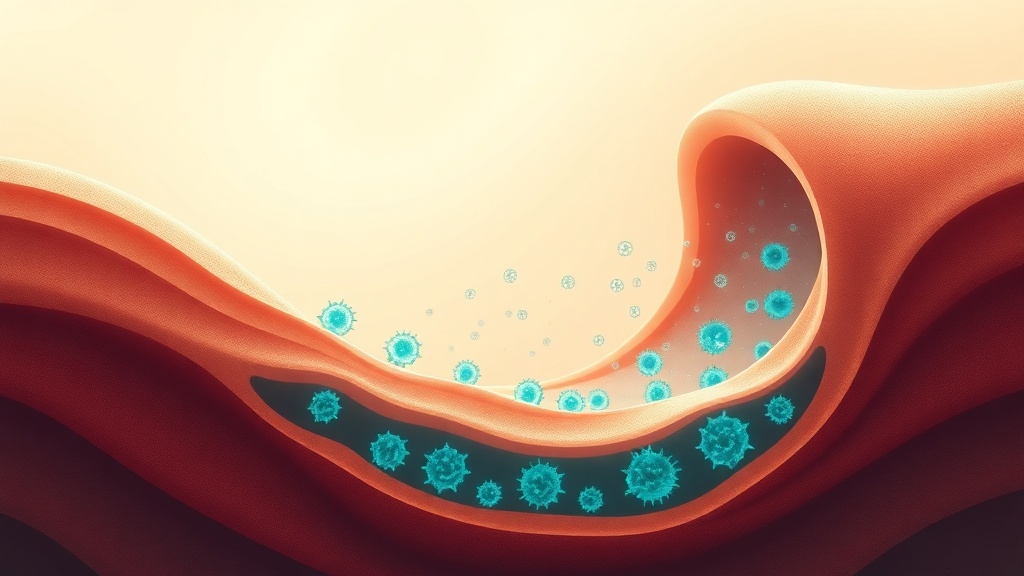
Inside the tongue biofilm, anaerobic bacteria break down proteins into the volatile sulfur compounds behind bad breath — a cycle brushing the teeth does not reach.
What the research actually shows
Every row maps to a named, peer-reviewed source in the Sources section. According to PubMed.
| Claim | Evidence | Source |
|---|---|---|
| A tongue scraper reduced VSCs by about 75% versus about 45% for a toothbrush in one trial; a second trial found a smaller difference (about 40% versus 33%). | Cochrane systematic review of randomised trials of tongue cleaning for halitosis. | Outhouse et al., Cochrane Review 2006 |
| The benefit of a single clean is short-lived: reduced VSC levels could not be detected more than about 30 minutes after the intervention. | Same Cochrane review, which rates the overall evidence as weak but statistically significant. | Outhouse et al., Cochrane Review 2006 |
| About 40% of people with bad breath have no underlying organic disease; it is physiological, driven by ordinary oral bacteria. | Systematic review of treatments for physiological halitosis. | Scully and Porter, BMJ Clinical Evidence 2008 |
| After a chlorhexidine rinse, S. salivarius K12 lozenges reduced VSCs substantially in 85% of subjects versus 30% on placebo one week later. | Preliminary controlled study in 23 adults with halitosis. | Burton et al., J Appl Microbiol 2006 |
| Strong antibacterial rinses have tradeoffs: chlorhexidine reduces plaque but causes tooth staining and taste disturbance with four weeks or more of use. | Cochrane review of 51 trials (5,345 participants). | James et al., Cochrane Review 2017 |
After-brushing bad breath: what each option really does
| Approach | What it targets | How long it lasts | Tradeoffs |
|---|---|---|---|
| Brushing teeth alone | Plaque on teeth | Does not target the tongue biofilm | Leaves the main VSC source untouched |
| Metal tongue scraper | Removes the tongue biofilm mechanically | Short (minutes to an hour) — needs daily use | Mild gag reflex until technique settles |
| Antibacterial mouthwash | Masks odour; briefly lowers bacteria | Often under an hour | Alcohol can dry the mouth; chlorhexidine can stain teeth and alter taste with long use |
| Probiotic (S. salivarius K12) | Repopulates with competitive bacteria | Aims for a longer microbiome shift | Preliminary evidence; works best alongside scraping |
| Hydration | Restores saliva flow that clears bacteria | Ongoing | Not a standalone fix, but supports every other step |
When it is not your tongue
Tongue biofilm is the most common source of breath that lingers after brushing, but it is not the only one. An estimated 40% of people with bad breath have no organic disease at all — it is ordinary oral bacteria — yet a meaningful minority of persistent cases start somewhere else entirely. Tonsil stones lodged in the tonsil crypts, post-nasal drip from the sinuses, acid reflux, uncontrolled diabetes, and a chronically dry mouth can each produce breath that no amount of scraping will fix. A practical self-check: if your breath stays sour despite daily tongue scraping, thorough brushing and flossing, and plenty of water for two to three weeks, the cause is probably not your tongue. Pressing harder or scrubbing longer will not reach a source that lives in the sinuses, gut or tonsils — that is a signal to talk to a dentist or doctor rather than escalate your home routine.
Evidence you can act on.
Occasional emails — new research, new protocols, no noise.
The fix: scrape, repopulate, hydrate
Thirty to sixty seconds each morning, plus two small habits. Consistency matters more than intensity, because a single clean wears off within about half an hour.
- 1
Scrape the tongue daily
30 to 60 seconds, each morningUse a stainless steel or copper scraper — the trials that showed a benefit used scrapers, not brushes. Reach comfortably toward the back of the tongue and draw the scraper forward with light, even pressure, rinsing between passes. Breathe out slowly to ease the gag reflex. Do it before eating or drinking, every day, because the effect is short-lived and the habit is what carries the benefit.
- 2
Repopulate with a probiotic
daily, over weeksRemoving the biofilm makes room; a probiotic such as S. salivarius K12 helps the right bacteria move back in and crowd out the odour producers. In an early controlled study, K12 after a rinse reduced VSCs in 85% of users versus 30% on placebo. Think of it as reseeding the lawn after you have raked it, not sterilising the mouth.
- 3
Hydrate and go gentle on strong rinses
ongoingSaliva is your mouth's natural rinse; a dry mouth lets anaerobic bacteria flourish, so sip water through the day. If you use mouthwash, an alcohol-free option is kinder. Be cautious with strong antibacterial rinses long-term — chlorhexidine is effective but stains teeth and alters taste with extended use.
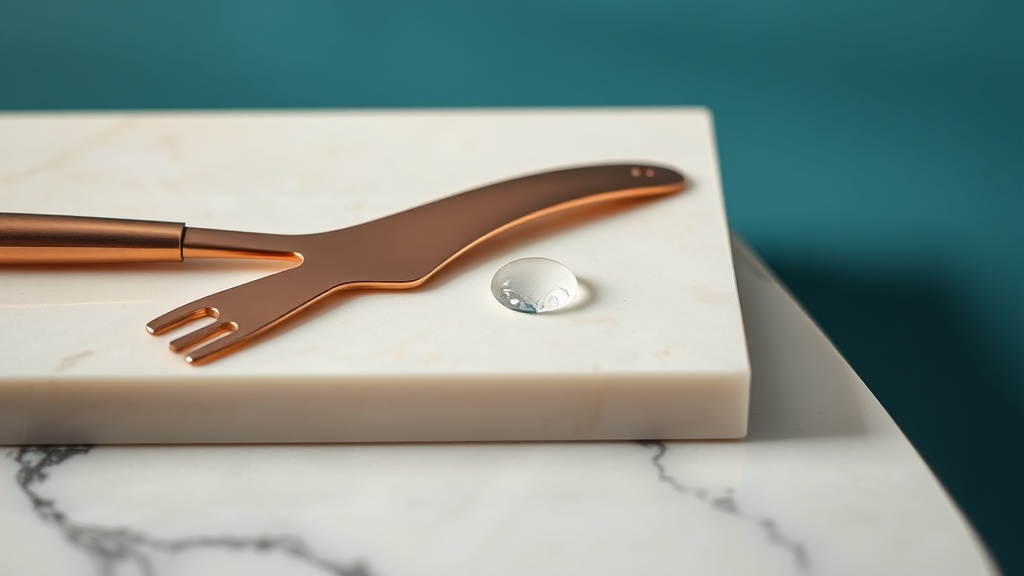
A metal tongue scraper removes the biofilm a toothbrush skims over — the mechanical half of the fix.
If bad breath persists despite daily tongue scraping and good oral hygiene, or if it comes with pain, bleeding gums, a persistent bad taste, or loose teeth, see a dentist. These can signal periodontal disease or another condition that home care alone will not resolve. Breath that is consistently sour or fruity despite a clean mouth is also worth a medical check.
Frequently asked questions
Sources
- 1.
- 2.
- 3.
- 4.

Fix your breath at the source.
The complete science-backed protocol — engineered to eliminate volatile sulfur compounds at the biological source.
Start the Breath Protocol →Related reading
Educational purposes only. The content on this page is not medical advice and is not a substitute for consultation with a qualified dental or medical professional.
More from the library
 Guides8 min
How to Get Rid of Bad Breath Permanently: An Evidence-Based Plan
The honest version: "permanently" means ongoing control, not a one-time fix. Here is the daily routine the research actually supports, and when to get help.
Read →→ Best Of8 min
The Best Mouthwash for Bad Breath, by Active Ingredient
There is no single winner, only the right rinse for the right job. Here is how the active ingredients compare on the evidence, and which suits everyday fresh breath.
Read →→ Ingredients9 min
Probiotics for Bad Breath: Do Oral Probiotics Actually Work?
Oral probiotics try to fix bad breath at the source, by shifting which bacteria live on your tongue. The idea is promising; the evidence is still early.
Read →→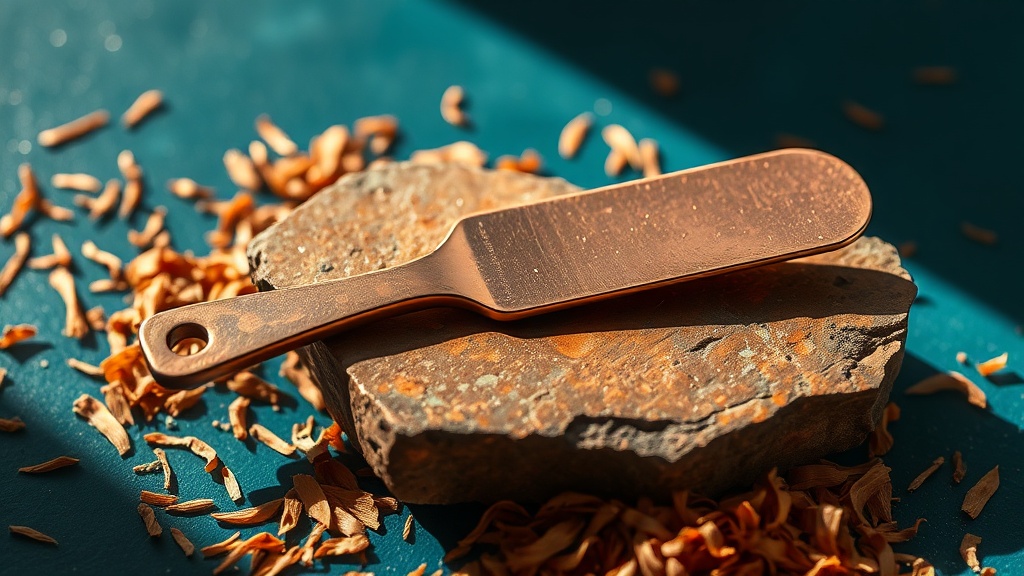 Best Of7 min
Copper Tongue Scraper Benefits: What the Evidence Supports
Copper scrapers are having a moment — but which benefits are backed by research and which are marketing? Here is the honest, evidence-based breakdown.
Read →→ Answers6 min
How Often Should You Scrape Your Tongue?
Once a day? Twice? After every meal? Here is what the research on tongue cleaning actually supports — and why frequency matters less than consistency.
Read →→ Guides9 min
How to Stop Mouth Breathing: Causes and Daytime Fixes
Why breathing through your mouth leaves it dry and stale — and the daytime habits that help you nose-breathe again.
Read →→