Soft vs Medium Toothbrush: Which Is Better?
Medium bristles scrub off marginally more plaque, but soft protects your gums and enamel — and gentle, thorough brushing is what keeps breath fresh.
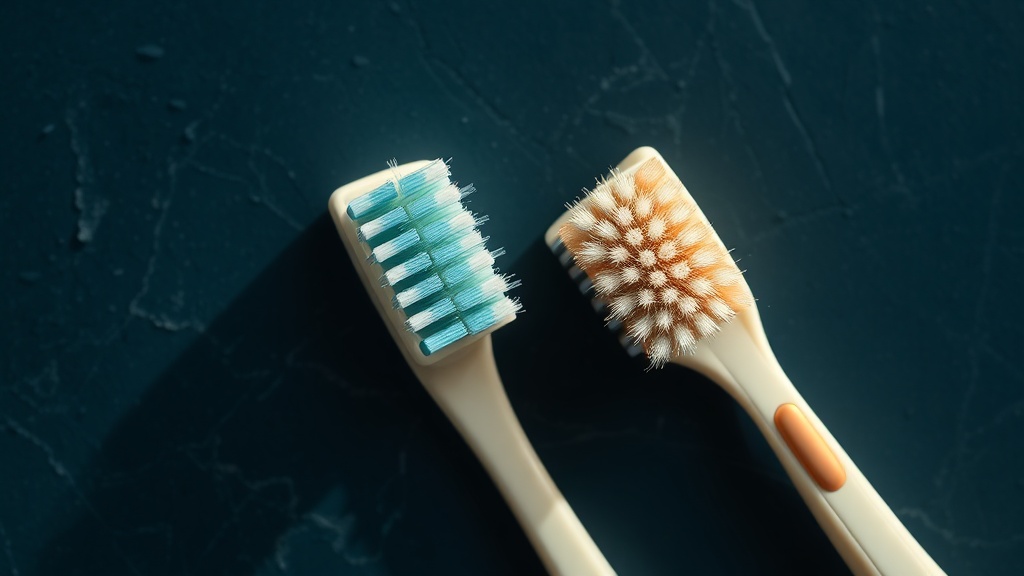
- In a randomized trial comparing soft, medium and hard bristles, firmer brushes removed slightly more plaque — but caused noticeably more gum lesions and bleeding.
- For most people a soft brush is the better everyday choice: it lifts plaque effectively while being gentle on gums and enamel, which is what protects fresh breath over the long run.
- Medium can suit someone with heavy plaque and a very light touch, but the margin is small and the risk of over-scrubbing is real — especially with a hard hand.
- Bristle firmness matters far less than technique: pressing hard with any brush abrades the gumline, while gentle, thorough brushing removes the biofilm that feeds odour.
- Whatever the firmness, the tongue and the spaces between teeth still need separate cleaning — that is where much of the smell actually comes from.
Use a soft toothbrush. A randomized trial found harder bristles removed marginally more plaque but caused more gum trauma and bleeding, while soft and medium were gentler. Soft cleans plenty well when you brush for two full minutes without pressing hard — and gentle brushing is exactly what keeps gums healthy and breath fresh over time.
What bristle firmness actually changes
A toothbrush freshens breath by physically disrupting dental plaque — the bacterial film where anaerobic, sulfur-producing species live and generate odour. In theory, stiffer bristles push harder against the tooth and scrape off a little more of that film. A randomized controlled trial that pitted soft, medium and hard manual brushes against each other over eight weeks confirmed exactly that: the harder bristles left slightly less plaque behind. But the same trial found the catch. Those harder bristles also produced more gingival lesions and higher bleeding scores — the gums were being abraded, not just cleaned. This is the trade-off at the heart of the soft-versus-medium question. Firmer feels like it is doing more, and on the plaque score it marginally is, yet it does that by being rougher on the soft tissue and, over years, on the enamel and exposed roots too. Soft bristles flex into the gumline and between the tooth contours, removing biofilm with far less collateral damage. For a job you repeat twice a day for a lifetime, gentleness compounds — which is why soft is the default most evidence supports.
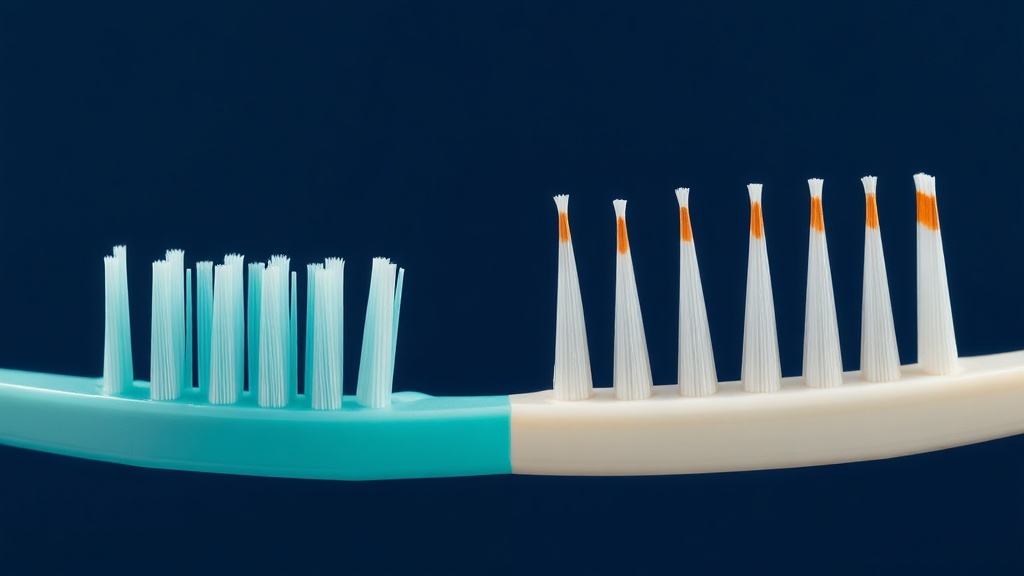
Soft bristles flex into the gumline and clean gently; firmer bristles remove marginally more plaque but press harder on the tissue.
What the research actually shows
Every claim below maps to a named, peer-reviewed source in the Sources section. According to PubMed.
| Claim | Evidence | Source |
|---|---|---|
| Hard-bristled brushes removed more plaque than soft or medium over eight weeks — but caused significantly more gingival lesions and bleeding. | Randomized controlled trial, 120 adults, soft vs medium vs hard. | Zimmer et al., 2010 |
| Soft and medium bristles produced less soft-tissue trauma at both four and eight weeks than hard bristles. | Gingival abrasion and papillary bleeding indices. | Zimmer et al., 2010 |
| Powered brushes reduce plaque and gingivitis without relying on stiffer bristles, showing removal comes from strokes and technique, not firmness. | Systematic review of 51 trials. | Yaacob et al., 2014 (Cochrane) |
| Whatever the bristle, no toothbrush cleans between teeth; adding floss or an interdental brush further reduces gum inflammation. | Systematic review of 35 interdental-cleaning trials. | Worthington et al., 2019 (Cochrane) |
| Odour comes from sulfur-producing bacteria in plaque and tongue coating, so gently keeping biofilm down supports fresher breath. | Review of the microbiology and management of halitosis. | Loesche & Kazor, 2002 |
Soft versus medium, side by side
| Factor | Soft | Medium |
|---|---|---|
| Plaque removal | Effective with proper technique | Marginally higher |
| Gum trauma / bleeding | Lowest | Higher, especially with pressure |
| Enamel and exposed-root wear | Gentlest | More abrasive over years |
| Best for sensitive gums or recession | Yes | Usually not |
| Risk if you press hard | Lower | Amplifies abrasion |
| Overall recommendation | Default for most people | Only for heavy plaque with a very light hand |
Why gentler protects breath in the long run
It seems backwards that a gentler brush could be better for breath, but the logic holds once you look past a single brushing. Over-scrubbing with firm bristles and a heavy hand slowly wears down the gumline, causing it to recede and exposing the softer root surface. Receded, inflamed gums create new pockets and rough surfaces where plaque lodges and where odour-producing bacteria thrive — the very problem you were trying to brush away. So the aggressive approach can, over time, manufacture more of the environment that bad breath needs. A soft brush removes the daily biofilm without provoking that damage, keeping the gum margin tight and healthy. And because the real odour reservoirs are the tongue coating and the contacts between teeth — neither of which any bristle firmness reaches — the smart move is to brush gently, then spend your effort where it counts: cleaning the tongue and clearing between the teeth. Reaching for a stiffer brush to compensate for skipping those steps is a losing trade. Gentle-but-complete beats hard-but-partial every time.
Evidence you can act on.
Occasional emails — new research, new protocols, no noise.
How to brush for healthy gums and fresh breath
None of this treats a disease; it keeps plaque and the bacteria that feed odour under control while protecting the gums. Firmness is the least important variable here.
- 1
Choose soft
one-timePick a soft-bristled brush as your default. If your gums are sensitive, receded, or bleed easily, soft is not optional — it is the safer, evidence-aligned choice.
- 2
Hold it like a pen, not a scrubbing brush
ongoingA light grip naturally limits pressure. Angle the bristles toward the gumline and use small, gentle strokes rather than a hard back-and-forth saw.
- 3
Give it the full two minutes
2 min, twice dailyCoverage and time remove plaque; force does not. Two unhurried minutes with a soft brush out-cleans a rushed thirty seconds with a stiff one.
- 4
Clean your tongue
under a minuteThe back of the tongue holds the largest population of odour bacteria. Gently scrape or brush it — this does more for breath than any change in bristle firmness.
- 5
Clear between your teeth daily
1-2 min dailyFloss or an interdental brush reaches the contacts bristles cannot. This removes trapped, fermenting debris and protects the gum margin.
- 6
Replace when splayed
every 3 monthsBent, flared bristles clean poorly and can scratch gums. Swap the brush about every three months or sooner if it looks worn.
For a task repeated twice a day for a lifetime, the gentleness of a soft brush compounds into healthier gums.
If your gums bleed regularly, look like they are pulling back from the teeth, or feel tender, see a dentist rather than switching to a firmer brush. Bleeding and recession are signs of gum inflammation that need assessment — and persistent bad breath alongside them should always be checked in person, since it can point to something a brush cannot fix.
Frequently asked questions
Sources
- 1.
- 2.
- 3.
- 4.
- 5.

Fix your breath at the source.
The complete science-backed protocol — engineered to eliminate volatile sulfur compounds at the biological source.
Start the Breath Protocol →Related reading
Educational purposes only. The content on this page is not medical advice and is not a substitute for consultation with a qualified dental or medical professional.
More from the library
 Comparisons8 min
Are Electric Toothbrushes Better? What the Evidence Shows
Powered brushes win by a modest, evidence-backed margin — but technique, your tongue, and cleaning between teeth matter far more.
Read →→ Best Of8 min
The Best Manual Toothbrush: What Actually Matters
Skip the marketing. The best manual toothbrush is soft-bristled, small-headed, and comfortable enough that you actually brush for the full two minutes.
Read →→ Answers9 min
How to Remove Plaque From Teeth at Home (and When You Can't)
A practical, science-based routine for controlling soft plaque yourself — and an honest line on where home care stops and the dentist begins.
Read →→ Comparisons9 min
Plaque vs Tartar: What's the Difference, Really?
The honest, science-based difference between the soft biofilm you can clear yourself and the calcified deposit that needs a professional.
Read →→ Guides8 min
How to Get Rid of Bad Breath Permanently: An Evidence-Based Plan
The honest version: "permanently" means ongoing control, not a one-time fix. Here is the daily routine the research actually supports, and when to get help.
Read →→ Guides7 min
Bad Breath Even After Brushing? The Biological Reason (and Fix)
You brushed, flossed and rinsed — and the smell is still there. The reason usually isn't hygiene; it's where the odour-causing bacteria actually live.
Read →→