Plaque vs Tartar: What's the Difference?
The honest, science-based difference between the soft biofilm you can clear yourself and the calcified deposit that needs a professional.
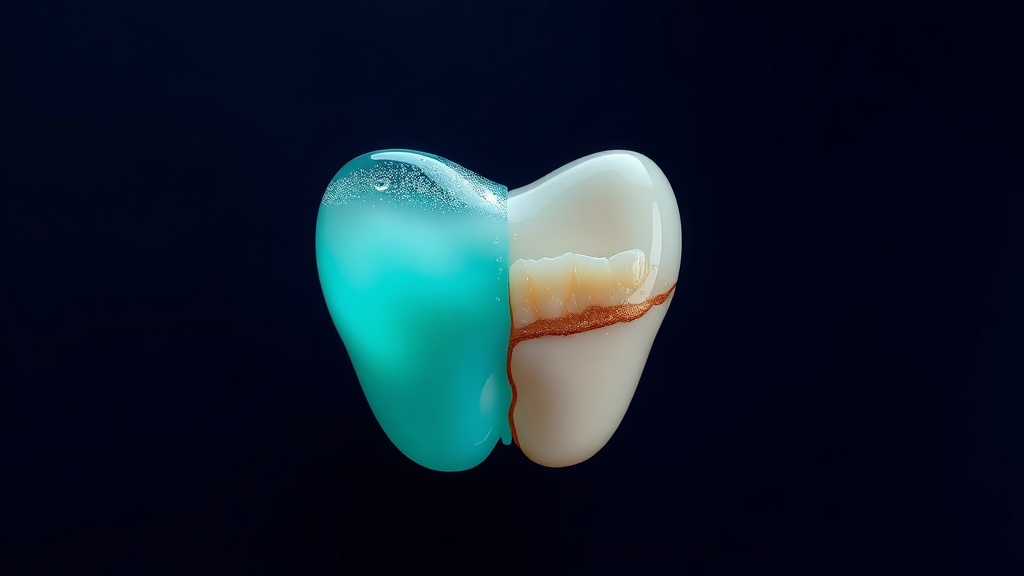
- Plaque is a soft, living biofilm — a sticky community of bacteria that forms on your teeth every day and can be removed with a toothbrush and cleaning between the teeth.
- Tartar (also called calculus) is plaque that was left in place long enough to harden: minerals from your saliva crystallise inside it, bonding it firmly to the tooth.
- The line between them is time. Soft plaque begins to calcify within a couple of days, which is why daily cleaning matters and why a missed spot can become a rough patch by later in the week.
- You can control plaque at home; you cannot remove tartar at home. Once it has hardened, only a dental professional's scaling instruments can take it off cleanly.
- Both are the same story at different stages, so the whole game is disrupting plaque daily before it ever gets the chance to set — prevention is the only place you have real control.
Plaque is the soft, living bacterial film that forms on teeth daily and wipes away with brushing and cleaning between the teeth. Tartar, or calculus, is plaque that has hardened as saliva minerals crystallise inside it, and it bonds firmly to the tooth. Plaque you can control at home; tartar only a dental professional can remove.
What plaque and tartar actually are
Plaque and tartar are not two different things — they are the same material caught at two different moments in its life. Plaque comes first. Within hours of cleaning, bacteria in your mouth settle onto the teeth and knit themselves into a biofilm: an organised, living community wrapped in a sticky matrix they build around themselves. It is soft, pale and easy to miss, and researchers describe it as having its own architecture, with channels running through it and different species occupying different layers. Because it is soft, it is also removable — the whole point of brushing and cleaning between the teeth is to physically break this film up before it matures. Tartar is what happens when plaque is left alone. Your saliva is rich in calcium and phosphate, and over a day or two those minerals begin to precipitate inside the plaque, crystallising it into a hard deposit. In effect, tartar is petrified plaque: calcified mineral salts laid down within the remnants of the bacterial film. Crucially, a fresh layer of living plaque then grows on top of that hardened base — so tartar is not an inert crust but a rough, sheltered platform that makes the next round of plaque even harder to clean away.
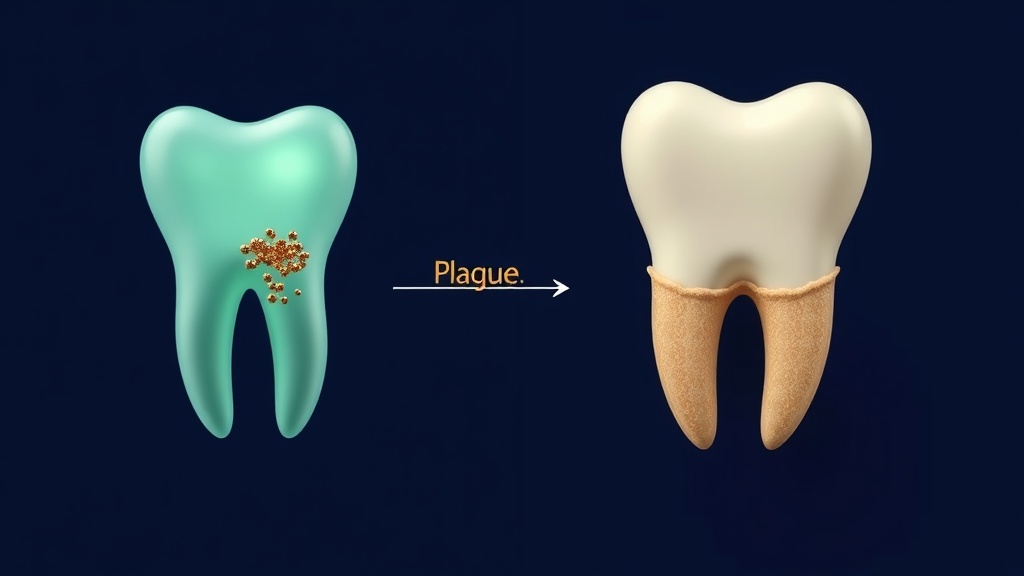
The same material, two stages: a soft bacterial biofilm takes up minerals from saliva and crystallises into a hard deposit at the gumline.
What the research actually shows
Every claim below maps to a named, peer-reviewed source in the Sources section. According to PubMed.
| Claim | Evidence | Source |
|---|---|---|
| Dental plaque is a living microbial biofilm embedded in a matrix, with an organised architecture rather than a random smear. | Review of dental plaque as a biofilm. | Marsh, 2003 |
| Tartar is calcified dental plaque — calcium-phosphate mineral deposited within the remnants of the bacterial film, and a live plaque layer still covers it. | Comprehensive review of calculus formation. | White, 1997 |
| Because it is hardened and bonded, established calculus is removed by professional instrumentation, while anti-tartar toothpastes only slow new formation. | Review of calculus prevention and removal. | White, 1997 |
| Antibacterial mouthrinses can reduce the oral bacterial load as an addition to mechanical cleaning, not a replacement for it. | Cochrane review of mouthrinses for halitosis. | Fedorowicz et al., 2008 |
| Chlorhexidine rinses reduce plaque and gum inflammation but cause reversible tooth staining with prolonged use, so they suit short-term use. | Cochrane review of chlorhexidine mouthrinse. | James et al., 2017 |
Plaque vs tartar, side by side
| Feature | Plaque | Tartar (calculus) |
|---|---|---|
| Texture | Soft, sticky film | Hard, crusty deposit |
| What it is | Living bacterial biofilm | Plaque hardened by saliva minerals |
| When it forms | Within hours of cleaning | When plaque sits for about 1-3 days |
| Colour | Pale white or colourless | Yellow to brown, sometimes darker |
| Can you see it? | Often invisible; feels fuzzy | Visible, usually near the gumline |
| Remove at home? | Yes - brushing and interdental cleaning | No - needs a dental professional |
Why tartar needs a professional — and why prevention is everything
Once plaque has calcified, brushing harder will not shift it. Tartar is bonded to the tooth surface and has the hardness of a mineral deposit, so trying to chip it off yourself risks scratching the enamel or injuring the gums without actually removing it cleanly. A dental hygienist uses hand and ultrasonic scaling instruments designed to break the mineral bond and lift the deposit off in one controlled pass — which is exactly why a professional cleaning leaves teeth feeling smooth in a way home brushing never quite matches. The honest implication is that home care and professional care do different jobs. Your daily routine controls plaque; the dentist removes what has already hardened. Anti-tartar toothpastes are sometimes misunderstood here: they contain mineralisation inhibitors that slow how fast new plaque calcifies, keeping deposits softer and easier to clean, but they do not dissolve tartar that has already formed. Because plaque is part of a natural oral ecology that constantly re-establishes itself, that leaves prevention as the only place you truly have leverage. Every time you disrupt the plaque film before it sets — especially along the gumline and between the teeth where it lingers — you stop a soft, removable problem from becoming a hard one you cannot fix yourself.
Evidence you can act on.
Occasional emails — new research, new protocols, no noise.
How to keep plaque from becoming tartar
You cannot remove tartar at home, but you have complete control over the step before it: keeping plaque disrupted so it never hardens. None of this treats a disease — it simply keeps the biofilm soft and clearable.
- 1
Brush twice a day, along the gumline
2 minutes, twice dailyPlaque calcifies fastest where it is left undisturbed, and the gumline is the classic spot. Angle the brush slightly toward the gums and cover every surface. It is the consistency, not the force, that matters — gentle, thorough brushing twice a day disrupts the film before minerals can set in it.
- 2
Clean between your teeth daily
once dailyA brush cannot reach the contact points between teeth, which is exactly where tartar loves to form. Floss or an interdental brush breaks up the plaque a brush misses; reviews of interdental cleaning added to brushing show reduced plaque and gum inflammation. Pick the tool you will actually use every day.
- 3
Consider an anti-tartar or antibacterial adjunct
as directedToothpastes with mineralisation inhibitors slow how quickly plaque hardens, and an antibacterial rinse can lower the overall load as a supplement. Be clear on what they do: they help control soft plaque, but they do not remove tartar that has already formed.
- 4
Do not try to scrape tartar off yourself
—Metal picks and DIY scalers are a common temptation and a bad idea: you are more likely to scratch enamel or cut the gum than to remove the deposit cleanly. Hardened tartar is a job for professional instruments, not a bathroom mirror.
- 5
Keep regular professional cleanings
every 6-12 monthsA scale-and-polish removes the tartar your home routine cannot and resets the surface so plaque has less to cling to. How often you need one depends on how quickly you form tartar — your dentist can tell you where you sit on that spectrum.
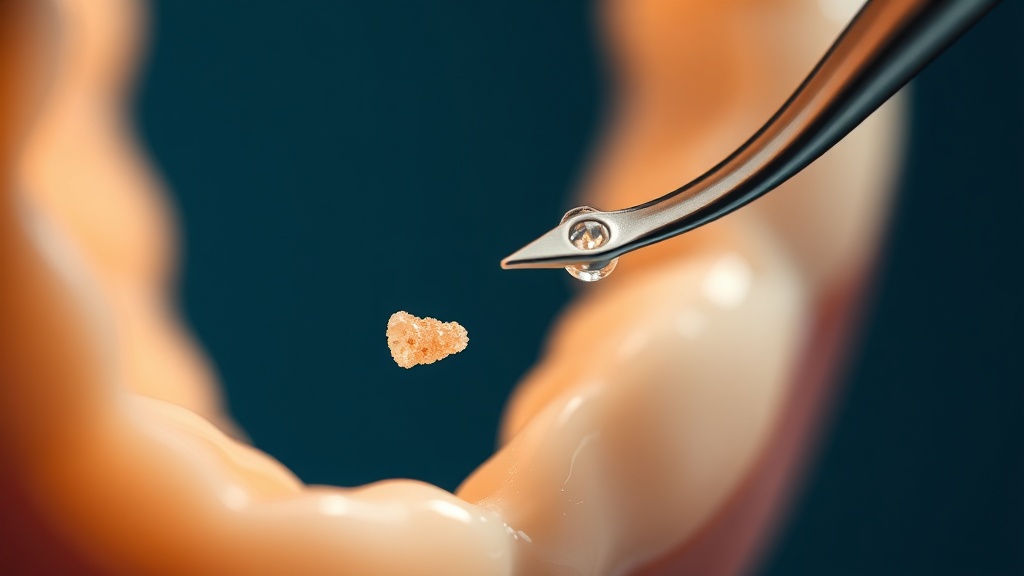
Once plaque has calcified into tartar, only professional scaling instruments can lift it off the tooth cleanly.
Book a dental visit if you can see or feel hard, rough deposits on your teeth — especially yellow or brown build-up near the gumline or behind the lower front teeth — since only professional scaling removes tartar cleanly. Go sooner if the build-up comes with bleeding, tender or receding gums, or persistent bad breath, as these can signal that plaque and tartar are irritating the gums. Do not try to remove hardened deposits yourself with metal tools; have them taken off in person.
Frequently asked questions
Sources
- 1.
- 2.
- 3.
- 4.
- 5.

Fix your breath at the source.
The complete science-backed protocol — engineered to eliminate volatile sulfur compounds at the biological source.
Start the Breath Protocol →Related reading
Educational purposes only. The content on this page is not medical advice and is not a substitute for consultation with a qualified dental or medical professional.
More from the library
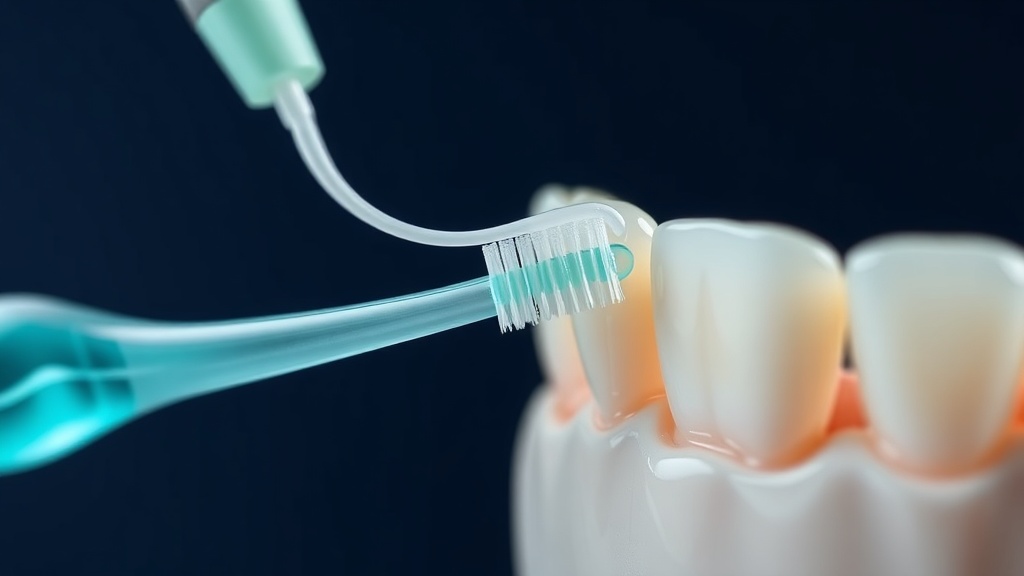 Answers9 min
How to Remove Plaque From Teeth at Home (and When You Can't)
A practical, science-based routine for controlling soft plaque yourself — and an honest line on where home care stops and the dentist begins.
Read →→ Answers9 min
How to Get Rid of White Tongue: The Coating, Cleared Honestly
The honest, science-based way to clear the soft coating behind a white tongue — and how to tell simple biofilm from a patch that needs a professional.
Read →→ Guides8 min
The Best Way to Clean Your Tongue for Fresh Breath
Most bad breath starts on the back of the tongue — here is the gentle, evidence-based way to clean it for fresher breath.
Read →→ Best Of8 min
The Best Mouthwash for Bad Breath, by Active Ingredient
There is no single winner, only the right rinse for the right job. Here is how the active ingredients compare on the evidence, and which suits everyday fresh breath.
Read →→ Guides8 min
How to Get Rid of Bad Breath Permanently: An Evidence-Based Plan
The honest version: "permanently" means ongoing control, not a one-time fix. Here is the daily routine the research actually supports, and when to get help.
Read →→ Guides7 min
Bad Breath Even After Brushing? The Biological Reason (and Fix)
You brushed, flossed and rinsed — and the smell is still there. The reason usually isn't hygiene; it's where the odour-causing bacteria actually live.
Read →→