
The Best Manual Toothbrush for Fresh Breath
Skip the marketing. The best manual toothbrush is soft-bristled, small-headed, and comfortable enough that you actually brush for the full two minutes.
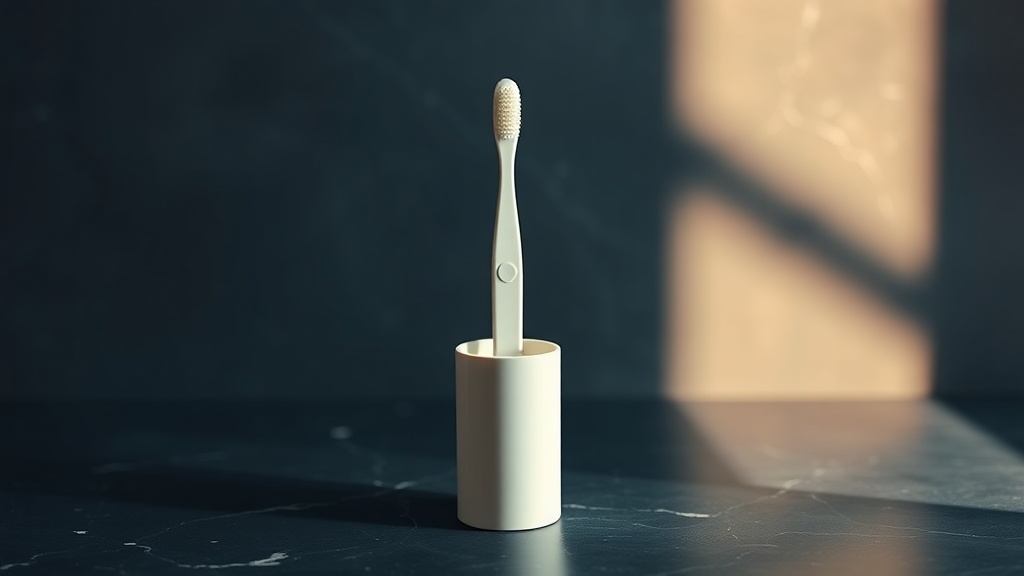
- The best manual toothbrush is defined by features, not brand: soft bristles, a compact head, and a comfortable grip that encourages a full two-minute brush.
- Soft bristles are the single most important feature — a randomized trial found firmer bristles removed marginally more plaque but caused more gum trauma and bleeding.
- A smaller head reaches the back teeth and the awkward inside surfaces where plaque and odour bacteria hide; an oversized head skips these spots.
- No manual brush, however good, cleans the tongue or between the teeth — so the best brush is only one part of a fresh-breath routine that includes both.
- Technique and consistency beat any premium feature: a plain soft brush used well out-performs a fancy one used carelessly.
The best manual toothbrush has soft bristles, a small-to-medium head, and a handle you find comfortable enough to brush the full two minutes. Brand and gimmicks matter little. Pair it with tongue cleaning and daily flossing, because those reach the odour reservoirs the brush cannot — that combination, not the brush alone, is what keeps breath fresh.
What actually makes a manual toothbrush good
A toothbrush has one job: physically disrupt dental plaque, the bacterial film where sulfur-producing anaerobes live and generate the gases behind bad breath. Everything that makes a manual brush good serves that single mechanical task. Bristle softness lets the filaments flex into the gumline and around each tooth's curves, lifting plaque without abrading the tissue — and the evidence is clear that firmer bristles buy only a sliver more plaque removal at the cost of more gum damage. Head size determines reach: a compact head can angle behind the last molars and onto the tongue-side surfaces where plaque accumulates unseen, while a big head bridges over these areas and misses them. The handle matters for an unglamorous reason — if a brush is uncomfortable, people cut the two minutes short, and time on task is one of the biggest drivers of how much plaque actually comes off. Notice what is absent from this list: no special bristle pattern, colour-changing indicator, or brand name changes the underlying physics. A good manual brush is a simple tool that lets you cover every surface, gently, for long enough. That is the whole specification.
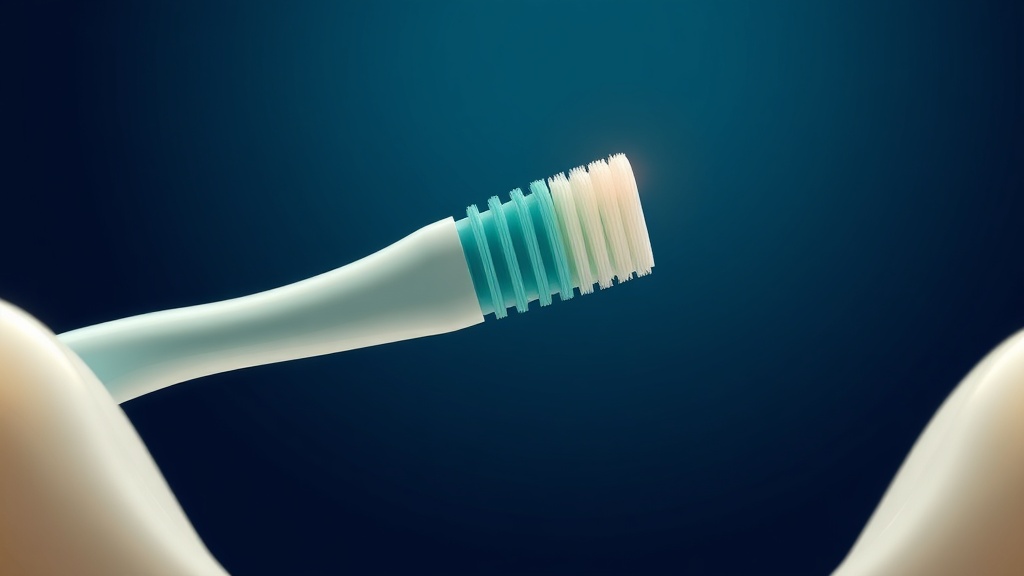
Soft bristles and a compact head do the real work — flexing into the gumline and reaching the back surfaces where plaque hides.
What the research actually shows
Every claim below maps to a named, peer-reviewed source in the Sources section. According to PubMed.
| Claim | Evidence | Source |
|---|---|---|
| Soft bristles are preferable to hard: firmer brushes removed marginally more plaque but caused significantly more gum lesions and bleeding. | Randomized controlled trial, 120 adults. | Zimmer et al., 2010 |
| Plaque removal depends on strokes and technique rather than brute force, so a well-used manual brush cleans effectively. | Systematic review of 51 manual-vs-powered trials. | Yaacob et al., 2014 (Cochrane) |
| No manual brush cleans between the teeth; adding floss or an interdental brush further reduces gum inflammation. | Systematic review of 35 interdental-cleaning trials. | Worthington et al., 2019 (Cochrane) |
| Gently cleaning the tongue lowers the volatile sulfur compounds behind malodour more than brushing the teeth alone. | Systematic review of tongue-cleaning for halitosis. | Outhouse et al., 2006 (Cochrane) |
| Bad breath is driven by sulfur-producing bacteria in plaque and tongue coating, so lowering biofilm supports fresher breath. | Review of the microbiology and management of halitosis. | Loesche & Kazor, 2002 |
How to judge a manual toothbrush
| Feature | What to look for | Why it matters |
|---|---|---|
| Bristle firmness | Soft | Removes plaque while sparing gums and enamel |
| Head size | Small to medium | Reaches back molars and tongue-side surfaces |
| Bristle tips | Rounded / end-rounded | Less abrasive at the gumline |
| Handle | Comfortable, non-slip grip | Encourages the full two minutes |
| Bristle pattern | Simple is fine | Fancy patterns add little proven benefit |
| Replacement | New brush every ~3 months | Frayed bristles clean poorly |
Why the best brush still cannot fix breath alone
It is tempting to think that buying the right toothbrush solves bad breath. It does not, and understanding why saves a lot of wasted money on premium brushes. The bacteria that generate most oral odour concentrate in two places a toothbrush barely touches: the rough carpet of the tongue's surface and the tight contacts between adjacent teeth. Cochrane evidence shows tongue cleaning reduces breath-related sulfur gases more than tooth brushing alone, and that interdental cleaning lowers gum inflammation beyond what brushing achieves. So even a perfectly chosen soft, compact-headed brush leaves those two reservoirs largely intact. This reframes what best actually means. The best manual toothbrush is the one that lets you brush all tooth surfaces gently and completely — and then gets combined with a tongue scrape and a daily pass between the teeth. A person who nails that trio with a supermarket brush will have fresher breath than someone who owns the most expensive brush on the shelf but stops at the teeth. Choose a good brush, yes, but treat it as the entry point to a routine, not the whole answer.
Evidence you can act on.
Occasional emails — new research, new protocols, no noise.
How to choose and use the best manual brush
None of this treats a disease; it keeps plaque and the bacteria that feed odour in check. Pick simple, effective features and use them well.
- 1
Pick soft bristles
one-timeMake softness non-negotiable. It removes plaque effectively while protecting the gums and enamel you rely on for the long haul.
- 2
Choose a small-to-medium head
one-timeA compact head reaches behind the back teeth and onto the inside surfaces. If a brush feels bulky in the mouth, size down.
- 3
Prioritise a comfortable handle
one-timeComfort is not a luxury — it is what keeps you brushing the full two minutes. A grip that suits your hand beats any marketing feature.
- 4
Brush gently for two full minutes
2 min, twice dailyAngle bristles to the gumline, use light strokes, and cover every surface. Coverage and time, not pressure, remove plaque.
- 5
Add the tongue and between-teeth
2-3 min dailyScrape or brush the tongue and clean between teeth with floss or an interdental brush. This reaches the odour sources the brush cannot.
- 6
Replace roughly every three months
quarterlySwap the brush when the bristles splay or every three months, whichever comes first. Worn bristles clean poorly and can irritate gums.
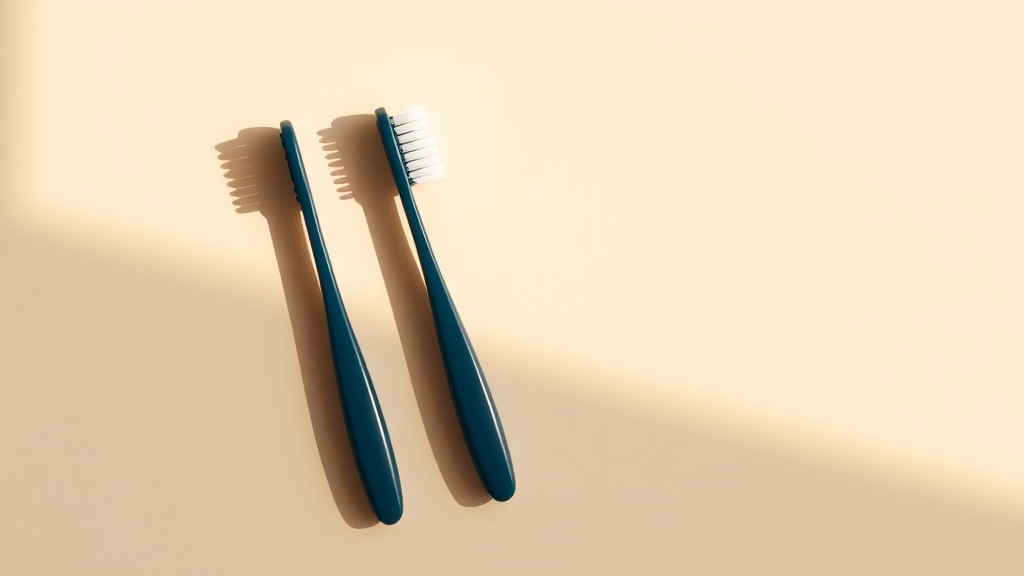
A good manual brush is a simple tool: soft, compact, comfortable — no brand name required.
If you brush well with a good soft brush and still have bleeding gums, persistent bad breath, or tartar you cannot remove at home, see a dentist. No toothbrush removes hardened tartar or treats gum inflammation — those need a professional clean and assessment, and lingering odour despite a solid routine should always be checked in person.
Frequently asked questions
Sources
- 1.
- 2.
- 3.
- 4.
- 5.

Fix your breath at the source.
The complete science-backed protocol — engineered to eliminate volatile sulfur compounds at the biological source.
Start the Breath Protocol →Related reading
Educational purposes only. The content on this page is not medical advice and is not a substitute for consultation with a qualified dental or medical professional.
More from the library
 Comparisons8 min
Are Electric Toothbrushes Better? What the Evidence Shows
Powered brushes win by a modest, evidence-backed margin — but technique, your tongue, and cleaning between teeth matter far more.
Read →→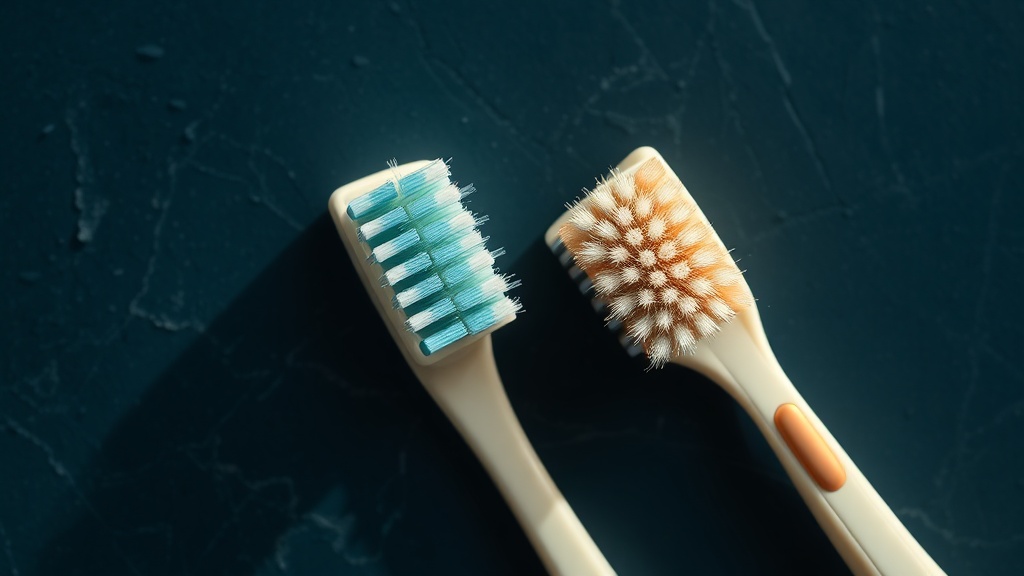 Comparisons8 min
Soft vs Medium Toothbrush: Which Should You Use?
Medium bristles scrub off marginally more plaque, but soft protects your gums and enamel — and gentle, thorough brushing is what keeps breath fresh.
Read →→ Answers8 min
How Often Should You Floss? What the Evidence Says
Once a day, done consistently, is what the evidence supports — because cleaning between the teeth reaches the odour sources a toothbrush never can.
Read →→ Best Of9 min
Best Toothpaste for Bad Breath: What Ingredients Actually Matter
The active ingredient, not the brand on the tube, decides whether a toothpaste actually helps freshen your breath.
Read →→ Guides8 min
How to Get Rid of Bad Breath Permanently: An Evidence-Based Plan
The honest version: "permanently" means ongoing control, not a one-time fix. Here is the daily routine the research actually supports, and when to get help.
Read →→ Guides7 min
Bad Breath Even After Brushing? The Biological Reason (and Fix)
You brushed, flossed and rinsed — and the smell is still there. The reason usually isn't hygiene; it's where the odour-causing bacteria actually live.
Read →→