Pronamel vs Sensodyne: Two Different Jobs, Honestly Compared
Pronamel and Sensodyne are not rivals but two tools: low-abrasion fluoride for acid-worn enamel versus potassium nitrate for nerve sensitivity. Match the paste to your actual problem.
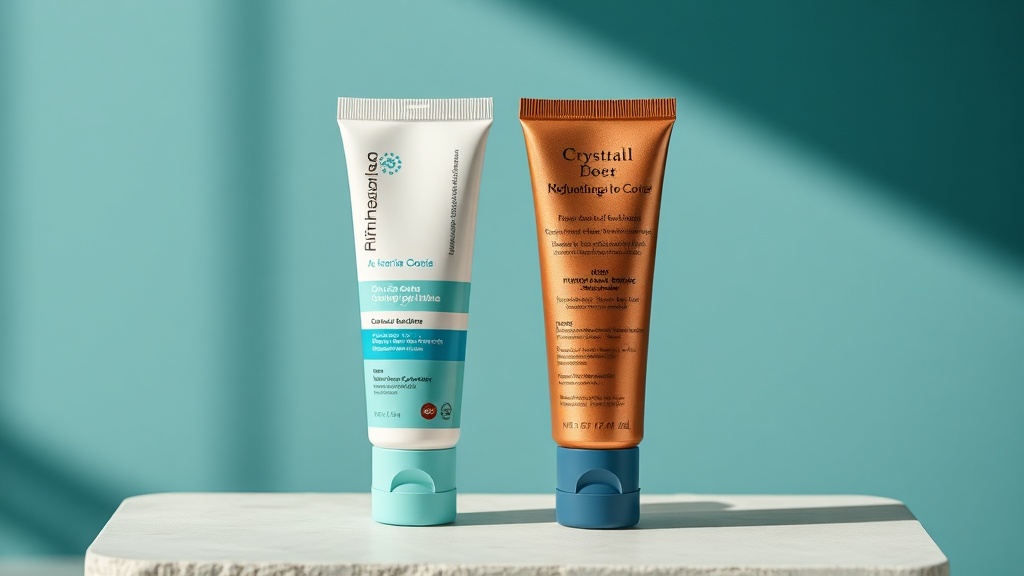
- Pronamel and Sensodyne come from the same family but do different jobs: Pronamel is built for acid-worn enamel, Sensodyne for nerve-type sensitivity.
- Pronamel is a low-abrasion sodium-fluoride paste designed to help harden enamel that has been softened by acids and to be gentle on it.
- Classic Sensodyne uses 5% potassium nitrate to calm the nerve so teeth stop over-reacting to cold and sweet, and it needs a couple of weeks to build up.
- If your problem is generalised cold-and-sweet sensitivity, Sensodyne is usually the better fit; if it is acid erosion from diet or reflux, Pronamel is designed for that.
- The two are not rivals so much as tools for different problems, and neither can fix a cavity, crack or exposed root, which needs a dentist.
Pronamel and Sensodyne solve different problems. Pronamel is a gentle, low-abrasion sodium-fluoride paste aimed at acid-worn enamel, while classic Sensodyne uses potassium nitrate to calm nerve sensitivity to cold and sweet. Choose Sensodyne for general sensitivity, Pronamel for acid erosion, and see a dentist if one tooth is sharply sensitive.
Two different problems, two different pastes
The confusion between Pronamel and Sensodyne comes from treating them as competing sensitivity pastes, when they actually target different problems. Sensodyne, in its classic form, is a desensitiser. Its 5% potassium nitrate releases potassium ions that diffuse along the exposed dentine tubules and make the nerve ending less excitable, so it stops firing at every mouthful of ice cream. That is a nerve-calming strategy for the twinge itself, and it builds gradually with twice-daily use. Pronamel is built for a different enemy: acid erosion. When you drink something acidic, the enamel surface is temporarily softened and loses mineral, and repeated acid exposure gradually thins and weakens it. Pronamel is a deliberately low-abrasion sodium-fluoride paste, formulated to deliver fluoride that helps re-harden the softened surface while scrubbing it as little as possible, because brushing softened enamel too hard removes more of it. So one paste quiets an over-sensitive nerve, and the other protects and re-mineralises enamel under acid attack. Knowing which problem you actually have is the whole decision.
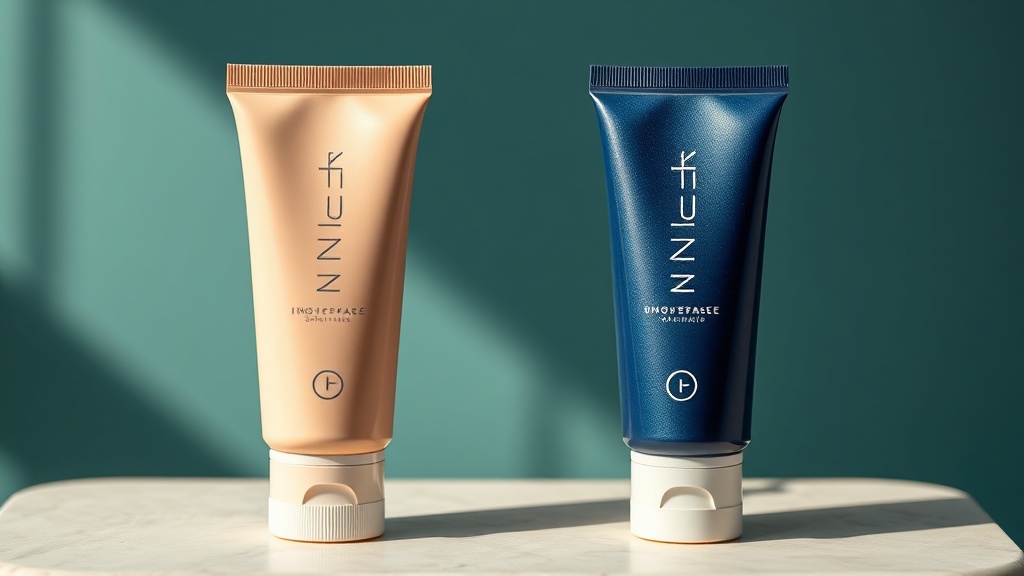
Pronamel and Sensodyne are not rivals so much as two tools: one for acid wear, one for nerve sensitivity.
What the research actually shows
Every claim below maps to a named, peer-reviewed source in the Sources section. According to PubMed.
| Claim | Evidence | Source |
|---|---|---|
| Potassium-nitrate toothpaste, the classic Sensodyne active, significantly reduced air-blast and tactile sensitivity versus placebo, though the reviewers rated the overall evidence as not strong. | Cochrane systematic review and meta-analysis. | Poulsen et al., Cochrane 2001 |
| Enamel remineralised in the presence of fluoride, the mechanism Pronamel relies on, is more acid-resistant than the original mineral. | Review of the mechanisms of action of fluoride. | Buzalaf et al., Monogr Oral Sci 2011 |
| Enamel begins to dissolve below a critical pH of around 5.5, which is why acid erosion is a distinct problem that a low-abrasion fluoride paste like Pronamel is designed around. | Study of the critical pH for enamel dissolution. | Lussi et al., Caries Res 2011 |
| Brushing softened or exposed dentine too hard carves wedge-shaped notches at the gumline, which is why a low-abrasion formula matters when enamel is already vulnerable. | Laboratory toothbrushing-machine study. | Litonjua et al., Am J Dent 2004 |
Pronamel vs Sensodyne at a glance
| Pronamel | Sensodyne (classic) | |
|---|---|---|
| Main job | Protect and re-harden acid-worn enamel | Calm nerve sensitivity to cold and sweet |
| Key active | Sodium fluoride, low-abrasion formula | 5% potassium nitrate plus fluoride |
| Best for | Acid erosion from diet, citrus, fizzy drinks or reflux | Generalised cold, sweet or air sensitivity |
| How it works | Fluoride helps re-mineralise softened enamel gently | Potassium calms the nerve so it over-reacts less |
| Time to notice | Ongoing protection; not an instant fix | Builds over about two weeks of twice-daily use |
| Not the answer for | A sharp, single sensitive tooth | Enamel loss driven mainly by acids |
The honest verdict, and where they overlap
So which wins? Neither, because they are not really competing. The honest verdict is that the right choice is dictated by your problem, not by which is stronger. If your teeth twinge broadly at cold, sweet or air, and there is no obvious dietary-acid story, classic Sensodyne and its nerve-calming potassium nitrate is the more direct fit. If your dentist has pointed to acid erosion, or your day is full of citrus, fizzy drinks, wine or reflux, Pronamel is the paste built for that, keeping abrasion low while fluoride helps re-harden the softened surface. There is real overlap: both carry fluoride, both are low-abrasion, and both benefit from the same gentle technique, so many people would do fine on either. Sensodyne also makes stannous-fluoride versions that seal tubules physically, which blurs the line further. The practical approach is to pick the paste that matches your dominant problem, give it a fair few-week trial with a soft brush and light pressure, and switch if it is clearly not the right tool. What neither paste can do is repair a hole, a crack or a deeply exposed root; a tooth that is sharply and stubbornly sensitive in one spot needs a dentist, whichever tube is in your bathroom.
Evidence you can act on.
Occasional emails — new research, new protocols, no noise.
How to decide between them
Work from your actual problem to the paste, then give it an honest trial.
- 1
Name your main problem
onceIs it broad cold-and-sweet sensitivity, or is it enamel wearing thin from acids? Nerve sensitivity points to Sensodyne; acid erosion points to Pronamel.
- 2
Match the paste to the job
onceChoose classic Sensodyne for nerve-type sensitivity and Pronamel for acid-worn enamel. If you have both problems, a stannous-fluoride Sensodyne or alternating on a dentist advice can be reasonable.
- 3
Give it two to four weeks
dailyPotassium-nitrate pastes in particular need consistent twice-daily use before you judge them. Do not switch after a couple of days.
- 4
Protect what the paste is doing
ongoingUse a soft brush and light pressure, spit without rinsing, and give acidic drinks less contact time. Wait a while before brushing after acids, since enamel is briefly softened.
- 5
Escalate a stubborn single tooth
as neededIf one specific tooth stays sharply sensitive despite the right paste, book a dentist. That is a structural signal, not a toothpaste choice.
If citrus, fizz or reflux drive your problem, that is acid erosion, the target Pronamel is designed for.
If sensitivity is sharp and lingering in one tooth, wakes you at night, or comes with visible erosion, a notch at the gumline, swelling or a dark line, see a dentist rather than switching pastes. A dentist can tell nerve sensitivity from acid erosion or a cavity, apply professional fluoride, and address causes like reflux that no toothpaste can reach.
Frequently asked questions
Sources
- 1.
- 2.
- 3.
- 4.
- 5.

Fix your breath at the source.
The complete science-backed protocol — engineered to eliminate volatile sulfur compounds at the biological source.
Start the Breath Protocol →Related reading
Educational purposes only. The content on this page is not medical advice and is not a substitute for consultation with a qualified dental or medical professional.
More from the library
 Best Of8 min
Best Sensodyne Toothpaste: How to Choose by Active Ingredient
The best Sensodyne is the one whose active ingredient matches your teeth: nerve-calming potassium nitrate, tubule-sealing stannous fluoride, or low-abrasion Pronamel for acid wear.
Read →→ Comparisons8 min
Hydroxyapatite vs Fluoride: Which Toothpaste Is Right for You?
Two ways to strengthen enamel, one big difference in how much evidence stands behind each.
Read →→ Ingredients8 min
How Fluoride Toothpaste Remineralizes Teeth
The chemistry behind fluoride's remineralizing power, and the honest line between the early lesions it can rebuild and the cavities it cannot.
Read →→ Reviews8 min
PreviDent 5000 Review: Prescription-Strength Fluoride, Honestly Assessed
PreviDent 5000 sits at the strong end of the fluoride dose-response curve, which is exactly why it is prescription-only rather than a general upgrade.
Read →→ Answers8 min
How to Get Rid of White Spots on Teeth: Your Options, Ranked
An honest, evidence-based ladder of options, from what you can do at home to what only a dentist can fix.
Read →→ Ingredients8 min
Hydroxyapatite Toothpaste Benefits: What the Evidence Actually Supports
A calm, science-first look at what hydroxyapatite toothpaste can genuinely do for your enamel, and where the evidence stops.
Read →→