
PreviDent 5000 Review: Prescription-Strength Fluoride, Honestly Assessed
PreviDent 5000 sits at the strong end of the fluoride dose-response curve, which is exactly why it is prescription-only rather than a general upgrade.
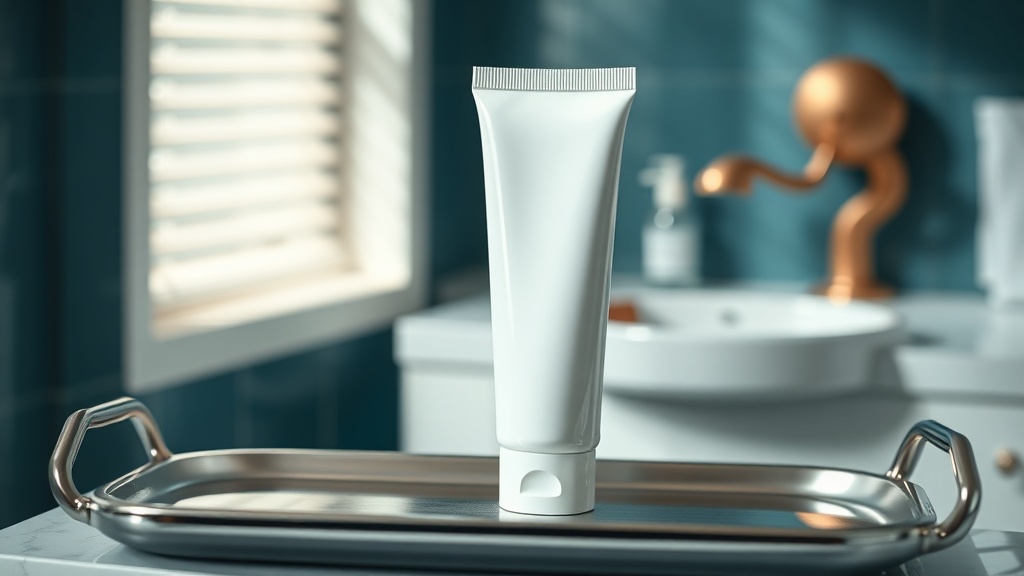
- PreviDent 5000 is a prescription 1.1% sodium fluoride toothpaste, delivering about 5,000 ppm fluoride, roughly three to four times a standard over-the-counter paste.
- Higher fluoride concentration means stronger enamel support: Cochrane evidence shows a clear dose-response, so 5,000 ppm sits near the top of the curve.
- It is prescription-only for a reason: high-fluoride pastes are aimed at people at elevated risk, and appropriateness should be decided by a dentist.
- It supports remineralization of early enamel and builds a more acid-resistant surface; it does not fill or reverse a cavity that has already formed.
- Because the dose is high, it is not for young children and should be used exactly as your dentist directs.
PreviDent 5000 is a prescription 1.1% sodium fluoride toothpaste delivering about 5,000 ppm fluoride, the strong end of the evidence-backed dose-response curve for enamel support. It is a legitimate, prescription-strength option for people at higher risk, best started on a dentist's recommendation rather than bought as a general upgrade.
What 5,000 ppm fluoride actually does
A standard supermarket toothpaste carries 1,000 to 1,500 ppm fluoride. PreviDent 5000 carries about 5,000 ppm in the form of 1.1% sodium fluoride, and that concentration is the whole point of the product. Fluoride supports enamel in two connected ways: it drives calcium and phosphate back into softened, early-stage enamel, and it becomes incorporated into the rebuilt mineral, producing a fluoride-rich surface that is more acid-resistant than the enamel you started with. The reason a higher dose can matter is that this is a concentration-dependent effect. Systematic reviews of fluoride toothpaste show a dose-response relationship, with greater benefit as concentration climbs and effectively no meaningful benefit below roughly 500 ppm. Pushing the concentration up to 5,000 ppm therefore loads the enamel surface with far more available fluoride during each brushing, which is why dentists reserve it for people whose teeth need more support than an ordinary paste provides. Crucially, this is still surface chemistry. Even at prescription strength, fluoride works on the mineral balance of intact and early-softened enamel; it cannot rebuild a tooth once the surface has physically broken.
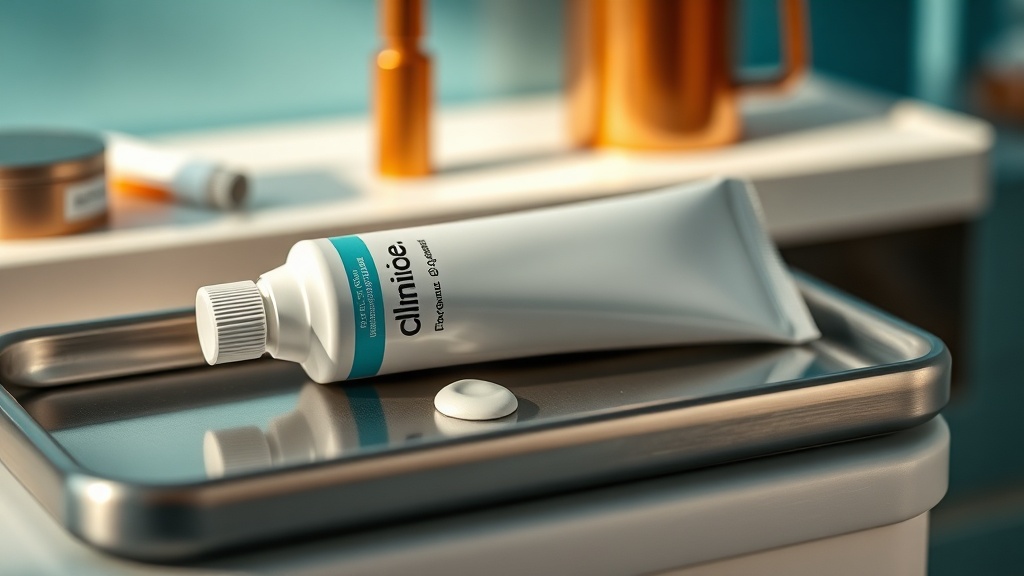
At about 5,000 ppm fluoride, PreviDent sits roughly three to four times higher than a standard paste, which is why it stays behind a prescription.
What the research actually shows
Every claim below maps to a named, peer-reviewed source in the Sources section. According to PubMed.
| Claim | Evidence | Source |
|---|---|---|
| Fluoride toothpaste reduces caries increment in a concentration-dependent way, with greater benefit at higher ppm and no clear benefit below about 500 ppm, the dose-response that underpins a 5,000 ppm product. | Cochrane systematic review of fluoride toothpastes of different concentrations. | Walsh et al., Cochrane 2019 |
| Fluoride toothpaste has a pooled prevented fraction of about 24%, an effect described as firmly established over more than half a century of research. | Cochrane review pooling 70 trials in over 42,000 children. | Marinho et al., Cochrane 2003 |
| Enamel remineralized in the presence of fluoride is more acid-resistant than the original mineral, the structure-function basis for high-fluoride support. | Review of the mechanisms of action of fluoride. | Buzalaf et al., Monogr Oral Sci 2011 |
| About 12% of people had fluorosis of aesthetic concern at 0.7 ppm water fluoride, the honest reason high-fluoride pastes are kept away from young children and used only as directed. | Cochrane systematic review of water fluoridation. | Iheozor-Ejiofor et al., Cochrane 2024 |
PreviDent 5000 versus a standard fluoride paste
| Factor | PreviDent 5000 (prescription) | Standard OTC paste |
|---|---|---|
| Fluoride level | ~5,000 ppm (1.1% sodium fluoride) | 1,000 to 1,500 ppm |
| Availability | Prescription only | Off the shelf |
| Intended for | Higher decay risk, dry mouth, exposed roots | General everyday use |
| Enamel support | Prescription-strength remineralization | Well-established everyday protection |
| Key cautions | Not for young children; use as directed | Suitable for most ages with supervision |
Who PreviDent 5000 is actually for
A high-fluoride paste is a tool, not a trophy, and more is not automatically better for everyone. Dentists typically reach for PreviDent 5000 when a patient carries above-average risk: a history of repeated cavities, a dry mouth from medication or medical treatment, exposed root surfaces, orthodontic appliances, or early lesions that need extra mineral support to stabilise. For those people, loading the enamel with far more fluoride at each brushing is a rational, evidence-aligned move. For a healthy, low-risk adult, an ordinary fluoride paste already sits well within the effective range, and stepping up to 5,000 ppm adds cost and swallowing caution without a clear extra payoff. This is also why it is prescription-only rather than gatekeeping for its own sake. The higher dose means it should not be used by young children, whose developing teeth are the ones at risk of cosmetic fluorosis from swallowing fluoride, and it should be used at the frequency your dentist specifies. And it deserves saying plainly: PreviDent 5000 supports and strengthens enamel, but it does not drill out or refill a cavity. If you already have a hole, that is restorative dentistry, and a prescription paste is a companion to that care, not a substitute for it.
Evidence you can act on.
Occasional emails — new research, new protocols, no noise.
How to use PreviDent 5000 well
A prescription paste only pays off when it is used the way it is meant to be used.
- 1
Start it on a dentist's say-so
onceBecause it is prescription-strength and risk-targeted, the first step is a conversation with your dentist about whether your caries risk actually warrants 5,000 ppm rather than a standard paste.
- 2
Use the amount and timing you were told
dailyMost regimens are once daily, often at night, in place of your regular paste. Follow the specific instructions on your prescription rather than treating it like ordinary toothpaste.
- 3
Spit thoroughly, do not swallow
dailyBrush, spit out all excess, and avoid rinsing straight away so the fluoride stays on the enamel. Do not swallow the paste, and keep it out of reach of children.
- 4
Keep it away from young children
ongoingHigh-fluoride pastes are not for young children because of the fluorosis risk to developing teeth. Store it safely and use a suitable child paste for the rest of the household.
- 5
See your dentist for anything cavitated
as neededIf a tooth has an actual hole, sensitivity that lingers, or a lesion that is progressing, that needs professional restorative care. PreviDent supports enamel; it does not repair a broken surface.
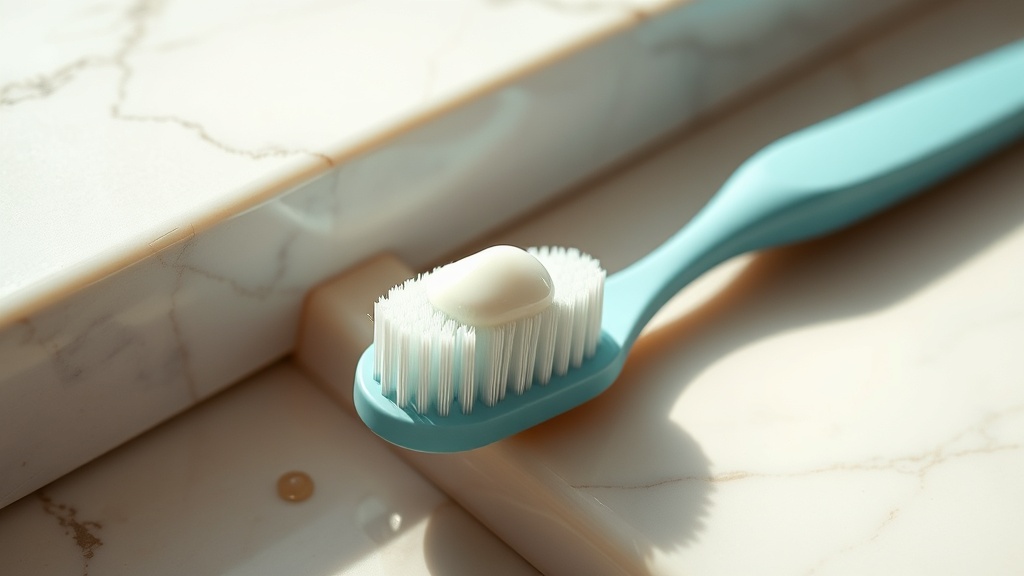
Prescription strength means precise use: the right amount, the right frequency, spit and do not swallow, and never for young children.
PreviDent 5000 is a prescription product, so a dentist should be involved from the start. See your dentist to confirm your decay risk justifies high-fluoride, to set the right frequency, and to check any tooth that has visible damage, a lingering ache, or a spot that is changing. A prescription paste supports enamel between visits; it is not a stand-in for diagnosis or restorative treatment.
Frequently asked questions
Sources
- 1.
- 2.
- 3.
- 4.
- 5.
- 6.

Fix your breath at the source.
The complete science-backed protocol — engineered to eliminate volatile sulfur compounds at the biological source.
Start the Breath Protocol →Related reading
Educational purposes only. The content on this page is not medical advice and is not a substitute for consultation with a qualified dental or medical professional.
More from the library
 Comparisons8 min
Hydroxyapatite vs Fluoride: Which Toothpaste Is Right for You?
Two ways to strengthen enamel, one big difference in how much evidence stands behind each.
Read →→ Best Of8 min
How to Choose the Best Hydroxyapatite Toothpaste
Skip the marketing and pick on the three things the research says actually matter.
Read →→ Guides8 min
Does Hydroxyapatite Toothpaste Work? What the Evidence Shows
The fluoride-free ingredient dentists keep debating, measured against the actual clinical trials.
Read →→ Answers8 min
Is Nano-Hydroxyapatite Toothpaste Safe?
The nanoparticle worry, answered by the actual toxicology reviews rather than the headlines.
Read →→ Answers8 min
How to Get Rid of White Spots on Teeth: Your Options, Ranked
An honest, evidence-based ladder of options, from what you can do at home to what only a dentist can fix.
Read →→ Ingredients8 min
Hydroxyapatite Toothpaste Benefits: What the Evidence Actually Supports
A calm, science-first look at what hydroxyapatite toothpaste can genuinely do for your enamel, and where the evidence stops.
Read →→