
Hydroxyapatite vs Fluoride: Which Toothpaste Is Right for You?
Two ways to strengthen enamel, one big difference in how much evidence stands behind each.
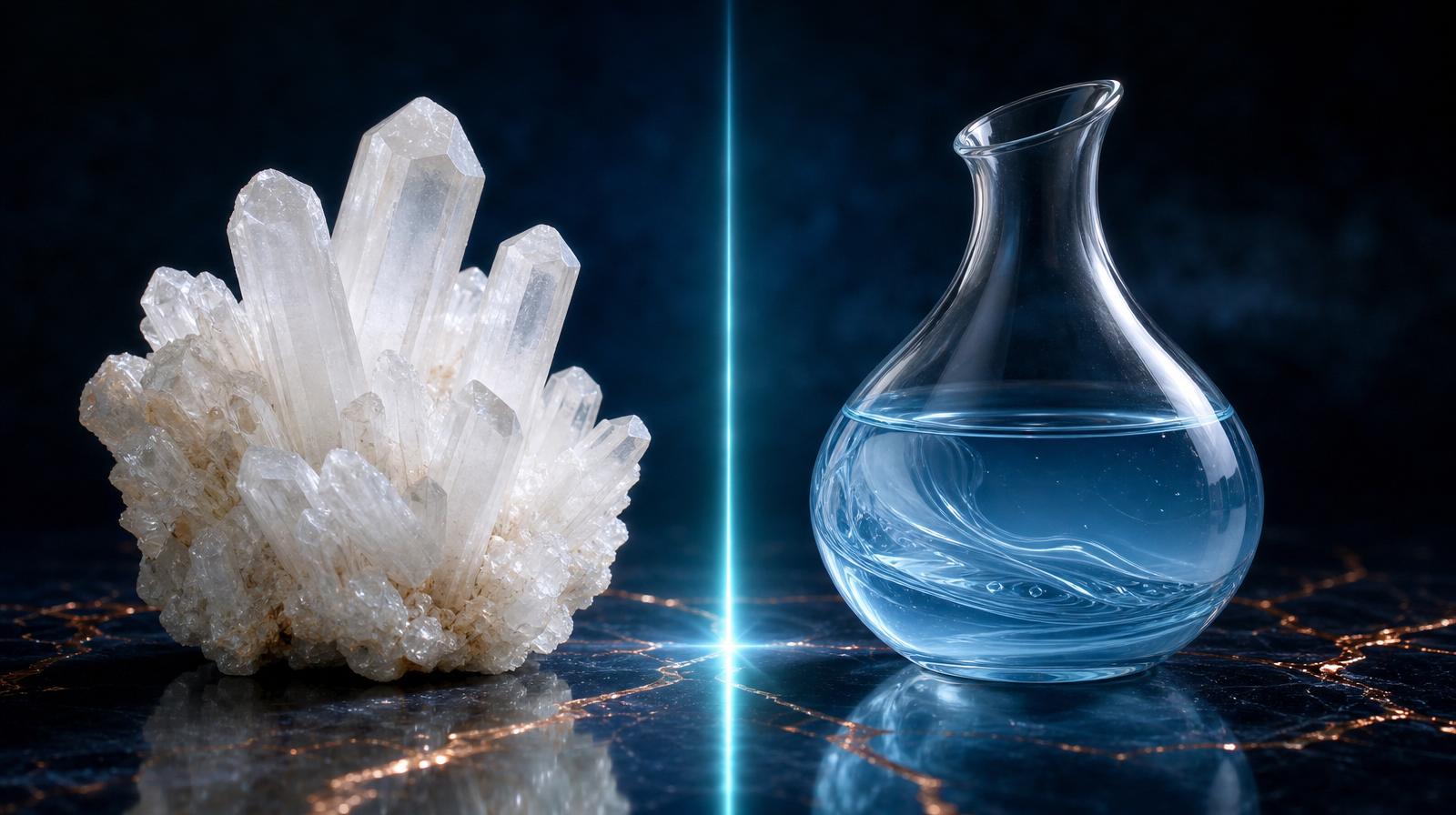
- Both ingredients aim at the same goal, better-mineralized enamel, but get there differently: fluoride hardens the surface into a more acid-resistant crystal, while hydroxyapatite deposits enamel's own mineral back into the surface.
- In recent randomized trials and two 2024 to 2025 meta-analyses, hydroxyapatite remineralized early enamel about as well as fluoride, with no statistically significant difference for caries control.
- Fluoride has decades of large-scale evidence behind it; hydroxyapatite's evidence is real but newer and smaller, so the two are comparable in trials but not equally proven over time.
- Hydroxyapatite is considered safe if swallowed, which makes it a popular fluoride-free pick for very young children who cannot spit reliably.
- For most adults it is not either-or: the right choice depends on your caries risk, your feelings about fluoride, and whether sensitivity is a factor.
Both support enamel. Fluoride makes the surface more acid-resistant and has the deepest evidence base; hydroxyapatite redeposits enamel's own mineral and, in recent trials, remineralized early lesions comparably. Choose fluoride for maximum-evidence caries control, or hydroxyapatite if you want a fluoride-free option, especially for young children.
Two different roads to stronger enamel
Enamel is mostly hydroxyapatite, a calcium-phosphate crystal, and it is constantly losing mineral to acid and regaining it from saliva. Fluoride and hydroxyapatite both tip that balance toward rebuilding, but not the same way. Fluoride works chemically: it swaps into the crystal surface to form fluorapatite, a slightly tougher mineral that dissolves less easily in acid, and it also speeds up the natural remineralization that saliva drives. It changes the tooth rather than adding to it. Hydroxyapatite works physically: the paste supplies microscopic particles of the same mineral enamel is made of, and those particles settle into the etched pits and micro-cracks on the surface, acting as seed material that helps the tooth pull calcium and phosphate back into place. One reinforces the existing surface; the other patches and re-mineralizes it. Because they attack demineralization from different angles, some newer products combine both, and a recent pediatric trial found that pairing worked well on active lesions.
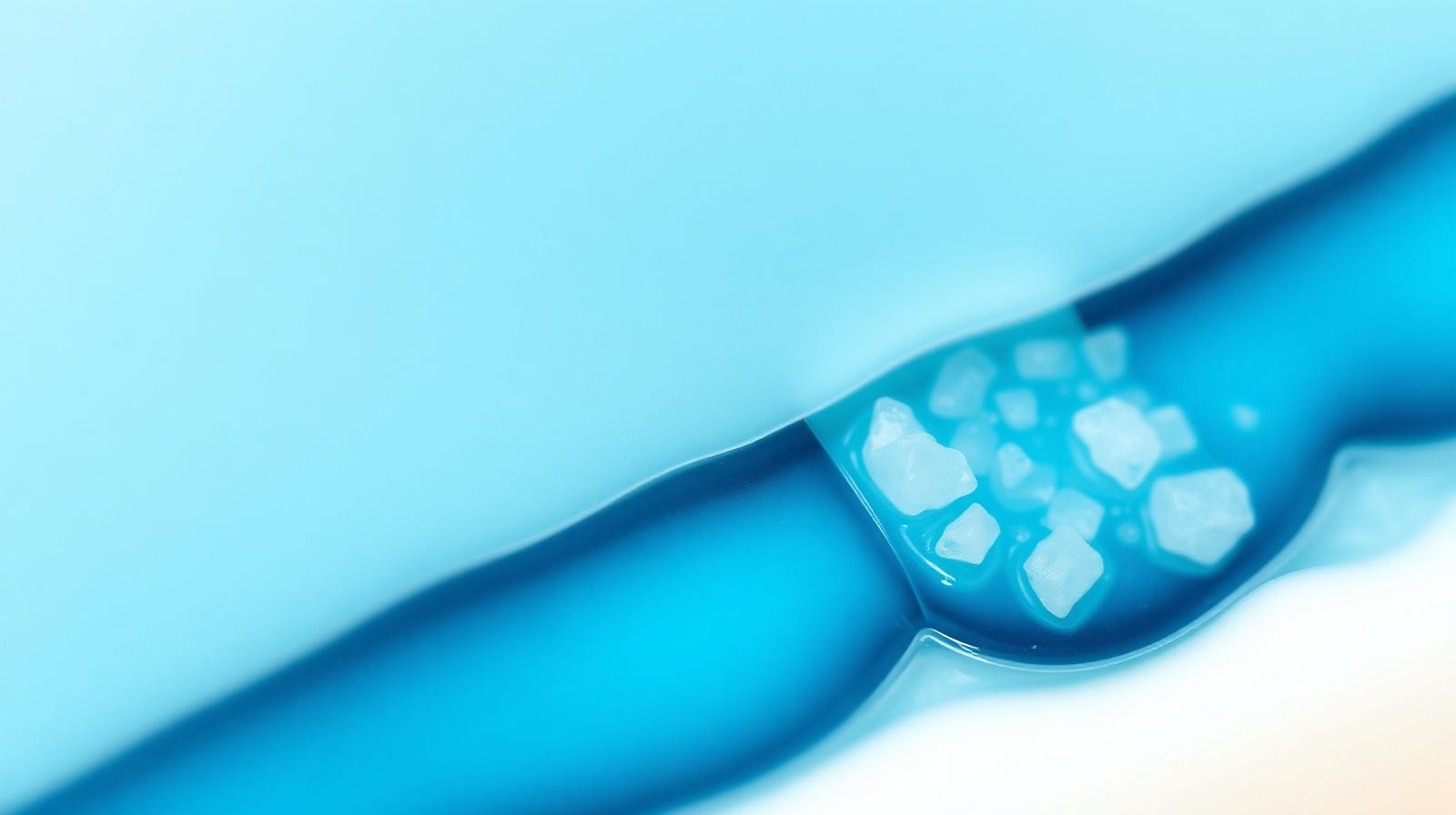
Fluoride toughens the enamel surface chemically; hydroxyapatite redeposits enamel's own mineral physically. Both aim at better-mineralized enamel.
What the head-to-head research shows
Every row maps to a named, peer-reviewed source in the Sources section. According to PubMed.
| Claim | Evidence | Source |
|---|---|---|
| Nano-hydroxyapatite remineralized early enamel about as well as an 1,100 ppm fluoride toothpaste, with no significant difference in mineral gain. | Randomized, double-blind, in situ crossover study in 30 adults. | Najibfard et al., J Clin Dent 2011 |
| A meta-analysis of randomized trials found hydroxyapatite performed non-inferiorly to fluoride and gave about 17% caries protection. | Systematic review and meta-analysis of RCTs. | Limeback et al., Can J Dent Hyg 2021 |
| An updated meta-analysis found hydroxyapatite comparable to fluoride for caries control (pooled odds ratio favoring hydroxyapatite, but not statistically significant). | Updated systematic review and meta-analysis; commentary summarizing pooled effect. | Gugnani & Gugnani, Evid Based Dent 2025 |
| Fluoride-free hydroxyapatite toothpaste showed no significant difference from fluoride toothpaste in preventing lesion progression or promoting remineralization. | Systematic review and meta-analysis of in situ randomized trials in people under 25. | Chatzidimitriou et al., J Dent 2025 |
| A hydroxyapatite-plus-fluoride toothpaste inactivated nearly three-quarters of active enamel lesions in children over two years, more than fluoride alone. | Triple-blind randomized clinical trial in 518 children completing follow-up. | Cocco et al., Int Dent J 2025 |
Hydroxyapatite versus fluoride, side by side
| Factor | Hydroxyapatite | Fluoride |
|---|---|---|
| How it works | Deposits enamel's own mineral into the surface | Forms a more acid-resistant surface crystal and speeds remineralization |
| Evidence for caries control | Comparable to fluoride in recent trials; smaller, newer base | Very large, decades of population and clinical data |
| Sensitivity relief | Reduced sensitivity in several RCTs | Some formulas help; often paired with other agents |
| Safety if swallowed | Considered safe if swallowed; popular for young children | Safe at recommended amounts; overuse in young children can mottle developing teeth |
| Best fit | Fluoride-free preference, young children, sensitivity | Maximum-evidence caries prevention, higher-risk mouths |
Where the two are not equal
It would be misleading to call these interchangeable. The honest gap is not in the trial results, which look similar, but in the depth of evidence. Fluoride has been studied for decades across huge populations, water-supply data, and countless clinical trials; hydroxyapatite has a much shorter track record, and many of its studies are in situ or short-term, some run by manufacturers. Comparable in a handful of trials is not the same as proven over generations. There are also cases where the choice tilts clearly. If you have high caries risk, a history of frequent cavities, or you wear braces, fluoride's larger evidence base is a sensible default. On the other side, if you are choosing a paste for a toddler who swallows toothpaste, hydroxyapatite's safety-if-swallowed profile is a genuine advantage. Neither ingredient, it is worth repeating, rebuilds a tooth that already has a hole; both only work on the earliest, still-intact stage of enamel softening.
Evidence you can act on.
Occasional emails — new research, new protocols, no noise.
How to choose between them
This is less about which ingredient wins and more about matching the paste to your mouth and preferences.
- 1
Weigh your caries risk
one-timeIf you get cavities often, wear orthodontic appliances, or have a dry mouth, lean toward fluoride's larger evidence base, or a combined hydroxyapatite-plus-fluoride paste. Low-risk, healthy mouths have more freedom to choose.
- 2
Factor in who is using it
one-timeFor very young children who cannot spit reliably, a hydroxyapatite paste is a reasonable fluoride-free option because it is considered safe if swallowed. For a fluoride paste, supervise brushing and use only a smear or pea-sized amount.
- 3
Commit and give it weeks
2 minutes, twice a dayWhichever you pick, the enamel benefit is cumulative. Brush twice daily, do not over-rinse, and judge sensitivity or comfort after about a month rather than a few days.
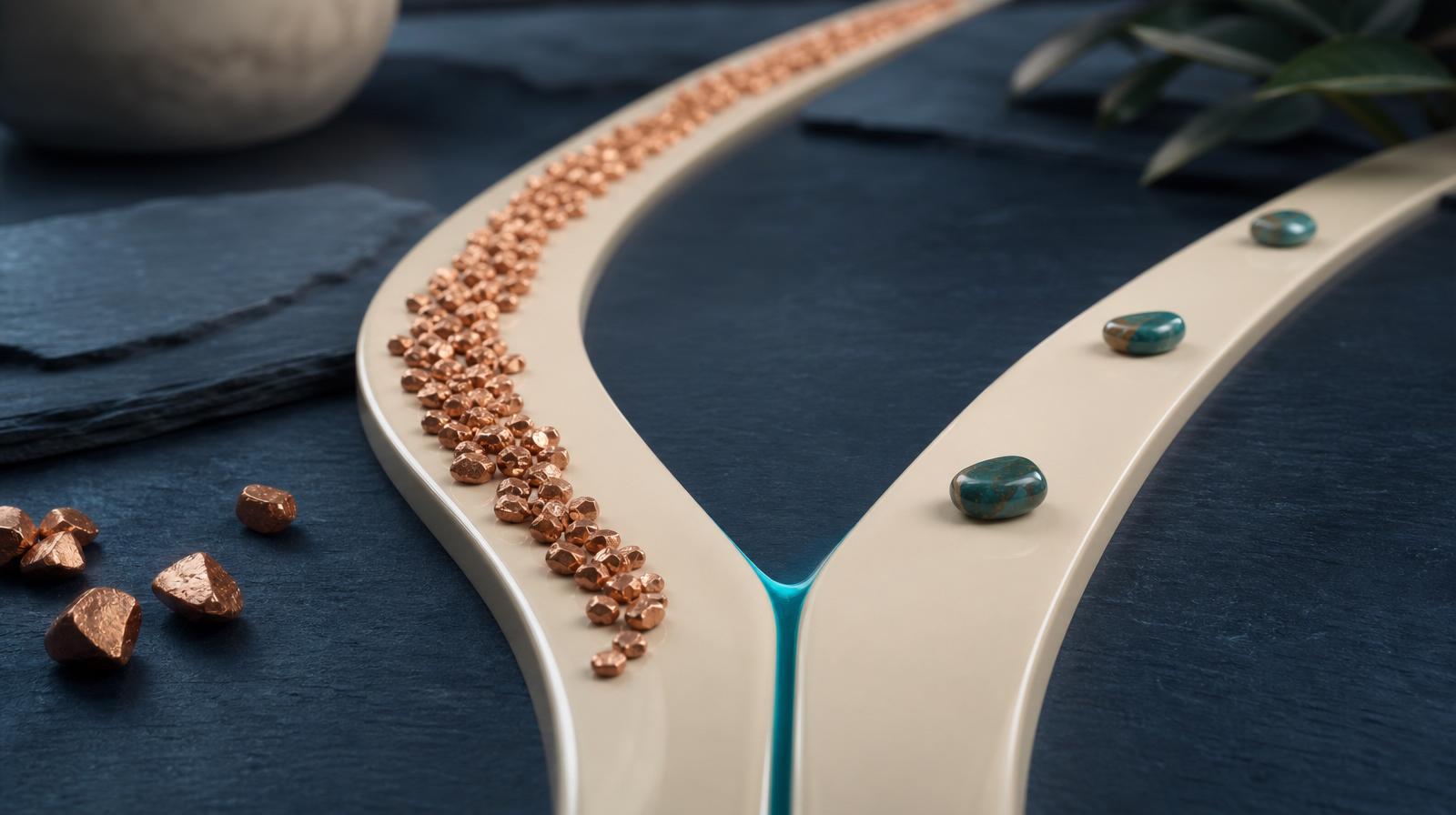
Choosing between the two comes down to caries risk, who is brushing, and how you weigh a long evidence record against a fluoride-free formula.
If you are unsure which fits your risk, or you already have cavities, sensitivity that lingers, or gum recession, a dentist can assess your enamel and personalize the recommendation. No toothpaste, fluoride or hydroxyapatite, treats an established cavity; that needs professional care.
Frequently asked questions
Sources
- 1.
- 2.
- 3.
- 4.
- 5.

Fix your breath at the source.
The complete science-backed protocol — engineered to eliminate volatile sulfur compounds at the biological source.
Start the Breath Protocol →Related reading
Educational purposes only. The content on this page is not medical advice and is not a substitute for consultation with a qualified dental or medical professional.
More from the library
 Guides8 min
Does Hydroxyapatite Toothpaste Work? What the Evidence Shows
The fluoride-free ingredient dentists keep debating, measured against the actual clinical trials.
Read →→ Best Of8 min
How to Choose the Best Hydroxyapatite Toothpaste
Skip the marketing and pick on the three things the research says actually matter.
Read →→ Answers8 min
Is Nano-Hydroxyapatite Toothpaste Safe?
The nanoparticle worry, answered by the actual toxicology reviews rather than the headlines.
Read →→ Answers8 min
How to Get Rid of White Spots on Teeth: Your Options, Ranked
An honest, evidence-based ladder of options, from what you can do at home to what only a dentist can fix.
Read →→ Ingredients8 min
Hydroxyapatite Toothpaste Benefits: What the Evidence Actually Supports
A calm, science-first look at what hydroxyapatite toothpaste can genuinely do for your enamel, and where the evidence stops.
Read →→ Answers8 min
Can You Rebuild Tooth Enamel? What Is Actually Possible
The honest split: what you can genuinely strengthen at home, and what only a dentist can restore.
Read →→