Best Sensodyne Toothpaste: How to Choose by Active Ingredient
The best Sensodyne is the one whose active ingredient matches your teeth: nerve-calming potassium nitrate, tubule-sealing stannous fluoride, or low-abrasion Pronamel for acid wear.
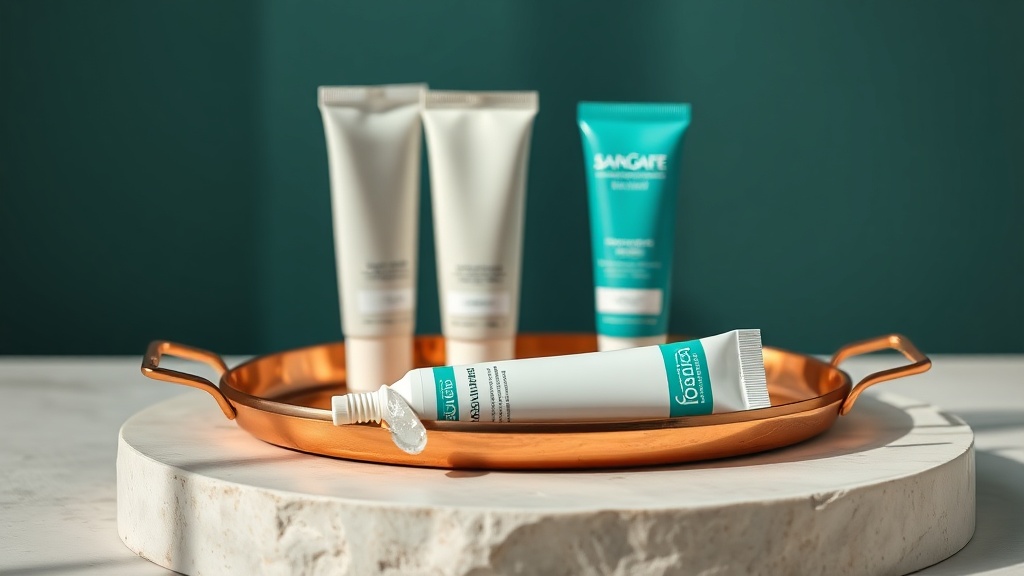
- "Best Sensodyne" is really a question of active ingredient: potassium nitrate calms the nerve, stannous fluoride physically seals the exposed dentine, and Pronamel is built around low-abrasion fluoride for acid-worn enamel.
- For classic cold-and-sweet twinges, a 5% potassium-nitrate paste such as Sensodyne Original is the traditional pick, but it needs a few weeks of twice-daily use to build up its effect.
- For faster, more physical relief, a stannous-fluoride paste (Rapid Relief or Repair & Protect) works by occluding the open tubules rather than by quieting the nerve.
- Pronamel is a different job entirely: a gentle, low-abrasion sodium-fluoride paste aimed at people whose main issue is acid erosion, not raw nerve sensitivity.
- No toothpaste fixes sensitivity from a cavity, crack or deeply exposed root. If one tooth is sharply sensitive or the ache lingers, that is a see-a-dentist signal, not a toothpaste one.
There is no single best Sensodyne; the right one depends on the active ingredient. Potassium-nitrate pastes calm the nerve for general cold-and-sweet sensitivity, stannous-fluoride pastes physically seal exposed tubules for faster relief, and Pronamel targets acid-worn enamel. Match the ingredient to your problem, and see a dentist if a single tooth is sharply sensitive.
The two ways a sensitive-teeth toothpaste can work
Everyday tooth sensitivity is usually explained by the hydrodynamic theory: when the softer dentine under your enamel becomes exposed at the gumline, thousands of microscopic tubules run from the surface toward the nerve. Cold, heat, sweet or air makes the fluid inside those tubules move, and that movement is what the nerve reads as a sharp twinge. A desensitising toothpaste can interrupt this in one of two ways. The first is to calm the nerve: potassium nitrate releases potassium ions that diffuse along the tubule and make the nerve ending less excitable, so it stops over-reacting to normal stimuli. This is a gradual, whole-mouth effect that builds with consistent use. The second is to block the plumbing: stannous fluoride and similar agents deposit mineral-rich particles that partly plug the open tubules, so stimuli can no longer push the fluid around. Both approaches sit on top of a fluoride base, which helps the surface enamel stay mineralised and acid-resistant. Sensodyne spreads these strategies across its range, which is why the tube you want depends on which mechanism suits your teeth.
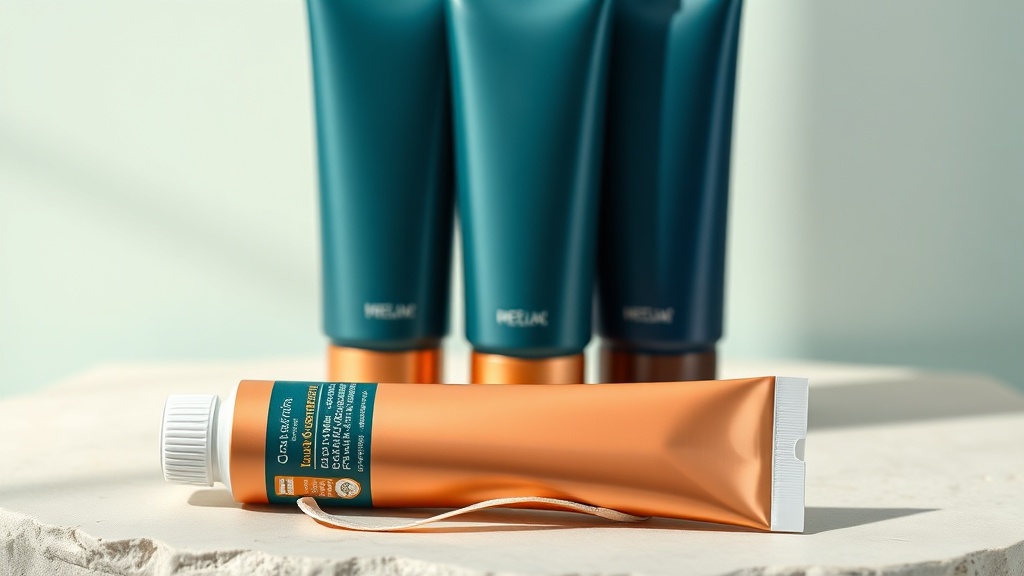
The active ingredient, not the brand name on the front, tells you whether a paste calms the nerve or seals the tubules.
What the research actually shows
Every claim below maps to a named, peer-reviewed source in the Sources section. According to PubMed.
| Claim | Evidence | Source |
|---|---|---|
| Pooling the usable trials, potassium-nitrate toothpaste significantly reduced air-blast and tactile sensitivity versus placebo (about a 1.5 standard-deviation improvement), although the reviewers judged the overall body of evidence not strong. | Cochrane systematic review and meta-analysis of potassium-nitrate toothpaste for dentine hypersensitivity. | Poulsen et al., Cochrane 2001 |
| A stannous-fluoride toothpaste produced dentine-tubule occlusion that survived an acid challenge in the mouth, supporting the tubule-sealing mechanism for relief. | Single-centre randomised in-situ crossover study with scanning electron microscopy. | West et al., J Dent 2018 |
| Stannous-fluoride dentifrices increased the degree of dentinal tubule occlusion on treated dentine discs compared with a water control. | Laboratory scanning-electron-microscopy occlusion study. | Takamizawa et al., J Oral Sci 2019 |
| Enamel remineralised in the presence of fluoride is more acid-resistant than the original mineral, which is why every effective sensitivity paste still carries fluoride. | Review of the mechanisms of action of fluoride. | Buzalaf et al., Monogr Oral Sci 2011 |
Sensodyne toothpastes by active ingredient
| Variant (by active) | Active ingredient | Best for | What to know |
|---|---|---|---|
| Sensodyne Original / Extra Fresh | 5% potassium nitrate + fluoride | General cold and sweet sensitivity | Nerve-calming; give it about two weeks of twice-daily use |
| Sensodyne Rapid Relief | Stannous fluoride | Wanting faster, targeted relief | Occludes tubules; can be rubbed onto the tender spot |
| Sensodyne Repair & Protect | Stannous fluoride | Ongoing daily protection | Builds an occluding layer over repeated use |
| Pronamel | Sodium fluoride, low-abrasion | Acid erosion and softened enamel | Not primarily a nerve product; gentle, low-abrasion formula |
| Sensodyne whitening lines | Potassium nitrate + fluoride | Adding gentle whitening | Prefer lower-abrasion options if teeth are already sensitive |
Why the strongest paste is not the goal
It is tempting to reach for whatever promises the most dramatic result, but with sensitivity the strongest-sounding product is often the wrong move. A great deal of everyday sensitivity comes from dentine exposed at the gumline by years of over-vigorous, side-to-side brushing with a firm brush. In the laboratory, sustained heavy brushing can carve wedge-shaped notches into the tooth near the gum, exactly where sensitivity tends to live. Piling on a harsh, high-abrasion whitening paste on top of that can scrub away more of the softened surface and make the problem worse, not better. That is the logic behind Sensodyne keeping most of its range low in abrasion, and behind Pronamel being deliberately gentle. The most reliable improvement usually comes from pairing the right active ingredient with better technique: a soft-bristled brush, light pressure, and easing off acidic drinks. And there is a hard limit to what any tube can do. If one specific tooth is sharply sensitive, if the ache lingers long after the trigger is gone, or if you can see a hole or a dark line, that points to a cavity, crack or exposed root that needs a dentist rather than a different toothpaste.
Evidence you can act on.
Occasional emails — new research, new protocols, no noise.
How to choose and use your Sensodyne
Pick by the pattern of your sensitivity, then use the paste in the way that lets its ingredient work.
- 1
Identify your pattern
onceIs the sensitivity spread across many teeth and set off by cold or sweet, or is it one tooth that jumps at everything? Widespread cold-and-sweet sensitivity is the classic target for these pastes; a single sharp tooth is a dentist question.
- 2
Match the active ingredient
onceFor general nerve-type sensitivity, start with a potassium-nitrate paste. If you want a more physical, faster-feeling seal, choose a stannous-fluoride option. If your real issue is acid wear rather than nerve pain, Pronamel is the better fit.
- 3
Use it twice a day and be patient
dailyNerve-calming pastes in particular need consistent twice-daily use for two to four weeks before you judge them. Stopping too early is the most common reason people decide a paste did not work.
- 4
Smear, do not rinse away
dailyAfter brushing, spit but do not rinse with water, so a thin layer of paste stays on the teeth. For a stubborn spot you can rub a little paste directly onto it with a clean fingertip and leave it.
- 5
Fix the cause, not just the symptom
ongoingSwitch to a soft brush, lighten your pressure, and give acidic drinks less contact time. The toothpaste treats the sensitivity; your technique decides whether it keeps coming back.
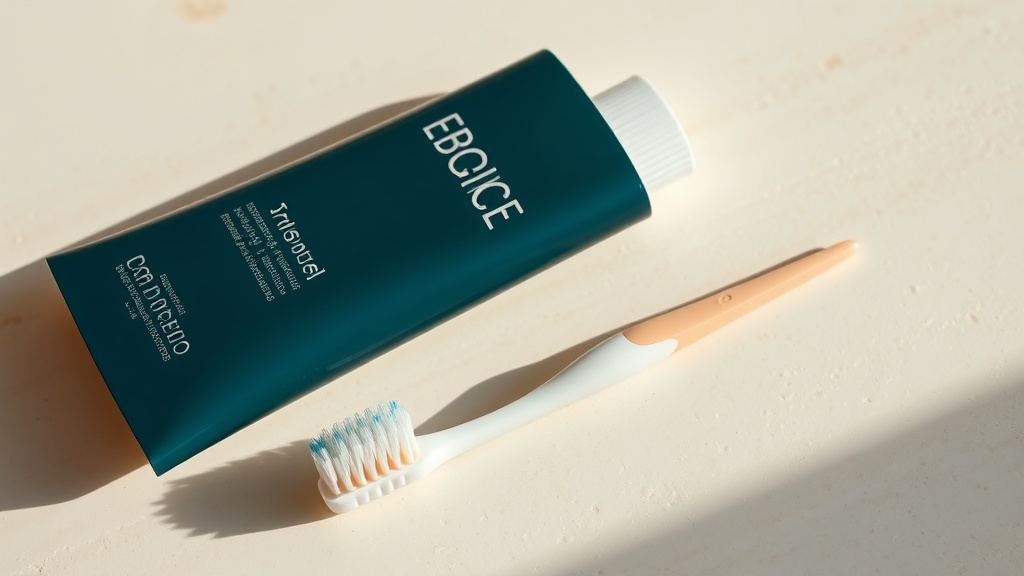
A soft brush and light pressure protect the gumline the paste is trying to soothe.
If sensitivity is concentrated in one tooth, lingers after the trigger is gone, wakes you at night, or comes with visible damage, swelling or a dark line, see a dentist rather than switching pastes. Those patterns suggest a cavity, crack or exposed root that a toothpaste cannot reach, and a dentist can seal the tubules professionally or treat the underlying cause.
Frequently asked questions
Sources
- 1.
- 2.
- 3.
- 4.
- 5.
- 6.
- 7.

Fix your breath at the source.
The complete science-backed protocol — engineered to eliminate volatile sulfur compounds at the biological source.
Start the Breath Protocol →Related reading
Educational purposes only. The content on this page is not medical advice and is not a substitute for consultation with a qualified dental or medical professional.
More from the library
 Comparisons8 min
Pronamel vs Sensodyne: Two Different Jobs, Honestly Compared
Pronamel and Sensodyne are not rivals but two tools: low-abrasion fluoride for acid-worn enamel versus potassium nitrate for nerve sensitivity. Match the paste to your actual problem.
Read →→ Best Of8 min
Best Mouthwash for Sensitive Teeth: An Honest, Ingredient-First Guide
The best sensitive-teeth mouthwash is an alcohol-free fluoride or arginine rinse used as a daily top-up over a desensitising toothpaste, chosen for its active ingredient rather than its sting.
Read →→ Ingredients8 min
How Fluoride Toothpaste Remineralizes Teeth
The chemistry behind fluoride's remineralizing power, and the honest line between the early lesions it can rebuild and the cavities it cannot.
Read →→ Reviews8 min
PreviDent 5000 Review: Prescription-Strength Fluoride, Honestly Assessed
PreviDent 5000 sits at the strong end of the fluoride dose-response curve, which is exactly why it is prescription-only rather than a general upgrade.
Read →→ Answers8 min
How to Get Rid of White Spots on Teeth: Your Options, Ranked
An honest, evidence-based ladder of options, from what you can do at home to what only a dentist can fix.
Read →→ Ingredients8 min
Hydroxyapatite Toothpaste Benefits: What the Evidence Actually Supports
A calm, science-first look at what hydroxyapatite toothpaste can genuinely do for your enamel, and where the evidence stops.
Read →→