
How to Get Rid of White Tongue
The honest, science-based way to clear the soft coating behind a white tongue — and how to tell simple biofilm from a patch that needs a professional.
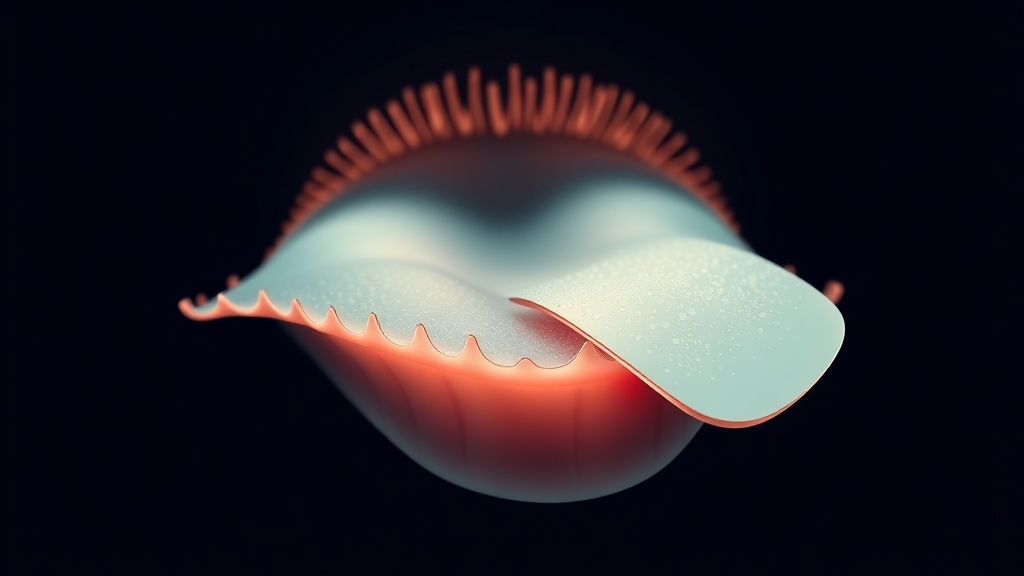
- A white tongue is almost always a soft coating — a biofilm of dead cells, food debris, mucus and bacteria that builds up between the tiny papillae on the top of the tongue.
- It is extremely common and usually harmless: the coating is thickest toward the back of the tongue, where saliva and the daily scrape of food reach the least.
- The most effective way to clear it is gentle mechanical removal — a tongue scraper lifts more of the coating than brushing alone, and it is the single highest-yield thing you can do for a fresher-feeling mouth.
- A coating that scrapes away is normal biofilm; a white patch that will not wipe off, or one that comes with soreness, is different and should be looked at by a dentist or doctor.
- You are managing an ecosystem, not scrubbing a stain: the goal is to keep the coating thin and the tongue's bacterial balance healthy, never to sterilise your tongue.
A white tongue is a soft coating of debris and bacteria that collects between the papillae on the tongue's surface. Clear it by gently scraping the tongue from back to front once or twice a day, staying hydrated, and keeping your overall oral hygiene up. If a white patch will not scrape off or comes with soreness, see a professional.
What a white tongue actually is
The top of your tongue is not smooth. It is carpeted with thousands of tiny projections called papillae, and the gaps between them are perfect shelter for the everyday traffic of the mouth: shed skin cells, food particles, mucus that drains from the back of the nose, and the large community of bacteria that live on all of it. When that mixture is not cleared, it settles and thickens into a pale film — the coating you see as a white tongue. It is best understood not as a stain but as a biofilm: an organised, living layer of microbes held in a sticky matrix, the same kind of structure that forms dental plaque on teeth. The coating is usually heaviest toward the back of the tongue, the area saliva flushes least and food rarely scrapes, which is why that region looks whitest. Culture-independent studies of the tongue surface show that a healthy tongue is dominated by friendly species such as Streptococcus salivarius, while a heavier, odour-linked coating shifts toward sulfur-producing bacteria. So the white you see is mostly a question of how much biofilm has been allowed to accumulate — and how balanced that community has become.
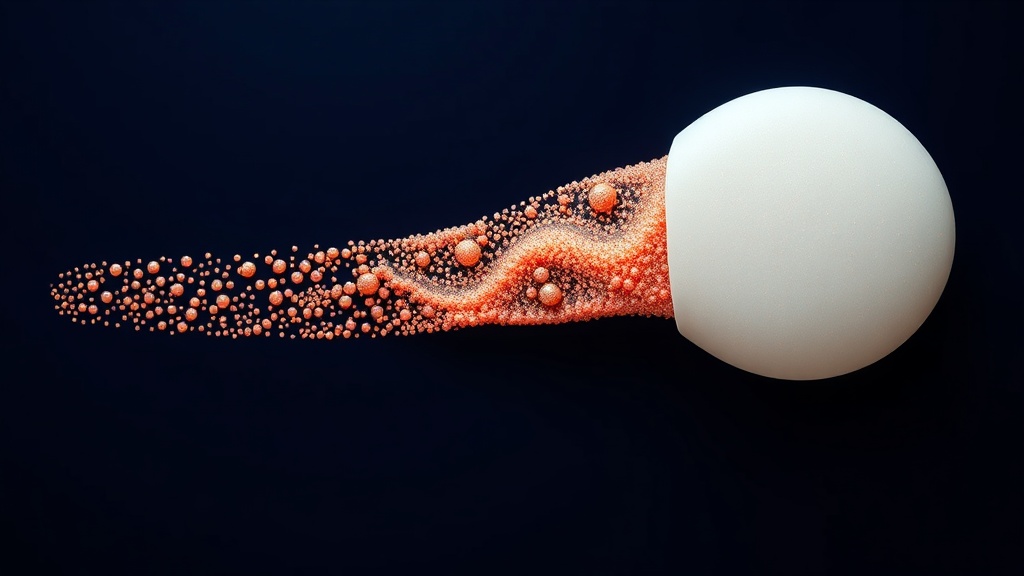
A white tongue builds in stages: debris and mucus settle into the grooves between the papillae, and a living biofilm thickens into a pale coating.
What the research actually shows
Every claim below maps to a named, peer-reviewed source in the Sources section. According to PubMed.
| Claim | Evidence | Source |
|---|---|---|
| Mechanical tongue scraping removes more of the tongue's coating and its odour-producing load than brushing the tongue alone. | Cochrane systematic review of tongue-cleaning trials. | Outhouse et al., 2006 |
| A healthy tongue surface is dominated by Streptococcus salivarius, whereas a coated, halitosis-linked tongue shifts toward sulfur-producing species. | 16S rRNA molecular profiling of tongue-dorsum bacteria. | Kazor et al., 2003 |
| Cleaning the tongue is a recognised first-line measure for oral malodour, though the benefit is modest and needs to be repeated. | Cochrane review of interventions for managing halitosis. | Kumbargere Nagraj et al., 2019 |
| The large majority of mouth odour arises inside the mouth, with the tongue coating one of the principal reservoirs. | Clinical review of halitosis. | Scully & Porter, 2008 |
| A visible coating reflects the balance of the tongue's biofilm; the sensible aim is a healthy ecology, not a sterile surface. | Ecological review of the oral microbiome. | Marsh, 2018 |
Reading your own tongue
| What you see | What it usually means | What to do |
|---|---|---|
| A thin white film that scrapes away | Normal daily biofilm and debris | Scrape gently; nothing to worry about |
| A thick white coating at the back | Debris building up where saliva reaches least | Scrape a little further back; hydrate; keep hygiene up |
| Coating worse in the morning | Reduced saliva overnight lets the biofilm sit | Morning scrape; sip water; breathe through the nose at night |
| A white patch that will NOT wipe off | Something other than simple coating | See a dentist or doctor to check |
| White coating with soreness or burning | Possible irritation or another cause | Have it assessed in person |
Why scraping beats brushing — and why it returns
If you have tried to brush a white tongue clean and found it barely changed, that is not a failure of effort — it is a mismatch of tool to job. A toothbrush is designed to skim a hard, flat enamel surface; the tongue is soft and textured, so bristles glide over the tops of the papillae and press the coating down into the grooves rather than lifting it out. A scraper works differently: a single smooth edge drawn across the surface catches the film and pulls it off in one pass. In head-to-head testing, mechanical scraping cleared measurably more of the coating and its odour than brushing the tongue. The catch is that the coating comes back, because it is not a one-time mess but a living biofilm that constantly re-forms from the normal traffic of the mouth. That is why a white tongue responds to a light daily habit far better than to an occasional deep scrub — you are keeping the biofilm thin, not defeating it once. Balance, not sterility, is the realistic and healthier target, because a tongue stripped bare simply grows its coating straight back.
Evidence you can act on.
Occasional emails — new research, new protocols, no noise.
How to clear a white tongue
You cannot stop your tongue from forming a coating — that is normal biology — but you can keep it thin and fresh with a few gentle habits. None of this treats a disease; it simply keeps the surface clean and the biofilm in balance.
- 1
Scrape from back to front
20-30 seconds dailyA tongue scraper is the highest-yield tool. Place it as far back as is comfortable without gagging, press lightly, and draw it forward in one smooth stroke. Rinse the scraper and repeat a few times, covering the centre and both sides. Keep the pressure gentle — you are lifting a film, not sanding the surface, and hard scraping can irritate the tongue.
- 2
Reach the back, where the coating lives
part of each scrapeThe heaviest coating sits toward the rear of the tongue, the zone saliva flushes least. Most people stop too far forward and leave the thickest part untouched. Edge the scraper back a little further each day as your gag reflex settles, and you will notice a real difference in freshness.
- 3
Protect your saliva
all daySaliva is the tongue's natural rinse, so a dry mouth lets the coating build — which is why it is usually worst on waking. Sip water through the day, especially after coffee or alcohol, and breathe through your nose where you can so your mouth does not dry out overnight.
- 4
Keep overall hygiene up
twice dailyThorough brushing, cleaning between the teeth, and an alcohol-free rinse lower the general bacterial load that feeds the tongue coating. Be honest about the limit: this supports the whole mouth but does not replace scraping, because a brush and rinse do not clear the tongue's grooves.
- 5
Be gentle and consistent, not aggressive
ongoingA light daily pass beats an occasional hard scrub. Aggressive scraping, sharp or improvised tools, or scrubbing until it hurts can damage the surface and make things worse. If the coating is stubborn, add a second gentle session rather than more force.

Drawing a scraper gently from back to front lifts the soft coating in a single pass — the part of the tongue a brush tends to miss.
Most white tongue is simple coating and clears with gentle scraping and hydration. See a dentist or doctor if a white area will not wipe or scrape off, if it is a fixed patch rather than a film, if it comes with soreness, burning, pain or difficulty eating, or if it persists beyond two weeks despite good tongue care. A coating that behaves differently from the rest — one that stays put — should always be assessed in person rather than self-treated, so any other cause can be checked.
Frequently asked questions
Sources
- 1.
- 2.
- 3.
- 4.
- 5.

Fix your breath at the source.
The complete science-backed protocol — engineered to eliminate volatile sulfur compounds at the biological source.
Start the Breath Protocol →Related reading
Educational purposes only. The content on this page is not medical advice and is not a substitute for consultation with a qualified dental or medical professional.
More from the library
 Guides8 min
The Best Way to Clean Your Tongue for Fresh Breath
Most bad breath starts on the back of the tongue — here is the gentle, evidence-based way to clean it for fresher breath.
Read →→ Answers6 min
How Often Should You Scrape Your Tongue?
Once a day? Twice? After every meal? Here is what the research on tongue cleaning actually supports — and why frequency matters less than consistency.
Read →→ Best Of7 min
Copper Tongue Scraper Benefits: What the Evidence Supports
Copper scrapers are having a moment — but which benefits are backed by research and which are marketing? Here is the honest, evidence-based breakdown.
Read →→ Comparisons9 min
Plaque vs Tartar: What's the Difference, Really?
The honest, science-based difference between the soft biofilm you can clear yourself and the calcified deposit that needs a professional.
Read →→ Guides8 min
How to Get Rid of Bad Breath Permanently: An Evidence-Based Plan
The honest version: "permanently" means ongoing control, not a one-time fix. Here is the daily routine the research actually supports, and when to get help.
Read →→ Guides7 min
Bad Breath Even After Brushing? The Biological Reason (and Fix)
You brushed, flossed and rinsed — and the smell is still there. The reason usually isn't hygiene; it's where the odour-causing bacteria actually live.
Read →→