
Is Nano-Hydroxyapatite Toothpaste Safe?
The nanoparticle worry, answered by the actual toxicology reviews rather than the headlines.
- Nano-hydroxyapatite is the same calcium-phosphate mineral that makes up about 97% of tooth enamel, not a foreign chemical, which is central to why safety reviews consider it low-risk.
- A 2019 laboratory study found a commercial nano-hydroxyapatite cytocompatible with human gum cells and non-irritating at levels used in oral care.
- A 2018 toxicology review concluded there is no risk from swallowing calcium-phosphate nanoparticles, because they dissolve rapidly in stomach acid.
- The main open question historically came from a European advisory committee that flagged a lack of data on rod-shaped nanoparticles; later studies found particle shape did not change the biological response.
- For everyday brushing and rinsing, the evidence points to a strong safety profile, though people are wise to avoid inhaling loose powders and to follow normal use directions.
By the current evidence, yes. Nano-hydroxyapatite is enamel's own mineral, and safety reviews find it cytocompatible, non-irritating, and safe if swallowed because it dissolves in stomach acid. Regulatory caution focused on data gaps, not proven harm, and later studies found particle shape did not change the biological response.
Why the material itself is reassuring
The word nanoparticle understandably raises eyebrows, so it helps to start with what the material actually is. Hydroxyapatite is a calcium-phosphate mineral, and it is not exotic to the body: it is the main building block of tooth enamel, where it accounts for roughly 97% of the weight, and it is also a major mineral in bone. A nano-hydroxyapatite toothpaste is, in effect, delivering a very fine form of the same substance your teeth are already made of. That biological familiarity is why toxicology work has repeatedly found it well tolerated. In the mouth, the particles are meant to settle onto the enamel surface and integrate into it, and any amount that is swallowed meets stomach acid, which dissolves calcium phosphate quickly into the same calcium and phosphate ions the body handles routinely from food. This is quite different from an inert, non-degradable nanoparticle that might persist in tissue. The safety conversation, then, is less about whether the substance is toxic, the reviews say it is not at these doses, and more about being thoughtful with any fine powder and using products as directed.
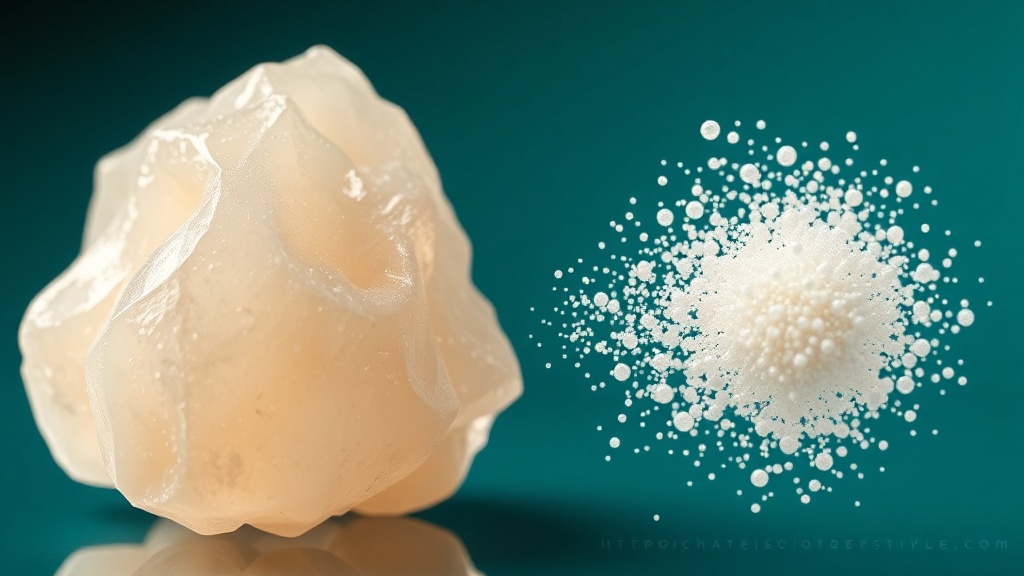
Nano-hydroxyapatite delivers a fine form of the same mineral teeth are made of, which is central to its favorable safety profile.
What the safety research shows
Every row maps to a named, peer-reviewed source in the Sources section. According to PubMed.
| Claim | Evidence | Source |
|---|---|---|
| A commercial nano-hydroxyapatite was highly cytocompatible with human gum fibroblasts and showed no irritation potential at oral-care levels. | Laboratory characterization and cytotoxicity study simulating tooth-brushing exposure. | Coelho et al., Sci Rep 2019 |
| There is no risk from oral uptake of calcium-phosphate nanoparticles because they dissolve rapidly in the stomach; risk from mucosal uptake is very low. | Comprehensive toxicology review of nanoscopic calcium phosphate. | Epple, Acta Biomater 2018 |
| There was no indication that particle shape (spherical or rod-like) meaningfully changed the biological response. | Same toxicology review, addressing the shape concern directly. | Epple, Acta Biomater 2018 |
| Recent systematic-review authors describe hydroxyapatite as considered safe if swallowed, supporting its use in toothpaste for young children. | Updated systematic review and meta-analysis of hydroxyapatite oral care. | Pawinska et al., J Dent 2024 |
| In a randomized clinical trial, nano-hydroxyapatite toothpaste use produced no registered adverse effects over the study period. | Randomized clinical trial in adults using hydroxyapatite toothpastes. | Polyakova et al., J Int Soc Prev Community Dent 2022 |
Where the safety questions come from, and where they land
| Concern | What was raised | What the evidence now suggests |
|---|---|---|
| Nanoparticle toxicity | General worry about fine particles in cells | Cytocompatible with gum cells; no irritation at oral-care levels |
| Swallowing the paste | Risk from ingestion, especially in children | Dissolves in stomach acid; reviews consider it safe if swallowed |
| Particle shape | A European committee flagged missing data on rod-shaped particles | Later review found shape did not meaningfully change the response |
| Inhaling powder | Possible risk from breathing in loose particles | Reviews note prolonged high-dose inhalation as the main caveat; avoid inhaling powders |
The regulatory backstory, told honestly
Much of the online worry traces to a European advisory body, the Scientific Committee on Consumer Safety, which some years ago said there was not yet enough data to conclude that certain nano-hydroxyapatite forms, particularly rod-shaped particles, were safe in cosmetics. It is important to read that carefully: a call for more data is not a finding of harm. Researchers took the question seriously and studied it, and the subsequent work is reassuring, one laboratory study specifically set out to address the committee's concerns and found the nanoparticles cytocompatible and non-irritating, while a broad toxicology review concluded shape did not meaningfully change the biological response and that oral exposure poses essentially no risk because the material dissolves in the stomach. None of this means anyone should be careless. Sensible habits still apply: use toothpaste as directed rather than eating it, keep any loose powder forms away from being inhaled, and, as with any product, stop and ask a professional if you notice an unusual reaction. But the trajectory of the evidence has moved from an open question toward a favorable safety picture, not the reverse.
Evidence you can act on.
Occasional emails — new research, new protocols, no noise.
Using it safely and sensibly
The evidence supports normal use; a few simple habits keep it that way.
- 1
Use a pea-sized amount as directed
2 minutes, twice a dayBrush normally and spit out the excess. Because the mineral is considered safe if swallowed, small accidental amounts are not a concern, but there is no reason to use more than directed.
- 2
Supervise young children
each brushingFor children who cannot spit reliably, a fluoride-free hydroxyapatite paste is a reasonable choice; still use an age-appropriate smear and supervise so brushing stays a small, controlled amount.
- 3
Avoid inhaling loose powder forms
when applicableIf you use a powder rather than a paste, handle it so you are not breathing in a cloud of particles, the one caveat toxicology reviews emphasize is prolonged high-dose inhalation. Pastes do not carry this concern.
Hydroxyapatite oral-care products are used widely, and the toxicology evidence has moved toward a favorable safety picture for normal use.
If you notice gum irritation, an allergic-type reaction, or any unexpected symptom after using a new toothpaste, stop and check with a dentist or doctor. And if you are choosing products for a child or you have specific medical concerns, a professional can help you weigh options for your situation.
Frequently asked questions
Sources
- 1.
- 2.
- 3.
- 4.

Fix your breath at the source.
The complete science-backed protocol — engineered to eliminate volatile sulfur compounds at the biological source.
Start the Breath Protocol →Related reading
Educational purposes only. The content on this page is not medical advice and is not a substitute for consultation with a qualified dental or medical professional.
More from the library
 Guides8 min
Does Hydroxyapatite Toothpaste Work? What the Evidence Shows
The fluoride-free ingredient dentists keep debating, measured against the actual clinical trials.
Read →→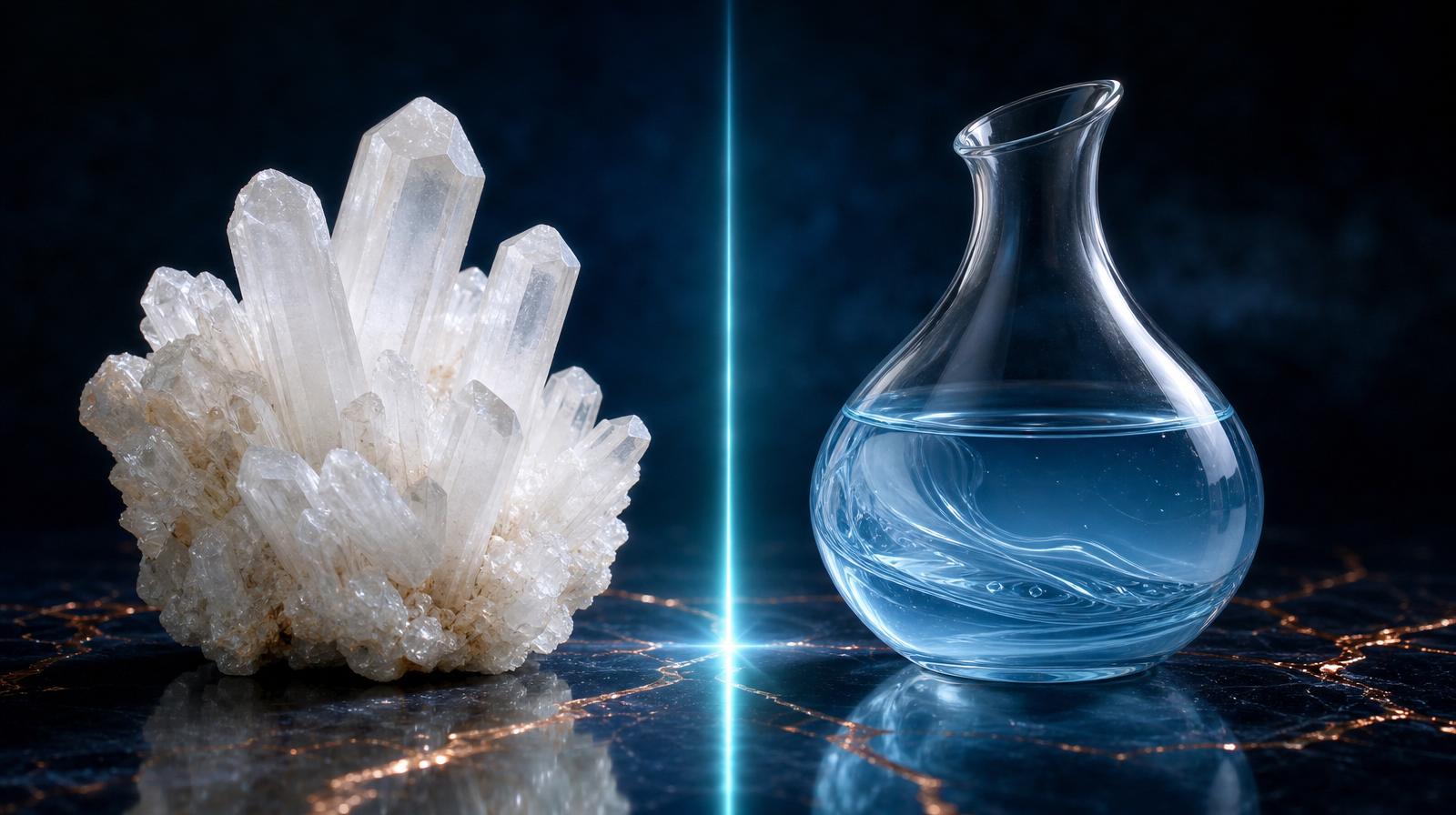 Comparisons8 min
Hydroxyapatite vs Fluoride: Which Toothpaste Is Right for You?
Two ways to strengthen enamel, one big difference in how much evidence stands behind each.
Read →→ Best Of8 min
How to Choose the Best Hydroxyapatite Toothpaste
Skip the marketing and pick on the three things the research says actually matter.
Read →→ Answers8 min
How to Get Rid of White Spots on Teeth: Your Options, Ranked
An honest, evidence-based ladder of options, from what you can do at home to what only a dentist can fix.
Read →→ Ingredients8 min
Hydroxyapatite Toothpaste Benefits: What the Evidence Actually Supports
A calm, science-first look at what hydroxyapatite toothpaste can genuinely do for your enamel, and where the evidence stops.
Read →→ Answers8 min
Can You Rebuild Tooth Enamel? What Is Actually Possible
The honest split: what you can genuinely strengthen at home, and what only a dentist can restore.
Read →→