Can You Rebuild Tooth Enamel? What Is Actually Possible
The honest split: what you can genuinely strengthen at home, and what only a dentist can restore.
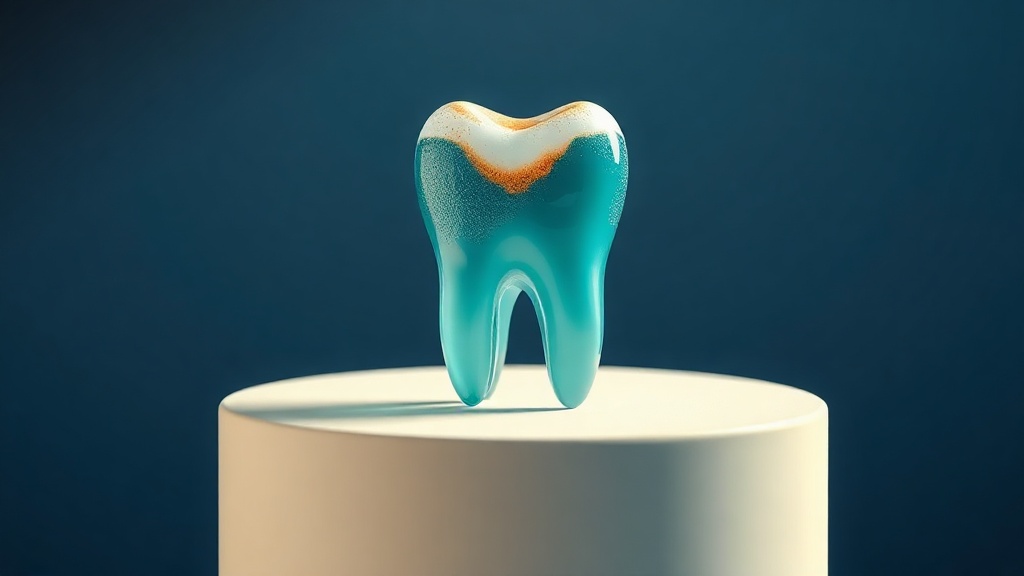
- You cannot rebuild lost enamel at home. Enamel has no living cells, so once it is physically gone it does not grow back on its own.
- You CAN remineralize the softened surface of early enamel — re-hardening a chalky white spot and making it more acid-resistant with fluoride or nano-hydroxyapatite.
- The dividing line is cavitation: an intact but softened surface can re-harden; a broken surface, a hole, or exposed dentin cannot, and needs a dentist.
- Interestingly, fluoride-remineralized enamel is often MORE acid-resistant than the original mineral it replaced — so "stronger than before" is possible at the surface, even though rebuilding structure is not.
- When enamel is genuinely lost, a dentist restores the tooth with bonding, a filling, or a crown — that is restoration, not regrowth, and it is the right answer for real damage.
Partly. You can remineralize the softened surface of early enamel — re-hardening a white spot before it becomes a hole — using fluoride or nano-hydroxyapatite and saliva. But you cannot rebuild enamel that is already lost: enamel is acellular and cannot regenerate. Real, cavitated damage is restored by a dentist, not regrown at home.
Why enamel cannot rebuild itself
Bone can heal because it is living tissue full of cells that lay down new material. Enamel is different. It is about 96% mineral by weight, and after a tooth erupts it contains no living cells at all — the cells that built it in the first place are gone for good. That is the whole reason "rebuild" is the wrong word. There is no biological machinery left inside enamel to manufacture more of itself, so lost enamel does not regenerate the way a cut or a broken bone does. What enamel CAN do is exchange minerals with your saliva at its surface. When acid dissolves calcium and phosphate out of the outer crystal layer, that same layer can take minerals back in if it is still structurally intact. This is a physical-chemical process — crystals re-growing from dissolved minerals — not a biological one, and it only reaches the surface. So the honest picture is a narrow but real window: you can re-harden softened surface enamel, but you cannot conjure back a layer that has already broken away.
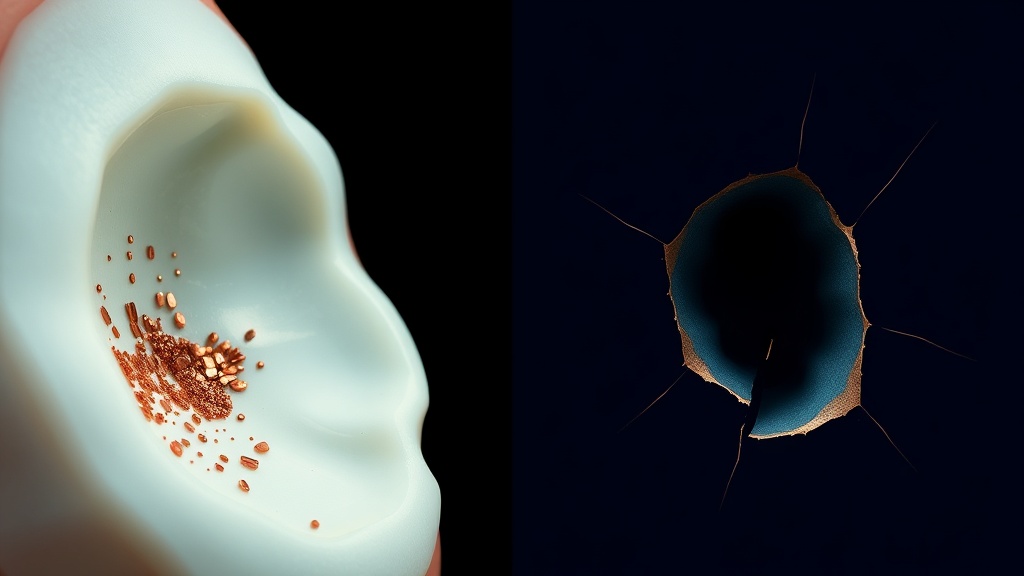
Softened-but-intact enamel can re-harden from saliva and toothpaste; enamel that has broken away cannot, and is the dentist's job to restore.
What the research actually shows
Every claim below maps to a named, peer-reviewed source in the Sources section. According to PubMed.
| Claim | Evidence | Source |
|---|---|---|
| Mature enamel is acellular with no cells to regenerate lost structure; the only non-invasive route is physicochemical re-growth of crystals from calcium and phosphate. | Review of enamel biomineralization and repair. | Grohe & Mittler, 2021 |
| Once enamel cavitates, it cannot repair itself — the developed enamel does not remineralize back to sound tooth. | Materials-science review of enamel repair. | Liu et al., 2022 |
| Enamel is ~96% mineral, but its toughness comes from a small protein phase — so remineralization rebuilds surface mineral, not enamel structure. | Study of enamel mechanical properties. | He & Swain, 2008 |
| Enamel-mineral loss can be prevented, arrested, or reversed by protective factors in saliva — but the "reversal" is of the early demineralization process, not of a cavity. | Landmark review of the caries balance. | Featherstone, 1999 |
| Enamel remineralized with trace fluoride is more acid-resistant than the original mineral it replaced. | Review of fluoride mechanisms. | Buzalaf et al., 2011 |
What you can and cannot do
| Situation | Can it be rebuilt or repaired? | Who handles it |
|---|---|---|
| Early softened surface / chalky white spot | Re-hardened by remineralization | You, with fluoride or n-HA and saliva |
| Enamel worn thin but surface still intact | Surface strengthened, not thickness restored | You, plus a dentist to find the cause |
| A hole or cavity (cavitation) | No — cannot regrow | Dentist: filling or bonding |
| Chipped or fractured enamel | No — cannot regrow | Dentist: bonding, veneer or crown |
| Exposed dentin at the gum line | Enamel does not return; symptoms managed | Dentist, plus sensitivity care |
The good news hidden in the honest answer
"You cannot rebuild it" sounds bleak, but the fuller picture is genuinely encouraging. First, the surface layer that you CAN influence is the layer that matters most day to day, because that is where every acid attack lands first. Keep it re-mineralized and you slow or stop early damage from ever becoming a hole. Second, remineralized enamel is not merely patched — when fluoride is involved, the new mineral that forms excludes carbonate and locks in fluoride, producing a surface that resists acid better than the enamel it replaced. In that specific sense, early enamel can end up tougher than it started. Third, a great deal of what people call "lost enamel" is actually early, still-reversible softening that simply looks alarming. Many spots that appear advanced are, on close inspection, non-cavitated and genuinely arrestable. So the realistic goal is not to regrow a childhood set of enamel, but to catch damage while it is still at the surface, harden it, and stop the slide — which is exactly what everyday remineralizing care is designed to do.
Evidence you can act on.
Occasional emails — new research, new protocols, no noise.
How to strengthen the enamel you still have
You cannot regrow lost enamel, but you can protect and re-harden what remains. None of this treats a disease — it supports the surface and slows further loss.
- 1
Deliver minerals twice a day
twice dailyBrush with a fluoride (1,000–1,500 ppm) or properly dosed nano-hydroxyapatite toothpaste. These supply the calcium, phosphate and catalysts the surface needs to re-harden.
- 2
Spit, do not rinse
a few secondsLeave a thin film of paste on the teeth after brushing. Rinsing with water washes the active mineral away before it can settle into the surface.
- 3
Protect your saliva
all daySaliva is your built-in remineralizing system — it keeps the mouth supersaturated with tooth minerals. Sip water, avoid constant sipping of acidic drinks, and mention a persistently dry mouth to a professional, since dry mouth speeds enamel loss.
- 4
Cut the acid frequency, not just the amount
ongoingIt is how often acid hits the teeth that drives softening, not the total quantity. Group sugary or acidic items into meals and give the surface long acid-free stretches to re-harden.
- 5
Get early damage staged
one visitA dentist can tell a reversible white spot from a hole. That single distinction decides whether remineralizing care is enough or whether the tooth needs restoring.
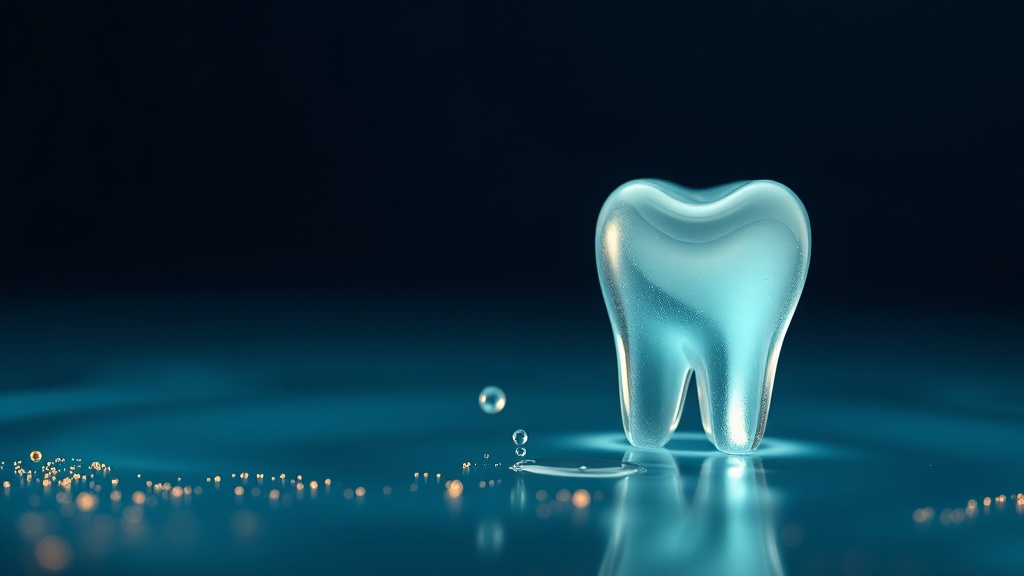
Saliva keeps the mouth supersaturated with tooth minerals, quietly re-hardening the enamel surface between meals.
Home remineralization is only for early, still-intact surfaces. See a dentist if you can feel a hole or a rough catch, if a spot has turned brown or black, if a tooth is chipped or newly sensitive in one place, or if enamel seems to be wearing quickly at the gum line. These signal enamel that is genuinely lost rather than merely softened — and lost enamel is restored professionally, not rebuilt at home.
Frequently asked questions
Sources
- 1.
- 2.
- 3.
- 4.
- 5.
- 6.

Fix your breath at the source.
The complete science-backed protocol — engineered to eliminate volatile sulfur compounds at the biological source.
Start the Breath Protocol →Related reading
Educational purposes only. The content on this page is not medical advice and is not a substitute for consultation with a qualified dental or medical professional.
More from the library
 Answers8 min
Does Tooth Enamel Grow Back? The Honest Science
Why enamel is the one part of your body that never regrows — and what you can genuinely do instead.
Read →→ Guides8 min
How to Restore Tooth Enamel: A Practical, Honest Guide
A realistic daily routine to re-harden early enamel and stop the slide — plus the point where a dentist takes over.
Read →→ Answers8 min
How to Remineralize Teeth: An Honest, Practical Guide
The practical routine that supports enamel remineralization, and the clear line between the early lesions it can rebuild and the decay it cannot.
Read →→ Best Of8 min
Enamel Repair Toothpaste: How to Choose One That Actually Works
What repair toothpaste can honestly do, the three actives that matter, and how to match one to your teeth.
Read →→ Answers8 min
How to Get Rid of White Spots on Teeth: Your Options, Ranked
An honest, evidence-based ladder of options, from what you can do at home to what only a dentist can fix.
Read →→ Ingredients8 min
Hydroxyapatite Toothpaste Benefits: What the Evidence Actually Supports
A calm, science-first look at what hydroxyapatite toothpaste can genuinely do for your enamel, and where the evidence stops.
Read →→