Carbamide Peroxide vs Hydrogen Peroxide: Which Whitens Better?
An evidence-based comparison of the two whitening peroxides, what actually separates them, and how to choose by format and comfort rather than by the biggest number.
- Both are peroxide bleaches and both genuinely whiten. The difference is speed and packaging, not whether they work.
- Hydrogen peroxide acts fast and is the active in most strips and in-office gels. Carbamide peroxide breaks down slowly into about a third of its weight in hydrogen peroxide plus urea, which suits overnight trays.
- Head to head they finish clinically equal on the shade guide. Carbamide has a marginal edge on one laboratory colour measure, but it is not a difference you would notice in the mirror.
- What really drives at-home results is contact time, not concentration or which peroxide you pick, so a gentle overnight tray can match a stronger, shorter application.
- Higher concentrations mostly buy more sensitivity, not more whitening. The mild enamel softening peroxide causes is reversible as saliva and remineralising products restore the surface.
Carbamide and hydrogen peroxide are both real bleaches and finish at about the same brightness. Hydrogen peroxide works faster and suits strips and in-office gels; carbamide peroxide releases more slowly and suits overnight trays. Choose by format and comfort rather than chasing the strongest number, because contact time matters more than concentration.
Same chemistry, different delivery
Underneath the marketing, these two are closely related. Hydrogen peroxide is the actual bleaching molecule. Carbamide peroxide is a slow-release carrier that decomposes in the mouth into hydrogen peroxide plus harmless urea, releasing roughly one third of its weight as active peroxide, so a 10% carbamide gel behaves a lot like a 3 to 4% hydrogen peroxide gel that lasts longer. However it is delivered, the mechanism is identical: peroxide diffuses through the enamel and oxidises the coloured molecules lodged mainly in the dentine beneath, which is what lightens the tooth. Because the reaction is powered by how much peroxide reaches those molecules and for how long, the two levers that matter are concentration and time. Higher concentrations act faster, which is why in-office gels are strong and quick. Lower concentrations reach a similar place given more time, which is why a mild carbamide tray worn overnight is one of the most reliable at-home approaches. That single idea, concentration multiplied by time, explains almost every practical difference between the two.
Both peroxides work the same way: peroxide diffuses into the tooth and oxidises the coloured molecules in the dentine. Concentration and time set the pace.
What the research actually shows
Every claim below maps to a named, peer-reviewed source in the Sources section. According to PubMed.
| Claim | Evidence | Source |
|---|---|---|
| Tray-delivered carbamide and hydrogen peroxide give clinically equal whitening on the shade guide; carbamide had a slight edge on one lab colour measure only. | Systematic review and meta-analysis of randomised trials. | Luque-Martinez et al., 2016 |
| At-home whitening is driven by contact time, not concentration: 10% carbamide worn overnight out-whitened a 7.5% hydrogen peroxide worn one hour a day. | Randomised trial of 80 adults using a dental spectrophotometer. | Lopez Darriba et al., 2017 |
| Pushing carbamide concentration above 10% added tooth sensitivity without adding colour change. | Systematic review and meta-analysis of at-home bleaching trials. | de Geus et al., 2018 |
| Whitening strips at 5.5 to 6.5% hydrogen peroxide edged out 10% carbamide trays in one review, though all trials were short and manufacturer-run. | Cochrane systematic review of home whitening products. | Hasson et al., 2006 |
| At-home 10% carbamide matched, and on some colour measures slightly beat, in-office 35% hydrogen peroxide in the short term, with similar sensitivity. | Triple-blind randomised trial of 130 volunteers. | Donassollo et al., 2021 |
Carbamide peroxide versus hydrogen peroxide at a glance
| Feature | Carbamide peroxide | Hydrogen peroxide |
|---|---|---|
| What it is | A slow-release compound; breaks down into about a third hydrogen peroxide plus urea | The active bleaching molecule itself |
| Speed | Slower, steadier release | Faster acting |
| Typical format | Overnight and daytime trays, around 10 to 16% | Strips, pens and in-office gels, around 5 to 40% |
| Best suited to | Longer, comfortable wear, including overnight | Shorter applications and professional sessions |
| Colour result | Clinically equal on the shade guide | Clinically equal on the shade guide |
| Sensitivity | Tends to be gentle at 10% | Rises with the higher concentrations used in-office |
So which should you actually pick?
Since the finish line is about the same, choose by how you like to whiten. If you are happy to wear a tray while you sleep, a 10% carbamide gel is comfortable and well studied, and going stronger mostly adds sensitivity rather than brightness, so there is little reason to. If you want something quick and tray-free, hydrogen peroxide strips are convenient and effective. In-office hydrogen peroxide is the fastest way to a visible change in a single visit, but an updated review found no shade-guide difference between finishing at home and finishing in the chair, so the chair buys you speed and supervision, not a whiter endpoint. Comfort is where the choice really pays off. Lower and medium hydrogen peroxide concentrations carry roughly a third less sensitivity risk than the strongest gels while changing colour just as much, and the gentlest reliable route of all is simply more time at a low concentration. In short: pick the format you will actually stick with, keep the concentration modest, and let time do the work.
Evidence you can act on.
Occasional emails — new research, new protocols, no noise.
Getting a real result from either peroxide, comfortably
Whichever peroxide you choose, the same handful of habits give you the most colour for the least sensitivity. None of this is a medical treatment; it is careful cosmetic use.
- 1
Match the peroxide to your routine
once, upfrontIf you are a tray-at-night person, choose a 10% carbamide gel. If you want fast and tray-free, choose hydrogen peroxide strips. The best product is the one whose format you will keep using, because consistency beats strength.
- 2
Favour time over strength
per sessionContact time drives the result, so a modest concentration worn longer usually matches a strong one worn briefly, with far less zing. Follow the product timing rather than reaching for the highest percentage on the shelf.
- 3
Start clean and do not overfill
each useBrush and dry the teeth first so the gel sits against enamel, and use only a thin line in the tray. Excess gel squeezes onto the gums and is the usual cause of irritation, not better whitening.
- 4
Manage sensitivity on purpose
as neededIf teeth twinge, space sessions further apart, drop to a lower concentration, and use a remineralising or fluoride gel between rounds. The surface softening peroxide causes recovers as minerals return, so a rest day is genuinely useful.
- 5
Protect the result afterwards
ongoingNew surface stain settles fastest right after whitening, so cut the contact time of coffee, tea and red wine, and keep up gentle surface-stain control. That keeps the shade you earned for longer between courses.
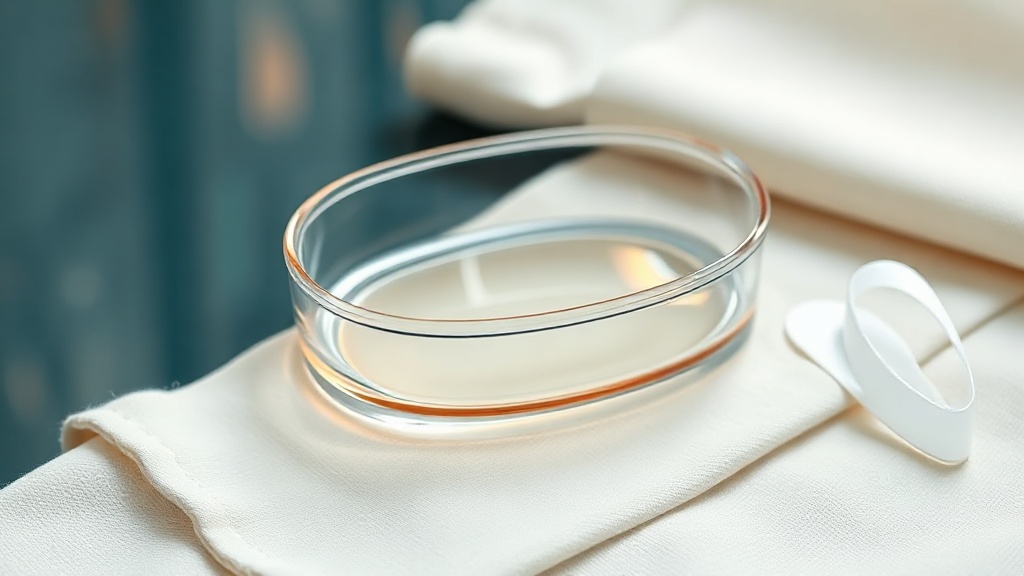
Trays suit slow-release carbamide worn longer; strips suit faster hydrogen peroxide. A thin bead of gel is all a tray needs.
Whitening is cosmetic, so a dentist visit is worthwhile before you start if you have ongoing sensitivity, sore or receding gums, or a lot of fillings, crowns or veneers, since those restorations will not change colour and can end up mismatched. See someone too if whitening comes out patchy, if a single tooth stays much darker than its neighbours, or if you are pregnant or have untreated dental problems. A quick check confirms your enamel and gums are healthy enough and points you to the concentration and format that make sense for your mouth.
Frequently asked questions
Sources
- 1.
- 2.
- 3.
- 4.
- 5.
- 6.
- 7.
- 8.
- 9.
- 10.
- 11.

Fix your breath at the source.
The complete science-backed protocol — engineered to eliminate volatile sulfur compounds at the biological source.
Start the Breath Protocol →Related reading
Educational purposes only. The content on this page is not medical advice and is not a substitute for consultation with a qualified dental or medical professional.
More from the library
 Ingredients8 min
Hydrogen Peroxide for Teeth Whitening: Evidence & Enamel Safety
The active ingredient behind almost every real whitening result — how it works, what strength you need, and whether it is safe for enamel.
Read →→ Answers9 min
Does Teeth Whitening Hurt? Why It Happens and How to Prevent It
The sting is common but manageable — and the real levers are lower concentration and shorter wear time, not gimmicks.
Read →→ Answers8 min
How Long Does Teeth Whitening Last? (And How to Extend It)
Whitening results last longer than most people think — teeth stay lighter for years — but they fade gradually, and a few simple habits slow it down.
Read →→ Answers8 min
Does Teeth Whitening Damage Enamel? The Evidence-Based Answer
The honest, evidence-based answer to whether whitening harms enamel — what peroxide really does to the surface, why sensitivity is not damage, and the DIY methods that actually cause wear.
Read →→ Answers8 min
Does Baking Soda Whiten Teeth? What the Evidence Says
An honest look at what baking soda can and cannot do for a whiter smile.
Read →→ Best Of9 min
Best Fluoride-Free Whitening Toothpaste: An Honest, Evidence-Based Guide (2026)
Which fluoride-free whitening ingredients hold up to the research — and which are marketing. An honest buyer's guide.
Read →→