
Does Teeth Whitening Damage Enamel?
The honest, evidence-based answer to whether whitening harms enamel — what peroxide really does to the surface, why sensitivity is not damage, and the DIY methods that actually cause wear.
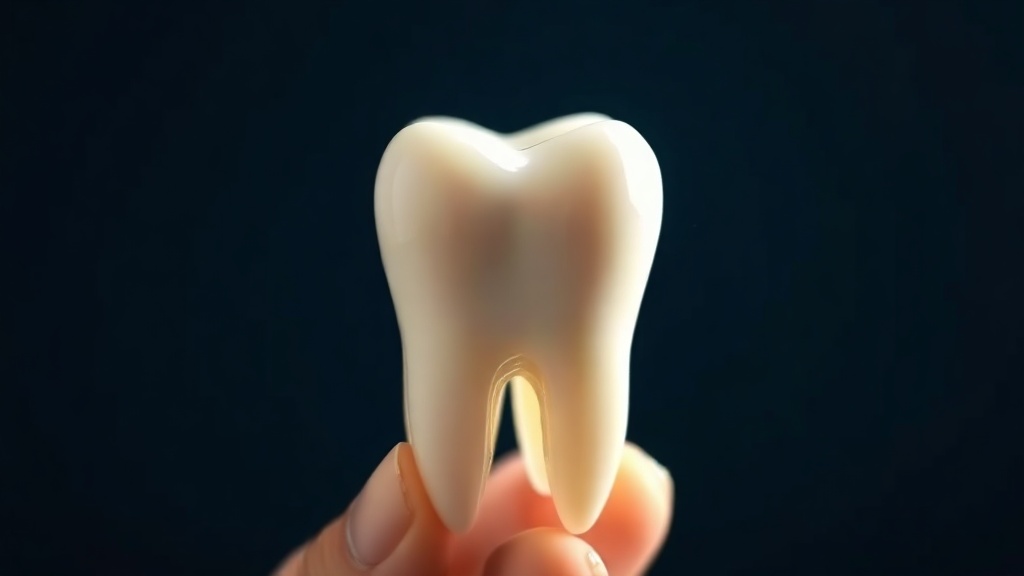
- Used as directed, peroxide whitening does not permanently damage enamel: it can soften the very surface for a short time, but that layer remineralizes from your saliva within hours to days.
- In real mouths, whitening does not change enamel's mineral content — clinical studies measuring the calcium-to-phosphorus ratio before and after found no difference.
- The genuine enamel damage blamed on whitening almost always comes from abrasive DIY hacks (charcoal powder) and acids (lemon, vinegar, strawberry-and-baking-soda), not from the peroxide itself.
- Sensitivity is common and is not the same as damage — it is a temporary nerve response, and lower concentrations worn for less time give the same shade with far less of it.
- The safe formula is simple: use a modest peroxide concentration, give it time rather than strength, pair it with saliva and remineralization, and do not over-whiten.
No — used as directed, peroxide whitening does not permanently damage enamel. It can briefly soften the surface, but that layer remineralizes and enamel's mineral content stays unchanged. The real damage comes from abrasive charcoal, acidic DIY mixes, and overuse — not from the peroxide itself.
What whitening actually does to enamel
Peroxide whitening works by oxidation, not abrasion. Hydrogen peroxide — and carbamide peroxide, which breaks down into it — is a small molecule that diffuses through enamel and reacts with the coloured compounds sitting mostly in the dentine beneath, splitting them into smaller, less pigmented pieces. The two things that drive the result are concentration and contact time, and lower concentrations left on longer can reach almost the same result as brief, strong ones. Crucially, that chemistry lightens colour without sanding anything away. What people picture when they hear damage — a thinner, rougher tooth — is abrasion, and abrasion is simply not how peroxide works. Where peroxide does meet the surface is at the microscopic level: a strong gel can temporarily pull a little mineral out of the outermost enamel and lower its hardness for a short window. That sounds alarming until you see what happens next — saliva, which is naturally saturated with calcium and phosphate, steadily redeposits mineral and the surface recovers.
Whitening can briefly soften the outermost enamel, but saliva's calcium and phosphate steadily remineralize the surface back toward baseline.
What the research actually shows
Every claim below maps to a named, peer-reviewed source in the Sources section. According to PubMed.
| Claim | Evidence | Source |
|---|---|---|
| Strong 35% peroxide can lower the outermost enamel's hardness by about 18% in one session — but a week of remineralizing care restored 16–33% of it, back toward baseline. | Lab study of 100 enamel blocks. | Melo et al., 2022 |
| In real mouths, whitening did not change enamel's mineral makeup — the calcium-to-phosphorus ratio was unchanged by peroxide gels. | Randomized clinical trial with enamel microbiopsies (n=100). | Kury et al., 2020 |
| Adding calcium and phosphate to the peroxide gel fully prevented surface softening — with no loss of whitening. | Controlled enamel study across gel formulations. | Andrade et al., 2021 |
| Activated-charcoal toothpastes whiten less than other options and are 'less safe' because of their high abrasive potential. | Systematic review of 11 in-vitro studies. | Montero Tomas et al., 2022 |
| A DIY strawberry-and-baking-soda mix significantly reduced enamel hardness, behaving like an acid attack. | Comparative study of four whitening modalities on enamel. | Kwon et al., 2014 |
How the methods compare for your enamel
| Whitening method | What it does to enamel | The honest verdict |
|---|---|---|
| Professional or at-home peroxide (as directed) | Brief surface softening that remineralizes; mineral content unchanged | Safe within a sensible schedule |
| OTC whitening strips | Mild; some studies note slightly increased surface roughness | Generally safe — do not overuse |
| Charcoal powder or paste | Physically abrades the surface and whitens less | Risky — skip it |
| Lemon, vinegar or baking-soda DIY | Acid erosion and abrasion that can be permanent | Avoid entirely |
| LED / blue-light kits | No effect on enamel — and no proven effect on colour either | Harmless but unnecessary |
Where the 'whitening ruined my enamel' stories really come from
If peroxide is not the culprit, why do so many people swear whitening wrecked their teeth? Two reasons. First, the wrong tools. Charcoal powders and pastes are abrasive; a systematic review found they whiten less than ordinary alternatives and are less safe because of their high abrasive potential — they physically scrub the surface. DIY kitchen recipes are worse: a strawberry-and-baking-soda mix, and any lemon, vinegar or citric-acid rinse, are acidic enough to measurably soften and etch enamel. That is real, sometimes permanent wear — and it gets blamed on whitening even though no bleaching ever happened. Second, overuse. Peroxide is safe within a sensible schedule, but doubling up strips, leaving trays in for hours, or running back-to-back courses gives the surface no time to recover between exposures. The damage, when it happens, is a dose-and-method problem — not a property of peroxide itself.
Evidence you can act on.
Occasional emails — new research, new protocols, no noise.
How to whiten without harming your enamel
You can lighten your teeth and protect your enamel at the same time. None of this treats a disease — it simply keeps whitening on the safe side of the line.
- 1
Let time do the work, not strength
as directedThe lightening comes from peroxide contact over time, so you do not need the strongest gel on the shelf. Reviews show lower-concentration products reach the same shade with markedly less irritation. Pick a modest concentration and follow the wear time rather than reaching for maximum strength.
- 2
Pair whitening with remineralization
dailyYour saliva remineralizes enamel between sessions, so help it: whiten, then give teeth a rest, stay hydrated, and use a fluoride or hydroxyapatite toothpaste. Some professional gels even build in calcium and phosphate, which has been shown to prevent surface softening without dulling the result.
- 3
Skip charcoal and kitchen 'hacks'
alwaysCharcoal scrubs, and lemon, vinegar or strawberry-and-baking-soda mixes are acidic enough to etch enamel. These are the methods that genuinely cause wear — and damage from acid and abrasion does not grow back. Leave them alone.
- 4
Do not over-whiten
ongoingMore is not better. Doubling up strips, leaving trays in for hours, or running courses back-to-back gives enamel no time to recover. Follow the schedule, then space out touch-ups by months, not days.
- 5
Treat sensitivity as a signal, not damage
as neededIf teeth twinge, that is a temporary nerve response, not erosion. Drop to a lower concentration, shorten the wear time, and use a sensitivity toothpaste. If it is sharp or lingering, pause and see a dentist.
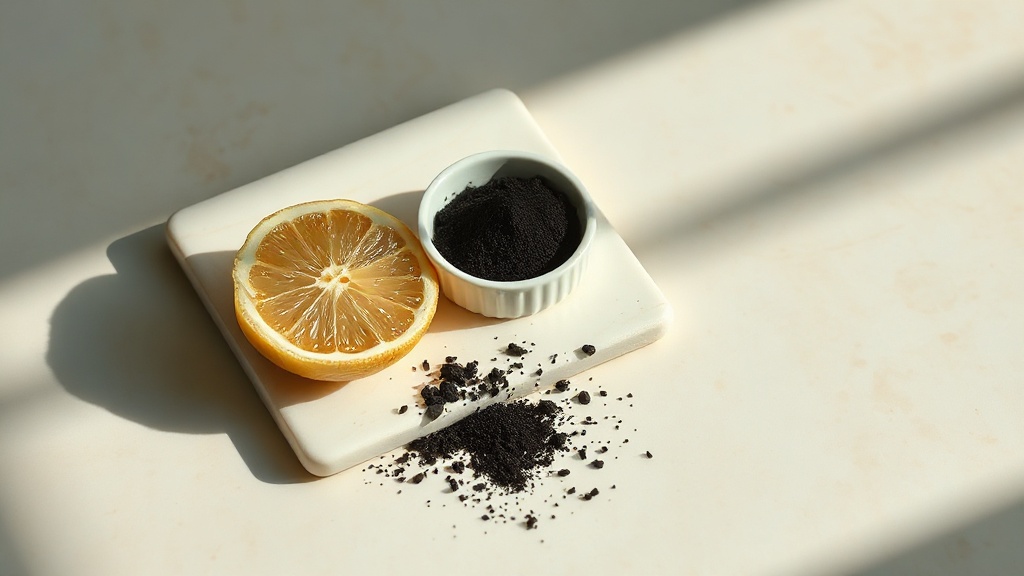
Charcoal powders and acidic kitchen hacks like lemon are what actually wear enamel — not peroxide used as directed.
If you already have enamel erosion, exposed or receding roots, visible cracks, many fillings or crowns, or sharp, lingering sensitivity, have a dentist check your teeth before you whiten. They can confirm your enamel is healthy enough, suggest a concentration and schedule that suits you, and rule out causes of discoloration — like a non-vital tooth or a restoration — that whitening cannot change anyway.
Frequently asked questions
Sources
- 1.
- 2.
- 3.
- 4.
- 5.
- 6.
- 7.
- 8.
- 9.
- 10.
- 11.

Fix your breath at the source.
The complete science-backed protocol — engineered to eliminate volatile sulfur compounds at the biological source.
Start the Breath Protocol →Related reading
Educational purposes only. The content on this page is not medical advice and is not a substitute for consultation with a qualified dental or medical professional.
More from the library
 Answers9 min
Does Teeth Whitening Hurt? Why It Happens and How to Prevent It
The sting is common but manageable — and the real levers are lower concentration and shorter wear time, not gimmicks.
Read →→ Answers8 min
Do Whitening Strips Damage Enamel? What Studies Show
An evidence-based look at whether whitening strips harm enamel: what peroxide really does to the surface, why softening is reversible, and how sensitivity differs from damage.
Read →→ Ingredients8 min
Hydrogen Peroxide for Teeth Whitening: Evidence & Enamel Safety
The active ingredient behind almost every real whitening result — how it works, what strength you need, and whether it is safe for enamel.
Read →→ Guides8 min
The Safest Way to Whiten Teeth (Dentist-Backed, Enamel-First)
Whitening and enamel safety are not a trade-off. The gentlest approach is modest peroxide, patience, and minerals — not the harshest scrub.
Read →→ Answers8 min
Does Baking Soda Whiten Teeth? What the Evidence Says
An honest look at what baking soda can and cannot do for a whiter smile.
Read →→ Best Of9 min
Best Fluoride-Free Whitening Toothpaste: An Honest, Evidence-Based Guide (2026)
Which fluoride-free whitening ingredients hold up to the research — and which are marketing. An honest buyer's guide.
Read →→