Does Baking Soda Whiten Teeth?
An honest look at what baking soda can and cannot do for a whiter smile.
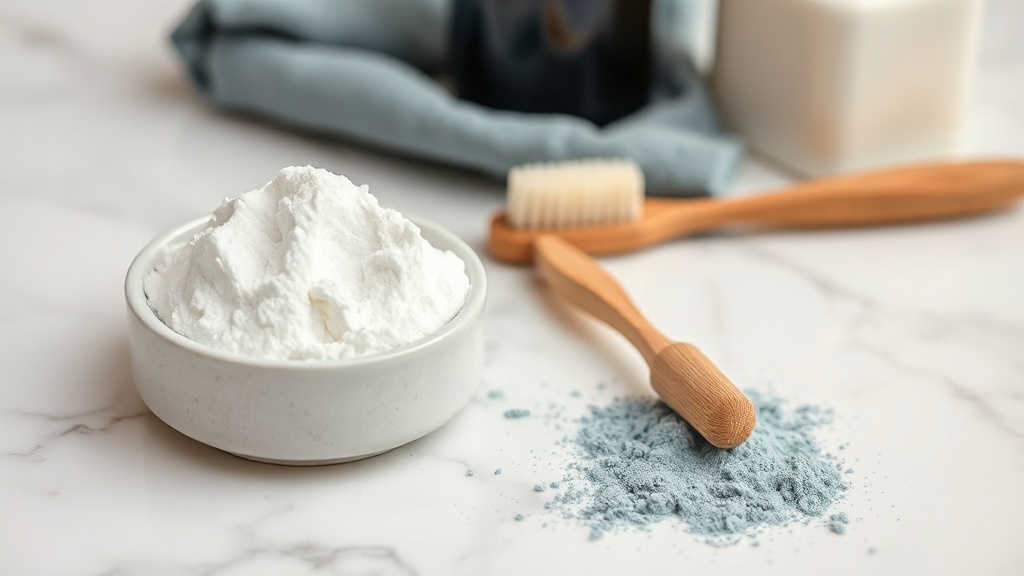
- Yes, but with a caveat: baking soda makes teeth look whiter by scrubbing away surface stains. It does not bleach or change the tooth natural color the way peroxide does.
- It is a gentle polish, not a harsh one. Baking soda has relatively low abrasivity, so it removes stain without being as hard on enamel as many whitening pastes.
- The evidence is solid for stain: a baking-soda toothpaste cut extrinsic stain 61.6% and improved shade 2.57 units in six weeks, and another trial saw 23.1% stain removal in just five days.
- Stain removal and abrasivity are not the same thing. You do not need a rough, high-abrasion paste to lift stain, which is exactly why low-abrasivity baking soda works.
- The real danger is DIY acid mixes. Baking soda alone is fine, but strawberry-and-baking-soda or lemon recipes add acid that measurably softens enamel, so skip those.
Yes, but only surface stains. Baking soda is a mild abrasive that polishes away the coffee, tea and tobacco stains sitting on your enamel, so teeth look whiter and cleaner. It does not bleach the tooth deeper color the way hydrogen peroxide does, and it works best at low, gentle abrasivity.
How baking soda actually whitens
Baking soda whitens mechanically, not chemically. Sodium bicarbonate forms fine, water-soluble crystals that are softer than tooth enamel, so when you brush with it, it lifts the pigment lodged in the thin protein film on the enamel, the pellicle, without deeply scratching the surface. That is fundamentally different from real bleaching. Hydrogen peroxide diffuses through the enamel and oxidizes the colored molecules deep inside the dentin, changing the tooth own color. Baking soda never gets that far, it simply polishes the outside clean so the enamel natural shade shows again. It has two bonus properties too: it buffers acid rather than adding it, and it is biologically compatible, which is why reviews describe it as an effective and safe stain remover. So the honest framing is that baking soda reveals whiter teeth, it does not create them.
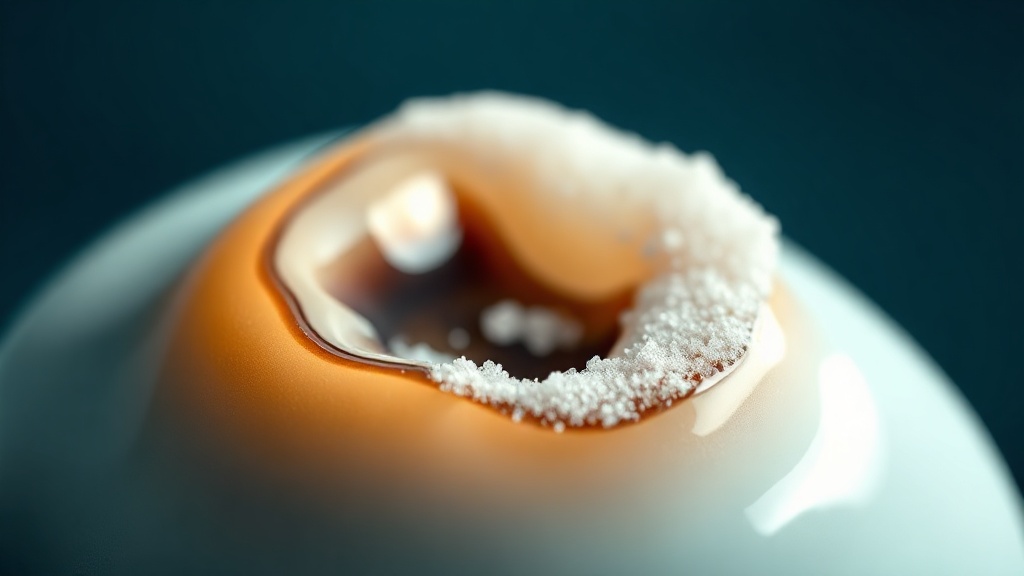
Baking soda is a mild polish: it lifts surface stain at low abrasivity, revealing the enamel own shade rather than bleaching it.
What the research actually shows
Every claim below maps to a named, peer-reviewed source in the Sources section. According to PubMed.
| Claim | Evidence | Source |
|---|---|---|
| A baking-soda toothpaste cut extrinsic stain 61.6% and improved shade 2.57 units by six weeks, while an unchanged control did not. | Randomized controlled trial, 146 subjects. | Ghassemi et al., 2012 |
| A baking-soda toothpaste removed 23.1% of surface stain in just five days versus an essentially unchanged control. | Randomized, examiner-blind clinical trial. | Ghassemi et al., 2015 |
| Baking soda is low-abrasivity, acid-buffering and biologically compatible, effective and safe for tooth-stain removal. | Review of in-vitro and clinical studies. | Li, 2017 |
| Stain removal and abrasivity are not directly coupled: low-abrasivity products removed stain without high abrasion. | In-vitro study of 26 commercial dentifrices. | Schemehorn et al., 2011 |
| Only hydrogen peroxide truly whitened the tooth; baking soda and other over-the-counter agents only removed surface stain. | In-vitro comparison of six agents. | Muller-Heupt et al., 2023 |
Baking soda vs peroxide: what each does
| What you are comparing | Baking soda | Hydrogen peroxide |
|---|---|---|
| What it does | Polishes off surface stain | Bleaches the tooth internal color |
| Reaches the deep color? | No | Yes |
| Abrasivity | Relatively low | None; it works chemically |
| Best for | Coffee, tea and tobacco surface stain | Age-related and deep yellow |
| Main risk | Only if paired with acids in DIY recipes | Temporary sensitivity |
Where baking soda goes wrong: the DIY acid trap
Baking soda itself is gentle, so most of the horror stories come from what people mix it with. The viral strawberry-and-baking-soda paste, and lemon-juice or vinegar versions, have been shown in the lab to measurably reduce enamel microhardness, and the culprit is the acid, not the baking soda. Acid softens the enamel surface, and then any brushing scrubs away softened mineral you cannot get back. The other mistake is technique: hammering at your teeth with loose powder and a stiff brush turns a mild polish into needless wear. Used sensibly, though, baking soda is well behaved, it even carries a modest plaque-control benefit in the research. The safe version is a commercial baking-soda toothpaste, or a light homemade paste made with water only, applied with a soft brush and gentle pressure.
Evidence you can act on.
Occasional emails — new research, new protocols, no noise.
How to use baking soda safely to brighten teeth
Baking soda is a stain-removing polish, so treat it like one: gentle, low-acid and not overdone. This is cosmetic stain control, not treatment of any disease.
- 1
Pick a gentle formula
per useA commercial baking-soda toothpaste is formulated to a controlled, low abrasivity. If you use plain powder, make a light paste with water only, never with acidic fruit or juice.
- 2
Brush gently, not hard
two minutesUse a soft-bristle brush and light pressure. The goal is to lift stain from the surface, and scrubbing harder adds wear without adding whiteness.
- 3
Do not overdo it
a few times a weekA baking-soda toothpaste can be used daily, but plain powder is best kept to a few times a week so you are polishing, not eroding.
- 4
Skip the acid recipes
alwaysNever mix baking soda with lemon, vinegar or strawberries. The acid softens enamel and turns a safe polish into a genuine risk.
- 5
Finish with your regular paste
dailyFollow up with your normal fluoride toothpaste and usual hygiene so your enamel stays protected and strong.
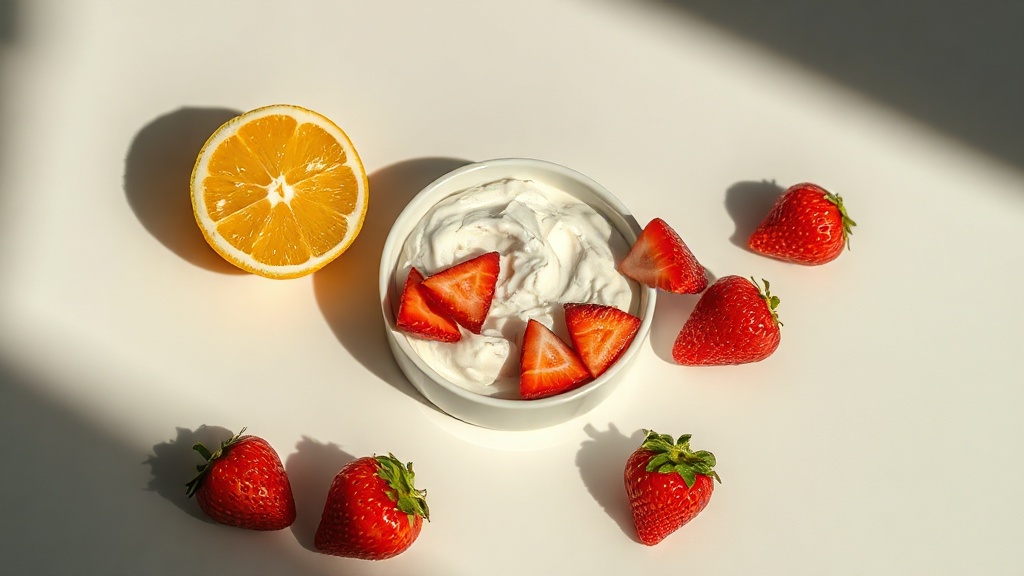
Avoid the viral acid mixes: strawberry, lemon or vinegar added to baking soda softens enamel; the acid is the problem, not the baking soda.
If stain keeps returning quickly, or the yellow is deep, grey or uneven rather than surface-level, baking soda will not fix it. A dentist can perform a professional clean that lifts far more stain than any home product, and can discuss peroxide-based options for changing the internal color of the tooth. Any single dark tooth, or sudden discoloration, should be assessed in person to rule out other causes.
Frequently asked questions
Sources
- 1.
- 2.
- 3.
- 4.
- 5.
- 6.
- 7.
- 8.

Fix your breath at the source.
The complete science-backed protocol — engineered to eliminate volatile sulfur compounds at the biological source.
Start the Breath Protocol →Related reading
Educational purposes only. The content on this page is not medical advice and is not a substitute for consultation with a qualified dental or medical professional.
More from the library
 Answers8 min
Does Coconut Oil Whiten Teeth? An Honest, Evidence-Based Answer
An honest look at the coconut oil whitening claim, what the research on oil pulling really measured, and the gentle methods that actually work.
Read →→ Guides8 min
How to Get Rid of Yellow Teeth: An Enamel-Safe Guide
Two kinds of yellow, two different fixes, and the enamel-safe way to brighten each one.
Read →→ Answers8 min
Does Teeth Whitening Damage Enamel? The Evidence-Based Answer
The honest, evidence-based answer to whether whitening harms enamel — what peroxide really does to the surface, why sensitivity is not damage, and the DIY methods that actually cause wear.
Read →→ Guides8 min
How to Remove Coffee Stains From Teeth
A honest, evidence-based guide to lifting coffee stains from teeth without wrecking your enamel: what works, what only polishes the surface, and why to skip charcoal.
Read →→ Best Of9 min
Best Fluoride-Free Whitening Toothpaste: An Honest, Evidence-Based Guide (2026)
Which fluoride-free whitening ingredients hold up to the research — and which are marketing. An honest buyer's guide.
Read →→ Guides9 min
In-Office Teeth Whitening Cost: What Dentists Charge (2026)
An honest, evidence-based look at chairside whitening prices — and whether the convenience premium is really worth it.
Read →→