
How Long Does Teeth Whitening Last?
Whitening results last longer than most people think — teeth stay lighter for years — but they fade gradually, and a few simple habits slow it down.

- How long whitening lasts depends heavily on the method: real bleaching (in-office or peroxide trays and strips) keeps teeth visibly lighter for roughly one to three years, while whitening toothpaste only removes surface stain and lasts weeks.
- The fade is front-loaded, not sudden: studies show about 45% of the initial colour change is lost in the first six months, after which the shade largely plateaus and holds.
- Even years out, the result is not gone: at two years teeth stay lighter than their starting shade, and at four and a half years the colour had rebounded by only about two shade units.
- Re-staining is cumulative and driven by contact time — red wine is the biggest everyday culprit — so cutting how long dark drinks sit on your teeth matters more than any single food ban.
- The strict post-whitening white diet is prudent for a day or two but is not a proven long-term rule; gentle maintenance and stain control do far more to extend the result.
Professional and at-home peroxide whitening usually keeps teeth visibly lighter for about one to three years, fading gradually rather than all at once. In studies, teeth stayed lighter than baseline out to two years and were still noticeably lighter at four and a half. Whitening toothpaste is different — it removes surface stain, so its effect lasts only weeks.
Why whitening fades at all
Peroxide whitening works by diffusing into the tooth and oxidising the coloured molecules that live mainly in the dentine, lightening the tooth from within. That change is genuine and long-lasting, but it is not permanent, for two reasons. First, there is a normal, partial regression in the months right after treatment: some of the freshly bleached brightness settles back as the tooth rehydrates and re-mineralises, which is why research consistently sees the biggest drop early and then a long plateau. This is expected chemistry, not a sign the whitening failed. Second, the surface starts collecting new colour again. Every day, chromogens from coffee, tea, red wine and tobacco re-deposit onto the enamel and its protein pellicle, and freshly whitened enamel is briefly more receptive to picking up stain than usual. So the shade you settle at a few months after whitening — lighter than you started, a little warmer than the day the trays came off — is the realistic baseline you are maintaining, and maintaining it is mostly about slowing that daily re-staining.
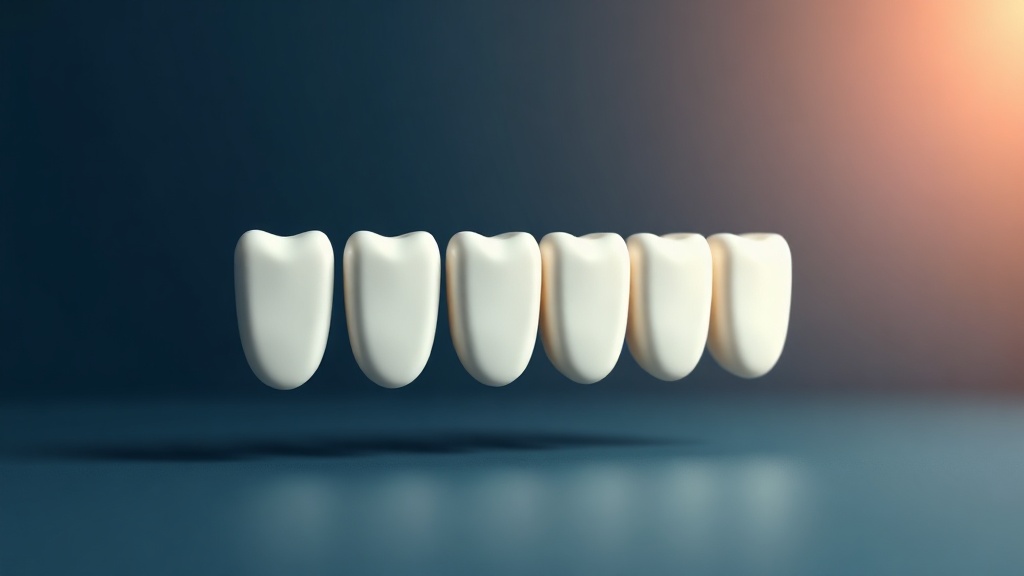
Whitening fades gradually, not suddenly: most of the loss happens in the first few months, then the colour plateaus and stays lighter than baseline for years.
What the research actually shows
Every figure below maps to a named, peer-reviewed study in the Sources section. According to PubMed.
| Claim | Evidence | Source |
|---|---|---|
| Whitening is durable: two years after at-home carbamide-peroxide treatment, teeth stayed significantly lighter than baseline, though more than 66% of people noticed a mild-to-moderate relapse. | Double-blind RCT, 2-year follow-up (81 of 92 recalled). | Meireles et al., 2010 |
| Even at 4.5 years after in-office whitening, the colour had rebounded by only about 2.1 shade units and stayed clinically noticeable — and 85% of patients wanted a repeat. | Randomised controlled trial, 4.5-year follow-up. | Hortkoff et al., 2025 |
| The fade is front-loaded: about 45% of the initial colour change was lost between weeks 2 and 24, after which the shade stabilised. | 6-month double-blind study of 10% carbamide peroxide. | Matis et al., 1998 |
| Re-staining is cumulative: enamel darkened by about 0.34 on the delta-E scale for each day of contact with staining drinks, so contact time is the lever. | In-vitro staining and bleaching study. | Farawati et al., 2019 |
| The white diet is not proven: a meta-analysis found no statistically significant colour benefit from restricting staining foods during or after whitening. | Systematic review and meta-analysis (5 clinical trials). | Hardan et al., 2024 |
How long each method tends to last
| Whitening method | Typical time it stays visibly lighter | What drives the fade |
|---|---|---|
| In-office high-concentration peroxide | Roughly 1–3 years, with gradual mild rebound | Diet, smoking and normal ageing |
| At-home trays or strips (carbamide/hydrogen peroxide) | Lighter than baseline out to ~2 years in trials | Staining drinks; skipping top-ups |
| Whitening toothpaste or powered brush (surface only) | Weeks — it removes stain, it does not bleach | New surface stain re-accumulates quickly |
| Peroxide-free surface products (e.g. some pastes, powders) | Days to weeks; effect often reverts | The change is largely a surface polish |
Bleaching versus stain removal — why the answer splits
The single biggest reason people get wildly different answers to how long does whitening last is that they are describing different things. True bleaching changes the intrinsic colour of the tooth and is measured in years; surface stain removal only lifts the film sitting on top of the enamel and is measured in days to weeks. A whitening toothpaste, a charcoal powder or a polishing paste makes teeth look brighter by cleaning them, so the moment you go back to your normal coffee and tea, the film rebuilds and the effect appears to vanish — because it does. That is not a defect; it is what a surface polish is. Peroxide, by contrast, has actually lightened the tooth, so even as it slowly regresses you are starting from a genuinely lighter tooth. Knowing which category your product falls into tells you exactly how long to expect it to last, and stops you blaming a good bleaching result for the short life of a surface polish.
Evidence you can act on.
Occasional emails — new research, new protocols, no noise.
How to make your whitening last
None of this treats a disease — it simply slows the daily re-staining and keeps the surface clean so your result holds as long as possible.
- 1
Do gentle maintenance top-ups
periodicallyA night or two in a low-concentration tray every few months, or a short strip refresher, tops the shade back up without over-treating. Follow the product or your dentist's interval rather than whitening on impulse, since chasing an ever-whiter shade is the main route to sensitivity.
- 2
Tame the big stainers by contact time
dailyRed wine is the strongest everyday stainer, ahead of tea, coffee and cola. You do not have to give them up — reduce how long they sit on your teeth. Take smaller sips over shorter windows, use a straw where it makes sense, and rinse with water afterwards.
- 3
Keep surface stain off
twice dailyA powered toothbrush with a low-abrasivity whitening paste removes about as much surface stain as a dental polish, stopping fresh film from dulling your result between top-ups. Let the brush do the work rather than scrubbing hard.
- 4
Watch your mouthrinse
ongoingChlorhexidine and some antiseptic rinses reliably cause extrinsic staining when used for several weeks, which can quietly undo a whitening result. If you need one long-term, ask your dentist how to fit it around your whitening.
- 5
Be sensible, not strict, about diet
first days, then relaxedGoing easy on dark drinks for a day or two right after whitening is reasonable, because enamel is briefly more stain-prone then. Beyond that, a rigid white diet is not proven to help, so focus on contact time and let saliva help — chewing sugar-free gum stimulates the protective flow that keeps the mouth clean.
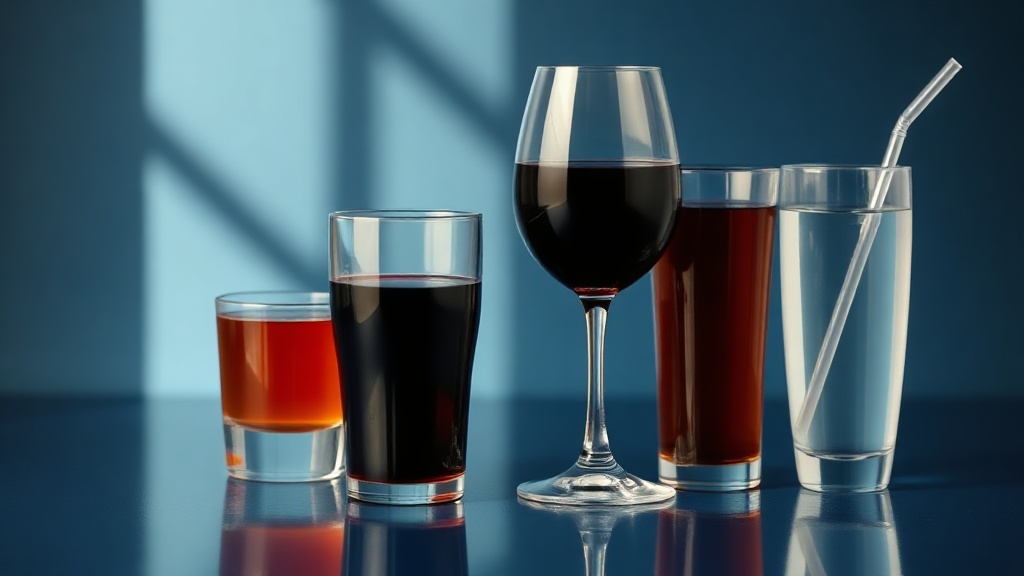
Red wine is the strongest everyday stainer; cutting contact time — smaller sips, a straw, a water rinse — protects your result more than any single food ban.
If your whitening has faded and you are thinking about topping up, a quick word with a dentist is worth it. They can check that your enamel and gums are healthy, confirm the colour is not coming from a crown, filling or an internal change in a single tooth (which whitening will not lighten), and recommend a safe re-treatment interval. Over-whitening in pursuit of a shade that keeps slipping is a common way to trigger lasting sensitivity, so let a professional set the pace rather than reaching for another kit.
Frequently asked questions
Sources
- 1.
- 2.
- 3.
- 4.
- 5.
- 6.
- 7.
- 8.
- 9.
- 10.
- 11.

Fix your breath at the source.
The complete science-backed protocol — engineered to eliminate volatile sulfur compounds at the biological source.
Start the Breath Protocol →Related reading
Educational purposes only. The content on this page is not medical advice and is not a substitute for consultation with a qualified dental or medical professional.
More from the library
 Guides8 min
How to Keep Teeth White (and Make It Last)
The honest maintenance playbook: why white teeth drift back to yellow, and the small daily habits that actually slow it down.
Read →→ Answers8 min
How Often Should You Whiten Your Teeth? Safe Frequency by Method
A method-by-method guide to how often you can brighten your smile without overdoing it — and why more is rarely better.
Read →→ Guides8 min
How to Whiten Teeth at Home in One Day (Realistic, Enamel-Safe Methods)
The honest, evidence-based answer: real bleaching takes time, but you can safely lift surface stains and look a shade brighter in a single day.
Read →→ Answers8 min
Does Teeth Whitening Damage Enamel? The Evidence-Based Answer
The honest, evidence-based answer to whether whitening harms enamel — what peroxide really does to the surface, why sensitivity is not damage, and the DIY methods that actually cause wear.
Read →→ Answers8 min
Does Baking Soda Whiten Teeth? What the Evidence Says
An honest look at what baking soda can and cannot do for a whiter smile.
Read →→ Best Of9 min
Best Fluoride-Free Whitening Toothpaste: An Honest, Evidence-Based Guide (2026)
Which fluoride-free whitening ingredients hold up to the research — and which are marketing. An honest buyer's guide.
Read →→