
Jack N' Jill Natural Toothpaste Review: Is It Worth It for Kids?
A balanced look at Jack N' Jill natural toothpaste - its genuine safe-to-swallow appeal, and the honest cavity-protection trade-off of going fluoride-free.
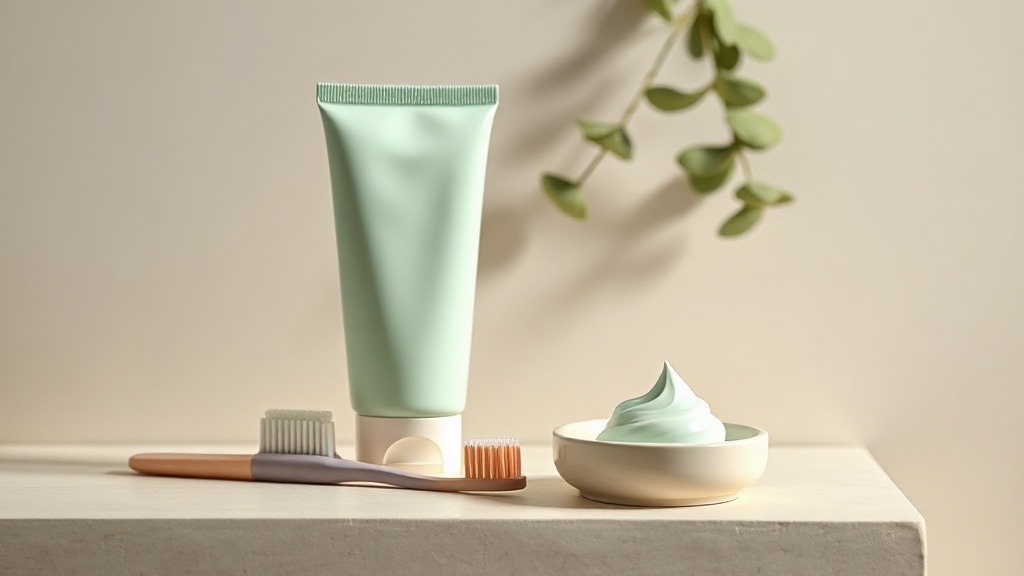
- Jack N' Jill is a popular natural, fluoride-free kids' toothpaste - organic flavours, a little xylitol, and a formula designed to be safe if swallowed, which is its genuine strength for babies and toddlers who cannot yet spit.
- Its honest limitation is the same as any fluoride-free paste: fluoride is the ingredient with the strongest anti-decay evidence, so going without it means giving up a measurable amount of cavity protection.
- Choosing fluoride-free is a legitimate personal decision - usually about avoiding fluorosis or simply preferring fewer additives - not a moral failing, but it is a trade-off worth making with eyes open, ideally with your dentist.
- The brand now also sells a nano-hydroxyapatite version; the independent evidence suggests hydroxyapatite is a reasonable alternative to fluoride, not a proven superior one.
- Whatever paste you pick, the biggest lever on your child's teeth is sugar frequency and twice-daily brushing - a nice-tasting paste that actually gets used beats a 'perfect' one that ends in a fight.
Jack N' Jill is a well-made natural toothpaste that toddlers tend to love, and its safe-to-swallow, fluoride-free formula genuinely suits children who cannot spit yet. The honest catch is that fluoride-free means less proven cavity protection - a reasonable personal choice, but one worth discussing with your dentist, especially for a cavity-prone child.
What Jack N' Jill actually is
Jack N' Jill is an Australian range of children's toothpastes built around a simple promise: natural ingredients, no fluoride, and a formula gentle enough to swallow. The pastes come in child-friendly organic flavours - blackcurrant, strawberry, banana - sweetened with a little xylitol rather than sugar, and packaged with cheerful animal characters that make brushing feel like play. For many families that combination is the whole appeal: a toddler who happily opens wide for a paste that tastes nice, from a brand that leaves out fluoride, artificial colours and SLS. The safe-to-swallow point is real and worth taking seriously. Very young children genuinely cannot spit, so they swallow much of whatever paste you use, and a formula designed around that removes one common source of parental worry. Where the picture gets more nuanced is what you give up by going fluoride-free - and that deserves an honest look rather than a slogan in either direction.
Fluoride-free pastes lean on ingredients like xylitol or hydroxyapatite - each with a very different weight of evidence behind it.
What the research actually shows
Every claim below maps to a named, peer-reviewed source in the Sources section. According to PubMed.
| Claim | Evidence | Source |
|---|---|---|
| Fluoride toothpaste prevents roughly 24% of tooth decay compared with a non-fluoride paste - the benefit a fluoride-free product sets aside. | Cochrane review (70 trials, 42,300 children). | Marinho et al., 2003 |
| Toothpastes below about 550 ppm fluoride showed no significant benefit over placebo; the anti-decay effect appears only at higher levels, so 'a little fluoride' is not the same as real protection. | Cochrane network review of fluoride concentrations. | Walsh et al., 2010 |
| In an independent meta-analysis, hydroxyapatite toothpaste was not significantly different from fluoride for preventing lesions (RR 0.98) - a reasonable alternative, not a proven upgrade. | Independent systematic review and meta-analysis. | Chatzidimitriou et al., 2025 |
| Nano-hydroxyapatite and calcium phosphate are judged safe to swallow, dissolving readily in stomach acid with negligible uptake. | Nanotoxicology review. | Epple, 2018 |
| The evidence that xylitol products stop cavities forming in children is low quality and judged insufficient, apart from one fluoride-plus-xylitol toothpaste finding. | Cochrane review. | Riley et al., 2015 |
Jack N' Jill vs a standard fluoride kids' paste
| Feature | Jack N' Jill (fluoride-free) | Standard fluoride kids' paste |
|---|---|---|
| Cavity-prevention evidence | Relies on xylitol or hydroxyapatite - weaker or non-superior evidence | Strongest evidence base (about 24% fewer cavities) |
| Safe to swallow | Yes - designed for children who cannot spit | Yes in a rice-grain or pea amount; aim to spit and limit swallowing |
| Fluorosis consideration | No fluoride, so no contribution to fluorosis | Small risk only if regularly swallowed in excess |
| Taste and child buy-in | Often excellent - a real advantage for daily use | Varies by brand |
| Additives | No SLS, artificial colours or added sugar | Varies; many kids' pastes are also SLS-free |
The fluoride-free trade-off, honestly
Here is the part the packaging will not tell you. Fluoride remains the single most evidence-backed ingredient in toothpaste for holding off decay, and choosing a fluoride-free paste means setting aside a measurable amount of that protection. That does not make the choice wrong - it makes it a trade-off. Most parents who go fluoride-free are weighing a genuine concern, usually dental fluorosis (faint white marks that can form if too much fluoride is swallowed while teeth are developing) or simply a preference for fewer additives, and that is a reasonable thing to value. It is worth saying plainly that fluoride hesitancy is not the same as being anti-science; researchers who study these families find it is a distinct, considered decision, and the useful response is honest risk information rather than a lecture. The practical nuance is risk level. For a child with no history of cavities, a low-sugar diet and good brushing, a well-made fluoride-free paste like Jack N' Jill is a defensible choice. For a child who already has a cavity or several risk factors, the evidence leans toward fluoride - and if you want to stay fluoride-free, the hydroxyapatite version the brand also sells is a more evidence-supported route than xylitol alone. This is exactly the conversation to have with your own dentist.
Evidence you can act on.
Occasional emails — new research, new protocols, no noise.
How to use Jack N' Jill well - and decide if it is right
None of this treats an illness; it is simply how to get the most protection out of a fluoride-free paste and know when to rethink it.
- 1
Match the choice to your child's cavity risk
once, then reviewIf your child has never had a cavity, eats little sugar and brushes twice a day, a fluoride-free paste is a defensible pick. If they already have a cavity or several risk factors, raise fluoride with your dentist before deciding.
- 2
Use a small, sensible amount
twice dailyEven a safe-to-swallow paste should be used in a rice-grain smear under age three and a pea-sized amount from three to six. Small amounts build the habit of spitting and keep any sweetener intake trivial.
- 3
Lean hardest on what matters most
every dayThe paste is a supporting act. Brushing twice a day, cutting how often sugar and juice appear, and offering water instead do more for your child's teeth than any single ingredient in the tube.
- 4
Consider the hydroxyapatite version for more evidence
—If your appeal is 'fluoride-free but well-protected,' the brand's nano-hydroxyapatite paste has more supporting evidence than a xylitol-only formula, while staying safe to swallow.
- 5
Review the choice at each dental visit
every 6-12 monthsLet your dentist track your child's teeth over time. Fluoride-free is not a one-time verdict - it is a choice you can confirm or change as your child's risk becomes clearer.
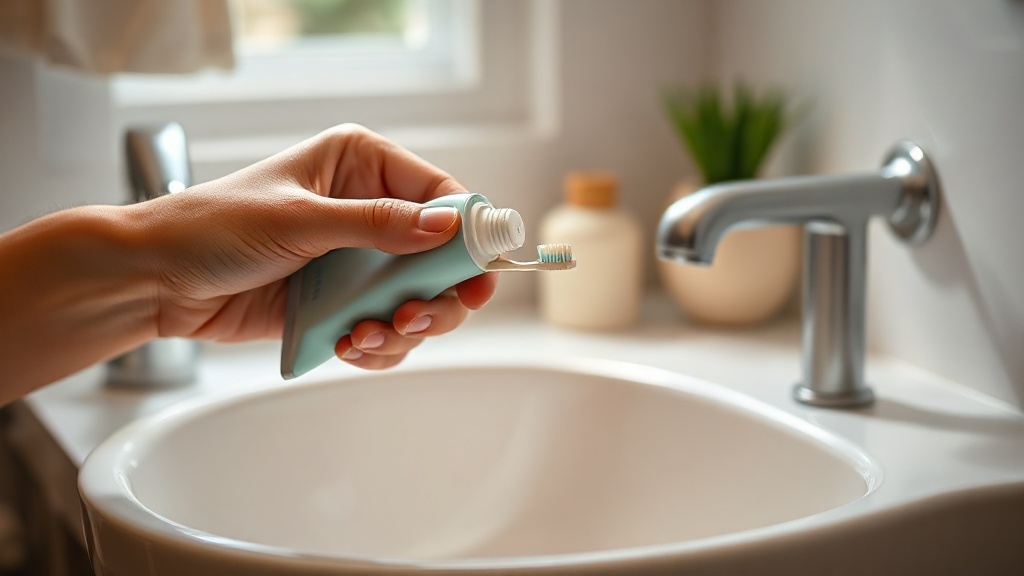
Even a safe-to-swallow paste is best used in a small, age-appropriate amount, twice a day.
Toothpaste choice is not a substitute for professional care. See a dentist if you notice white chalky patches or brown spots on your child's teeth, if a tooth looks pitted or your child has pain - and use that visit to ask, plainly, whether a fluoride or fluoride-free paste is the better fit for your child's specific risk. The AAP and AAPD recommend a first dental visit by around your child's first birthday, and a cavity on a fluoride-free paste is a reason to review the choice with a professional, not a reason for guilt.
Frequently asked questions
Sources
- 1.
- 2.
- 3.
- 4.
- 5.
- 6.
- 7.
- 8.

Fix your breath at the source.
The complete science-backed protocol — engineered to eliminate volatile sulfur compounds at the biological source.
Start the Breath Protocol →Related reading
Educational purposes only. The content on this page is not medical advice and is not a substitute for consultation with a qualified dental or medical professional.
More from the library
 Best Of8 min
Fluoride-Free Toothpaste for Kids: What Parents Should Weigh
Choosing fluoride-free toothpaste for a child is a values decision with a genuine dental trade-off, weighed honestly here.
Read →→ Best Of8 min
Best Toothpaste for Toddlers (2026): An Honest, Dentist-Informed Guide
How to pick a safe toddler toothpaste - why fluoride is the evidence-backed choice, how little you actually need, and how to think about fluoride-free honestly.
Read →→ Best Of8 min
Fluoride Toothpaste for Kids: How Much Is Safe (2026)
Fluoride is the best-proven way to protect a child teeth from decay - and using the right small amount for their age is what keeps it both effective and safe.
Read →→ Guides9 min
Early Childhood Caries: Gentle Prevention for Little Smiles
What early childhood caries is, why it happens, and the calm daily habits - diet, bottle routines, brushing, dental visits - that lower a young child's risk.
Read →→ Best Of8 min
Best Teething Gel for Babies: Safer Soothing Options Compared
Why the honest best is non-medicated relief - and why the FDA warns against benzocaine and lidocaine teething gels for babies and toddlers.
Read →→ Best Of8 min
Best Toothbrush for Kids by Age (2026 Buying Guide)
A calm, honest guide to choosing a child toothbrush by age — soft bristles, small head, and the habits that matter more than any brand.
Read →→