Best Toothpaste for Toddlers
How to pick a safe toddler toothpaste - why fluoride is the evidence-backed choice, how little you actually need, and how to think about fluoride-free honestly.
- The best toddler toothpaste is a fluoride toothpaste used in a tiny, rice-grain-sized smear. Fluoride is the most strongly evidence-backed way to keep decay at bay, and toothpaste below about 1,000 ppm has not been shown to work as well.
- The amount is the safety lever, not the ingredient list: a rice-grain smear for under-threes (a pea-sized amount from three to six) delivers the benefit while keeping any swallowed fluoride tiny.
- Look for a low-abrasion paste made for young children; skip whitening and tartar-control toothpastes, which are needlessly harsh for baby teeth.
- If your family prefers fluoride-free, the honest reason is avoiding mild fluorosis and personal preference - not toxicity. Nano-hydroxyapatite is the most researched alternative: comparable in short studies, but not proven superior, and some evidence is industry-funded.
- Whatever paste you choose, the routine matters most: brush twice a day, encourage spitting over rinsing, supervise closely, and keep the tube out of a curious toddler reach.
The best toothpaste for a toddler is a fluoride toothpaste used in a rice-grain-sized smear, twice a day, with an adult supervising. Fluoride is the most evidence-backed choice for protecting little teeth, and that tiny amount keeps it safe even if some is swallowed. If you prefer fluoride-free, nano-hydroxyapatite is the best-studied alternative.
What makes a toothpaste right for a toddler
A toddler toothpaste has one main job - to deliver a small, safe dose of what actually protects a new tooth - and two features decide whether it does that job well: the active ingredient and how gentle it is. The active ingredient with the strongest evidence is fluoride. It works by making the outer enamel tougher and helping it resist the acids that bacteria produce after sugary snacks and drinks, which is why a fluoride toothpaste reduces the amount of new decay children get compared with a non-fluoride one. Concentration matters here: reviews have found that toothpaste below roughly 550 ppm fluoride offers no clear benefit over a fluoride-free paste, with a reliable effect appearing at 1,000 ppm and above - so a very low-fluoride kids paste can be the worst of both worlds, carrying the ingredient without the protection. The second feature is abrasiveness. Baby-tooth enamel is thinner than adult enamel, so a toddler paste should be low-abrasion and free of the harsh polishing agents found in whitening or tartar-control formulas, which a small child simply does not need. Put plainly, the right toddler toothpaste is a mild, low-abrasion paste that carries enough fluoride to work - used in an amount small enough to be safe.
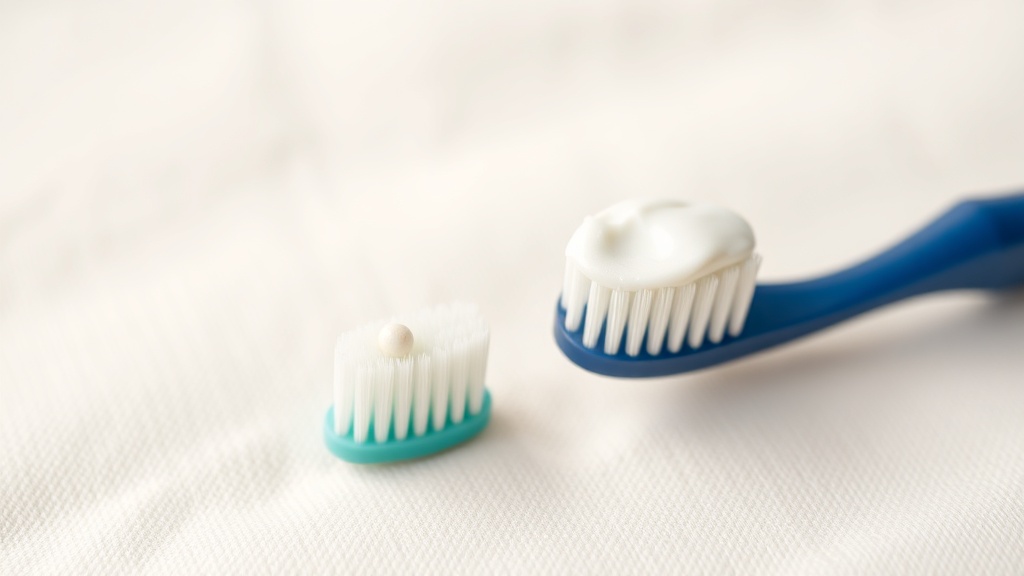
The amount is the safety control: a rice-grain smear for under-threes (left) and a pea-sized amount from three to six (right).
What the research actually shows
Every claim below maps to a named, peer-reviewed source in the Sources section. According to PubMed.
| Claim | Evidence | Source |
|---|---|---|
| Fluoride toothpaste reduced the amount of new decay in children by about 24% compared with non-fluoride toothpaste. | Cochrane review, 70 trials, 42,300 children. | Marinho et al., Cochrane 2003 |
| Toothpaste below 550 ppm fluoride showed no significant benefit over placebo; a reliable effect appeared only at 1,000 ppm and above. | Cochrane concentration-comparison network. | Walsh et al., Cochrane 2010 |
| Fluoride concentration for young children should be balanced against the small risk of mild fluorosis, which comes from swallowing fluoride while teeth develop - driven more by the amount used than the concentration. | Cochrane review plus a clinical review of fluorosis risk. | Walsh et al., 2019; Davies et al., 2003 |
| Fluoride-free nano-hydroxyapatite toothpaste was not significantly different from fluoride in short trials (RR 0.98) - an alternative, not a superior option, and part of the pro-HAP evidence is industry-funded. | Independent meta-analysis alongside a manufacturer-linked review. | Chatzidimitriou et al., 2025; Limeback et al., 2021 |
| Nano-hydroxyapatite and calcium phosphate carry very low swallowing risk because they dissolve rapidly in stomach acid - reassuring for toddlers who swallow paste. | Nanotoxicology review. | Epple, 2018 |
What to look for on the tube
| Feature | What to choose | Why it matters |
|---|---|---|
| Active ingredient | Fluoride at ~1,000-1,100 ppm (or nano-hydroxyapatite if going fluoride-free) | This is what protects the enamel; very low-fluoride pastes underperform |
| Amount used | A rice-grain smear under 3; pea-sized from 3-6 | The dose keeps it effective yet safe if a little is swallowed |
| Abrasiveness | A low-abrasion toddler formula | Baby-tooth enamel is thin; harsh polishers are unnecessary |
| Whitening or tartar control | Avoid for toddlers | Needlessly abrasive and not designed for little teeth |
| Flavour | Mild, not intensely sweet | A pleasant taste aids cooperation without encouraging swallowing |
| Certification | A recognised dental-association seal where available | A quick signal the formula meets basic safety and efficacy checks |
Fluoride or fluoride-free: an honest look
This is where many parents feel torn, so here is a straight answer. Fluoride is the most thoroughly studied and most effective ingredient for keeping decay at bay, and every major dental body recommends it for children - including toddlers - in the small amounts described here. The genuine reason some families choose fluoride-free is not that fluoride toothpaste is toxic; it is not, when used in a rice-grain smear. The real considerations are avoiding mild dental fluorosis - faint white flecks that can appear if young children repeatedly swallow too much fluoride while their adult teeth are still forming - and simple personal preference. That risk is managed by controlling the amount, which is exactly why the smear size matters so much. If, weighing all of that, you still prefer to go fluoride-free, do it with eyes open: nano-hydroxyapatite is the best-researched alternative, and independent studies find it performs comparably to fluoride over short periods - comparably, not better, and some of the more enthusiastic evidence comes from companies that sell it. It is reassuring that these ingredients dissolve harmlessly if a little is swallowed. The honest bottom line is respect for the choice and clarity about the evidence: fluoride remains the gold standard, fluoride-free hydroxyapatite is a reasonable alternative, and the amount you use matters more than the label on the tube.
Evidence you can act on.
Occasional emails — new research, new protocols, no noise.
How to choose and use a toddler toothpaste
This is everyday care, not medical treatment. Pick a mild, effective paste and, above all, get the amount and the routine right.
- 1
Choose the active ingredient with eyes open
before you buyFor most families, a fluoride toothpaste around 1,000-1,100 ppm is the evidence-backed pick. If you prefer fluoride-free, choose a nano-hydroxyapatite paste rather than one with no active ingredient at all. Either way, pick a formula made for young children.
- 2
Use a rice-grain smear
every brushFor under-threes, a smear the size of a grain of rice is all you need; from three to six, move up to a pea-sized amount. This is the single most important safety step - it keeps any swallowed fluoride tiny while still protecting the teeth.
- 3
Brush twice a day, and do it with them
2 minutes, twice dailyBrush in the morning and, most importantly, right before bed. Toddlers cannot clean their own teeth well, so an adult should do or closely guide the brushing, reaching the gumline and the back chewing surfaces.
- 4
Spit, do not rinse
after brushingEncourage your toddler to spit out the extra paste rather than rinse with water. Leaving a thin film behind lets the fluoride or hydroxyapatite keep working on the enamel. At this age, a gentle wipe or a small spit is plenty.
- 5
Store it safely and check with your dentist
ongoingKeep the tube well out of reach - toddlers are drawn to fruity flavours and may eat it. Bring your toothpaste choice to dental visits so the dentist can tailor advice to your child decay risk, which is the best guide of all.
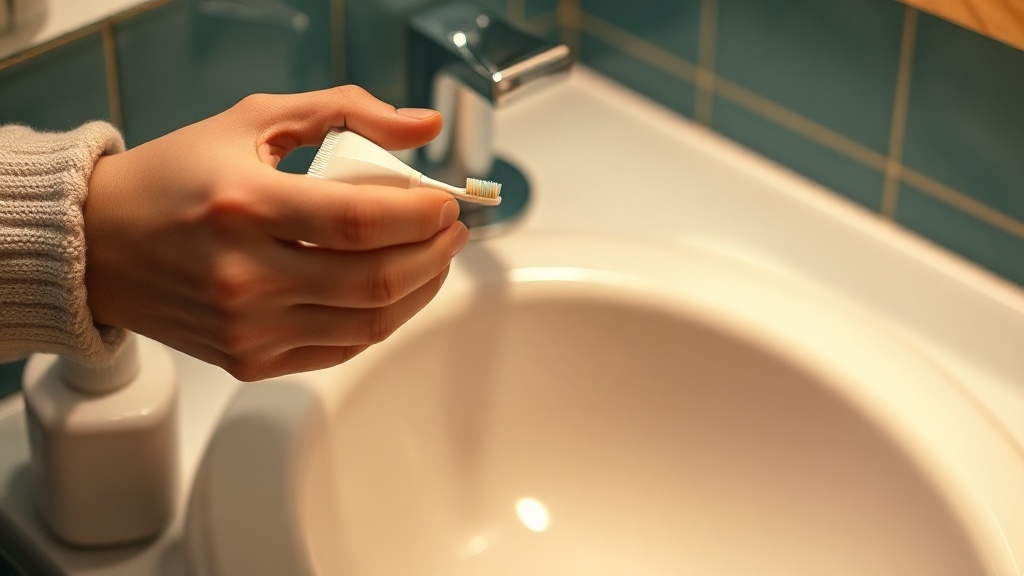
An adult applies the smear and supervises the brushing - at this age, the grown-up does most of the work.
Toothpaste is daily care, not a fix for problems. See a paediatric dentist if you notice white, brown, or chalky spots on your toddler teeth, if a tooth looks pitted or discoloured, if the gums bleed or swell, or if your child seems to have tooth pain. Ask your dentist which toothpaste and how much fluoride suits your child specific decay risk - their guidance beats any general rule. And schedule that first dental visit by around age one to set up a dental home early.
Frequently asked questions
Sources
- 1.
- 2.
- 3.
- 4.
- 5.
- 6.
- 7.

Fix your breath at the source.
The complete science-backed protocol — engineered to eliminate volatile sulfur compounds at the biological source.
Start the Breath Protocol →Related reading
Educational purposes only. The content on this page is not medical advice and is not a substitute for consultation with a qualified dental or medical professional.
More from the library
 Best Of8 min
Best Toothpaste for Kids by Age: An Honest Guide
A calm, age-by-age guide to choosing a kids toothpaste - the right fluoride amount, why flavour matters, and the whitening and charcoal pastes worth skipping.
Read →→ Best Of8 min
Fluoride-Free Toothpaste for Kids: What Parents Should Weigh
Choosing fluoride-free toothpaste for a child is a values decision with a genuine dental trade-off, weighed honestly here.
Read →→ Best Of8 min
Best Toddler Toothbrushes: Dentist-Informed Picks for Ages 1-3
How to choose a toddler toothbrush that is soft, small and safe - and why the parent, not the brush, does the real cleaning until about age six.
Read →→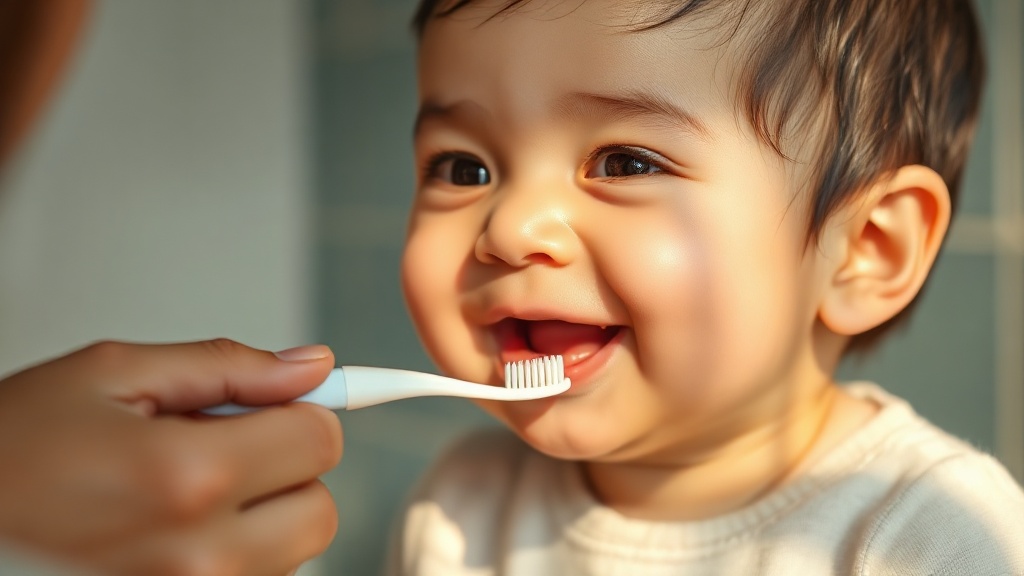 Answers8 min
When to Start Brushing Baby Teeth (Age-by-Age Guide)
A straight answer on when and how to start brushing, how much toothpaste to use at each age, and why a tiny smear is both safe and effective.
Read →→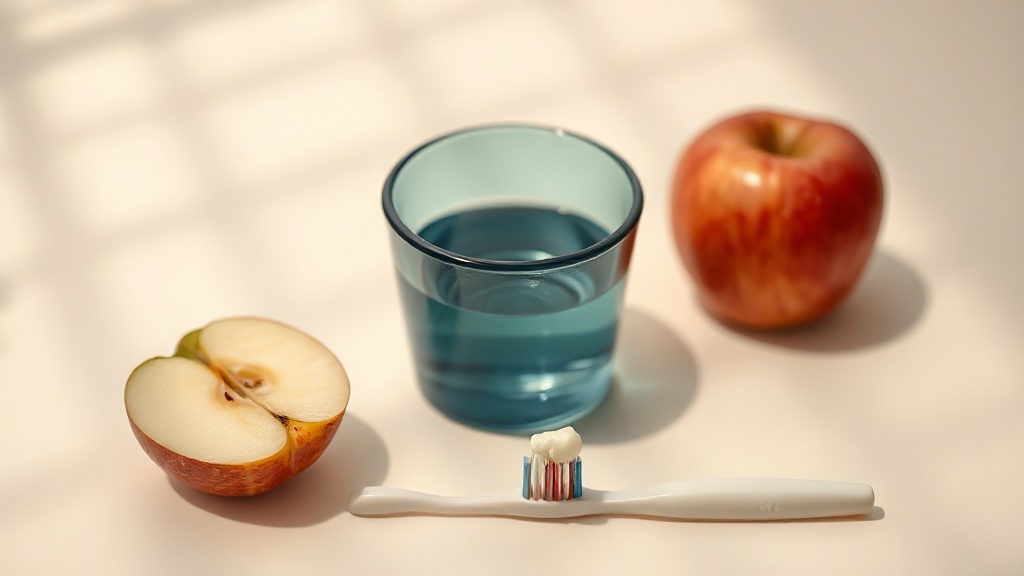 Guides9 min
Early Childhood Caries: Gentle Prevention for Little Smiles
What early childhood caries is, why it happens, and the calm daily habits - diet, bottle routines, brushing, dental visits - that lower a young child's risk.
Read →→ Best Of8 min
Best Teething Gel for Babies: Safer Soothing Options Compared
Why the honest best is non-medicated relief - and why the FDA warns against benzocaine and lidocaine teething gels for babies and toddlers.
Read →→