Early Childhood Caries: Gentle Prevention for Little Smiles
What early childhood caries is, why it happens, and the calm daily habits - diet, bottle routines, brushing, dental visits - that lower a young child's risk.
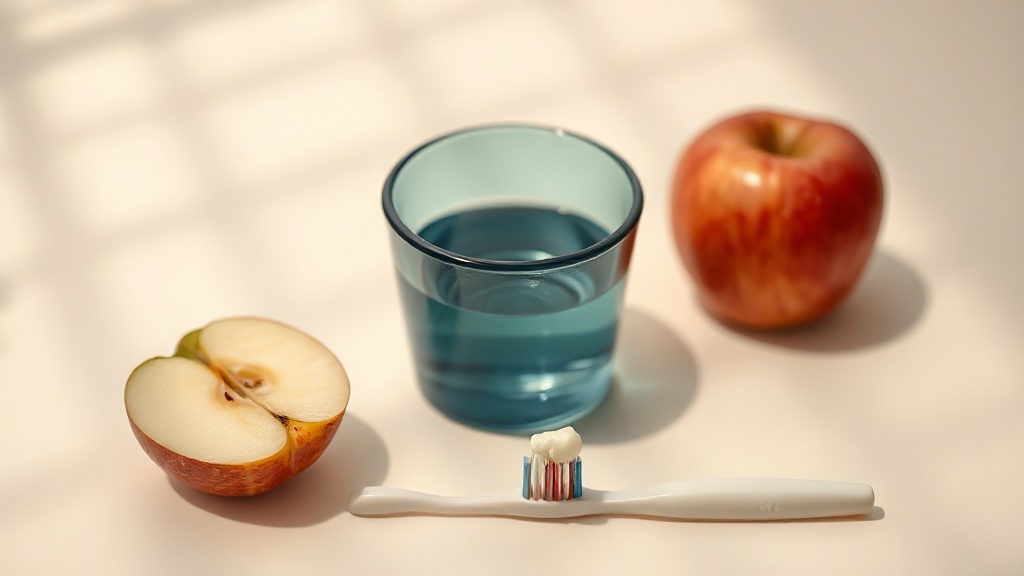
- Early childhood caries (ECC) means cavities in the baby teeth of a child under 6. It is a disease, and it is the single most common chronic disease of early childhood - roughly 48% of preschoolers worldwide are affected.
- It is not caused by one bad moment or by soft teeth. It builds up over time from frequent sugar on the teeth, cavity-causing bacteria that are often passed from a caregiver, and teeth that are not cleaned often enough.
- Sugar frequency is the biggest everyday lever. About half of the gap between poorer and wealthier children's cavities is explained by free-sugar intake in the toddler years, so how often - not just how much - matters.
- Small daily habits meaningfully lower the risk: water instead of sugary drinks, no bottle of milk or juice to fall asleep with, and brushing twice a day with the right small amount of fluoride toothpaste.
- ECC is a disease that needs a professional. This guide is educational and does not replace care - book a pediatric dentist by your child's first birthday, and sooner if you see any white or brown spots near the gumline.
Early childhood caries is tooth decay in the baby teeth of children under 6 - the most common chronic disease of early childhood. It develops from frequent sugar, cavity-causing bacteria and infrequent cleaning. Everyday habits like water over sugary drinks, no bedtime bottle, and twice-daily brushing lower the risk. See a pediatric dentist to assess and manage it.
What early childhood caries actually is
Early childhood caries is not a cosmetic stain or a sign that a parent has failed - it is a disease process, and understanding the process is what makes the prevention make sense. Every mouth carries bacteria. When cavity-causing species, especially Streptococcus mutans, meet sugars from food and drink, they produce acid, and that acid pulls minerals out of the enamel. In the earliest stage this shows up as a chalky white line along the gumline; left to continue, the softened enamel breaks down into a cavity. Baby teeth are especially vulnerable because their enamel is thinner than adult enamel, so the same acid attack progresses faster. Two things decide whether the process tips toward damage: how often the teeth are bathed in sugar, and how often that acid is cleared and the enamel given a chance to recover. That is why a child who sips juice all afternoon or falls asleep with a milk bottle is at high risk even without obvious junk food - it is the constant, repeated acid exposure, not one sweet treat, that does the harm. Framing ECC as an ongoing balance between acid attack and recovery is the key to every habit that follows.
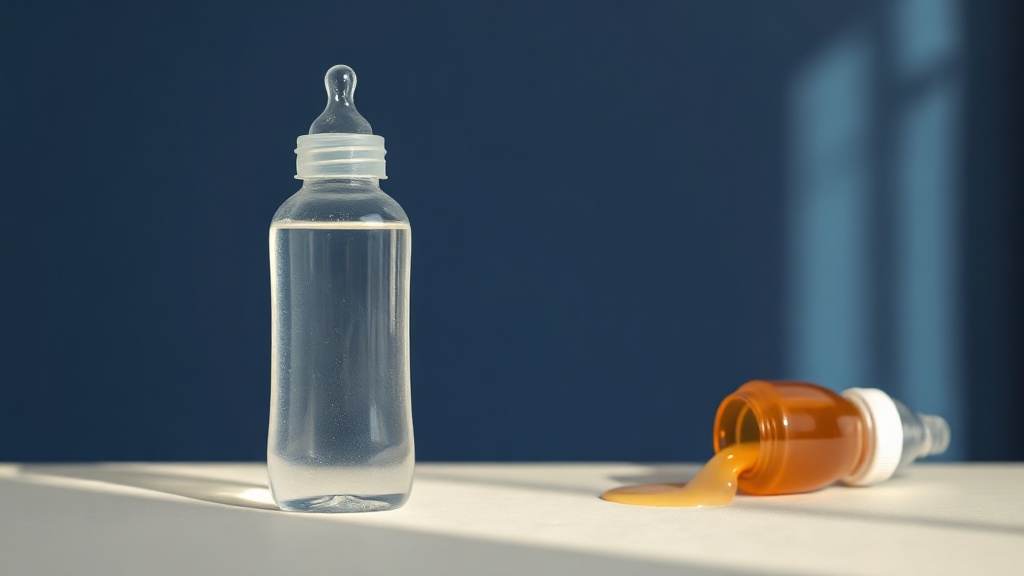
A bedtime bottle of milk or juice bathes the teeth in sugar for hours. Water is the safe overnight drink - the single most protective bottle habit.
What the research actually shows
Every claim below maps to a named, peer-reviewed source in the Sources section. According to PubMed.
| Claim | Evidence | Source |
|---|---|---|
| Early childhood caries affects roughly 48% of preschoolers worldwide, making it the most prevalent chronic disease of early childhood. | Global meta-analysis (64 reports, 29 countries, 59,018 children). | Uribe et al., 2021 |
| About 52% of the gap between lower- and higher-income children's caries is explained by free-sugar intake at age 2 - so reducing how often sugar hits the teeth is the highest-yield everyday habit. | Birth-cohort causal-mediation analysis. | Dao et al., 2025 |
| Brushing with fluoride toothpaste lowers the caries increment by about 24% compared with non-fluoride toothpaste. | Cochrane review (70 trials, 42,300 children). | Marinho et al., 2003 |
| Professionally applied fluoride varnish reduces caries in baby teeth by about 37%. | Cochrane review of fluoride varnish trials. | Marinho et al., 2013 |
| Diet and feeding advice given to caregivers in a child's first year lowers early childhood caries by around 15%. | Cochrane review of caregiver counseling trials. | Gomersall et al., 2024 |
Everyday habits and how they change the risk
| Habit | Effect on a child's risk | What helps |
|---|---|---|
| Bottle or sippy of milk or juice at bedtime | A sugar bath on the teeth for hours overnight - high risk | Water only at night; finish milk before bed, then wipe or brush |
| Frequent sugary snacks and drinks | Every exposure feeds acid; frequency matters as much as amount | Fewer sugar moments; offer water between meals |
| Brushing with the right amount of fluoride toothpaste | Lowers cavity risk when done twice daily | Rice-grain smear under age 3, pea-size for ages 3-6, spit don't rinse |
| Sharing spoons or cleaning a pacifier in your mouth | Passes cavity-causing bacteria - a caregiver is the main source | Avoid saliva-sharing and keep your own mouth healthy |
| First dental visit by age 1 | Early risk check and personalized coaching | Establish a dental home and go back as advised |
Where the bacteria come from - and why fluoride is the honest benchmark
Two points are worth being candid about, because they shape sensible choices. First, the main cavity-causing bacterium is usually passed to a child from a caregiver: studies find that around 71% of children carry a strain of Streptococcus mutans identical to their mother's, transferred through everyday saliva-sharing like tasting food off the same spoon. That is not a reason for guilt - it is a reason to keep your own mouth healthy and to avoid sharing saliva, which quietly lowers the load your child is exposed to. Second, fluoride is the honest benchmark for lowering cavity risk. Many families prefer fluoride-free products, and that is a personal choice a good routine can accommodate, but it deserves an honest footnote: fluoride toothpaste has the strongest evidence for reducing decay, and the sensible way to use it in young children is the right small amount rather than skipping it out of a vague fear. If you choose a fluoride-free paste, lean harder on the levers that carry no debate at all - cutting sugar frequency, protecting the overnight hours, and regular dental visits.
Evidence you can act on.
Occasional emails — new research, new protocols, no noise.
A gentle daily routine that lowers the risk
None of these steps is a fix on its own, and no product can undo a cavity once it has formed - this is everyday risk reduction for a disease that still needs a dentist. Do the simple things consistently and they add up.
- 1
Make water the default drink
all dayOffer plain water between meals and at night. Keep juice and sweetened drinks to mealtimes and small amounts - remember that 100% fruit juice behaves like a sugary drink for the teeth, so it counts.
- 2
Protect the overnight hours
every nightDo not put your child to bed with a bottle of milk, formula or juice. If they need a bottle to settle, make it water, and wipe or brush the teeth before sleep so they are not left coated in sugar.
- 3
Brush twice a day with the right amount
2 minutes, twice dailyUse a soft brush and the correct amount of fluoride toothpaste - a rice-grain smear under age 3 and a pea-size amount for ages 3 to 6. Brush along the gumline, help until your child can do it well themselves, and encourage spitting rather than rinsing.
- 4
Cut the number of sugar moments
ongoingHow often sugar reaches the teeth matters more than the total. Cluster sweets into mealtimes instead of grazing, and choose snacks like cheese, plain yogurt or fruit over sticky, sugary ones.
- 5
Keep your own mouth healthy and avoid saliva-sharing
ongoingBecause cavity-causing bacteria pass from caregiver to child, look after your own teeth and skip habits like cleaning a pacifier in your mouth or sharing a spoon. It quietly lowers what your child is exposed to.
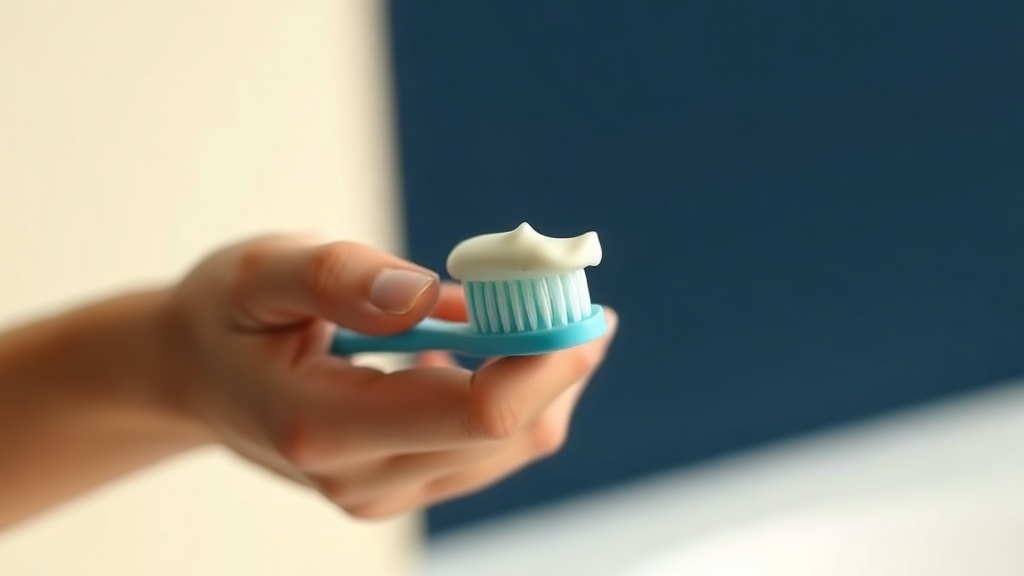
For a child under 3, a rice-grain smear of fluoride toothpaste is the right amount - enough to lower risk, small enough to be safe if swallowed.
Early childhood caries is a disease, so a product or a home routine is never a substitute for professional care. Book a pediatric dentist promptly if you notice chalky white lines, brown or black spots near the gumline, a pit or hole in a tooth, or any sign your child's tooth hurts. Even with no visible problem, plan a first dental visit by your child's first birthday so a dentist can assess risk early and tailor advice to your family. A pediatric dentist can spot early changes a parent cannot and offer options such as fluoride varnish or sealants where appropriate.
Frequently asked questions
Sources
- 1.
- 2.
- 3.
- 4.
- 5.
- 6.

Fix your breath at the source.
The complete science-backed protocol — engineered to eliminate volatile sulfur compounds at the biological source.
Start the Breath Protocol →Related reading
Educational purposes only. The content on this page is not medical advice and is not a substitute for consultation with a qualified dental or medical professional.
More from the library
 Causes9 min
Baby Bottle Tooth Decay: Causes and How to Protect Little Teeth
Baby bottle tooth decay comes from sugary liquids pooling on baby teeth; simple daily habits lower the risk.
Read →→ Guides8 min
Fluoride Varnish for Kids: What Parents Should Know
A calm, honest look at the sticky coating your dentist paints on your child's teeth - what it does, how safe it really is, and why the temporary yellow tint is nothing to worry about.
Read →→ Guides8 min
Silver Diamine Fluoride for Kids: How It Stops Cavities, the Black Stain, and What to Expect
A dentist-applied liquid that can halt early tooth decay without a drill - and the honest trade-off it comes with: a permanent black stain on the treated spot.
Read →→ Answers8 min
When to Start Brushing Baby Teeth (Age-by-Age Guide)
A straight answer on when and how to start brushing, how much toothpaste to use at each age, and why a tiny smear is both safe and effective.
Read →→ Best Of8 min
Best Teething Gel for Babies: Safer Soothing Options Compared
Why the honest best is non-medicated relief - and why the FDA warns against benzocaine and lidocaine teething gels for babies and toddlers.
Read →→ Best Of8 min
Best Toothbrush for Kids by Age (2026 Buying Guide)
A calm, honest guide to choosing a child toothbrush by age — soft bristles, small head, and the habits that matter more than any brand.
Read →→