
Fluoride-Free Toothpaste for Kids: What Parents Should Weigh
Choosing fluoride-free toothpaste for a child is a values decision with a genuine dental trade-off, weighed honestly here.
- Fluoride is the most evidence-backed cavity-fighting ingredient in toothpaste: across more than 70 trials it cut tooth decay by about a quarter in children. Going fluoride-free means setting that proven protection aside, so it is a trade-off, not a free upgrade.
- Fluoride-free is still a legitimate parental choice. The honest reasons are avoiding dental fluorosis (faint white mottling that can form while teeth are developing) and personal preference, not toxicity.
- Hydroxyapatite is the most promising fluoride-free option. Independent research suggests it may work about as well as fluoride, but the studies are few, short, and some were funded by toothpaste makers, so it is best seen as an alternative, not a proven equal.
- If you go fluoride-free, the two levers that matter most are diet (especially how often sugar and juice appear) and regular dental visits. Those do more for a young child than the choice of paste alone.
- Whatever paste you pick, use the right amount: a rice-grain smear under age 3 and a pea-size dab from ages 3 to 6, and let a pediatric dentist personalize the plan for your child.
Fluoride-free toothpaste is a reasonable choice for many families, but it is a trade-off. Fluoride is the most proven cavity-fighter, cutting decay by roughly a quarter in studies. If you skip it, lean harder on limiting sugary drinks and keeping regular dental visits. Hydroxyapatite is a promising, if less proven, alternative that is safe to swallow.
Why fluoride is the benchmark
Every mouth runs a slow tug-of-war on the surface of the teeth. The bacteria in dental plaque feed on sugars and release acid, and that acid pulls minerals out of enamel in a process called demineralization. Between meals, saliva buffers the acid and returns minerals, letting the enamel harden back up. A cavity forms only when the losing side of that balance wins for long enough. Fluoride matters because it tips the balance toward repair: it becomes part of the rebuilt enamel crystal, making it more resistant to the next acid attack, and it nudges saliva to redeposit minerals faster. That is why fluoride toothpaste is the reference every other ingredient is measured against. Crucially, the effect is dose-dependent. Toothpastes below about 550 parts per million of fluoride have not shown a meaningful benefit over a placebo in trials, while pastes at 1000 ppm and above reliably reduce decay. So a low-fluoride paste is not a gentle middle ground; it can be the worst of both worlds, carrying a little fluoride without the protection that makes fluoride worthwhile.
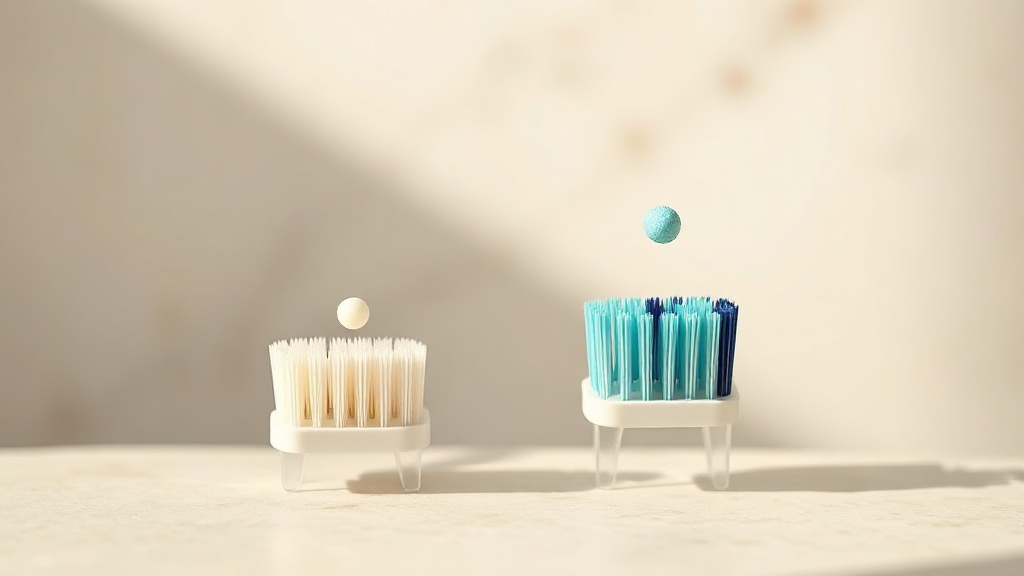
Amount matters more than brand: a rice-grain smear under age 3, a pea-size dab from ages 3 to 6.
What the research actually shows
Every claim below maps to a named, peer-reviewed source in the Sources section. According to PubMed.
| Claim | Evidence | Source |
|---|---|---|
| Fluoride toothpaste reduced the tooth-decay increment by about 24% versus non-fluoride paste across 70 trials in 42,300 children. | Cochrane systematic review of randomized trials. | Marinho et al., 2003 |
| Toothpaste below 550 ppm fluoride showed no significant benefit over placebo; meaningful reduction appears at 1000 ppm and above. | Cochrane review of fluoride concentrations. | Walsh et al., 2010 |
| For young children the fluoride concentration should be balanced against the risk of fluorosis while teeth are forming. | Cochrane review, 2019 update. | Walsh et al., 2019 |
| An independent meta-analysis found no significant difference between hydroxyapatite and fluoride toothpaste (RR 0.98) in under-25s: an effective alternative, not a superior one. | Independent systematic review and meta-analysis. | Chatzidimitriou et al., 2025 |
| Hydroxyapatite and calcium phosphate are safe if swallowed: they dissolve rapidly in stomach acid, with uptake risk judged very low or absent. | Nanotoxicology review. | Epple, 2018 |
The fluoride-free options, honestly
| Option | What the evidence says | Who it suits |
|---|---|---|
| Fluoride toothpaste (1000+ ppm) | Strongest, most consistent reduction in cavities; small fluorosis risk only if over-used while teeth form | Higher-risk kids and families comfortable with fluoride, using the correct rice or pea amount |
| Fluoride-free hydroxyapatite | Promising and safe to swallow; may match fluoride in short studies, but the evidence is thin and partly industry-funded | Parents who prefer fluoride-free and will keep sugar low and visits regular |
| Low-fluoride paste (under 550 ppm) | No significant cavity benefit shown over placebo | Rarely the best pick: little protection, still some fluoride |
| Herbal or xylitol-only pastes | Little strong pediatric evidence for reducing decay | Freshening and routine, not a proven cavity strategy on their own |
The honest case for going fluoride-free, and its trade-off
The most common real reason parents choose fluoride-free is fluorosis: when a young child repeatedly swallows too much fluoride while the adult teeth are still forming under the gums, it can leave faint white flecks or lines on those teeth later. Mild fluorosis is a cosmetic change, not a sign of harm, and it is driven mostly by how much paste is swallowed rather than the concentration on the brush. The second reason is the under-3 swallowing worry, since toddlers cannot reliably spit, which is exactly why the recommended amount is a smear, not a ribbon. Some parents simply prefer a fluoride-free routine, and that is a values choice worth respecting. Research is clear that fluoride-hesitant parents are not the same as anti-vaccine parents and should not be lectured as if they were; personalizing the conversation to a child real risk works far better than fear. The honest trade-off is this: fluoride-free removes the ingredient with the strongest track record for keeping cavities away, so a fluoride-free child leans more heavily on diet, brushing habits, and professional care. None of this is about a product treating a disease; it is about tilting everyday odds and working with a pediatric dentist who knows your child.
Evidence you can act on.
Occasional emails — new research, new protocols, no noise.
How to protect little teeth whichever paste you choose
The paste is one lever among several. These habits do the heavy lifting, and they matter even more if you have chosen to go fluoride-free.
- 1
Use the right amount, brushed twice a day
morning and bedtimeA rice-grain smear under age 3 and a pea-size dab from ages 3 to 6. Bedtime brushing matters most, because saliva flow drops overnight. Help or supervise brushing until about age 6 to 8, when a child can do a thorough job alone.
- 2
Tame the sugar clock
every dayHow often sugar appears matters as much as how much. Keep juice and sweet snacks to mealtimes, offer water and plain milk in between, and remember that 100% fruit juice behaves like soda for the teeth. This is the single biggest lever a fluoride-free family controls.
- 3
Keep regular dental visits
from age 1Book a first visit by the first birthday, then keep check-ups. Ask about professional fluoride varnish, a dentist-applied option that even families who avoid fluoride at home sometimes choose for a higher-risk child. A dentist can catch the earliest white-spot stage while it is still reversible.
- 4
If you choose hydroxyapatite, choose it well
ongoingPick a product that is transparent about its ingredients, and pair it with the diet and dental-visit habits above. Treat it as an alternative that still needs good habits around it, never as a licence to relax on sugar or skip the dentist.
- 5
Personalize the plan for your child
as advisedA child with early white spots, special health needs, or a family history of cavities is higher risk, and a pediatric dentist may steer that child toward fluoride specifically. A lower-risk child with a careful diet has more room for a fluoride-free routine. Let risk, not ideology, guide the choice.
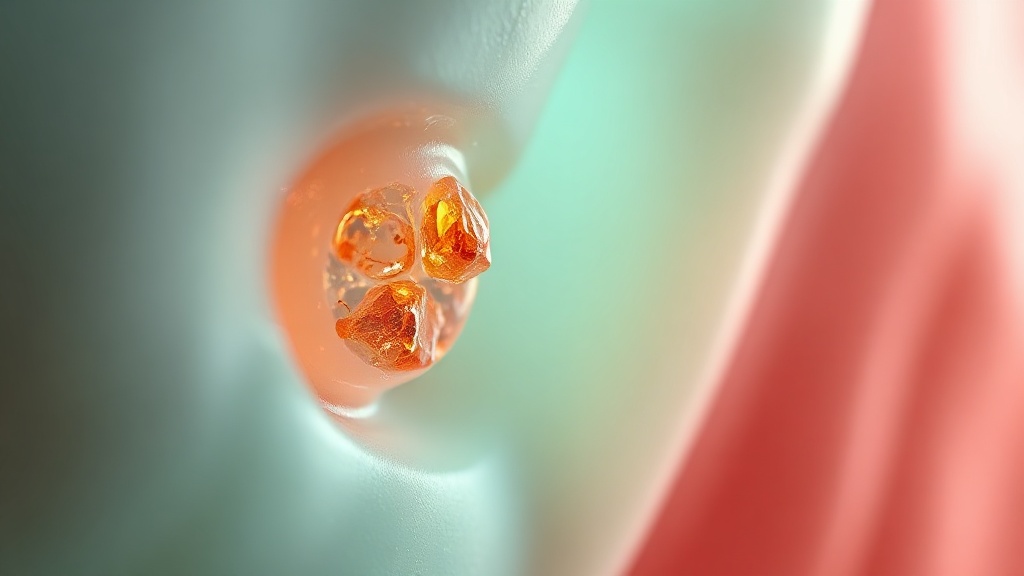
Both fluoride and hydroxyapatite work by helping enamel take minerals back up; fluoride simply has the stronger evidence.
See a pediatric dentist if you notice dull white lines or brown spots along the gumline, any pitting or a hole in a tooth, or pain and fussiness with eating. It is also worth a conversation before you switch a higher-risk child off fluoride, so the decision is made with your child real cavity risk in view rather than in the abstract. A dentist can also apply fluoride varnish and show you exactly how much paste to use.
Frequently asked questions
Sources
- 1.
- 2.
- 3.
- 4.
- 5.
- 6.
- 7.
- 8.
- 9.
- 10.

Fix your breath at the source.
The complete science-backed protocol — engineered to eliminate volatile sulfur compounds at the biological source.
Start the Breath Protocol →Related reading
Educational purposes only. The content on this page is not medical advice and is not a substitute for consultation with a qualified dental or medical professional.
More from the library
 Best Of8 min
Fluoride Toothpaste for Kids: How Much Is Safe (2026)
Fluoride is the best-proven way to protect a child teeth from decay - and using the right small amount for their age is what keeps it both effective and safe.
Read →→ Best Of8 min
Best Toothpaste for Kids by Age: An Honest Guide
A calm, age-by-age guide to choosing a kids toothpaste - the right fluoride amount, why flavour matters, and the whitening and charcoal pastes worth skipping.
Read →→ Guides9 min
Early Childhood Caries: Gentle Prevention for Little Smiles
What early childhood caries is, why it happens, and the calm daily habits - diet, bottle routines, brushing, dental visits - that lower a young child's risk.
Read →→ Answers8 min
When to Start Brushing Baby Teeth (Age-by-Age Guide)
A straight answer on when and how to start brushing, how much toothpaste to use at each age, and why a tiny smear is both safe and effective.
Read →→ Best Of8 min
Best Teething Gel for Babies: Safer Soothing Options Compared
Why the honest best is non-medicated relief - and why the FDA warns against benzocaine and lidocaine teething gels for babies and toddlers.
Read →→ Best Of8 min
Best Toothbrush for Kids by Age (2026 Buying Guide)
A calm, honest guide to choosing a child toothbrush by age — soft bristles, small head, and the habits that matter more than any brand.
Read →→