
Best Toothbrush for Kids by Age: An Honest Buying Guide
A calm, honest guide to choosing a child toothbrush by age — soft bristles, small head, and the habits that matter more than any brand.
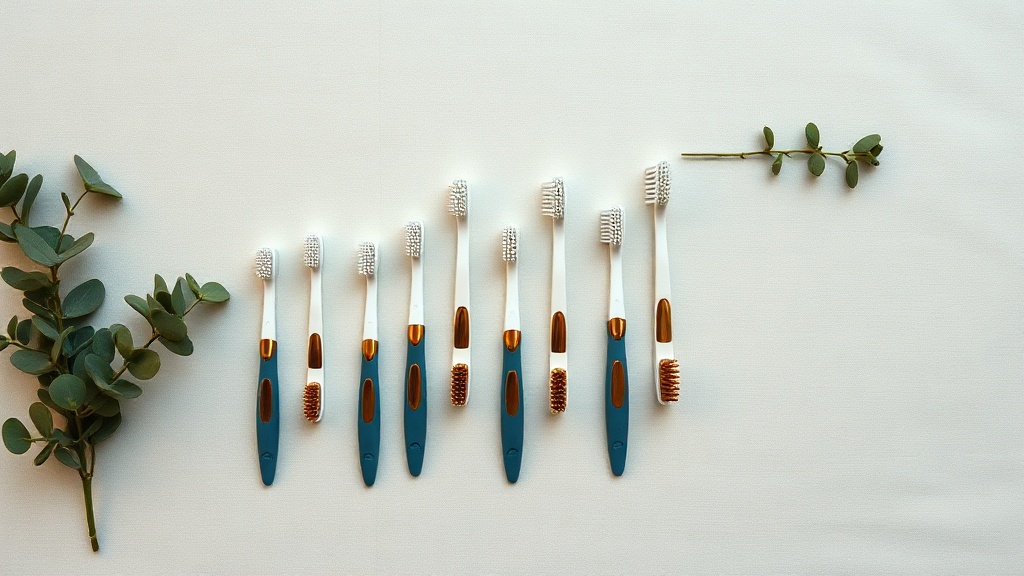
- The best toothbrush for a child is not a brand — it is any brush with soft bristles, a small head, and a chunky easy-to-hold handle that your child is happy to let you use twice a day.
- Head size and softness matter far more than power: a small head reaches a toddler's back teeth, and soft rounded bristles clean well without scrubbing delicate gums.
- A powered brush removes a little more plaque than a manual one in the research, but the difference is modest, and a good manual brush used well is completely fine.
- What the brush is paired with matters more than the brush itself — the right amount of fluoride toothpaste for your child's age, good technique, and an adult doing or supervising until about age seven or eight.
- Replace the brush every three months or sooner once the bristles splay, and pick a colour or character your child likes so brushing becomes a habit they do not fight.
The best toothbrush for a child has soft bristles, a small head sized to their age, and a large comfortable grip — and, just as important, is one your child will let you use. Powered brushes clean slightly better in studies, but a soft manual brush used twice a day with the right amount of fluoride toothpaste, under a parent's eye, does the job just as well.
What actually makes a toothbrush right for a child
A toothbrush is a delivery tool. It carries fluoride toothpaste to the tooth surface and disturbs the soft film of plaque that gathers along the gumline — and for a child, three plain features decide how well it can do that. The first is soft bristles. A child's gums are delicate, and firm or medium bristles offer no cleaning advantage while raising the risk of irritation, so paediatric brushes should always be labelled soft or extra-soft with rounded filament tips. The second is a small head. Little mouths have little teeth set close together, and a compact head is the only way to reach the cheek-side of the back molars where decay tends to start. The third is a big, grippy handle — the opposite of an adult brush. Young children hold a brush in a full fist, not a pencil grip, so a thick non-slip handle helps them (and you) angle it properly. Everything else — colours, characters, timers, vibration — is a bonus that can help with cooperation, but none of it substitutes for a soft, small, well-held brush.
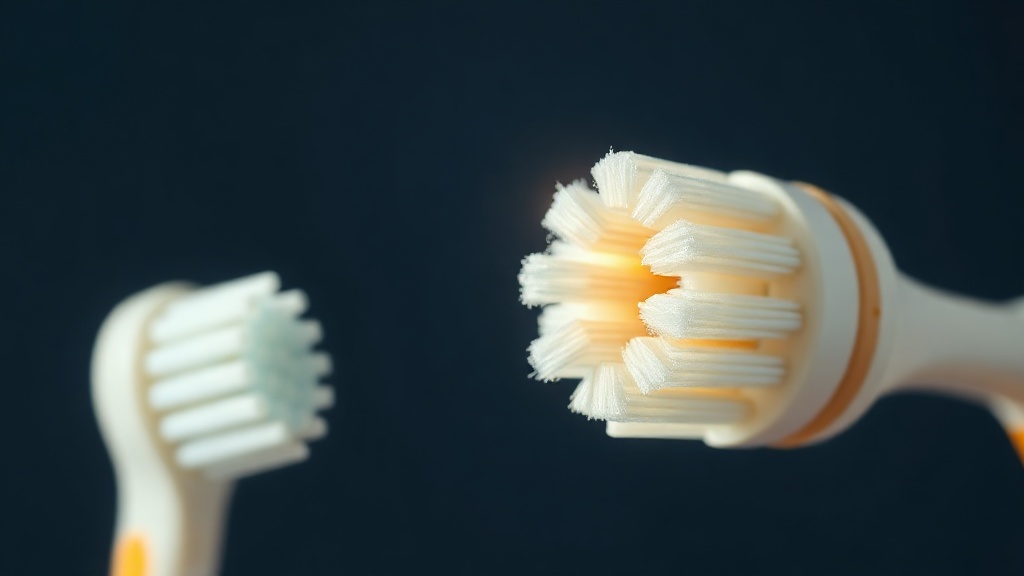
For a child, a small head and soft rounded bristles matter more than anything printed on the package.
What the research actually shows
Every claim below maps to a named, peer-reviewed source in the Sources section. According to PubMed.
| Claim | Evidence | Source |
|---|---|---|
| Powered brushes remove modestly more plaque than manual ones (about 11% short-term, 21% long-term), but the clinical importance is unclear and any side effects were only local and temporary. | Cochrane review of 56 trials, 4,624 participants. | Yaacob et al., 2014 |
| Brushing with fluoride toothpaste reduces the caries increment by roughly 24% compared with non-fluoride toothpaste — so the toothpaste on the brush is doing much of the protective work. | Cochrane meta-analysis, 70 trials, 42,300 children. | Marinho et al., 2003 |
| That benefit depends on concentration: toothpaste at or below 550 ppm fluoride showed no significant advantage over placebo, with clear benefit only at about 1,000 ppm and above. | Cochrane review of fluoride toothpaste concentrations. | Walsh et al., 2010 |
| For young children the fluoride amount should be balanced against the risk of mild fluorosis — which is why a smear or pea-sized dab, not a full strip, is advised by age. | Updated Cochrane review of toothpaste concentrations. | Walsh et al., 2019 |
| Coaching caregivers on feeding and toothbrushing habits in a child's first year lowered early childhood caries by about 15% — evidence that the routine around the brush outweighs the gadget itself. | Cochrane review of caregiver interventions. | Gomersall et al., 2024 |
What to check before you buy
| What to check | Why it matters for a child | The honest bar |
|---|---|---|
| Bristle softness | Delicate gums bruise easily and soft bristles clean just as well | Soft or extra-soft, rounded tips — never medium or firm |
| Head size | A small head is the only way to reach little back molars | Small enough to cover one to two teeth at a time |
| Handle grip | Young children brush with a full fist, not a pencil grip | Thick, non-slip, easy for a small hand to hold |
| Powered or manual | Powered helps a little; technique and softness help more | Either is fine — pick what your child cooperates with |
| Replacement | Frayed bristles clean poorly and harbour more debris | Swap every 3 months or sooner if splayed |
Powered versus manual — and the fun factor
Parents often ask whether they should buy an electric brush, and the honest answer is that it is a nice-to-have, not a must-have. In the largest review of the question, powered brushes removed somewhat more plaque and left slightly healthier gums than manual ones, but the reviewers were careful to say the clinical importance of that gap is unclear, and any side effects were minor and temporary. In plain terms: a powered brush can make thorough brushing a little easier, especially for a wriggly toddler or a child with limited dexterity, but a soft manual brush used properly reaches the same standard. Where a powered brush can genuinely earn its place is cooperation — a two-minute timer, a gentle buzz, or a favourite character can turn a nightly battle into a routine, and the best brush in the world is the one that actually gets used. That is also the honest case for letting your child help choose the colour or character: engagement is not a gimmick when it is the difference between brushing happening and not happening. Just do not let a fun design distract from the three things that matter — soft, small, and well held — and remember that until around age seven or eight, an adult should still do or closely supervise the brushing, because young children lack the coordination to clean every surface on their own.
Evidence you can act on.
Occasional emails — new research, new protocols, no noise.
How to choose and use it well
Picking the brush is the easy part. Using it consistently, with the right toothpaste and a bit of supervision, is what actually keeps little teeth healthy.
- 1
Match the brush to your child's age and mouth
one-timeChoose a brush labelled for your child's age band so the head and handle are correctly sized. If in doubt, go smaller on the head — a head that is too big simply cannot reach the back teeth.
- 2
Use the right amount of fluoride toothpaste
every brushFor children under three, a smear the size of a grain of rice; from three to six, a pea-sized amount. Encourage spitting rather than rinsing, and keep the tube out of reach so they do not help themselves to more.
- 3
Brush twice a day for two minutes
2 minutesAngle the bristles at the gumline and use small gentle circles across every surface, morning and last thing before bed. The bedtime brush matters most, because saliva flow drops overnight.
- 4
Do it for them, then with them
until about age 7 to 8Young children cannot reach every surface, so an adult should brush for a toddler and supervise an older child, letting them have a turn to build the habit and then finishing the job yourself.
- 5
Replace it on a schedule
every 3 monthsSwap the brush, or a powered brush head, every three months or as soon as the bristles start to splay, and always after your child has been ill so you are not returning old germs to the mouth.
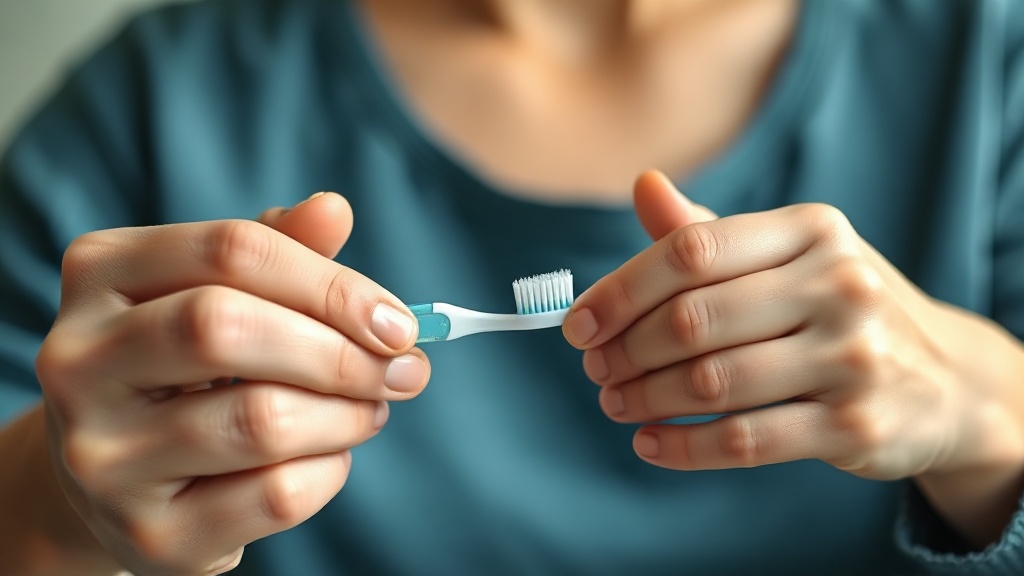
Until about age seven or eight, the adult doing or supervising the brushing matters more than which brush is in hand.
A toothbrush is home care, not a substitute for a check-up. Your child should see a dentist by their first birthday or within six months of the first tooth, and a paediatric dentist or paediatrician can show you the right technique for your child. Book a visit sooner if you notice white, brown or chalky spots on the teeth, bleeding or swollen gums, ongoing brushing refusal that is hurting oral care, or any pain — these need an in-person assessment rather than a change of brush.
Frequently asked questions
Sources
- 1.
- 2.
- 3.
- 4.
- 5.

Fix your breath at the source.
The complete science-backed protocol — engineered to eliminate volatile sulfur compounds at the biological source.
Start the Breath Protocol →Related reading
Educational purposes only. The content on this page is not medical advice and is not a substitute for consultation with a qualified dental or medical professional.
More from the library
 Best Of8 min
Best Toddler Toothbrushes: Dentist-Informed Picks for Ages 1-3
How to choose a toddler toothbrush that is soft, small and safe - and why the parent, not the brush, does the real cleaning until about age six.
Read →→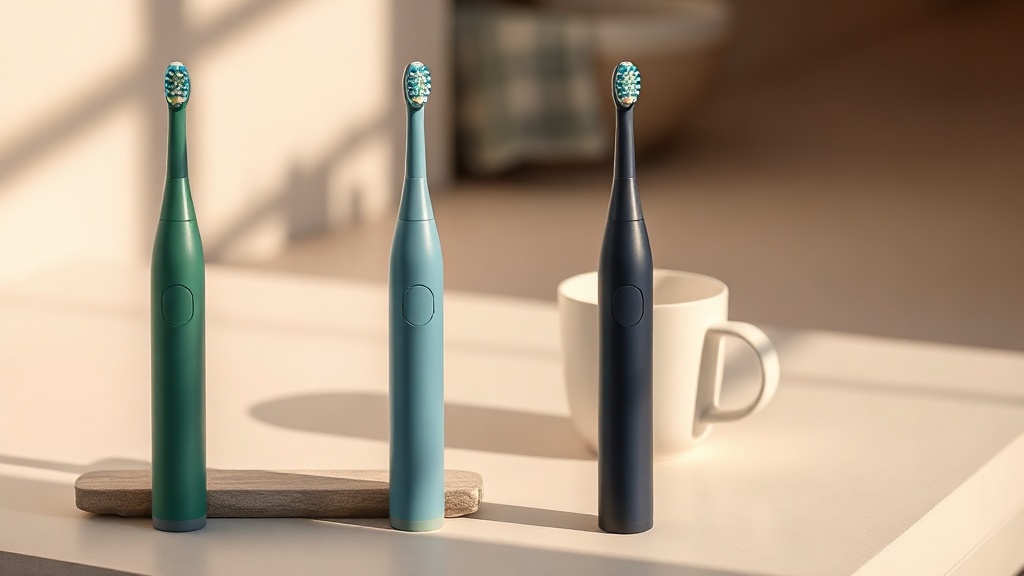 Best Of8 min
Best Electric Toothbrush for Kids (2026): An Honest, Dentist-Informed Guide
What actually matters when choosing a powered brush for a child - and why the toothpaste and your supervision matter more than the gadget.
Read →→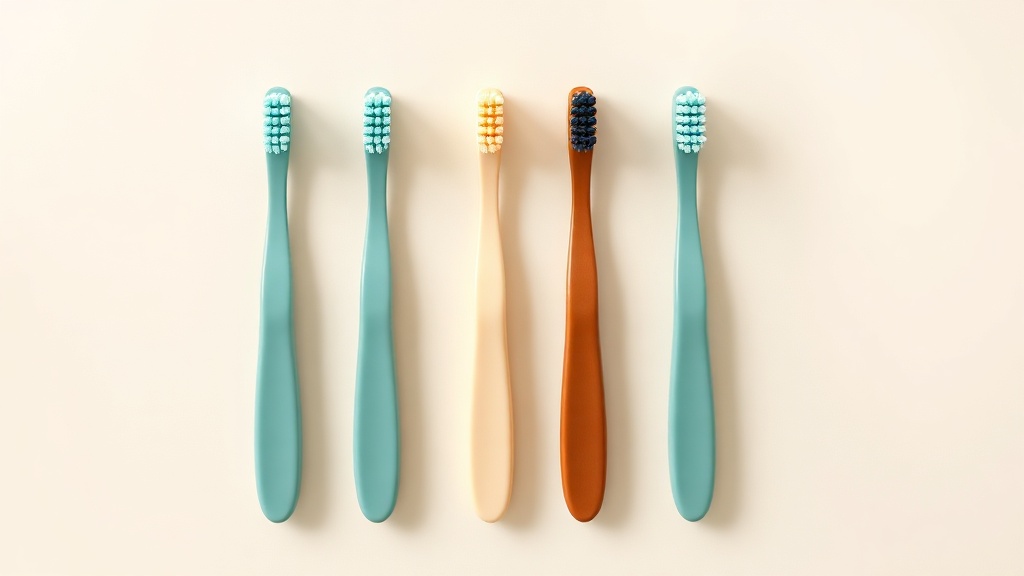 Best Of8 min
Best Toothpaste for Kids by Age: An Honest Guide
A calm, age-by-age guide to choosing a kids toothpaste - the right fluoride amount, why flavour matters, and the whitening and charcoal pastes worth skipping.
Read →→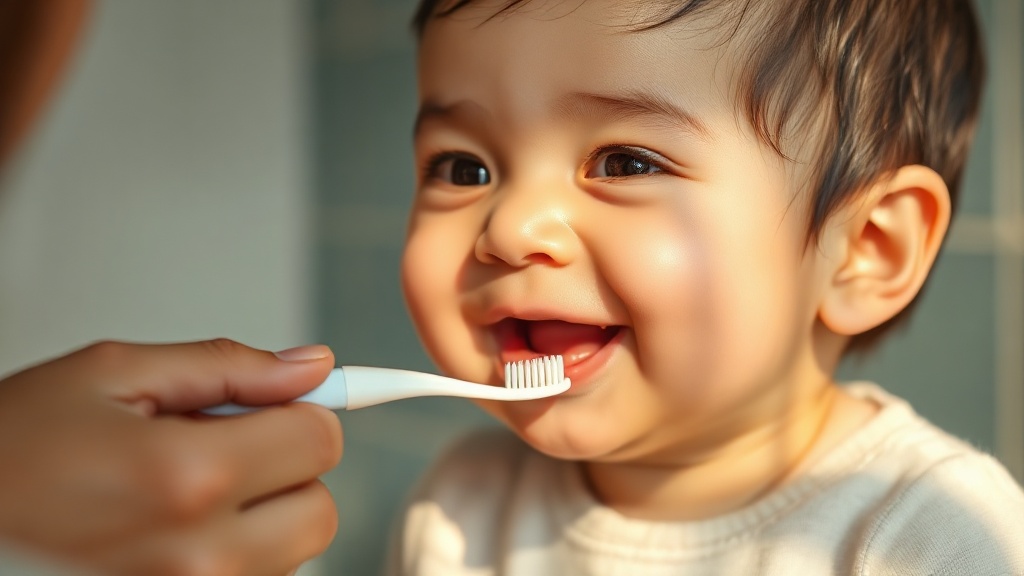 Answers8 min
When to Start Brushing Baby Teeth (Age-by-Age Guide)
A straight answer on when and how to start brushing, how much toothpaste to use at each age, and why a tiny smear is both safe and effective.
Read →→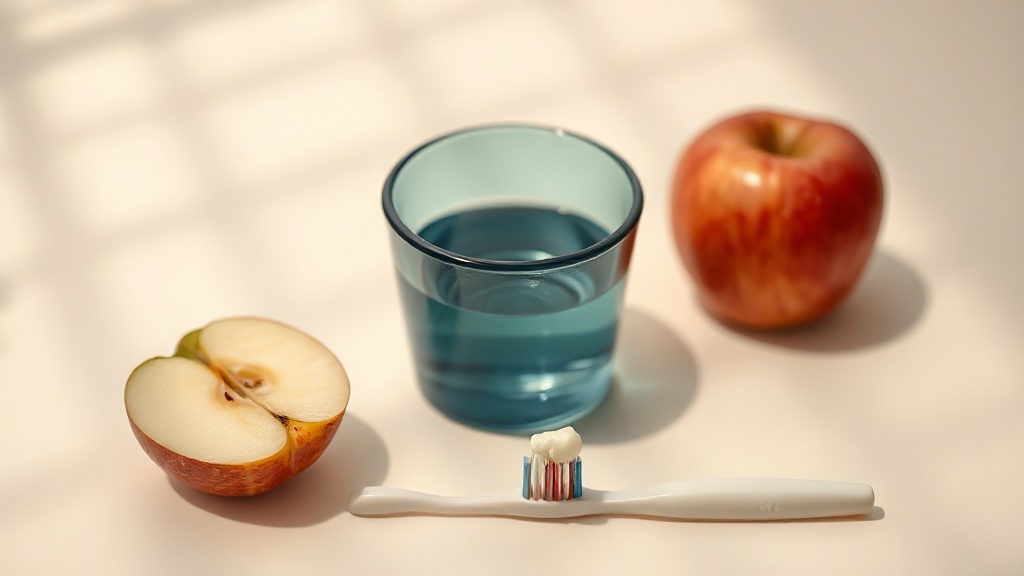 Guides9 min
Early Childhood Caries: Gentle Prevention for Little Smiles
What early childhood caries is, why it happens, and the calm daily habits - diet, bottle routines, brushing, dental visits - that lower a young child's risk.
Read →→ Best Of8 min
Best Teething Gel for Babies: Safer Soothing Options Compared
Why the honest best is non-medicated relief - and why the FDA warns against benzocaine and lidocaine teething gels for babies and toddlers.
Read →→