Best Teething Gel for Babies: Safer Soothing Options Compared
Why the honest best is non-medicated relief - and why the FDA warns against benzocaine and lidocaine teething gels for babies and toddlers.
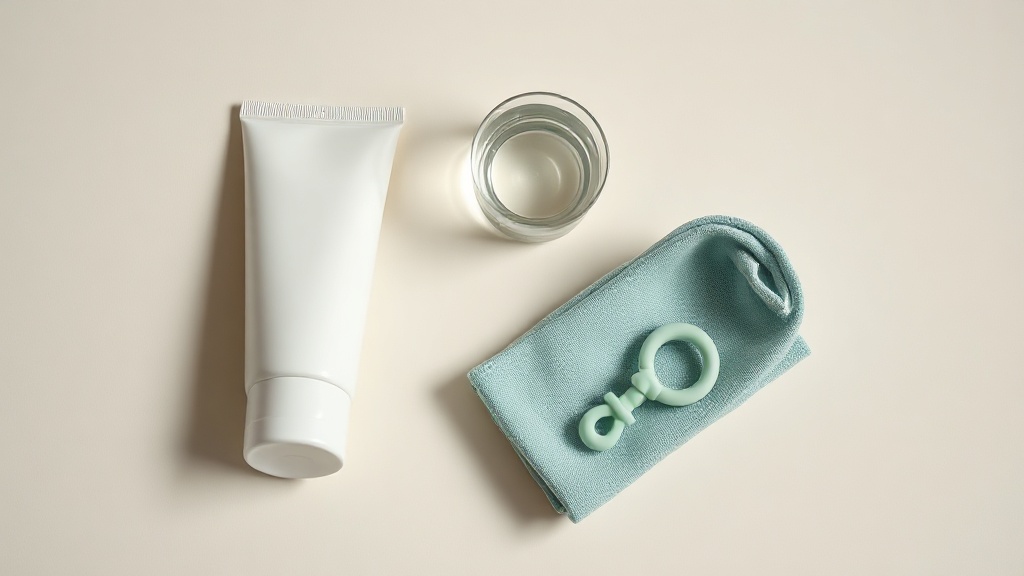
- Start with the safety line, not the shelf: the US Food and Drug Administration (FDA) warns that benzocaine teething gels can cause methemoglobinemia - a rare but serious blood-oxygen problem - and should not be used for teething in children under 2.
- The honest best teething gel for a baby is usually no medicated gel at all. Non-medicated relief works and avoids the drug risks entirely.
- The most reliable soothers are a chilled (not frozen) solid teether, a clean-finger or cool-cloth gum massage, and - only on your pediatrician's advice - an approved pain reliever at the correct dose.
- Avoid homeopathic belladonna teething tablets, which were recalled after the FDA found inconsistent, potentially harmful amounts of belladonna.
- If you still want a gel, choose a benzocaine-free, lidocaine-free product and treat it as a minor extra - not the main plan - and check the label with your pediatrician or pharmacist first.
The safest best is not a medicated gel. The FDA warns benzocaine and lidocaine teething gels are dangerous for babies and toddlers, and belladonna tablets were recalled. The most reliable soothing is a chilled solid teether, gentle gum massage, and pediatrician-approved pain relief only when truly needed.
Why the safest teething gel is often no gel at all
Parents search for the best teething gel expecting a numbing product, so it is worth being direct about why the honest answer points the other way. Teething discomfort comes from teeth pushing through inflamed gum tissue. What genuinely helps is cold and firm counter-pressure on that tissue - which is exactly what a chilled teether or a clean finger provides, with no drug in the picture. Medicated numbing gels try to dull the surface instead, and the two most common numbing agents carry real problems in small children. Benzocaine, the active ingredient in many over-the-counter teething gels, can trigger methemoglobinemia, a condition where the blood cannot carry oxygen properly - which is why the FDA specifically warns against using benzocaine products for teething in children under 2. Lidocaine gels carry their own risk of dangerous absorption. On top of the safety issue, a gel is wiped or drooled off sore gums within minutes, so even a benzocaine-free product offers only brief, modest relief. When you weigh a fleeting numbing effect against a genuine safety warning, the reason the safest pick is usually no medicated gel becomes clear.

A clean fingertip or a cool, damp cloth delivers the firm counter-pressure that actually soothes sore gums - with no numbing drug involved.
What the safety record actually shows
Every claim below maps to a named, peer-reviewed source in the Sources section. According to PubMed.
| Claim | Evidence | Source |
|---|---|---|
| The FDA warns that benzocaine oral drugs can cause methemoglobinemia and should not be used to treat teething in infants and children younger than 2. | FDA drug-safety warning summary. | Aschenbrenner, 2018 |
| The FDA issued a warning to avoid benzocaine for infant teething because of methemoglobinemia risk - yet many pharmacists still recommended a benzocaine product, showing how easily the risk is missed. | Survey of 200 community pharmacists. | Ip et al., 2017 |
| Homeopathic belladonna teething tablets were recalled in 2017 after the FDA found inconsistent amounts of belladonna that could affect the nervous system and cause harm in children. | Toxicology review of Atropa belladonna teething products. | Kwakye et al., 2018 |
| Teething signs are usually mild, local and self-limiting - gum irritation, irritability and drooling - so most babies do not need a numbing drug at all. | Meta-analysis of 16 studies (3,506 children). | Massignan et al., 2016 |
| Many caregivers reach for unprescribed medication during teething, which underscores the need for safer, clearer guidance on non-drug relief. | Multicenter birth cohort (289 children, three regions). | Mantelli et al., 2022 |
Teething soothers compared - safest first
| Approach | What it is | Safety and evidence |
|---|---|---|
| Chilled solid teether (top pick) | A one-piece teether cooled in the fridge | Safe and effective; cold plus counter-pressure, no drug risk |
| Gum massage - clean finger or cool cloth | A fingertip or cool damp cloth rubbed on the gum | Very safe, free, repeatable as often as needed |
| Benzocaine-free, lidocaine-free gel | A non-medicated soothing gel | Generally low-risk but only brief, modest benefit; check the label first |
| Pediatrician-guided pain reliever | An approved oral analgesic at the correct dose | Appropriate only when your pediatrician advises it |
| Benzocaine or lidocaine teething gels | Over-the-counter numbing gels | Avoid - FDA warns of methemoglobinemia and dangerous absorption in young children |
| Homeopathic belladonna tablets | Marketed as natural teething tablets | Avoid - recalled in 2017 over unsafe, inconsistent belladonna |
How to read a teething-gel label without getting misled
If you decide to keep a gel in the drawer, the label is where safety is won or lost. First, look at the active ingredients and put the product straight back if you see benzocaine or lidocaine - the numbing agents the FDA has warned about for young children. Be wary of anything labelled simply natural or homeopathic, too, because that language is not proof of safety: the belladonna teething tablets that were recalled were sold as a gentle natural remedy. Watch for choking-style additives and unnecessary sugars, and check the recommended minimum age against your child's age. It also helps to know how misinformation reaches you in the first place. Studies of teething advice on social media find that topical anesthetics and numbing gels are among the most commonly muddled topics, shared through channels with no clinical oversight. That does not mean every gel is dangerous - a plain, benzocaine-free product used sparingly is generally low-risk - but it does mean the label, and a quick check with your pediatrician or pharmacist, should decide the purchase, not a glossy post.
Evidence you can act on.
Occasional emails — new research, new protocols, no noise.
A safe, simple teething-relief routine
This is comfort care for a normal stage, not treatment for an illness. Work down the list and you will rarely need anything from a tube.
- 1
Reach for cold and pressure first
as neededGive a solid teether chilled in the fridge (never frozen hard) or let your baby gnaw a clean, cool, damp washcloth. Cold calms the inflamed gum and the firm surface gives satisfying counter-pressure.
- 2
Massage the gums with a clean finger
about a minuteWith clean hands, rub the sore gum firmly but gently for a minute or so. It is safe, free, and you can repeat it whenever your baby is fussy.
- 3
Manage the drool, not just the gum
through the dayTeething brings extra drool that can redden the chin. Pat the skin dry and use a plain barrier ointment so a sore rash does not add to the misery.
- 4
Call your pediatrician before any medicine
as neededIf your baby is genuinely distressed, ask your pediatrician whether an approved pain reliever is right and confirm the exact dose for your child's weight. Do not use benzocaine or lidocaine gels or belladonna tablets.
- 5
If you use a gel at all, use it as a minor extra
sparinglyChoose a benzocaine-free, lidocaine-free product, apply a thin amount as directed, and treat it as a small add-on to cold and pressure - never the whole plan.
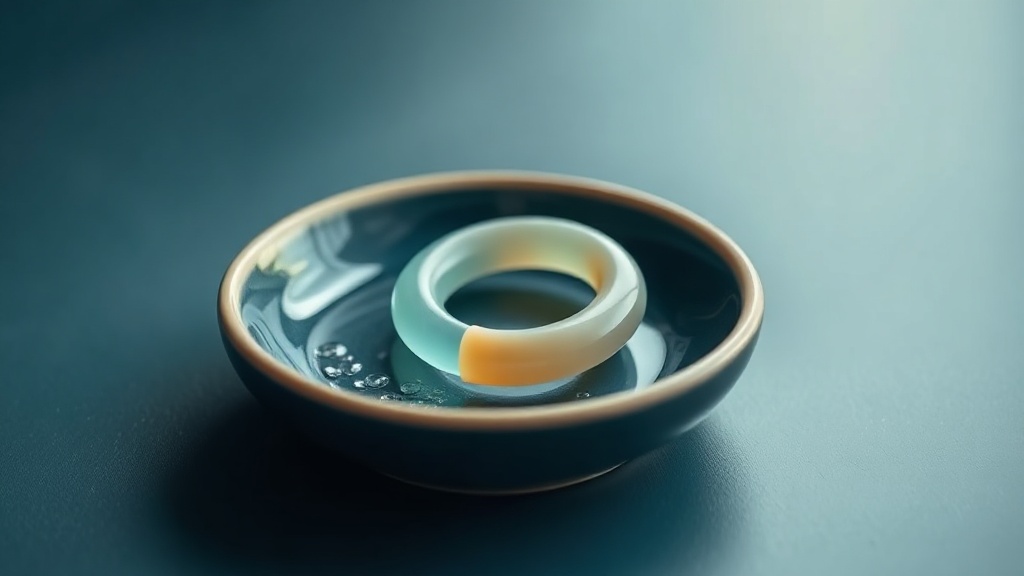
A chilled - not frozen - solid teether is the workhorse of safe teething relief: it delivers cold and counter-pressure with no drug and no small parts.
Teething should only cause mild, local symptoms. A true fever (above 100.4F / 38C), diarrhea, vomiting, an unusual rash, or a baby who will not eat or drink is not teething - contact your pediatrician promptly, because a different cause needs attention. If you suspect your child swallowed too much of a benzocaine gel or a belladonna product, or looks unusually pale, blue-tinged, or lethargic, seek emergency care or call poison control right away. And schedule a first visit with a pediatric dentist by age one.
Frequently asked questions
Sources
- 1.
- 2.
- 3.
- 4.
- 5.
- 6.

Fix your breath at the source.
The complete science-backed protocol — engineered to eliminate volatile sulfur compounds at the biological source.
Start the Breath Protocol →Related reading
Educational purposes only. The content on this page is not medical advice and is not a substitute for consultation with a qualified dental or medical professional.
More from the library
 Guides9 min
Teething Pain Relief: How to Soothe Your Baby Without Medicine
When a teething baby is in real distress, you want relief that is both effective and safe. Here is the step-by-step ladder, from cold and cuddles to careful use of medicine.
Read →→ Guides9 min
Natural Teething Remedies: Safe, Gentle Ways to Soothe Sore Gums
Sore gums, endless drool, a miserable baby. Here are the gentle, genuinely safe natural teething remedies, and the natural-sounding ones that are best left on the shelf.
Read →→ Best Of8 min
Best Teething Toys for Babies (2026): Safe, Simple Picks
Forget the gadgets. A solid, one-piece teether you can chill in the fridge is the honest best - here is how to choose one safely and what to avoid.
Read →→ Answers8 min
Are Amber Teething Necklaces Safe? What Parents Should Know
Pediatric and safety authorities say no. Here is the honest science on the risks, the debunked succinic-acid theory, and what to soothe with instead.
Read →→ Guides9 min
Early Childhood Caries: Gentle Prevention for Little Smiles
What early childhood caries is, why it happens, and the calm daily habits - diet, bottle routines, brushing, dental visits - that lower a young child's risk.
Read →→ Best Of8 min
Best Toothbrush for Kids by Age (2026 Buying Guide)
A calm, honest guide to choosing a child toothbrush by age — soft bristles, small head, and the habits that matter more than any brand.
Read →→