How to Make a Salt Water Rinse
The exact recipe, when a warm salt water rinse actually helps, and the honest limits of what it can do.
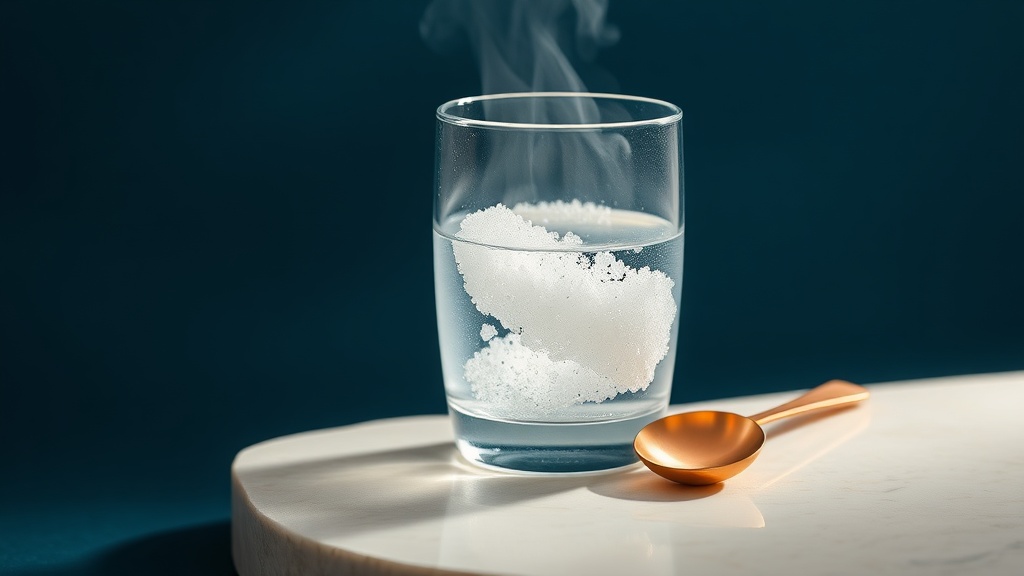
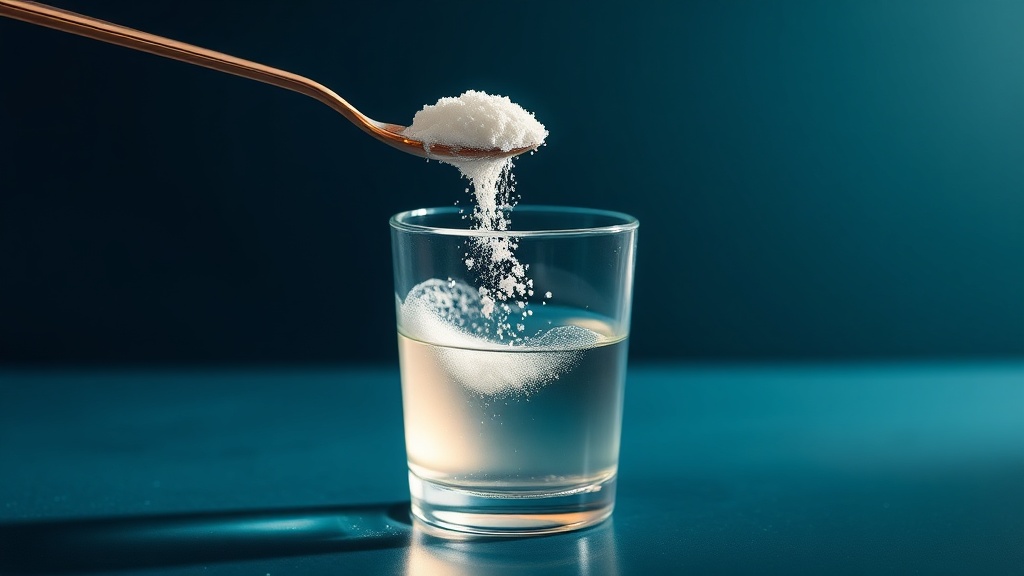
- A salt water rinse is easy to make: dissolve about half a teaspoon of salt in a cup (roughly 240 ml) of warm water, swish gently for 15-30 seconds, and spit it out - never swallow it.
- Its real strengths are comfort and hygiene: warm saline can soothe irritated gums, ease a sore mouth, and help rinse away loose debris and food.
- It is a gentle, soothing rinse - not a powerful antibacterial one. In studies, plain saline is used as the mild placebo comparison against stronger mouthwashes, so treat it as comfort care, not a decay or gum-disease treatment.
- Warm (not hot) water matters - it dissolves the salt fully and is kinder to sore tissue; and because salt water does not damage or over-dry the mouth, it is safe to use several times a day.
- It supports your mouth's own defences rather than replacing them; a salt rinse works alongside brushing, flossing, and your saliva, and is no substitute for seeing a dentist when something is wrong.
To make a salt water rinse, dissolve about half a teaspoon of salt in a cup of warm water, swish for 15-30 seconds, and spit - do not swallow. It is best for comfort and light hygiene: soothing sore or irritated gums and rinsing away debris. It is a mild, placebo-level rinse, not a strong antibacterial treatment.
What a salt water rinse actually does
A warm salt water rinse works in modest, physical ways. The warmth itself is soothing to sore or inflamed tissue, and swishing mechanically flushes loose food and debris from around the teeth and gums. The mild saltiness makes the rinse gently astringent, which many people find comforting on an irritated mouth. What it is not is a powerful germ-killer. The clearest way to see this is how researchers use it: in controlled mouthwash trials, plain saline is often the placebo arm - the neutral comparison that the active agents like chlorhexidine have to beat. In one four-day plaque study, the stronger rinses significantly reduced plaque while saline sat in the placebo role. That is the honest frame for salt water: a comfort-and-cleanliness rinse, not a treatment. The real heavy lifting in your mouth is done by saliva, which buffers acid, clears debris, has its own antibacterial action, and keeps the minerals that protect enamel in balance. A salt rinse is a helpful occasional supporter of that system, not a replacement for it.
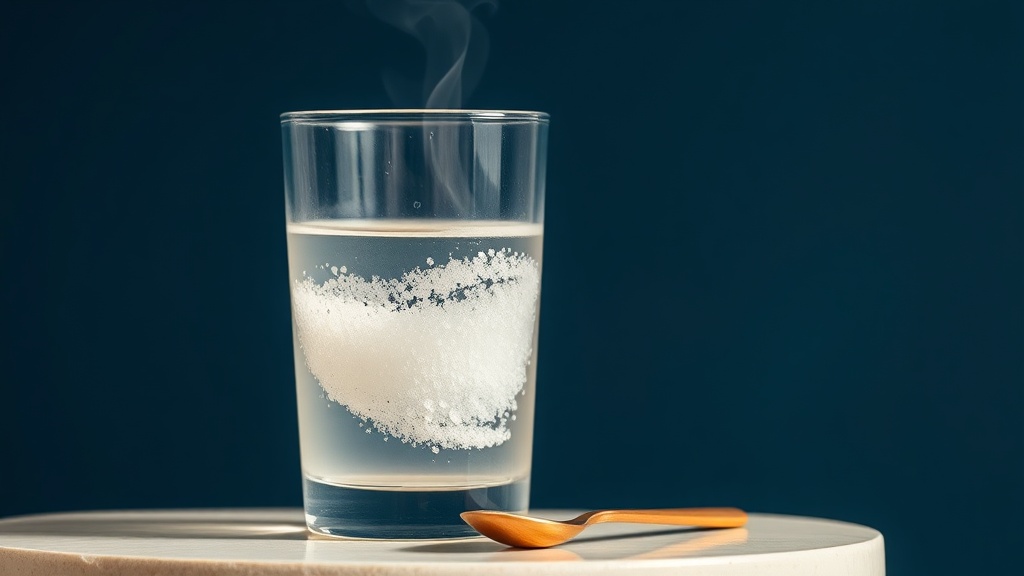
Warm water fully dissolves the salt and is kinder to sore tissue - the rinse soothes and flushes rather than strongly disinfects.
What the research actually shows
Every claim below maps to a named, peer-reviewed source in the Sources section. According to PubMed.
| Claim | Evidence | Source |
|---|---|---|
| In a 4-day plaque re-growth trial, normal saline served as the placebo comparison while chlorhexidine and aloe vera reduced plaque significantly - positioning salt water as a mild, comfort-level rinse. | Randomized controlled trial (n=300). | Gupta et al., 2014 |
| Saliva protects teeth through buffering, clearance and cleansing, antibacterial action, and keeping calcium and phosphate supersaturated - the mouth's real defence that a rinse supports, not replaces. | Narrative review of salivary function. | Dowd, 1999 |
| Baking soda is an effective buffering agent that neutralises plaque acids - a comparison point for why some gentle home rinses soothe more than they treat. | Clinical plaque-pH study. | Blake-Haskins et al., 1997 |
| Baking soda buffers acid but does not inhibit plaque growth - the same honest limit shared by mild home rinses like salt water. | Clinical plaque study. | Ozanich et al., 1993 |
| Dry mouth affects roughly 23% of people and raises the risk of decay - which is why keeping the mouth moist matters more than any single rinse. | JAMA clinical review. | Stoopler et al., 2024 |
When salt water helps - and when it does not
| Use case | Does salt water help? | Better tool or caveat |
|---|---|---|
| Soothing sore or irritated gums | Yes - warmth and mild saline comfort the tissue | Comfort only; find the cause if it lasts |
| Rinsing away food and loose debris | Yes - a gentle flush | Brushing and flossing are still needed |
| Freshening a tired mouth | Somewhat - and only briefly | Hydration and good hygiene do more |
| Reducing plaque or preventing decay | Not meaningfully | Fluoride or hydroxyapatite toothpaste, brushing |
| Treating gum disease or an infection | No | See a dentist |
Why warm, why half a teaspoon, why not more
The details of the recipe are not fussiness - they each have a reason. Warm water dissolves salt far more completely than cold, so you get an even, grit-free rinse, and gentle warmth is more soothing to a sore mouth than a cold one. But it should be warm, not hot: hot water can scald already-tender tissue. The amount matters too. About half a teaspoon per cup is enough to make the rinse pleasantly saline without becoming harsh; piling in more salt does not make it work better and can sting or irritate. Because a properly mixed salt rinse is gentle and does not strip or over-dry the mouth the way some strong alcohol mouthwashes can, it is safe to use several times a day - after meals, or whenever your mouth feels sore. The one firm rule is to spit it out rather than swallow, since there is no reason to add that salt to your diet. Think of the recipe as tuned for comfort and safety, which is exactly the job salt water does well.
Evidence you can act on.
Occasional emails — new research, new protocols, no noise.
How to make and use a salt water rinse
The recipe is simple, and the technique matters more than the exact amount. This is comfort and hygiene care - it does not treat any disease.
- 1
Mix it
about 1 minuteStir about half a teaspoon of ordinary table salt into a cup (roughly 240 ml) of warm - not hot - water until the salt is fully dissolved. A fully dissolved rinse is smoother and more soothing than a gritty one.
- 2
Swish gently
15-30 secondsTake a mouthful and swish for 15-30 seconds, letting it reach the sore or irritated areas. There is no need to gargle forcefully; a gentle swish does the job without aggravating tender tissue.
- 3
Spit, do not swallow
-Spit all of it out when you are done. Swallowing simply adds unnecessary salt, and the rinse has already done its work in the mouth.
- 4
Repeat as comfortable
as neededYou can rinse a few times a day, especially after meals or when your mouth feels sore. Because it is gentle, using it regularly will not harm your mouth.
- 5
Keep up real hygiene
twice dailyA salt rinse is an add-on, not a replacement. Keep brushing twice a day and flossing, and use a fluoride or hydroxyapatite toothpaste for actual enamel protection.
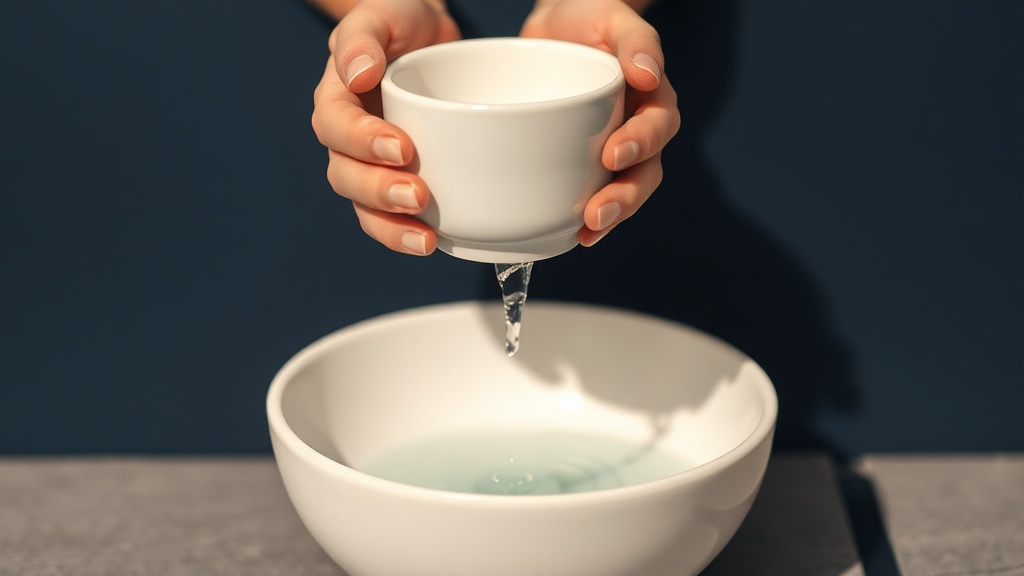
A gentle swish for 15-30 seconds, then spit - regular use is safe because a well-mixed salt rinse does not strip or over-dry the mouth.
A salt water rinse is comfort care, not a diagnosis or a cure. See a dentist if you have pain that will not settle, swelling, gums that keep bleeding, a tooth that hurts to bite, or a sore that does not heal within two weeks. If your dentist has given you specific instructions for rinsing after a procedure, follow those exactly rather than a general recipe.
Frequently asked questions
Sources
- 1.
- 2.
- 3.
- 4.
- 5.

Fix your breath at the source.
The complete science-backed protocol — engineered to eliminate volatile sulfur compounds at the biological source.
Start the Breath Protocol →Related reading
Educational purposes only. The content on this page is not medical advice and is not a substitute for consultation with a qualified dental or medical professional.
More from the library
 Ingredients8 min
Baking Soda Mouthwash: What a DIY Rinse Can and Cannot Do
How a simple baking-soda rinse buffers acid, why it is not a plaque-buster, and how to mix and use it without overdoing it.
Read →→ Ingredients8 min
Hydroxyapatite Mouthwash: What a Remineralizing Rinse Does
The rinse form of hydroxyapatite: how a swish delivers mineral where a brush misses, calms bacterial stickiness without a chlorhexidine trade-off, and where the evidence still thins out.
Read →→ Answers8 min
How to Remineralize Teeth: An Honest, Practical Guide
The practical routine that supports enamel remineralization, and the clear line between the early lesions it can rebuild and the decay it cannot.
Read →→ Ingredients9 min
Xylitol Gum for Teeth: How It Works and What It Does
The real mechanism behind xylitol gum, the dose the evidence supports, and where it helps versus where it is oversold.
Read →→ Answers8 min
How to Get Rid of White Spots on Teeth: Your Options, Ranked
An honest, evidence-based ladder of options, from what you can do at home to what only a dentist can fix.
Read →→ Ingredients8 min
Hydroxyapatite Toothpaste Benefits: What the Evidence Actually Supports
A calm, science-first look at what hydroxyapatite toothpaste can genuinely do for your enamel, and where the evidence stops.
Read →→