Bentonite Clay Toothpaste: Claims vs. Evidence
A clear-eyed, cosmetic look at bentonite clay as a toothpaste ingredient - the tradition, the thin evidence, the abrasivity question, and how to use it honestly for fresher breath.
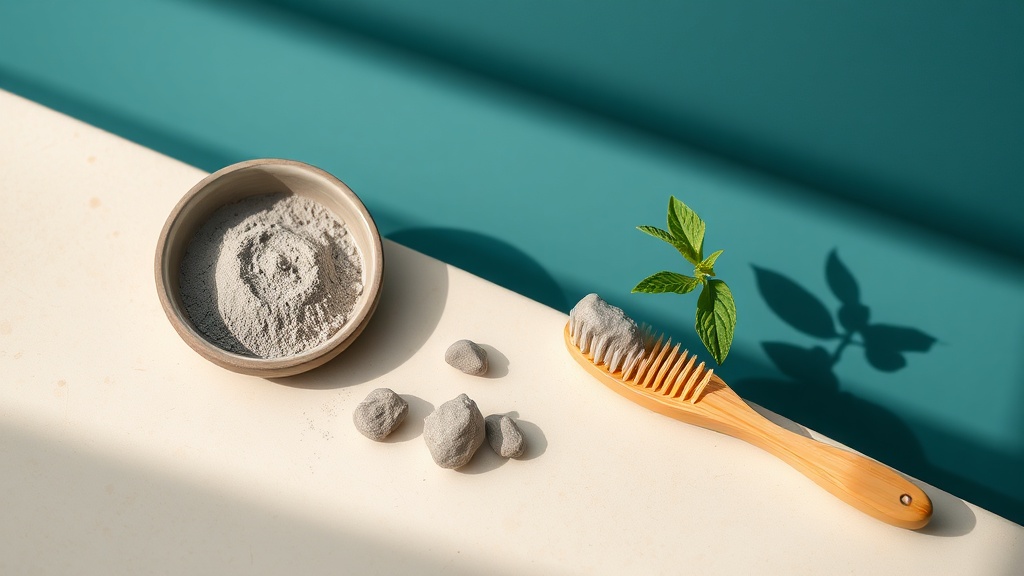
- Bentonite clay is a soft, absorbent volcanic-ash clay used in natural toothpastes as a mild cleaning and polishing agent - it is a cosmetic ingredient, not a breath medicine.
- The popular idea that clay draws out toxins or detoxes the mouth is marketing language, not a demonstrated dental mechanism; fresh breath comes from lowering the sulfur-producing bacteria on the tongue and teeth, which clay does not specifically target.
- Independent reviews of charcoal- and clay-based dentifrices - many charcoal pastes also contain bentonite - found insufficient evidence for their whitening, antibacterial or detox claims, and flagged possible abrasion.
- Most bentonite clay toothpastes are fluoride-free, so relying on one means giving up fluoride s well-established cavity protection - a real trade-off worth making on purpose, not by accident.
- Used gently as an occasional, low-abrasion cleaner alongside tongue cleaning and hydration, clay toothpaste can leave the mouth feeling clean, but treat any cures bad breath promise with healthy skepticism.
Bentonite clay toothpaste is a cosmetic cleaner: the fine clay gently scrubs and can adsorb some surface debris, leaving a fresh feel. But there is no solid evidence it removes the sulfur-producing bacteria behind bad breath better than ordinary brushing, and most versions skip fluoride - so use it with clear eyes.
What bentonite clay actually is
Bentonite is a soft clay formed from weathered volcanic ash, and its active mineral is montmorillonite - microscopic, plate-like particles that carry a slight negative charge. When wet, those platelets swell and can loosely attract positively charged particles, which is where the whole detox story comes from. In a jar of water that lets clay bind some dissolved metals; in your mouth, for the thirty seconds a paste is actually on your teeth, it behaves far more simply: it is a fine, mildly abrasive powder that helps scrub away surface film and can carry off some loose organic debris and stain. That is a genuine cleaning action, and it is why clay leaves a squeaky-clean feel. But pulling toxins is not a recognised dental mechanism, and bad breath is not caused by toxins. Everyday mouth odour comes from ordinary bacteria on the tongue and between the teeth breaking down proteins into smelly volatile sulfur gases. Anything that claims to freshen breath has to lower those bacteria or their fuel - and a clay s surface charge does not selectively do that.
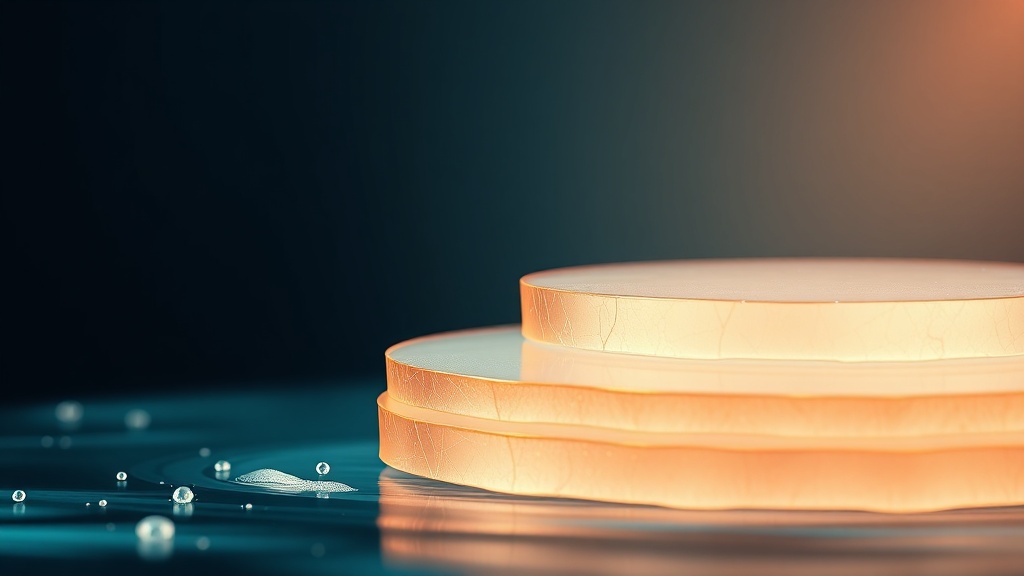
Bentonite s plate-like particles swell and loosely attract charged debris - a gentle surface-cleaning action, not a way to remove the bacteria behind bad breath.
What the research actually shows
Every claim below maps to a named, peer-reviewed source in the Sources section. According to PubMed.
| Claim | Evidence | Source |
|---|---|---|
| Independent reviewers found the whitening, antibacterial and detox claims on charcoal- and clay-based dentifrices unsubstantiated, and noted that about a third of charcoal pastes also contain bentonite clay. | Literature review of charcoal and charcoal-based dentifrices. | Brooks et al., 2017 (JADA) |
| Bad breath is produced by ordinary oral bacteria breaking proteins into volatile sulfur compounds - an odour problem to be controlled, not toxins to be drawn out. | BMJ Clinical Evidence review of halitosis. | Scully & Porter, 2008 |
| The mouthrinses and agents with the best evidence for breath work by lowering bacteria or neutralising sulfur gases - not by abrasive detox action. | Cochrane review of mouthrinses for halitosis. | Fedorowicz et al., 2008 |
| The back of the tongue is the main reservoir of odour bacteria, so mechanical tongue cleaning - not a special paste - is the step with direct evidence. | Cochrane review of tongue scraping. | Outhouse et al., 2006 |
| Across home and over-the-counter halitosis products, the overall evidence is limited and short-term, so bold ingredient claims should be read with caution. | Cochrane review of halitosis interventions. | Kumbargere Nagraj et al., 2019 |
Clay claims vs. what actually controls breath
| Claim you will see | What the evidence supports | Honest verdict |
|---|---|---|
| Detoxes or pulls toxins from the mouth | No dental mechanism is established; breath odour is bacterial gas, not toxins | Marketing, not science |
| Whitens teeth | Any lightening is surface polishing and stain removal, and abrasive polishing can thin enamel over time | Cosmetic, with a caution |
| Freshens breath | A clean mouth feels fresher, but clay does not specifically target sulfur bacteria | Feels fresh; unproven odour effect |
| Natural equals safer | Fluoride-free means less cavity protection; abrasivity varies by product | Trade-offs, not a free win |
| Antibacterial | No reliable evidence clay reduces odour bacteria better than standard paste | Unproven |
The abrasivity and fluoride trade-off you should weigh
Every toothpaste sits somewhere on a scale of abrasiveness - dentists call it RDA, relative dentin abrasivity. A little abrasion is how any paste polishes off film and stain; too much, repeated twice a day for years, can wear the softer dentine near the gumline and leave teeth more sensitive. Natural clay pastes vary a lot: the grit depends on how finely the clay is milled, and gentle is not guaranteed just because it is natural. Independent reviewers looking at charcoal and charcoal-clay pastes specifically flagged abrasion as a real, under-studied risk. The second trade-off is quieter but bigger. Most bentonite clay toothpastes are fluoride-free, and fluoride is the single most evidence-backed ingredient in the tube for keeping enamel strong and cavities away. Choosing a clay paste as your only toothpaste means giving that up. None of this makes clay bad - it means the honest way to use it is as a cosmetic cleaner you have chosen deliberately, ideally without abandoning a fluoride source, rather than as a health upgrade it has not earned.
Evidence you can act on.
Occasional emails — new research, new protocols, no noise.
How to use clay toothpaste honestly
Clay toothpaste can be a pleasant, natural-feeling cleaner if you keep your expectations cosmetic and protect against its two weak spots - abrasion and missing fluoride. None of the steps below treats a disease; they simply help you use the ingredient sensibly while the real breath work happens elsewhere.
- 1
Choose a finely milled paste and a soft brush
at purchaseGrit is the main risk with any clay or powder. Pick a product that specifies low abrasivity or feels silky rather than sandy, and always pair it with a soft-bristled brush. Let the paste and light strokes do the cleaning - pressing harder does not clean better, it just wears tooth and gum.
- 2
Brush gently, and keep sessions short
twice dailyTwo minutes of light, thorough brushing beats thirty seconds of hard scrubbing. Angle the brush at the gumline and use small circles. If you notice increased sensitivity or gum recession, stop and switch back to a standard low-abrasion paste.
- 3
Keep a fluoride source in your routine
ongoingIf you love the clay feel but want cavity protection, alternate with a fluoride toothpaste, use a fluoride rinse, or ask your dentist about a prescription-strength option. Going fully fluoride-free is a choice to make on purpose, with your dentist, not by default.
- 4
Do the things that actually fight odour
dailyFresh breath is won on the tongue and with saliva, not in the clay jar. Clean the back of your tongue daily, stay well hydrated so your mouth does not dry out, and floss to remove the trapped debris bacteria feed on. These are the levers with the strongest evidence.
- 5
Rinse well and store the paste clean
each useClay can hold moisture and, in a shared jar, pick up bacteria from a dipped brush. Use a clean applicator or a tube, close it properly, and rinse your mouth well afterwards so no gritty residue lingers on the gums.
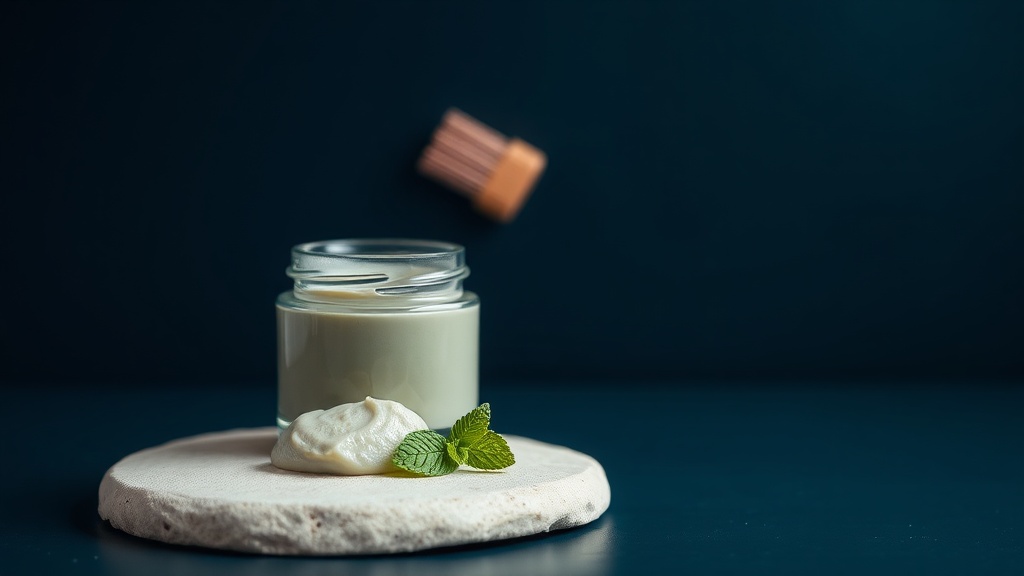
Used gently with a soft brush, clay paste cleans the surface - but the real breath work happens with tongue cleaning, flossing and hydration.
A clean-feeling mouth is nice, but persistent bad breath is information. If your breath stays bad despite good tongue cleaning, flossing and hydration, see a dentist - the cause is often a treatable one like gum inflammation, a dry mouth, or debris around a tooth, and none of that is fixed by a clay paste. Ask your dentist too about the right fluoride plan if you prefer fluoride-free products, so a cosmetic choice never quietly costs you cavity protection.
Frequently asked questions
Sources
- 1.
- 2.
- 3.
- 4.
- 5.
- 6.

Fix your breath at the source.
The complete science-backed protocol — engineered to eliminate volatile sulfur compounds at the biological source.
Start the Breath Protocol →Related reading
Educational purposes only. The content on this page is not medical advice and is not a substitute for consultation with a qualified dental or medical professional.
More from the library
 Guides8 min
Remineralizing Tooth Powder: The Hydroxyapatite Angle, Honestly
What nano-hydroxyapatite is, how a mineral powder supports enamel, what the studies genuinely show, and the honest caveats the marketing tends to skip.
Read →→ Guides8 min
Tooth Powder: What It Is and How It Compares to Toothpaste
A plain-English look at what tooth powder is, why the abrasivity number matters more than the marketing, and how the format really stacks up against ordinary paste.
Read →→ Best Of9 min
Best Toothpaste for Bad Breath: What Ingredients Actually Matter
The active ingredient, not the brand on the tube, decides whether a toothpaste actually helps freshen your breath.
Read →→ Ingredients8 min
Chlorine Dioxide for Bad Breath: How the Oxygenating Rinse Works
Chlorine dioxide is an oxygenating rinse that neutralises the sulfur gases behind bad breath — here is how it works and what the evidence says.
Read →→ Guides8 min
How to Get Rid of Bad Breath Permanently: An Evidence-Based Plan
The honest version: "permanently" means ongoing control, not a one-time fix. Here is the daily routine the research actually supports, and when to get help.
Read →→ Guides7 min
Bad Breath Even After Brushing? The Biological Reason (and Fix)
You brushed, flossed and rinsed — and the smell is still there. The reason usually isn't hygiene; it's where the odour-causing bacteria actually live.
Read →→