Best Toothpaste for Bad Breath: What Ingredients Actually Matter
The active ingredient, not the brand on the tube, decides whether a toothpaste actually helps freshen your breath.
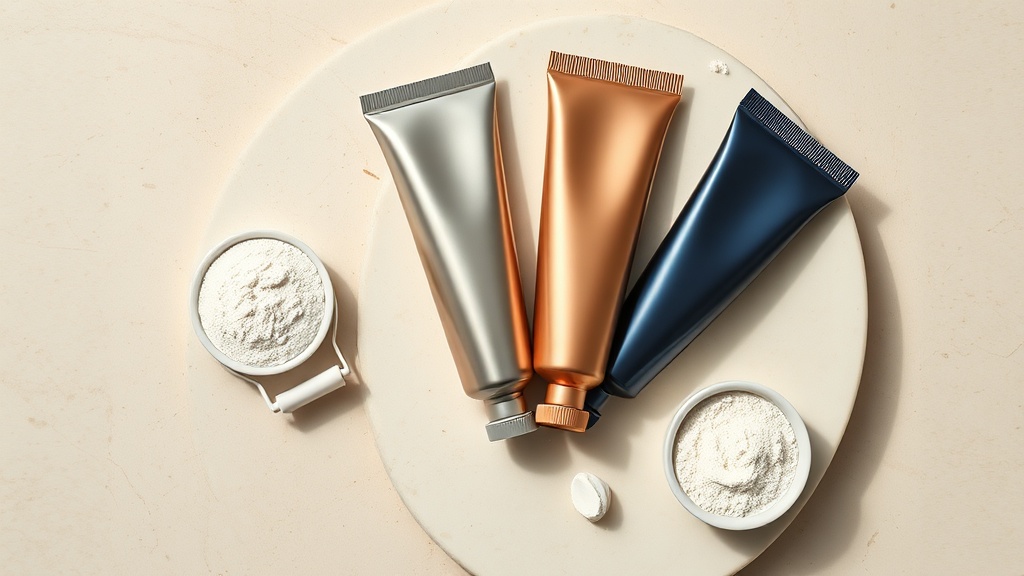
- No toothpaste eliminates bad breath on its own; the ingredient inside the tube matters far more than the brand on the front.
- Zinc (as zinc sulphate, citrate or lactate) is the standout breath ingredient: it neutralises the sulfur gases behind odour rather than just masking them with flavour.
- Stannous fluoride and cetylpyridinium chloride (CPC) add an antibacterial angle, curbing the tongue and gum bacteria that generate those gases.
- Standard fluoride protects against cavities but does little for breath directly, and a flavour-only mint paste freshens for minutes, not hours.
- Even the best paste is a finisher: the evidence points to cleaning the tongue first, then brushing, for breath that actually lasts.
The best toothpaste for bad breath is one built around zinc, which chemically neutralises odour-causing sulfur compounds, ideally paired with stannous fluoride or CPC for an antibacterial edge and standard fluoride for cavity protection. Skip flavour-only pastes, and clean your tongue first, because toothpaste is a finisher, not a cure.
What actually makes a toothpaste work for breath
Bad breath is overwhelmingly a chemistry problem. Anaerobic bacteria living on the back of the tongue and around the gumline break down proteins and release volatile sulfur compounds (VSCs), mainly hydrogen sulfide and methyl mercaptan, and those gases are what people actually smell. A toothpaste can intervene at two points. It can neutralise the gases: zinc ions bind the sulfur and convert VSCs into non-volatile, odourless zinc sulfides, a cosmetic deodorising action that works without wiping out your bacteria. Or it can reduce the bacteria and their odour machinery: stannous fluoride and cetylpyridinium chloride (CPC) are antibacterial and curb the microbes that make the gas. Plain fluoride protects enamel from decay but does little for odour directly, while mild abrasives or baking soda mostly help by lifting debris and nudging the mouth toward a less acidic, less odour-friendly pH. Everything else on the tube, the mint, the freshness burst, the colour, is flavour, and flavour only masks.
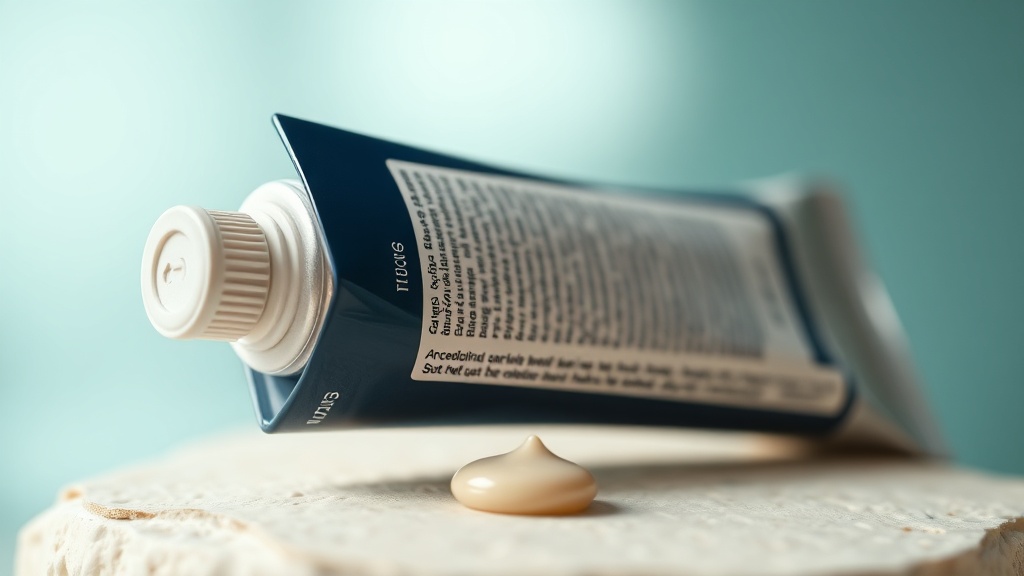
The ingredient panel matters more than the brand: look for zinc, then an antibacterial partner like stannous fluoride or CPC.
What the research actually shows
Every claim below maps to a named, peer-reviewed source in the Sources section. According to PubMed.
| Claim | Evidence | Source |
|---|---|---|
| A toothpaste with 0.2% zinc sulphate cut breath sulfur-gas readings by roughly 16 to 46% versus a zinc-free paste, both two hours after brushing and twelve hours after four weeks of use. | Two double-blind randomised clinical studies using Halimeter and organoleptic scoring. | Navada et al., J Clin Dent 2008 |
| Dentifrices containing zinc, or 20% or more baking soda, significantly lowered volatile sulfur compounds; adding zinc to baking soda enhanced the anti-odour effect. | Gas chromatography and odour-judge studies of dentifrice systems. | Brunette et al., J Clin Dent 1998 |
| Zinc ions freshen breath cosmetically by converting volatile sulfur compounds into non-volatile, odourless zinc sulfides, with minimal disruption to the microbiome. | Review of the microbiology and cosmetic treatment of halitosis. | Loesche & Kazor, Periodontol 2000, 2002 |
| Cetylpyridinium chloride suppressed methyl mercaptan production by about 70% and hydrogen sulfide by about 83% in odour-causing bacteria by blocking their odour genes. | Laboratory study of P. gingivalis and F. nucleatum. | Liu et al., Arch Oral Biol 2013 |
| Across mechanical and chemical measures, interventions can reduce oral malodour, but the overall certainty of evidence is low, so no single product is a guaranteed fix. | Cochrane systematic review of interventions for managing halitosis. | Kumbargere Nagraj et al., Cochrane 2019 |
Best toothpaste for bad breath, by active ingredient
| Active ingredient | Best for | Evidence on breath | Main tradeoff |
|---|---|---|---|
| Zinc (sulphate, citrate or lactate) | Everyday breath control | Neutralises sulfur gases; measured VSC drops | Cosmetic, not a cure; pair with tongue cleaning |
| Stannous fluoride | Breath, gums and cavities in one | Antibacterial plus enamel protection | Can cause mild surface staining in some people |
| Cetylpyridinium chloride (CPC) | Extra antibacterial edge | Cuts odour-bacteria growth and odour genes | More common in rinses than in pastes |
| Baking soda | Gentle scrub and pH neutralising | Lowers VSCs at higher concentrations | Freshness is short-lived, a few hours |
| Fluoride only (fresh mint) | Cavity protection | Little breath-specific benefit | Flavour masks odour for minutes only |
Why strong mint is the wrong thing to shop for
The instinct when shopping is to reach for whatever promises the most intense mint or a twelve-hour freshness burst. That is exactly the wrong signal to follow, because flavour and breath control are different things. A powerful mint hit covers odour for a few minutes and then fades, leaving the sulfur-producing bacteria entirely undisturbed. What you actually want on the ingredient panel is zinc, listed as zinc sulphate, zinc citrate or zinc lactate, because that is the component with measured effects on breath sulfur gases. A paste that pairs zinc with stannous fluoride gives you neutralising and antibacterial action in one, plus cavity protection. CPC adds a further antibacterial edge, though it shows up more often in rinses than pastes. The honest caveat is that no toothpaste reaches deep into the tongue biofilm the way a scraper does, and the best Cochrane evidence rates the certainty for any single anti-odour product as low. Toothpaste narrows the problem; it does not close it.
Evidence you can act on.
Occasional emails — new research, new protocols, no noise.
How to choose and use your toothpaste
Shop by the ingredient panel, then use the paste in the order that gives it the best chance to work.
- 1
Check the panel for zinc
onceTurn the tube over and look for zinc sulphate, zinc citrate or zinc lactate. That single ingredient does more for breath than any fresh-mint claim on the front. If it also lists stannous fluoride or CPC, better still.
- 2
Match the paste to your whole mouth
onceIf you also want gum and cavity benefits, a stannous fluoride plus zinc paste covers three jobs at once. If your gums are healthy and you mainly want freshness, a zinc paste with standard fluoride is plenty.
- 3
Clean your tongue first
dailyScrape or brush the back of the tongue before you brush your teeth, so the paste polishes an already-cleared surface. The tongue holds most of the odour bacteria, and no paste can reach into that coating the way a scraper can.
- 4
Brush two minutes, then the tongue
dailyGive the zinc and fluoride time on the teeth, then gently run the brush or paste over the tongue. Do not rinse with water straight afterwards, which washes the active ingredients away before they can act.
- 5
Judge it over weeks, not one brush
ongoingZinc showed a steady effect both after a single brushing and after four weeks of twice-daily use in trials. If breath still returns quickly, treat that as a sign to add hydration, flossing or a probiotic rather than buying a stronger-tasting paste.
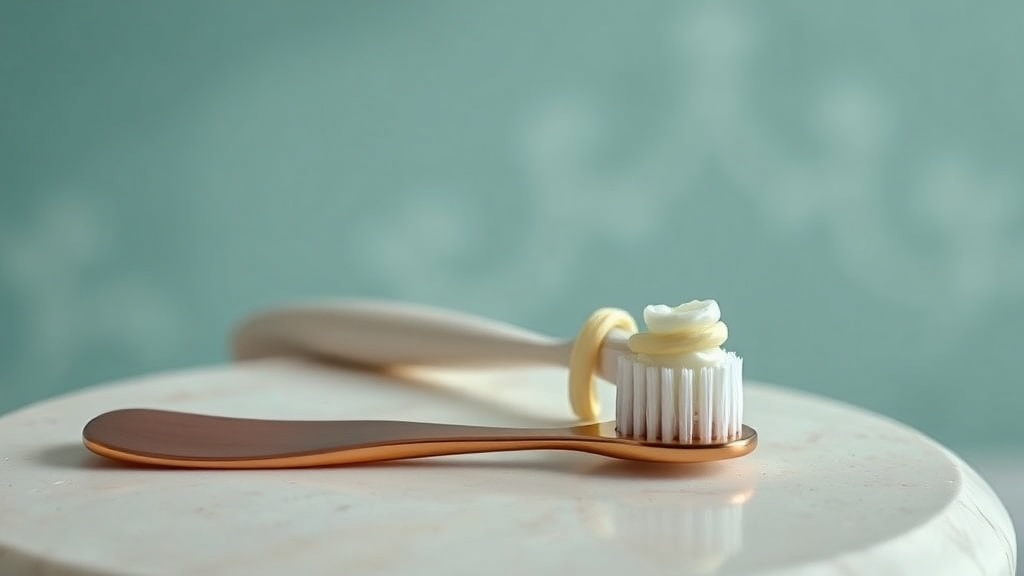
Sequence matters: clear the tongue coating first, then let the paste finish the job.
If bad breath persists despite a zinc-based paste, tongue cleaning and flossing, or if you notice bleeding gums, a persistently dry mouth or an unusual taste, see a dentist. Toothpaste can mask odour that is actually driven by gum disease, decay or dry mouth, and only a professional can find and address that underlying cause.
Frequently asked questions
Sources
- 1.
- 2.
- 3.
- 4.
- 5.
- 6.

Fix your breath at the source.
The complete science-backed protocol — engineered to eliminate volatile sulfur compounds at the biological source.
Start the Breath Protocol →Related reading
Educational purposes only. The content on this page is not medical advice and is not a substitute for consultation with a qualified dental or medical professional.
More from the library
 Best Of8 min
The Best Mouthwash for Bad Breath, by Active Ingredient
There is no single winner, only the right rinse for the right job. Here is how the active ingredients compare on the evidence, and which suits everyday fresh breath.
Read →→ Best Of7 min
Copper Tongue Scraper Benefits: What the Evidence Supports
Copper scrapers are having a moment — but which benefits are backed by research and which are marketing? Here is the honest, evidence-based breakdown.
Read →→ Answers7 min
Why Does My Breath Smell in the Morning? The Overnight Biology
It is not something you did wrong before bed. It is what your mouth does while you sleep.
Read →→ Guides8 min
How to Get Rid of Bad Breath Permanently: An Evidence-Based Plan
The honest version: "permanently" means ongoing control, not a one-time fix. Here is the daily routine the research actually supports, and when to get help.
Read →→ Guides7 min
Bad Breath Even After Brushing? The Biological Reason (and Fix)
You brushed, flossed and rinsed — and the smell is still there. The reason usually isn't hygiene; it's where the odour-causing bacteria actually live.
Read →→ Ingredients9 min
Probiotics for Bad Breath: Do Oral Probiotics Actually Work?
Oral probiotics try to fix bad breath at the source, by shifting which bacteria live on your tongue. The idea is promising; the evidence is still early.
Read →→