Remineralizing Tooth Powder: What Hydroxyapatite Can (and Can't) Do
What nano-hydroxyapatite is, how a mineral powder supports enamel, what the studies genuinely show, and the honest caveats the marketing tends to skip.
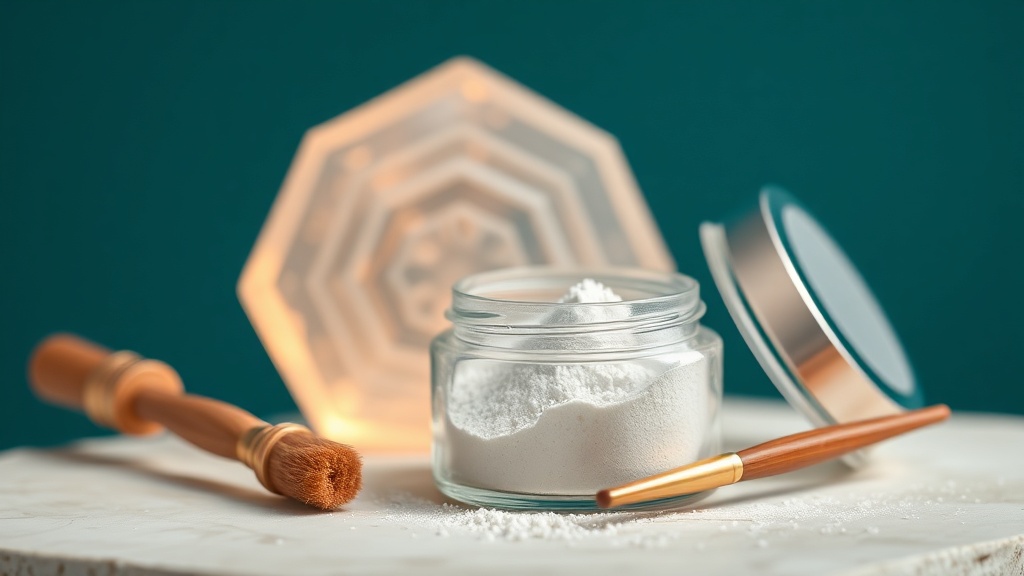
- A remineralizing tooth powder is one built around hydroxyapatite, usually nano-hydroxyapatite (n-HA), which is the same calcium-phosphate mineral your enamel is largely made of.
- The idea is biomimetic: n-HA particles can deposit onto and help rebuild early, softened areas of the enamel surface, supporting its mineral content rather than only cleaning it.
- In controlled studies, n-HA dentifrices produced enamel remineralization comparable to fluoride toothpaste on early lesions, a genuinely interesting result, though most trials are short and small.
- Remineralization supports enamel structure; it is not a breath treatment by itself. Fresher breath still comes from removing the plaque and tongue coating that feed odour bacteria.
- Honesty matters: n-HA is promising and generally low in abrasivity, but the evidence in children's teeth is limited and it is not a proven replacement for professional care.
Remineralizing tooth powder is a dry dentifrice built around hydroxyapatite, usually nano-hydroxyapatite, the mineral enamel is made of. It can deposit onto early softened enamel and help restore the surface, with studies showing effects comparable to fluoride on early lesions. It supports enamel structure; it does not, on its own, fix bad breath.
What remineralizing actually means
Your enamel is not inert. It is roughly ninety-six percent mineral, mostly a form of calcium phosphate called hydroxyapatite, and every day it goes through a quiet tug-of-war. When acids from food, drink and bacteria wash over it, tiny amounts of mineral dissolve out; this is demineralization. When the mouth returns to balance, minerals from saliva flow back in and the surface rehardens; this is remineralization. The earliest damage, the chalky white spot before a hole ever forms, is really just a patch where demineralization has been winning. A remineralizing tooth powder tries to tip that balance the other way by supplying the exact mineral enamel is made of. Nano-hydroxyapatite is engineered so its particles are small enough to settle into the microscopic pits of a softened surface, where they can bond and act as scaffolding for the surface to rebuild. It is a biomimetic approach: rather than changing the enamel into something new, as fluoride does when it forms tougher fluorapatite, n-HA offers the tooth more of its own building material. In controlled testing, n-HA dentifrices have remineralized early lesions to a degree comparable with fluoride toothpaste. That is a real and repeatable finding, and it is why the ingredient has moved from niche to mainstream.
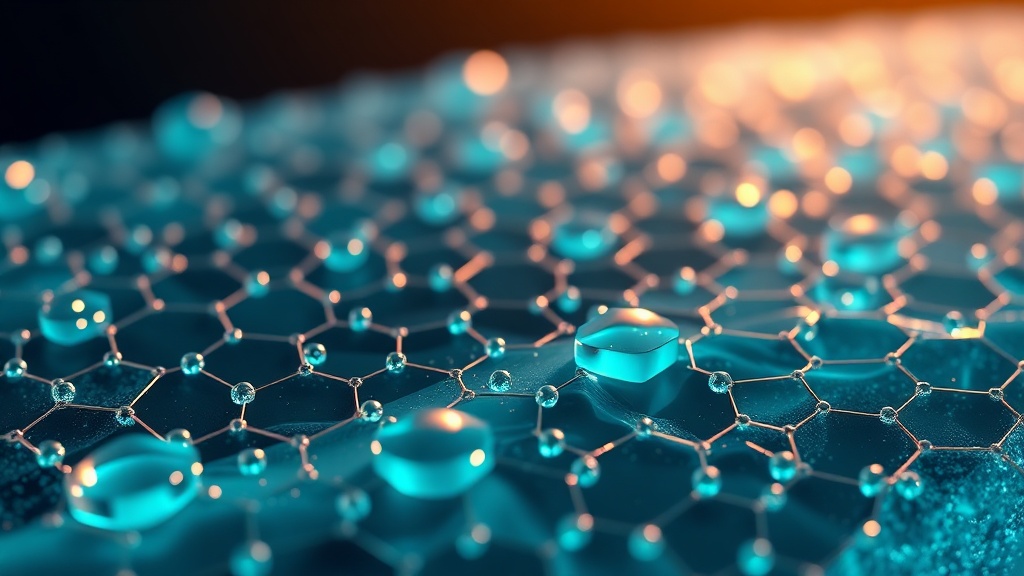
Nano-hydroxyapatite particles are small enough to settle into microscopic pits in softened enamel and act as scaffolding for the surface to rebuild.
What the research actually shows
Every claim below maps to a named, peer-reviewed source in the Sources section. According to PubMed.
| Claim | Evidence | Source |
|---|---|---|
| A nano-hydroxyapatite dentifrice remineralized early enamel lesions to a degree comparable with a 1,100 ppm fluoride dentifrice in a randomized, double-blind, in-situ crossover study. | Randomized controlled in-situ study in 30 adults. | Najibfard et al., 2011 |
| A scoping review of 28 studies found n-HA dentifrices offered remineralization, less demineralization and related benefits, but concluded evidence in primary (baby) teeth is currently insufficient. | PRISMA-ScR scoping review of nHAp dentifrices. | Anil et al., 2022 |
| In an in-vivo split-mouth study, a nano-hydroxyapatite dentifrice reduced enamel surface roughness, a marker of remineralization, after orthodontic bracket removal. | Split-mouth atomic-force-microscopy study in 30 subjects. | Verma et al., 2021 |
| Baking soda, a frequent base in mineral tooth powders, is low in abrasivity, so a remineralizing powder can be gentle on the enamel it aims to support. | Review of sodium bicarbonate dentifrices in JADA. | Myneni, 2017 |
| Fresh breath ultimately tracks with controlling the odour-producing bacteria in the mouth, not with the mineral content of a dentifrice. | Clinical review of halitosis in the BMJ. | Scully & Porter, 2008 |
Mineral powder, fluoride paste and plain powder compared
| Feature | Remineralizing (n-HA) powder | Standard fluoride paste | Plain tooth powder |
|---|---|---|---|
| Main active | Hydroxyapatite (often nano) | Fluoride | Abrasive plus flavour |
| How it supports enamel | Deposits mineral onto the surface | Forms tougher fluorapatite, slows acid loss | No specific enamel action |
| Evidence base | Growing, mostly short trials | Large, spanning decades | Not applicable |
| Fluoride | Usually none | Yes | Usually none |
| Abrasivity | Typically low | Low to moderate | Varies by formula |
Where the honesty comes in
The promise is real, but so are the limits, and a trustworthy guide names both. First, most of the human evidence for n-HA comes from short studies, often two to four weeks, in small groups, and frequently on early, laboratory-created lesions rather than everyday teeth over years. The scoping reviews that pull this literature together are encouraging but consistently end with the same sentence: more, longer, standardized trials are needed, and the evidence in children's teeth is not yet strong. Second, remineralizing is not the same as reversing a cavity. Once decay has broken through into a true hole, no powder rebuilds it; that is a repair only a dentist can make. What n-HA can genuinely help with is the early, still-intact softened surface, and the ongoing daily support of enamel, which is worthwhile but modest. Third, and easily missed, a remineralizing powder is not a breath remedy. Rebuilding mineral does nothing about the tongue coating and plaque where odour bacteria live. If your reason for switching is fresher breath, the mineral angle is a bonus, not the mechanism. Finally, most n-HA powders contain no fluoride. For many adults n-HA is a reasonable stand-in, but that is a decision to make deliberately, ideally with your dentist, rather than by default because a label said natural.
Evidence you can act on.
Occasional emails — new research, new protocols, no noise.
How to use a remineralizing powder well
None of this treats decay or any disease; it is about giving a mineral powder the best chance to support your enamel while keeping expectations honest.
- 1
Use it like any powder, gently
2 minutesDampen a soft brush, tap in a light dusting, and brush in small circles for two minutes. A gentle technique lets the mineral settle onto the surface rather than being scrubbed away, and protects the enamel you are trying to support.
- 2
Give it time and consistency
weeksRemineralization is slow and cumulative. The studies that show benefit run over weeks of twice-daily use, so judge a mineral powder over a month or two of consistency, not a single brush. Sporadic use will not do much.
- 3
Let it sit before rinsing hard
30 secondsSpitting out the excess but not rinsing with a flood of water gives the hydroxyapatite a little longer in contact with the tooth surface. A light rinse, or none, keeps more of the mineral where you want it.
- 4
Keep the real breath levers going
dailyClean your tongue, floss, and stay hydrated. These are what actually control bad breath, and a mineral powder does not replace them. Treat enamel support and breath freshness as two separate jobs.
- 5
Decide your fluoride stance and keep checkups
ongoingIf you are dropping fluoride to use n-HA, make that a conscious choice and mention it at your next visit. Remineralization has limits, so regular professional checkups remain the backstop for anything a powder cannot reach.
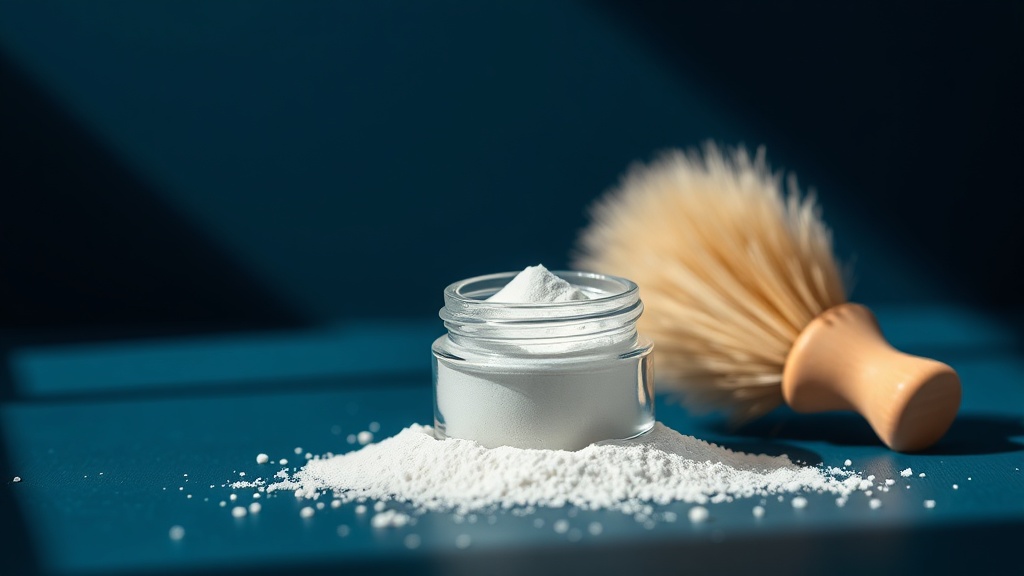
A gentle, consistent routine over weeks is how a mineral powder earns its keep; a single brushing does little.
A remineralizing powder supports early, intact enamel; it does not diagnose or repair damage. See a dentist if you notice a persistent white or brown spot, ongoing sensitivity, a hole or rough edge you can feel, or if you are considering a mineral powder for a child's teeth, where the evidence is limited. Anything beyond an early softened surface needs a professional assessment rather than a change of dentifrice.
Frequently asked questions
Sources
- 1.
- 2.
- 3.
- 4.
- 5.

Fix your breath at the source.
The complete science-backed protocol — engineered to eliminate volatile sulfur compounds at the biological source.
Start the Breath Protocol →Related reading
Educational purposes only. The content on this page is not medical advice and is not a substitute for consultation with a qualified dental or medical professional.
More from the library
 Guides8 min
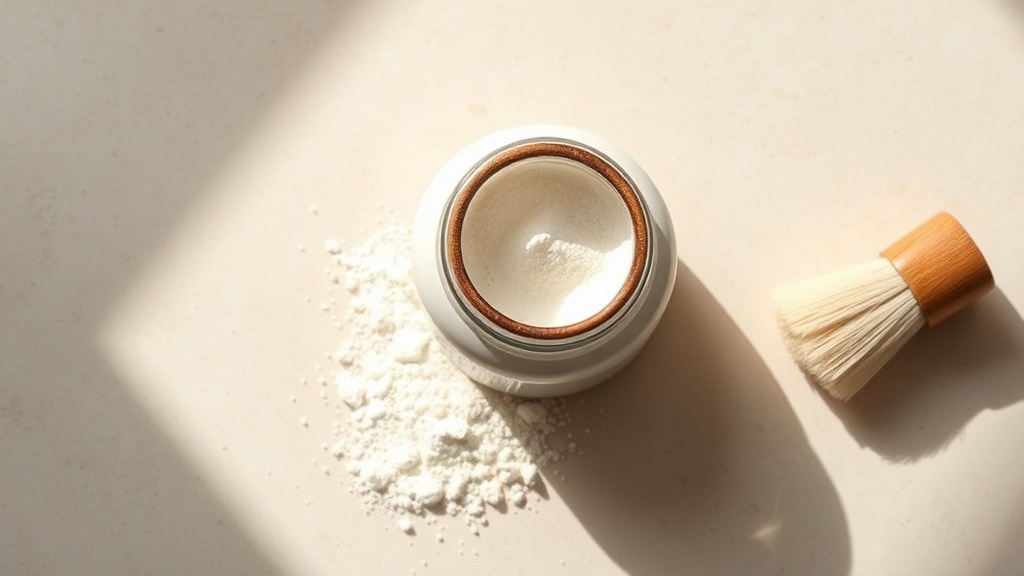
Tooth Powder: What It Is and How It Compares to Toothpaste
A plain-English look at what tooth powder is, why the abrasivity number matters more than the marketing, and how the format really stacks up against ordinary paste.
Read →→ Best Of9 min
Best Toothpaste for Bad Breath: What Ingredients Actually Matter
The active ingredient, not the brand on the tube, decides whether a toothpaste actually helps freshen your breath.
Read →→ Guides8 min
How to Get Rid of Bad Breath Permanently: An Evidence-Based Plan
The honest version: "permanently" means ongoing control, not a one-time fix. Here is the daily routine the research actually supports, and when to get help.
Read →→ Guides8 min
The Best Way to Clean Your Tongue for Fresh Breath
Most bad breath starts on the back of the tongue — here is the gentle, evidence-based way to clean it for fresher breath.
Read →→ Guides7 min
Bad Breath Even After Brushing? The Biological Reason (and Fix)
You brushed, flossed and rinsed — and the smell is still there. The reason usually isn't hygiene; it's where the odour-causing bacteria actually live.
Read →→ Best Of8 min
The Best Mouthwash for Bad Breath, by Active Ingredient
There is no single winner, only the right rinse for the right job. Here is how the active ingredients compare on the evidence, and which suits everyday fresh breath.
Read →→