Aloe Vera Mouthwash: What a Soothing Rinse Can Do
A gentle, alcohol-free rinse with a real but uneven evidence base.
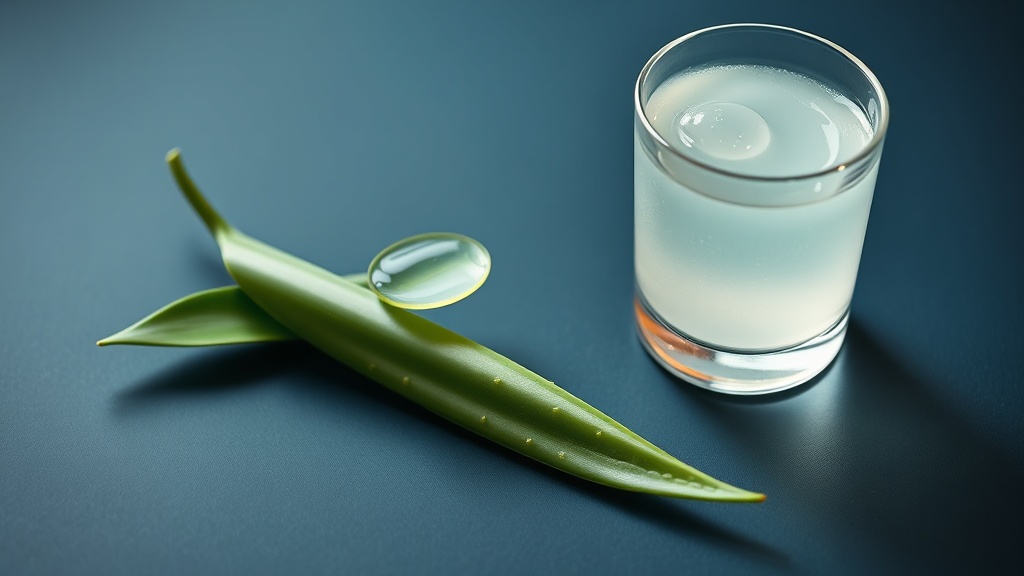
- Aloe vera mouthwash is a gentle, alcohol-free rinse valued for its soothing feel and its anti-inflammatory reputation on the gums.
- In some randomized trials it reduced plaque and gum inflammation about as much as chlorhexidine, the standard antiseptic rinse; in others it lagged behind.
- Taken together, herbal rinses like aloe roughly match conventional ones over the short term, but the underlying trials are small and low quality.
- Its appeal is comfort and gentleness rather than proven superiority: no staining, no strong taste, and a calming sensation many people prefer.
- It supports gum comfort and everyday hygiene as an adjunct; it does not cure gum disease and does not replace brushing, flossing or a dental visit.
Aloe vera mouthwash can help reduce plaque and soothe inflamed gums, sometimes matching chlorhexidine in trials and sometimes falling short. The evidence is genuinely mixed and low certainty. Its real advantages are gentleness and comfort — alcohol-free, no staining — as an adjunct to brushing and flossing, not a cure for gum disease.
What aloe vera does in the mouth
Aloe vera gel contains a mix of polysaccharides and plant compounds credited with anti-inflammatory and soothing properties, which is why it turns up in everything from sunburn gels to mouthwashes. In an oral rinse, the proposed benefits are twofold. First, aloe appears to have mild antibacterial activity that can help hold down the plaque bacteria involved in gum inflammation. Second, and more distinctively, its soothing character may calm the redness and tenderness of irritated gums, which is the quality people most notice compared with a sharp, astringent conventional rinse. Importantly, aloe mouthwash is typically alcohol-free, so it does not sting or dry the mouth the way some rinses do, and it does not carry the tooth-staining and taste-altering drawbacks that limit chlorhexidine to short courses. None of this makes aloe a disinfectant on the level of a prescription antiseptic. The honest way to picture it is as a gentle, mildly active, comfort-forward rinse: it can support cleaner, calmer gums as part of a routine, but the heavy lifting of removing plaque still belongs to the toothbrush and floss.
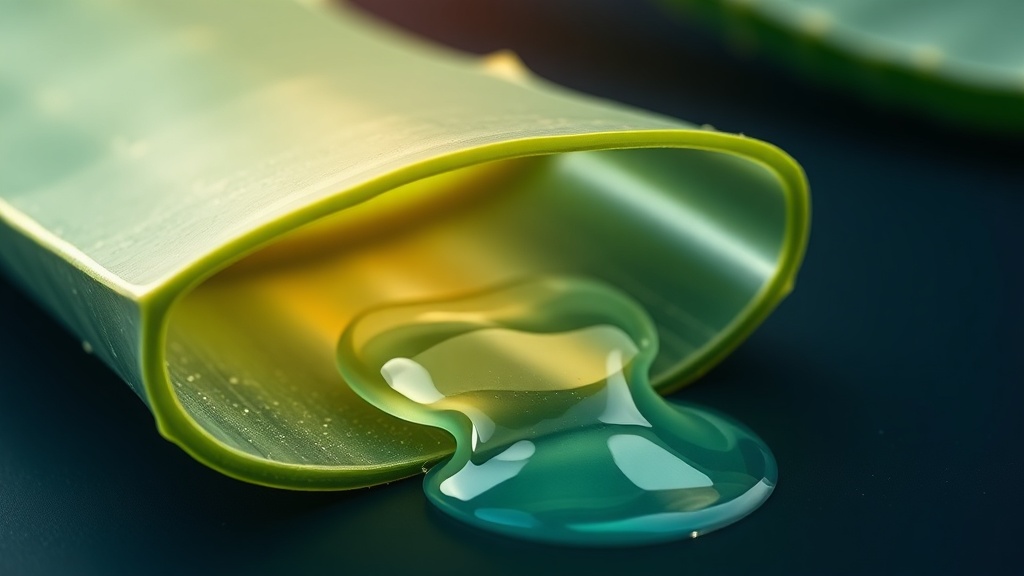
Aloe brings a soothing, alcohol-free character to a rinse, with mild antibacterial activity supporting gum comfort.
What the research actually shows
Every claim below maps to a named, peer-reviewed source in the Sources section. According to PubMed.
| Claim | Evidence | Source |
|---|---|---|
| Over 30 days, aloe vera mouthwash reduced plaque and gingival index scores as much as 0.2% chlorhexidine, with no significant difference between them. | Randomized controlled trial (n=270). | Hamonari, 2024 |
| In a multi-arm trial, aloe vera significantly reduced plaque, gingival and bleeding scores, but showed the smallest percentage change of the active rinses, with chlorhexidine the largest. | Double-blind, multi-arm RCT (n=60). | Andhare et al., 2023 |
| Aloe vera rinse reduced plaque and bleeding scores comparably to povidone-iodine, but less than chlorhexidine and a probiotic rinse over 28 days. | Randomized controlled trial (n=40). | Boyapati et al., 2024 |
| A systematic review found aloe vera reduced gingival inflammation by more than 40% compared with chlorhexidine in orthodontic patients. | Systematic review of clinical trials (9 studies, n=358). | Talpos Niculescu et al., 2024 |
| Across reviewed trials, herbal rinses including aloe reduced plaque and gingival scores comparably to non-herbal rinses in the short term, but the trials were low quality. | Literature review of RCTs (2001-2021). | Tidke et al., 2022 |
Aloe vera rinse in context
| Option | Its strength | The trade-off |
|---|---|---|
| Aloe vera rinse | Soothing, alcohol-free; sometimes matches chlorhexidine | Evidence is mixed and low quality |
| Chlorhexidine | The proven antiseptic gold standard for plaque | Staining and taste changes; short-term use only |
| Essential-oil or standard rinse | Widely available and inexpensive | Effect varies by product; some sting or dry |
| Brushing and flossing | Removes plaque directly and reliably | The foundation no rinse can replace |
Why the evidence is honestly mixed
It would be easy to cherry-pick a single trial and declare aloe either a match for chlorhexidine or a weaker pretender, because both kinds of result exist. In one well-sized study, aloe rinse matched chlorhexidine for plaque and gum scores with no meaningful difference. In others, aloe reduced the same measures significantly but by a smaller margin than chlorhexidine, or landed alongside povidone-iodine below the antiseptic and a probiotic rinse. A systematic review even reported aloe cutting gum inflammation more than chlorhexidine in orthodontic patients. The reason for this spread is not mystery but method: these are small, short trials using different aloe preparations, concentrations and scoring systems, and the broader evidence base for herbal rinses is rated low quality. The fair conclusion is a range, not a headline. Aloe mouthwash reliably helps somewhat, is occasionally as good as the gold standard, and is never clearly better in a way the evidence can trust. That is a perfectly respectable place for a comfort-focused, gentle rinse to sit. It also means the honest reason to choose aloe is how it feels and how well you tolerate it, not a promise that it out-performs proven care.
Evidence you can act on.
Occasional emails — new research, new protocols, no noise.
Using aloe vera mouthwash well
If you like the idea of a gentle rinse, here is how to fit aloe in. It supports gum comfort and hygiene; it does not treat gum disease.
- 1
Choose a genuine oral-use aloe rinse
—Pick a product formulated as a mouthwash rather than a skincare gel, ideally alcohol-free and low in added sugar. Follow the label for dilution and dose.
- 2
Rinse after brushing and flossing
30 to 60 secondsSwish for the time the label suggests, usually about 30 to 60 seconds, after you have already cleaned mechanically. The rinse complements brushing, it does not replace it.
- 3
Use it for comfort, especially with tender gums
twice dailyIts soothing, alcohol-free character makes it a pleasant option if standard rinses sting or if your gums feel irritated. Do not swallow it.
- 4
Do not rely on it to fix bleeding gums
—Persistently bleeding or receding gums signal gum disease that needs professional assessment. A rinse can support comfort while you get it checked, not cure it.
- 5
Keep your dental cleanings
as advisedRegular professional cleaning and check-ups remain the backbone of gum health. Aloe rinse is an adjunct to that, not a substitute.
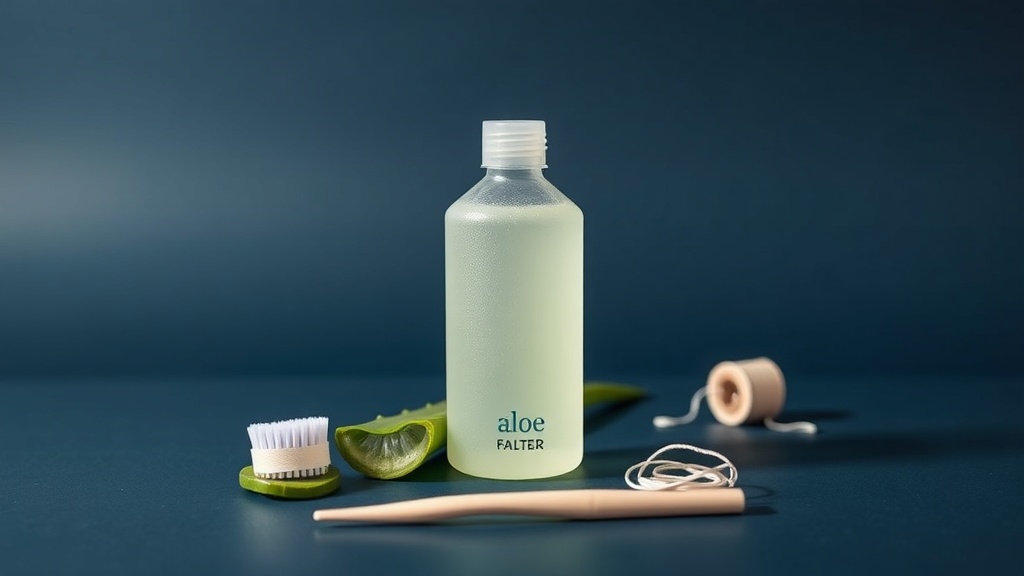
Aloe rinse works best as a soothing adjunct to brushing, flossing and regular dental care.
Gums that bleed regularly, look swollen or red, pull away from the teeth, or come with persistent bad breath are signs of gum disease that needs a dentist or hygienist. An aloe rinse may soothe the feeling, but it cannot reverse the disease process. See a professional for lasting gum changes rather than relying on any mouthwash, and check with your dentist or doctor before using new products if you are pregnant or have allergies to plants in the lily family.
Frequently asked questions
Sources
- 1.
- 2.
- 3.
- 4.
- 5.

Fix your breath at the source.
The complete science-backed protocol — engineered to eliminate volatile sulfur compounds at the biological source.
Start the Breath Protocol →Related reading
Educational purposes only. The content on this page is not medical advice and is not a substitute for consultation with a qualified dental or medical professional.
More from the library
 Ingredients8 min
Hydroxyapatite Mouthwash: What a Remineralizing Rinse Does
The rinse form of hydroxyapatite: how a swish delivers mineral where a brush misses, calms bacterial stickiness without a chlorhexidine trade-off, and where the evidence still thins out.
Read →→ Ingredients8 min
Baking Soda Mouthwash: What a DIY Rinse Can and Cannot Do
How a simple baking-soda rinse buffers acid, why it is not a plaque-buster, and how to mix and use it without overdoing it.
Read →→ Ingredients8 min
Probiotic Toothpaste: Do Oral Probiotics in Toothpaste Work?
What oral-probiotic toothpaste promises, how strains such as S. salivarius M18 are meant to work, and where the evidence is genuinely strong or thin.
Read →→ Ingredients8 min
How to Oil Pull: The Complete Step-by-Step Method
The full technique — which oil, how much, how to swish and spit safely, and where oil pulling honestly fits alongside a proven remineralizing routine.
Read →→ Answers8 min
How to Get Rid of White Spots on Teeth: Your Options, Ranked
An honest, evidence-based ladder of options, from what you can do at home to what only a dentist can fix.
Read →→ Ingredients8 min
Hydroxyapatite Toothpaste Benefits: What the Evidence Actually Supports
A calm, science-first look at what hydroxyapatite toothpaste can genuinely do for your enamel, and where the evidence stops.
Read →→