The Safest Way to Whiten Teeth: An Enamel-First Approach
Whitening and enamel safety are not a trade-off. The gentlest approach is modest peroxide, patience, and minerals — not the harshest scrub.
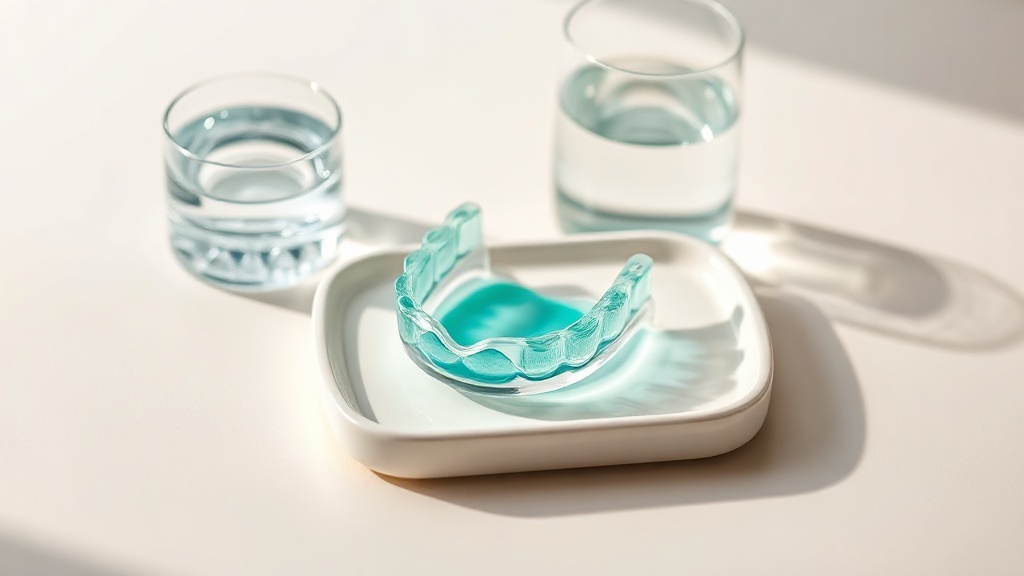
- The safest way to whiten is not the weakest or the harshest method, but the gentlest one that still works: a modest concentration of peroxide given enough contact time.
- Studies show low and medium strengths reach a similar shade to strong ones with roughly a third less sensitivity, so you rarely need an aggressive gel.
- Time does the heavy lifting. A lower-strength gel worn for the full recommended period can match a stronger gel worn briefly, without the sting.
- Pairing whitening with remineralisation — fluoride, nano-hydroxyapatite or calcium — restores the enamel surface peroxide temporarily softens, and cuts sensitivity.
- The genuinely unsafe options are the abrasive and acidic ones: charcoal wears enamel down, and lemon or DIY acid mixes erode it. Both should be avoided, not moderated.
The safest way to whiten teeth is a low or moderate concentration of peroxide worn for enough time, paired with remineralising products like fluoride or nano-hydroxyapatite. Gentle strengths reach a similar shade with far less sensitivity. Avoid charcoal and any acidic or DIY methods, which abrade or erode enamel irreversibly.
Why gentle beats aggressive
People often assume the safest whitening must be the weakest, and the fastest must be the strongest — so any real result feels like it must cost some enamel. The evidence tells a more encouraging story. Whitening works by peroxide diffusing through the enamel and oxidising the coloured molecules inside the tooth, and how much it lightens depends on concentration multiplied by time. Because time is one half of that equation, you can lean on it instead of raw strength: a modest gel worn for the full period does much of what a harsh gel does in a rush. That matters for safety, because sensitivity and surface softening rise with concentration faster than whiteness does. In practice the strongest gels mostly buy you discomfort. Peroxide does briefly soften the outermost enamel, but this is reversible — saliva and remineralising products restore the surface within days, and the tooth's deep mineral structure is unchanged. So the safest route is not to avoid peroxide; it is to use a sensible strength, give it time, and protect the surface with minerals while it works. The things that genuinely damage enamel are a different category entirely: abrasion and acid.
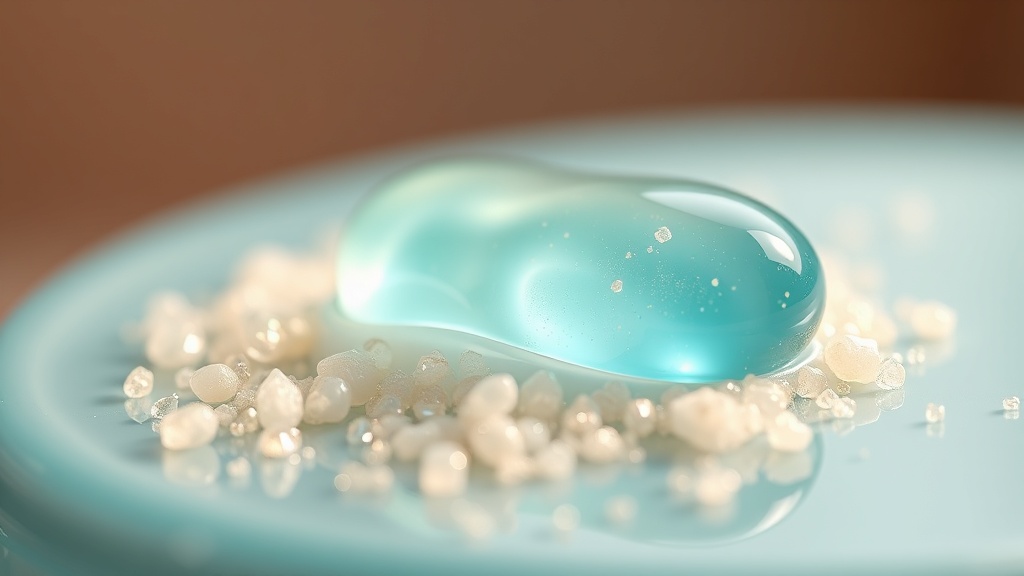
The enamel-first principle in one image: gentle peroxide plus remineralising minerals, working together to lighten the tooth while protecting the surface.
What the research actually shows
Every claim below maps to a named, peer-reviewed source in the Sources section. According to PubMed.
| Claim | Evidence | Source |
|---|---|---|
| Low and medium hydrogen-peroxide strengths gave about 33% less sensitivity risk with no loss of colour change versus high strength. | Systematic review and meta-analysis. | Maran et al., 2020 |
| Contact time, not concentration, drives at-home whitening: an overnight lower-strength gel beat a stronger gel worn briefly. | Clinical comparison of time vs concentration. | Lopez Darriba et al., 2017 |
| A 4% hydrogen-peroxide gel worn just 30 minutes a day matched 120 minutes a day by week 4, both with low sensitivity. | Randomised controlled trial of reduced wear time. | Terra et al., 2021 |
| Saturating a peroxide gel with calcium and phosphate prevented enamel softening with no loss of whitening. | In-vitro enamel study. | Andrade et al., 2021 |
| Charcoal toothpastes whitened less than alternatives and abraded enamel more, and were rated "less safe." | Systematic review of in-vitro studies. | Montero Tomas et al., 2022 |
Whitening approaches, ranked for safety
| Approach | How gentle it is | The catch |
|---|---|---|
| Dentist take-home tray, low concentration | Gentlest effective route; supervised | Slower; needs consistent daily wear |
| Whitening strips, low-percentage peroxide | Convenient; less sensitivity than in-office | Fit varies; still a peroxide product |
| Peroxide-free violet correctors | Very low sensitivity (under 3%) | Modest, largely optical and surface effect |
| Baking-soda polish plus remineralising paste | Very safe surface care | Removes stain; does not bleach the tooth |
| In-office high-concentration | Fast, single visit | Highest sensitivity; dentist-only |
| Charcoal, lemon or DIY acid mixes | Feels active but is not | Abrades or erodes enamel — best avoided |
What actually protects your enamel
If gentle peroxide is the safe engine of whitening, remineralisation is the seatbelt. Because peroxide softens the enamel surface for a short time, the smartest habit is to feed minerals back to it around your whitening days. Fluoride and nano-hydroxyapatite pastes both help the surface recover its hardness, and nano-hydroxyapatite has the added benefit of shortening how long teeth stay sensitive after whitening. There is even direct evidence that building calcium and phosphate into a whitening gel stops the softening altogether without dulling the result — proof that whiteness and enamel protection are not opposites. Desensitising ingredients such as potassium nitrate and fluoride can further take the edge off sensitivity without harming the colour change, and a gentler alternative for very sensitive people is a peroxide-free violet corrector, which reaches a visible shade with under 3% of users reporting sensitivity. What does not belong anywhere in a safe routine is abrasion or acid. Charcoal is the classic false friend: it feels like it is doing something, but it whitens less than plain toothpaste while grinding the enamel away, and that loss is permanent. Lemon and other acidic hacks are worse, dissolving the mineral surface outright. Saliva is your quiet ally through all of this, constantly buffering acids and redepositing minerals — which is one more reason to keep water, not citrus, near your teeth.
Evidence you can act on.
Occasional emails — new research, new protocols, no noise.
An enamel-first whitening plan
This is a cosmetic routine designed to get a visible result with the least stress on your enamel. Adjust it with your dentist, especially if your teeth are sensitive.
- 1
Start with the gentlest effective strength
before you beginChoose a low or moderate concentration rather than the strongest gel on the shelf. The research is clear that gentle strengths reach a similar shade with markedly less sensitivity, so there is little reason to start harsh.
- 2
Lean on time, keep sessions spaced
as directedWear the product for its full recommended time rather than reaching for more strength, and leave rest days between sessions. Time is what lightens the tooth; spacing lets the surface and nerve settle.
- 3
Remineralise around every whitening day
dailyUse a fluoride or nano-hydroxyapatite paste alongside whitening to restore the enamel surface peroxide temporarily softens. This both protects the enamel and shortens any sensitivity.
- 4
Reach for a desensitiser if you need one
as neededA potassium-nitrate or fluoride desensitising gel or toothpaste can reduce sensitivity without affecting the colour change. If you are very sensitive, a peroxide-free violet corrector is a gentler route to a visible result.
- 5
Never use charcoal, lemon or acid hacks
alwaysThese are the genuinely unsafe options. Charcoal abrades enamel and lemon erodes it, and neither loss can be reversed. Keep whitening chemical and gentle, and keep abrasion and acid away from your teeth.
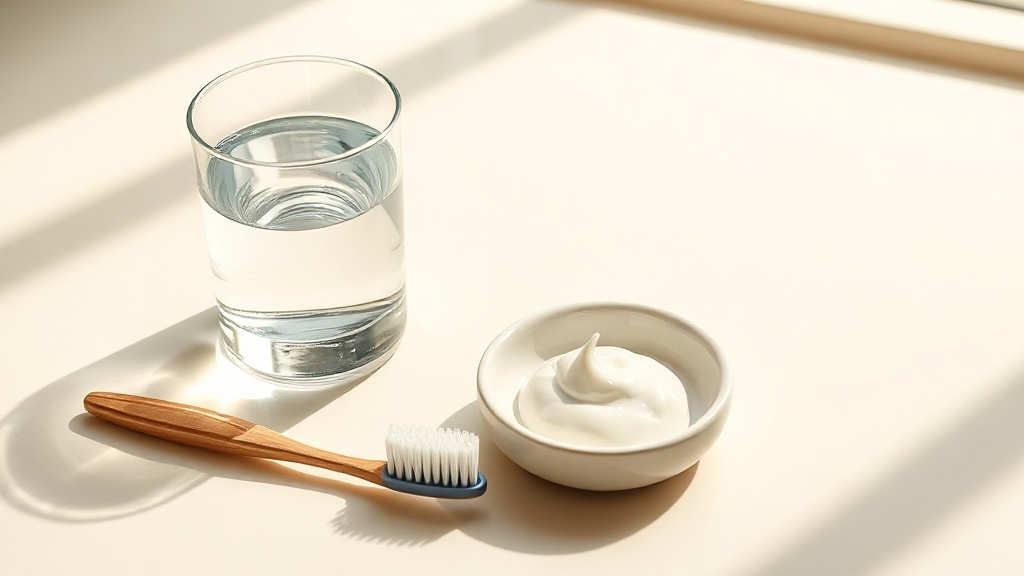
The enamel-protecting habits that make whitening safe: water, gentle brushing, and a remineralising paste — patience over aggression.
A dentist makes whitening both safer and more effective. See one before you start if you have sensitivity, gum recession, exposed roots, untreated cavities or a lot of dental work, since peroxide can reach the nerve through weak spots and will not lighten crowns or fillings. Book in too if whitening causes sharp or lasting pain, if a single tooth stays dark, or if you want a fast, strong result — high-strength peroxide should be applied under supervision.
Frequently asked questions
Sources
- 1.
- 2.
- 3.
- 4.
- 5.
- 6.
- 7.
- 8.
- 9.
- 10.

Fix your breath at the source.
The complete science-backed protocol — engineered to eliminate volatile sulfur compounds at the biological source.
Start the Breath Protocol →Related reading
Educational purposes only. The content on this page is not medical advice and is not a substitute for consultation with a qualified dental or medical professional.
More from the library
 Guides8 min
Teeth Whitening for Sensitive Teeth: A Gentle, Evidence-Based Guide
A calm, evidence-based guide to whitening when your teeth are prone to sensitivity — the levers that actually lower discomfort without giving up results.
Read →→ Answers8 min
Does Teeth Whitening Damage Enamel? The Evidence-Based Answer
The honest, evidence-based answer to whether whitening harms enamel — what peroxide really does to the surface, why sensitivity is not damage, and the DIY methods that actually cause wear.
Read →→ Answers8 min
How Often Should You Whiten Your Teeth? Safe Frequency by Method
A method-by-method guide to how often you can brighten your smile without overdoing it — and why more is rarely better.
Read →→ Answers9 min
Does Teeth Whitening Hurt? Why It Happens and How to Prevent It
The sting is common but manageable — and the real levers are lower concentration and shorter wear time, not gimmicks.
Read →→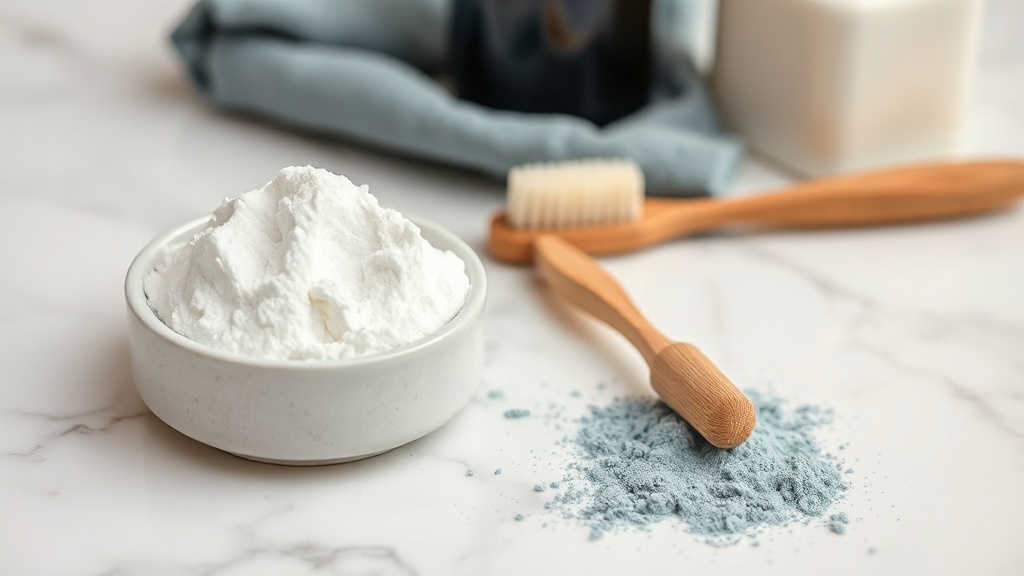 Answers8 min
Does Baking Soda Whiten Teeth? What the Evidence Says
An honest look at what baking soda can and cannot do for a whiter smile.
Read →→ Best Of9 min
Best Fluoride-Free Whitening Toothpaste: An Honest, Evidence-Based Guide (2026)
Which fluoride-free whitening ingredients hold up to the research — and which are marketing. An honest buyer's guide.
Read →→