How Often Should You Whiten Your Teeth?
A method-by-method guide to how often you can brighten your smile without overdoing it — and why more is rarely better.
- There is no single right number: safe whitening frequency depends entirely on the method, from a daily whitening toothpaste to a peroxide course you repeat only once or twice a year.
- More is not better. The enamel softening peroxide causes is mild and reverses within about a week as saliva and minerals restore the surface, so the goal is to whiten, then let the surface recover — not to whiten constantly.
- Results last far longer than most people expect — teeth typically stay lighter for one to two years and often longer — which is exactly why frequent re-whitening is usually unnecessary.
- Sensitivity, not enamel damage, is the real limit on frequency. Going gentler and slower — lower strength, shorter wear time, longer gaps — gives you nearly the same brightness with far less discomfort.
- Whitening is a cosmetic surface change, not a treatment. If your teeth look darker on one side or a single tooth is grey, that points to something a dentist should look at rather than more product.
It depends on the method. Whitening toothpaste is fine daily; peroxide strips or trays run as a one-to-two-week course you repeat only once or twice a year; in-office whitening is typically annual. Because results last one to two years, most people need far less frequent whitening than they assume — and gentler, spaced-out sessions cause less sensitivity.
Why frequency matters at all
Whitening works by chemistry, not by scrubbing. Peroxide — whether the hydrogen peroxide in strips or the carbamide peroxide in trays — diffuses through the enamel and oxidises the coloured molecules that sit mostly in the dentine beneath it, and how much it lightens is driven by the strength of the gel multiplied by how long it stays in contact. That same process temporarily softens the very outer layer of enamel, which is the reason how often is a real question and not just marketing. Here is the reassuring part: the effect is mild and it reverses. In laboratory measurements a strong single session lowered surface microhardness, but a week of ordinary saliva and remineralising exposure recovered much of it back toward baseline, and in-mouth studies found the enamel mineral (calcium-to-phosphate) ratio unchanged after whitening. Enamel is still the hardest, most mineralised tissue in the body. So the sensible rhythm is simple: whiten, then give the surface time to recover before you do it again — which is what every frequency below is really built around.
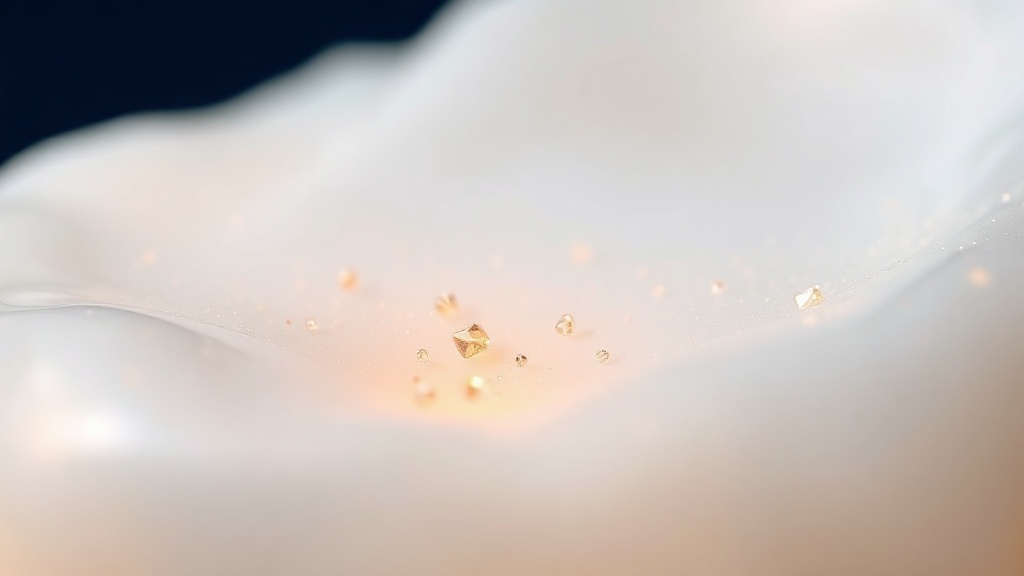
The mild surface softening from peroxide is temporary — saliva and minerals restore the enamel over the following days.
What the research actually shows
Every claim below maps to a named, peer-reviewed source in the Sources section. According to PubMed.
| Claim | Evidence | Source |
|---|---|---|
| The enamel softening from a strong whitening session is temporary — surface microhardness recovered substantially after about a week of remineralisation. | In-vitro microhardness study of 35% hydrogen peroxide. | Melo et al., 2022 |
| Whitening did not change enamel's mineral (calcium-to-phosphate) ratio measured in the mouth, with or without light activation. | In-vivo clinical study. | Kury et al., 2020 |
| Contact time, not concentration, drives at-home whitening — a lower-strength gel worn longer out-whitened a stronger gel worn briefly. | Controlled comparison of carbamide vs hydrogen peroxide. | Lopez Darriba et al., 2017 |
| Higher-strength gels bought more sensitivity, not more colour change — 10% and 16% carbamide peroxide whitened equally but 16% caused significantly more sensitivity. | Randomised controlled trial. | Meireles et al., 2008 |
| Whitening is durable: at four and a half years teeth had rebounded only about two shade units and stayed clinically lighter than baseline. | Long-term follow-up of carbamide peroxide whitening. | Hortkoff et al., 2025 |
Safe frequency by method
| Method | Typical safe frequency | Why |
|---|---|---|
| Whitening toothpaste / powder | Daily, ongoing | Works by gently removing surface stain at low abrasivity, so it suits everyday use |
| Whitening strips or gels | A 1–2 week course, once or twice a year | A full course lightens for many months; repeating it too soon mostly adds sensitivity |
| Custom or boil-and-bite trays | A 10–14 day course, roughly once a year | Same peroxide chemistry as strips; annual touch-ups maintain the result |
| In-office (dentist) whitening | About once a year, or as advised | The strongest single jump; your dentist paces it to your enamel and sensitivity |
| Quick touch-up before an event | A day or two, occasionally | Surface-stain polishing and a short strip session refresh brightness without a full course |
The real limit is sensitivity, not your enamel
When people ask how often they can whiten, what usually stops them is not their enamel wearing away — it is sensitivity. It is common: around six in ten people report some sensitivity during a course of professional-strength whitening, and in one in-office study almost everyone felt at least some discomfort. That twinge is the honest ceiling on frequency, and the good news is that it responds to how you whiten far more than to any add-on. The levers that actually work are using a lower-strength gel and reducing how long you wear it, rather than relying on desensitising ingredients, whose benefit is small and inconsistent. In practice a 4% gel worn 30 minutes a day caught up to a 120-minute regimen by the fourth week, both with low sensitivity, and reviews of lower- and medium-strength whitening find about a third less sensitivity with no loss of colour. So if you feel a twinge, the answer is almost never to push through more often — it is to go gentler, wear it for less time, and leave longer gaps.
Evidence you can act on.
Occasional emails — new research, new protocols, no noise.
How to pace your whitening
None of this treats a dental problem — it is simply how to keep your smile bright while giving the enamel time to recover between sessions.
- 1
Start with a full course, not a permanent habit
10–14 daysRun one complete course of strips or trays as directed, then stop. A finished course does the heavy lifting; back-to-back courses mostly add sensitivity, not brightness.
- 2
Then wait — and let the result ride
6–12 monthsBecause whitening lasts one to two years, resist re-whitening at the first sign of coffee. Maintain with a low-abrasion whitening toothpaste and mindful stain habits instead.
- 3
Touch up, don't restart
1–3 days, occasionallyBefore an event, a day or two of strips or a surface-stain polish refreshes brightness without committing to another full course.
- 4
Go gentler if you feel a twinge
as neededDrop to a lower strength, shorten wear time, and space sessions further apart. A potassium-nitrate or nano-hydroxyapatite toothpaste between sessions can ease sensitivity.
- 5
Protect the surface between sessions
dailyBrush gently, wait a little after acidic food or drink before brushing, and let saliva do its remineralising work. This is what makes each result last so you whiten less often.
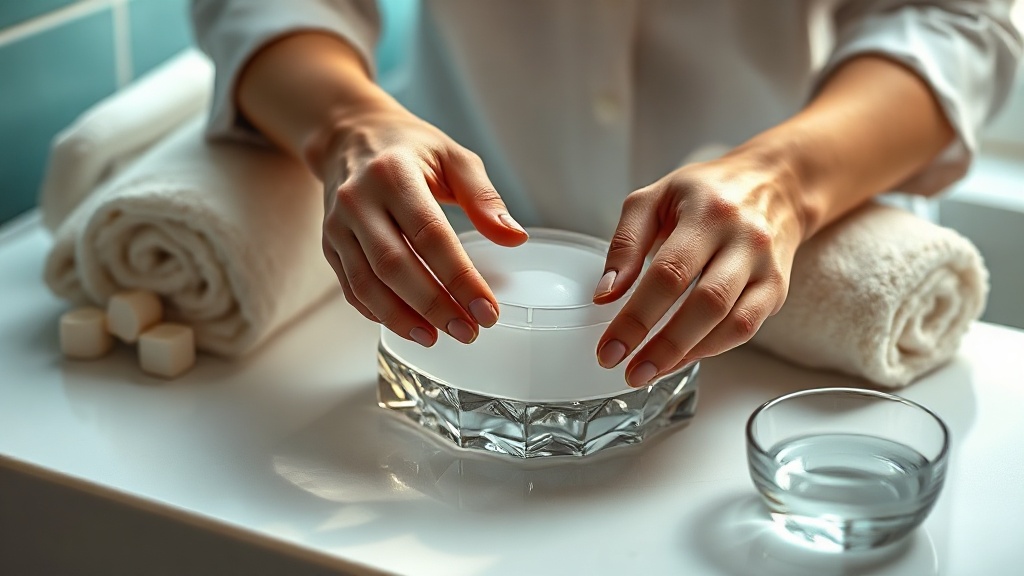
Spacing whitening into occasional, gentle sessions — rather than constant use — keeps sensitivity low and results lasting.
Whitening is cosmetic, so a few signs mean it is time to see a dentist rather than reach for more product: a single tooth that is noticeably darker or grey, staining on just one side, whitening that does nothing at all, or sensitivity that lingers well beyond a session. These can reflect an old filling, a tooth that needs attention, or discoloration coming from inside the tooth — none of which more strips will change. A dentist can also tell you the safe pace for your particular enamel.
Frequently asked questions
Sources
- 1.
- 2.
- 3.
- 4.
- 5.
- 6.
- 7.
- 8.
- 9.
- 10.
- 11.

Fix your breath at the source.
The complete science-backed protocol — engineered to eliminate volatile sulfur compounds at the biological source.
Start the Breath Protocol →Related reading
Educational purposes only. The content on this page is not medical advice and is not a substitute for consultation with a qualified dental or medical professional.
More from the library
 Answers8 min
Does Teeth Whitening Damage Enamel? The Evidence-Based Answer
The honest, evidence-based answer to whether whitening harms enamel — what peroxide really does to the surface, why sensitivity is not damage, and the DIY methods that actually cause wear.
Read →→ Answers9 min
Does Teeth Whitening Hurt? Why It Happens and How to Prevent It
The sting is common but manageable — and the real levers are lower concentration and shorter wear time, not gimmicks.
Read →→ Answers9 min
How Often Can You Use Whitening Strips? Safe Frequency Explained
One course does most of the work; the smart move is occasional touch-ups, not back-to-back use.
Read →→ Answers8 min
How Long Does Teeth Whitening Last? (And How to Extend It)
Whitening results last longer than most people think — teeth stay lighter for years — but they fade gradually, and a few simple habits slow it down.
Read →→ Answers8 min
Does Baking Soda Whiten Teeth? What the Evidence Says
An honest look at what baking soda can and cannot do for a whiter smile.
Read →→ Best Of9 min
Best Fluoride-Free Whitening Toothpaste: An Honest, Evidence-Based Guide (2026)
Which fluoride-free whitening ingredients hold up to the research — and which are marketing. An honest buyer's guide.
Read →→