Professional Teeth Whitening Cost: In-Office vs Take-Home Prices (2026)
In-office, take-home, and over-the-counter whitening prices for 2026, and an honest look at what the research says each tier actually buys you.
- In 2026, in-office (chairside) whitening typically runs about 400 to 1,000 dollars or more per visit, dentist-made take-home trays about 250 to 500 dollars, and dentist-dispensed pre-filled trays about 100 to 300 dollars.
- Over-the-counter options are far cheaper: 6% hydrogen-peroxide strips run about 20 to 60 dollars and LED or pen kits about 30 to 70 dollars.
- The higher price of in-office whitening buys speed and professional supervision, not a whiter end result. In head-to-head reviews, at-home trays reach the same final shade over a couple of weeks.
- The active ingredient is peroxide, and contact time matters more than concentration. A gentler gel worn longer can match a strong gel used briefly.
- Paying extra for an activating light is not supported by the evidence, and higher-concentration in-office gels are the most likely to cause temporary sensitivity.
Professional teeth whitening in 2026 usually costs about 400 to 1,000 dollars or more for in-office treatment, 250 to 500 dollars for dentist-made take-home trays, and 100 to 300 dollars for pre-filled trays. In-office whitening mostly buys speed and supervision, because reviews show at-home trays reach the same final shade.
What you are actually paying for
Every whitening method that genuinely changes tooth colour works the same way: a peroxide gel, either hydrogen peroxide or carbamide peroxide, releases oxygen that diffuses through the enamel and breaks down the coloured molecules inside the tooth. The result tracks two things, the concentration of the gel and the total time it stays in contact with the tooth. That single fact explains most of the price list. When you pay for an in-office session, you are paying for a high-concentration gel applied under supervision, protective isolation of your gums, the chair time of trained staff, and the convenience of a visible change in about an hour. When you pay for dentist take-home trays, you are paying for custom-fitted trays taken from an impression of your teeth plus a professional-strength gel to use at home over one to two weeks. Over-the-counter strips and pre-filled trays use the same chemistry at lower concentrations and a one-size design, which is why they cost a fraction as much and simply take longer to reach the same place. Understanding that the colour change comes from peroxide and time, not from the price tag, is what lets you match the method to your budget instead of overpaying for the label.
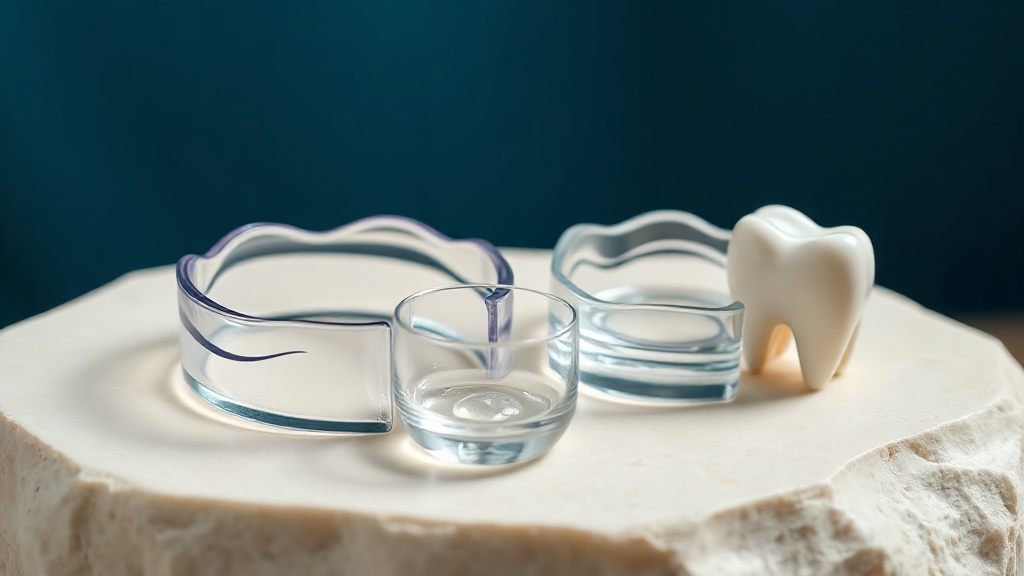
The colour change comes from a peroxide gel and contact time, whether it is applied in a chair or in a custom tray at home.
What the research actually shows
Every claim below maps to a named, peer-reviewed source in the Sources section. According to PubMed.
| Claim | Evidence | Source |
|---|---|---|
| At-home and in-office bleaching reach a similar final shade; the difference is speed, not the end result. | Updated systematic review and meta-analysis. | de Geus et al., 2025 |
| Among over-the-counter options, 6% hydrogen-peroxide strips and 10% carbamide-peroxide gels rank highest for colour change. | Network meta-analysis of OTC protocols. | de Oliveira et al., 2024 |
| Adding a light or laser to in-office whitening produced no extra colour benefit over the peroxide gel alone. | Network meta-analysis of 28 randomized trials. | Maran et al., 2019 |
| For at-home gels, contact time rather than concentration drives results; a 10% gel worn overnight out-whitened a stronger gel worn briefly. | Randomized clinical trial. | Lopez Darriba et al., 2017 |
| Whitening is durable: teeth stay lighter for about two years, and after 4.5 years the rebound averaged only about 2.1 shade units. | 4.5-year follow-up of a randomized controlled trial. | Hortkoff et al., 2025 |
2026 whitening prices at a glance
| Option | Typical 2026 price | What the evidence says |
|---|---|---|
| In-office (chairside) | 400 to 1,000+ dollars per visit | Fastest single-visit result; no whiter final shade than at-home; most likely to cause sensitivity |
| Custom take-home trays (dentist) | 250 to 500 dollars | Matches in-office over one to two weeks; custom-fitted and well tolerated |
| Dentist pre-filled trays | 100 to 300 dollars | Convenient; effective at lower concentration with good contact time |
| OTC whitening strips | 20 to 60 dollars | 6% HP strips top the OTC rankings; results land close to supervised bleaching |
| OTC LED or light kits | 30 to 70 dollars | The light adds no measurable whitening; you are paying for the gel |
Where the price gap really comes from, and why cheaper often matches pricier
If the chemistry is the same, why the huge spread in price? The gap is mostly service, not results. In-office whitening bundles professional time, gum protection, a custom or supervised application, and speed, so you walk out changed the same day. That convenience is real and worth something for a deadline, but it does not buy a whiter finish. A systematic review comparing whitening strips with supervised in-chair bleaching found the difference in outcome was essentially invisible to the eye, and the strips came with less sensitivity. The place people most often overpay is the activating light. Two large network meta-analyses concluded that adding a lamp or laser to peroxide gives no extra whitening, so a session sold on its light is charging you for a feature the evidence does not support. Sensitivity is the other side of the ledger: high-concentration in-office gels are the ones most likely to sting, with one controlled study finding almost every patient felt some discomfort, while lower-concentration approaches deliver about a third less sensitivity for the same colour. Finally, be honest with yourself about expectations. Bleaching genuinely lifts confidence in pooled trials, but a placebo group with no colour change reported similar gains, so much of the felt benefit is the ritual and the anticipation, not a subtle extra shade you paid a premium to chase.
Evidence you can act on.
Occasional emails — new research, new protocols, no noise.
How to get whiter teeth without overpaying
You can almost always work up the price ladder rather than starting at the top. Because the colour change comes from peroxide and contact time, the cheapest effective option is often the right first move. None of this is about treating a condition; it is cosmetic colour, matched to your budget.
- 1
Start by naming the goal
5 minutesDecide whether you are lifting surface stain or deeper colour. A dental cleaning plus an over-the-counter product is often enough, and it costs a fraction of a chairside session.
- 2
Try OTC strips or a tray gel first
1 to 2 weeks6% hydrogen-peroxide strips and 10% carbamide-peroxide gels rank at the top of over-the-counter options and land close to supervised bleaching. At 20 to 60 dollars, they are the highest-value entry point.
- 3
Do not pay extra for the light
n/aTwo network meta-analyses found activating lights add no measurable whitening. If a package is priced around its lamp, you are paying for something the evidence does not support.
- 4
Step up to custom trays if you want a better fit
about 2 weeksDentist-made take-home trays, at 250 to 500 dollars, match in-office results over a couple of weeks with a precise fit and professional-strength gel, for far less than chairside.
- 5
Reserve in-office for a real deadline
about 1 hourChairside whitening is worth it when you need a visible change fast and want supervision. Expect more sensitivity, and ask about lower-concentration protocols that keep the colour and cut the sting.
- 6
Maintain instead of re-buying
ongoingResults last around two years with only mild relapse, so a small take-home top-up now and then protects your investment better than paying for a fresh chairside session every year.
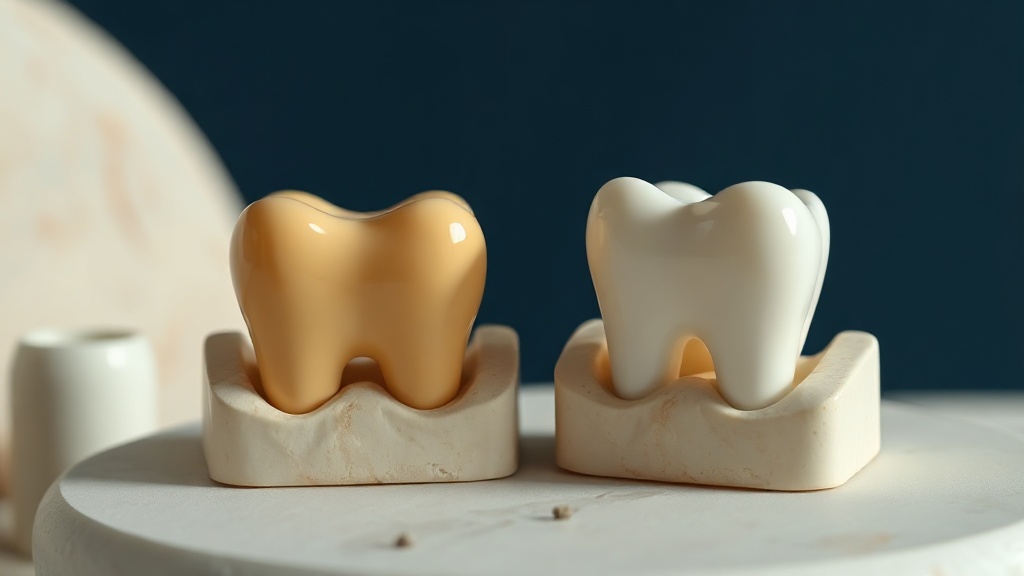
Every price tier reaches a similar final shade; the pricier options mainly get you there faster.
See a dentist before whitening if you have crowns, veneers, or bonded fillings on your front teeth, because those do not change colour and can end up mismatched. Book a visit too if you have gum recession, exposed roots, ongoing sensitivity, or a single tooth that is darker than the rest, since those situations need individual assessment rather than a generic kit. A dentist can also supervise higher-concentration gels safely and confirm that the colour you want to change is cosmetic rather than a sign of something that needs separate care.
Frequently asked questions
Sources
- 1.
- 2.
- 3.
- 4.
- 5.
- 6.
- 7.
- 8.
- 9.
- 10.
Fix your breath at the source.
The complete science-backed protocol — engineered to eliminate volatile sulfur compounds at the biological source.
Start the Breath Protocol →Related reading
Educational purposes only. The content on this page is not medical advice and is not a substitute for consultation with a qualified dental or medical professional.
More from the library
 Guides10 min
Zoom Teeth Whitening Cost: Is It Worth $500? (2026 Prices)
What Zoom whitening costs in 2026, what the blue lamp actually contributes, and how it stacks up against gentler, cheaper options.
Read →→ Answers9 min
Does Teeth Whitening Hurt? Why It Happens and How to Prevent It
The sting is common but manageable — and the real levers are lower concentration and shorter wear time, not gimmicks.
Read →→ Comparisons8 min
Carbamide Peroxide vs Hydrogen Peroxide for Teeth Whitening: Which Works Better?
An evidence-based comparison of the two whitening peroxides, what actually separates them, and how to choose by format and comfort rather than by the biggest number.
Read →→ Answers8 min
How Often Should You Whiten Your Teeth? Safe Frequency by Method
A method-by-method guide to how often you can brighten your smile without overdoing it — and why more is rarely better.
Read →→ Answers8 min
Does Teeth Whitening Damage Enamel? The Evidence-Based Answer
The honest, evidence-based answer to whether whitening harms enamel — what peroxide really does to the surface, why sensitivity is not damage, and the DIY methods that actually cause wear.
Read →→ Answers8 min
Does Baking Soda Whiten Teeth? What the Evidence Says
An honest look at what baking soda can and cannot do for a whiter smile.
Read →→