Pediatric Dental Insurance: Is It Worth It and What It Covers
A plain-English guide to how children's dental coverage works, what it pays for, and how to decide whether a plan is worth it for your family.

- Pediatric dental insurance mostly exists to make routine, preventive care - check-ups, cleanings, fluoride and sealants - predictable and affordable, and that care is where the real value sits.
- Most children's plans cover preventive visits at or near 100%, pay a share of fillings, and cap or exclude big-ticket work like crowns and braces - so the fine print matters more than the headline.
- Many children qualify for free or low-cost dental coverage through Medicaid or CHIP, which include children's dental care - always worth checking before you buy a private plan.
- Whether a plan is worth it comes down to simple math: compare a year of out-of-pocket care in your area against the premium, annual maximum, waiting periods and network.
- Insurance is a way to pay for care, not a substitute for it - your child still needs a pediatric dentist, and this guide is informational, not medical advice.
Pediatric dental insurance is usually worth it when it makes routine preventive care - exams, cleanings, fluoride and sealants - affordable and predictable, which is where most of a child's dental spending lives. Check what it covers, its annual limit, waiting periods and network first. If your child qualifies for Medicaid or CHIP, that often covers dental at little or no cost.
How children's dental coverage actually works
Dental coverage for kids comes in a few shapes. It can be a stand-alone dental plan you buy directly, a dental rider added to a medical or marketplace health plan, a benefit through a parent's employer, or public coverage through Medicaid or CHIP. Under the Affordable Care Act, pediatric dental care is treated as an essential health benefit, so it must be available to families buying on the marketplace - though the rules on whether you have to purchase it vary. Whatever the source, most private plans are built on the same three tiers. Preventive care - exams, cleanings, fluoride and often sealants - is usually covered at or close to 100%, because keeping small problems small is cheaper for everyone. Basic restorative care, such as fillings, is typically covered at roughly half to four-fifths of the cost after any deductible. Major and orthodontic work - crowns, and braces - is where plans get stingy, often with a cap, a waiting period, or an outright exclusion. Two numbers quietly decide a plan's real value: the annual maximum (the ceiling the plan will pay in a year, frequently a modest figure) and whether your dentist is in-network. Out-of-network care can cost dramatically more even when it is technically covered.
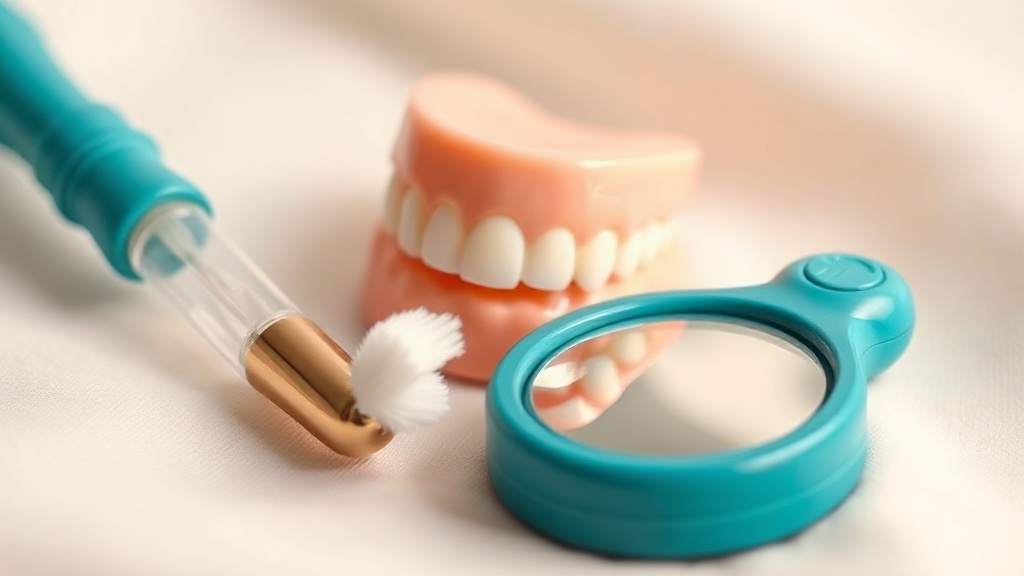
The everyday preventive services a kids' plan is built around - cleanings, fluoride varnish and sealants - are the ones with the strongest evidence and the lowest cost to cover.
Why the covered care is worth having
Every claim below maps to a named, peer-reviewed source in the Sources section. According to PubMed.
| Claim | Evidence | Source |
|---|---|---|
| Tooth decay is the most common chronic disease of childhood, affecting roughly 48% of preschoolers worldwide - so routine dental care is a core need, not a luxury. | Global pooled prevalence, 64 reports across 29 countries (59,018 children). | Uribe et al., 2021 |
| Dental sealants, a standard covered preventive benefit, sharply lowered decay on the chewing surfaces of molars (odds around 0.12 at two years), with no adverse events reported. | Cochrane systematic review of pit-and-fissure sealant trials. | Ahovuo-Saloranta et al., 2017 (Cochrane) |
| Fluoride varnish, another routinely covered service, reduced decay in baby teeth by about 37%. | Cochrane review of fluoride varnish trials in children. | Marinho et al., 2013 (Cochrane) |
| Simple diet and feeding guidance from a dental team - part of an ordinary covered check-up - cut early childhood decay by around 15%. | Cochrane review of caregiver dietary counselling. | Gomersall et al., 2024 (Cochrane) |
| Skipping early care gets expensive fast: among children needing surgery under general anaesthesia for decay, over half the affected teeth had to be extracted and a third had abscesses. | Clinical series of 4,713 carious teeth treated under general anaesthesia. | Ibrahim et al., 2023 |
What kids' dental plans usually cover
| Service | How plans usually treat it | What to check |
|---|---|---|
| Preventive: exams, cleanings | Often covered at or near 100%, usually twice a year | How many visits per year, whether the exam and cleaning both count |
| Fluoride varnish and sealants | Commonly covered for children | Age cut-offs and how often, and which teeth qualify |
| X-rays | Usually covered on a set schedule | The interval limit between covered images |
| Fillings (basic restorative) | Typically covered around 50-80% after any deductible | The co-insurance share, the deductible, and any waiting period |
| Crowns and braces (major/ortho) | Often capped, delayed, or excluded | Lifetime orthodontic maximum and medically-necessary rules |
Medicaid, CHIP and lower-cost routes
Before buying a private plan, it is worth checking whether your child already qualifies for public coverage - because for many families the answer is yes. Medicaid covers dental care for enrolled children as a required benefit, and the Children's Health Insurance Program (CHIP) includes children's dental coverage too. Both are income-based, and eligibility thresholds are more generous for children than many parents expect, so it is worth applying even if you think you earn too much. These programs typically cover the preventive care that matters most - exams, cleanings, fluoride and sealants - at little or no cost, along with a share of restorative work. Because the specifics are set state by state, the practical move is to look up your own state's program rather than rely on a general rule. If you do not qualify and a private plan looks thin, other routes can stretch a budget: community health centres often provide dental care on a sliding scale tied to income, university dental schools offer supervised care at reduced fees, and some dental offices run in-house membership or discount plans that bundle preventive visits for a flat annual fee. None of these is insurance in the strict sense, but each can make routine care affordable.
Evidence you can act on.
Occasional emails — new research, new protocols, no noise.
How to decide if a plan is worth it
You do not need to be an insurance expert - just work through these steps in order and the answer usually becomes clear. The goal is to match a plan to your child's actual needs, not to buy the most coverage on paper.
- 1
Price out a normal year of care
30 minutesCall a local pediatric dental office and ask the cash price for two check-ups with cleanings, fluoride, occasional x-rays, and a sealant or two. That total is your baseline - the number any plan has to beat once you add up its premiums.
- 2
Check Medicaid and CHIP first
before you buy anythingLook up your state's Medicaid and CHIP eligibility for children. Many families qualify without realising it, and these programs cover children's dental care at little or no cost. If your child is eligible, you may not need a private plan at all.
- 3
Read the four numbers that matter
15 minutes per planFor any plan you are weighing, find the annual maximum, the deductible, any waiting periods before restorative work is covered, and whether it is an in-network or open plan. A low premium paired with a tiny annual cap and a long waiting period often is not the bargain it looks like.
- 4
Match the plan to your child's risk
a quick judgement callA child who has never had a cavity may get nearly all the value from preventive coverage alone. A child with a history of decay, or one heading toward orthodontic needs, gets more from a plan with stronger restorative and orthodontic benefits - even at a higher premium.
- 5
Confirm your dentist is in-network
one phone callA plan is only as good as the dentists it covers. Before enrolling, confirm that a pediatric dentist you trust accepts it, and ask their front desk what your real out-of-pocket cost would be. Offices deal with these plans daily and can often estimate it quickly.

Deciding whether a plan is worth it is mostly arithmetic: a year of routine care in your area, weighed against the premium, the annual cap and the network.
A pediatric dentist's office is your best ally on cost as well as care. Their front-desk team knows which plans they accept, can estimate what a visit or procedure will actually cost you, and can flag when something is medically necessary - which sometimes changes how it is covered. Establish a dental home early: the recommendation is a first dental visit by around age one, which gives you a trusted office to ask these questions long before a problem appears. Remember that coverage decisions are financial, but your child's care decisions belong with the dentist.
Frequently asked questions
Sources
- 1.
- 2.
- 3.
- 4.
- 5.
- 6.

Fix your breath at the source.
The complete science-backed protocol — engineered to eliminate volatile sulfur compounds at the biological source.
Start the Breath Protocol →Related reading
Educational purposes only. The content on this page is not medical advice and is not a substitute for consultation with a qualified dental or medical professional.
More from the library
 Guides8 min
Dental Sealants for Kids: Pros, Cons, and Cost
An honest guide to dental sealants for children — how they work, the pros and cons, typical cost, the BPA question, and when a dentist may suggest them.
Read →→ Guides9 min
Early Childhood Caries: Gentle Prevention for Little Smiles
What early childhood caries is, why it happens, and the calm daily habits - diet, bottle routines, brushing, dental visits - that lower a young child's risk.
Read →→ Guides8 min
Silver Diamine Fluoride for Kids: How It Stops Cavities, the Black Stain, and What to Expect
A dentist-applied liquid that can halt early tooth decay without a drill - and the honest trade-off it comes with: a permanent black stain on the treated spot.
Read →→ Answers8 min
How Long Do Dental Sealants Last on Kids' Teeth?
An honest look at how durable kids' dental sealants really are - and why a little upkeep is part of the deal.
Read →→ Best Of8 min
Best Teething Gel for Babies: Safer Soothing Options Compared
Why the honest best is non-medicated relief - and why the FDA warns against benzocaine and lidocaine teething gels for babies and toddlers.
Read →→ Best Of8 min
Best Toothbrush for Kids by Age (2026 Buying Guide)
A calm, honest guide to choosing a child toothbrush by age — soft bristles, small head, and the habits that matter more than any brand.
Read →→