Dental Sealants for Kids: Pros, Cons, Cost, and Safety
An honest guide to dental sealants for children — how they work, the pros and cons, typical cost, the BPA question, and when a dentist may suggest them.
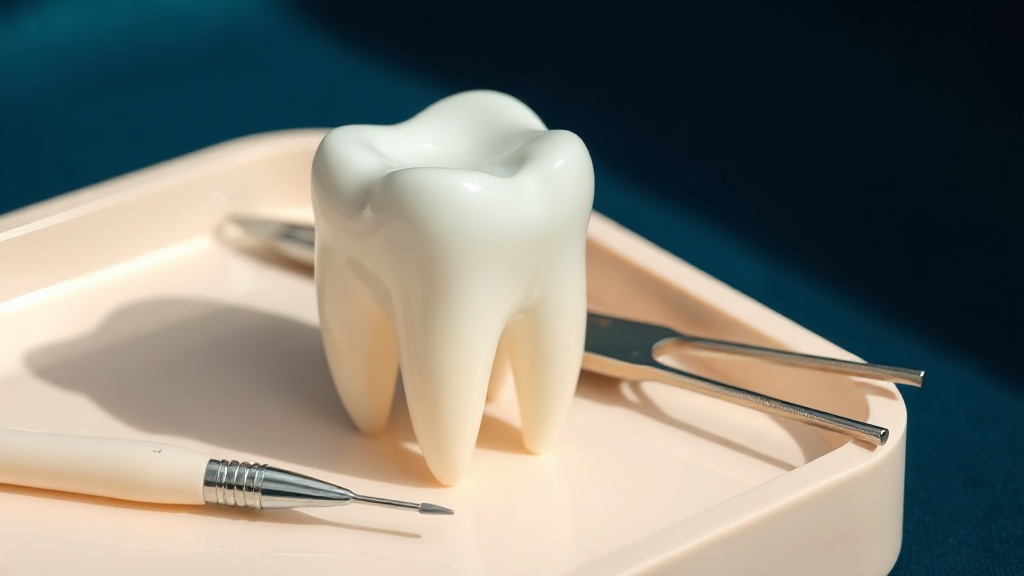
- A dental sealant is a thin protective resin a dentist paints into the deep pits and grooves of the back molars, where a toothbrush bristle simply cannot reach.
- The evidence is strong: sealed permanent molars are far less likely to develop decay on their chewing surfaces than unsealed ones, and no trial that looked for harm found meaningful adverse effects.
- The visit is quick and painless — no drilling and no numbing needle — which makes sealants one of the gentler things a child can have done at the dentist.
- Sealants release only trace amounts of bisphenol A, well within limits set by health authorities, and this small, brief exposure is the honest answer to the common BPA worry.
- They are a complement, not a replacement: sealants protect the grooves, but brushing with fluoride toothpaste, limiting sugary snacks, and regular check-ups still do the rest of the work.
Dental sealants are a thin resin coating a dentist paints into the grooves of a child's back molars to smooth over spots a toothbrush cannot clean. They have strong evidence for lowering decay on those chewing surfaces, the application is quick and painless, and they are considered safe. They usually cost about 30 to 60 dollars per tooth and are often covered by insurance.
What a dental sealant actually is
The chewing surface of a back molar is not smooth. It is folded into a landscape of narrow pits and fissures, and some of those grooves are deeper and thinner than a single toothbrush bristle — which means that no matter how carefully a child brushes, food and plaque can settle into them and stay. Those sheltered grooves are exactly where decay most often begins on a child's teeth. A sealant is the simple answer to that problem of shape. The dentist cleans and dries the tooth, applies a mild gel that gives the enamel a slightly rough, receptive surface, rinses and dries again, then paints on a thin liquid resin that flows into every groove. A curing light hardens it in seconds into a smooth, sealed layer. Nothing is drilled and nothing is removed — the sealant simply fills and levels the grooves so debris can no longer lodge there and the surface becomes easy to keep clean. Because it works by changing the shape of the tooth surface rather than by any drug action, a sealant is a structure-and-function measure, not a treatment for existing disease. If decay has already started in a groove, that is a separate conversation with the dentist.
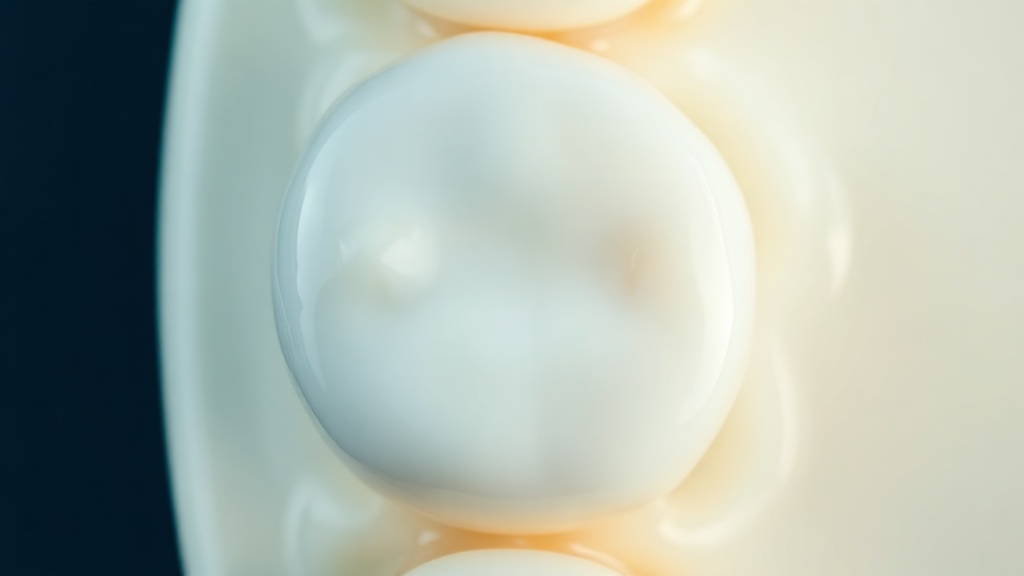
A sealant flows into the deep grooves a bristle cannot reach and hardens into a smooth, easy-to-clean surface.
What the research actually shows
Every claim below maps to a named, peer-reviewed source in the Sources section. According to PubMed.
| Claim | Evidence | Source |
|---|---|---|
| Resin sealants sharply lower the odds of decay on the chewing surfaces of permanent molars — an odds ratio of about 0.12 versus no sealant at two years. | Cochrane review of pit-and-fissure sealant trials. | Ahovuo-Saloranta et al., 2017 |
| The protection lasts: guideline-grade evidence shows a similar benefit (odds ratio about 0.15) still present at seven years or more. | ADA/AAPD systematic review. | Wright et al., 2016 |
| Sealants have a strong safety record — no trial that assessed adverse events reported any meaningful harm from placing them. | Cochrane review of sealant trials. | Ahovuo-Saloranta et al., 2017 |
| Resin sealants do release trace bisphenol A, but urinary levels after placement stayed low and within limits approved by international health authorities. | Prospective cohort biomonitoring in schoolchildren. | Supornsilchai et al., 2025 |
| The problem sealants address is common: tooth decay is the most prevalent chronic disease of childhood, which is why protecting vulnerable grooves early matters. | US prevalence analysis of untreated caries in young children. | Cooper et al., 2017 |
Sealants compared with other options
| Option | What it does | When it tends to fit |
|---|---|---|
| Dental sealant | Seals the grooves of a tooth so decay is less likely to start there | Sound permanent molars soon after they come in |
| Fluoride varnish | Strengthens all tooth surfaces against decay; the recommended topical fluoride for under-6s | Every child at check-ups, alongside sealants |
| Silver diamine fluoride | Halts an existing early cavity without drilling, but stains it dark | A cavity that has already started, especially to avoid anaesthesia |
| Hall-technique crown | Seals decay under a metal crown with no drilling | A larger cavity in a baby molar |
| Brushing plus fluoride | Protects every surface and is the daily foundation | Always — sealants never replace it |
Are sealants safe? The BPA question, honestly
The most common worry parents raise is bisphenol A, or BPA — and it deserves a straight answer rather than reassurance or alarm. Many resin sealants are made from a compound (Bis-GMA) that can release very small amounts of BPA, and studies that measured children after placement did detect a brief, low rise in BPA in urine. The honest framing is that this exposure is trace, transient, and stays within the safety limits set by international health authorities; researchers note the long-term picture is still being studied, but the measured levels are far below thresholds of concern and are dwarfed by everyday sources like food packaging. Dentists can further reduce even that small exposure by wiping and rinsing the tooth after curing, and BPA-modified and non-Bis-GMA materials exist. Set against that very small, brief exposure is a well-documented benefit — years of lower decay on the chewing surfaces — so major dental bodies continue to recommend sealants for children at risk. Beyond BPA, the procedure itself is about as gentle as dentistry gets: nothing is drilled, no anaesthetic is needed, and the child simply keeps the tooth dry for a few minutes. The best time to place a sealant is soon after a molar erupts and before any decay has a chance to begin — for most children that means the first permanent molars around age six and the second molars around age twelve, though a dentist may seal a deeply grooved baby molar in a higher-risk child.
Evidence you can act on.
Occasional emails — new research, new protocols, no noise.
What getting a sealant is like
Whether sealants are right for your child is a decision to make with the dentist, based on the depth of the grooves and your child's decay risk. If you go ahead, here is what the quick, painless process looks like.
- 1
Talk it through at a check-up
at the visitThe dentist looks at how deep and groovy the molars are and weighs your child's overall risk. Sealants make the most sense on sound teeth with deep fissures, so this conversation decides which teeth, if any, to seal.
- 2
Clean and prepare the tooth
1 to 2 minutesThe tooth is cleaned and dried, then a mild etching gel is applied for a few seconds and rinsed off. This gives the enamel a slightly rough surface so the sealant bonds well. It does not hurt and no numbing is needed.
- 3
Paint and cure the sealant
under a minute per toothThe dentist paints the thin liquid resin into the grooves and hardens it with a curing light in a few seconds. Your child just needs to keep the tooth dry and hold still briefly.
- 4
Check the bite and finish
1 minuteThe dentist checks that the sealed surface feels natural to bite on and adjusts if needed. Your child can eat and drink straight away.
- 5
Keep up the daily basics and recall checks
ongoingSealants can wear or chip over time and are easily re-checked and repaired at routine visits. They protect the grooves, but brushing with fluoride toothpaste and limiting sugary snacks still do the rest.
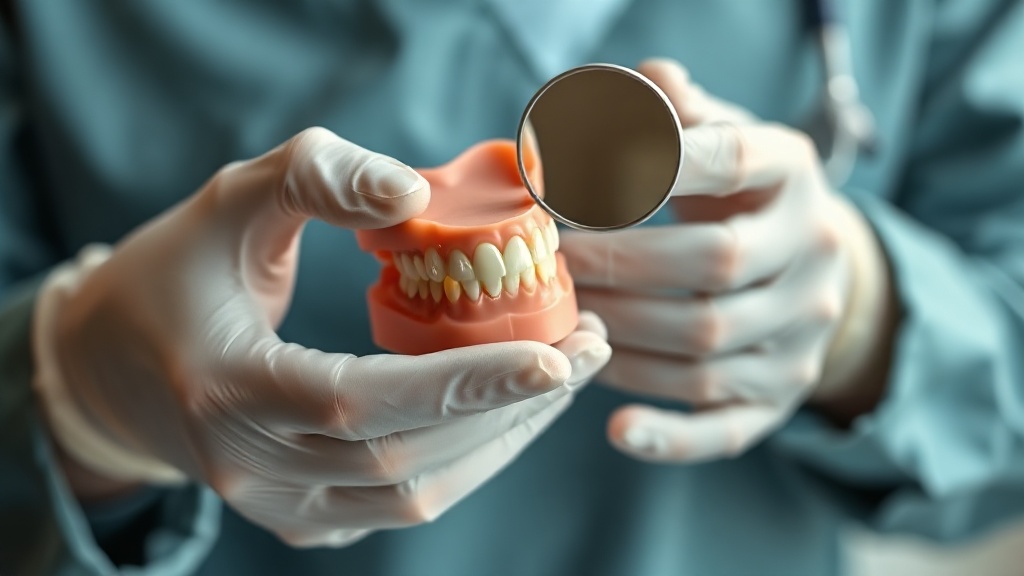
Whether and when to seal is a dentist's call, based on the depth of the grooves and your child's decay risk.
Sealants are always applied and assessed by a dentist, so the first step is a check-up with a paediatric or family dentist who can look at your child's molars and decay risk. Ask specifically about sealing the first permanent molars once they appear around age six. Book sooner if you can already see white, brown or chalky spots or a hole in a back tooth, since a groove that is already decaying needs assessment rather than a sealant. A dentist can also talk you through material options if BPA is a concern for you.
Frequently asked questions
Sources
- 1.
- 2.
- 3.
- 4.
- 5.

Fix your breath at the source.
The complete science-backed protocol — engineered to eliminate volatile sulfur compounds at the biological source.
Start the Breath Protocol →Related reading
Educational purposes only. The content on this page is not medical advice and is not a substitute for consultation with a qualified dental or medical professional.
More from the library
 Answers8 min
How Long Do Dental Sealants Last on Kids' Teeth?
An honest look at how durable kids' dental sealants really are - and why a little upkeep is part of the deal.
Read →→ Guides8 min
Fluoride Varnish for Kids: What Parents Should Know
A calm, honest look at the sticky coating your dentist paints on your child's teeth - what it does, how safe it really is, and why the temporary yellow tint is nothing to worry about.
Read →→ Guides8 min
Silver Diamine Fluoride for Kids: How It Stops Cavities, the Black Stain, and What to Expect
A dentist-applied liquid that can halt early tooth decay without a drill - and the honest trade-off it comes with: a permanent black stain on the treated spot.
Read →→ Guides9 min
Early Childhood Caries: Gentle Prevention for Little Smiles
What early childhood caries is, why it happens, and the calm daily habits - diet, bottle routines, brushing, dental visits - that lower a young child's risk.
Read →→ Best Of8 min
Best Teething Gel for Babies: Safer Soothing Options Compared
Why the honest best is non-medicated relief - and why the FDA warns against benzocaine and lidocaine teething gels for babies and toddlers.
Read →→ Best Of8 min
Best Toothbrush for Kids by Age (2026 Buying Guide)
A calm, honest guide to choosing a child toothbrush by age — soft bristles, small head, and the habits that matter more than any brand.
Read →→