
How Long Do Dental Sealants Last on Kids' Teeth?
An honest look at how durable kids' dental sealants really are - and why a little upkeep is part of the deal.
- Dental sealants are not permanent. Most resin sealants stay largely intact for a few years, and with regular dental check-ups the same tooth can stay protected for many years - but sealants gradually wear, and one can chip or come off.
- In a 2-year clinical trial, about 86% of resin sealants were still completely intact or had only minimal loss, and no trial that looked for harm has linked a properly placed sealant to any.
- Retention slowly drops with time: a large 3-year school program recorded an overall retention rate near 32%, which is exactly why dentists re-check and top up sealants at routine visits.
- The point of a sealant is protective, not cosmetic - sealed chewing surfaces develop far less decay than unsealed ones, with roughly an 80 to 90% lower chance of a cavity on that surface at 2 years.
- A sealant only helps while it is actually there, so the honest plan is upkeep: your child's dentist inspects the sealants and re-applies any that have worn away.
Dental sealants are not permanent, but they are durable. Most resin sealants stay largely intact for several years and, with routine dental checks and the occasional touch-up, can keep protecting a tooth's chewing surface for close to a decade. Retention slowly declines over time, so periodic inspection and reapplication are part of the plan.
What a sealant is - and why it wears down
The chewing surfaces of back teeth are not smooth. They are folded into narrow pits and grooves called fissures, some so deep and thin that a single toothbrush bristle cannot reach the bottom. A dental sealant is a thin, tooth-coloured resin that a dentist flows into those grooves and hardens with a light, so the surface becomes smooth and easy to keep clean. It bonds to the enamel after the tooth is cleaned, dried, and lightly etched. That last part is the whole story of how long it lasts: the bond is only as good as how dry and clean the tooth was when the sealant went on. Day after day, heavy chewing, grinding, and very sticky or hard foods flex and abrade the resin, and tiny gaps can open at the edges. So a sealant does not usually fail all at once - it thins, chips at a corner, or slowly wears until part of it is gone. Second molars often hold their sealants a little better than first molars, and an experienced, careful placement lasts noticeably longer than a rushed one.
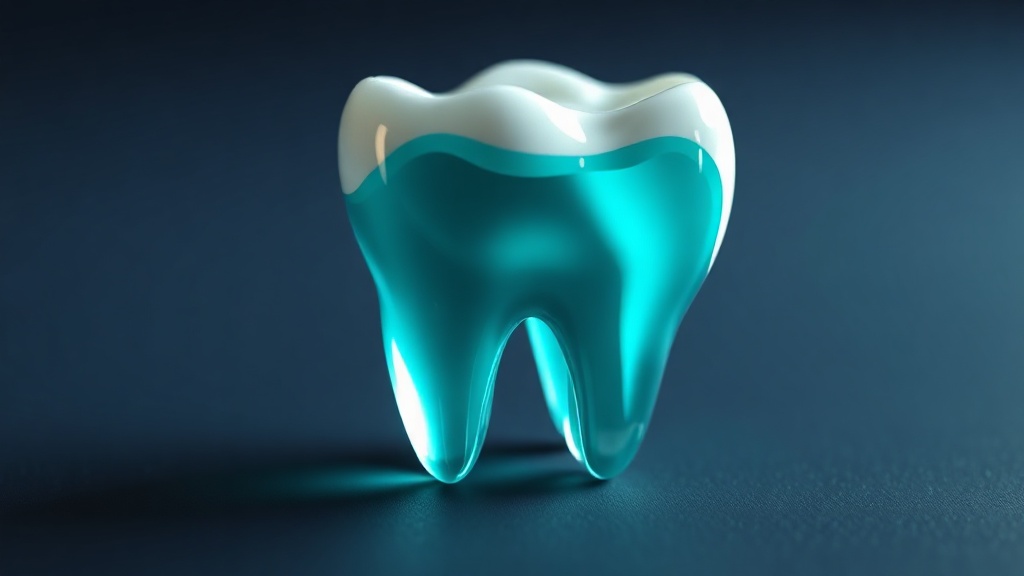
A sealant flows into the deep grooves of a chewing surface and hardens flush - smoothing out the pockets a toothbrush cannot reach.
What the research actually shows
Every claim below maps to a named, peer-reviewed source in the Sources section. According to PubMed.
| Claim | Evidence | Source |
|---|---|---|
| At 2 years, about 86% of resin sealants were still completely intact or showed only minimal loss, and no adverse events were recorded during placement or follow-up. | 2-year, two-centre randomized controlled trial in adolescents. | Schill et al., 2022 |
| Sealed first permanent molars had 67% lower risk of new decay over 3 years (adjusted HR 0.33); the program's overall sealant retention was 32.3% at 3 years. | 3-year pragmatic randomized school-sealant trial (276 children). | Muller-Bolla et al., 2016 |
| Chewing-surface decay was far lower with a resin sealant than without one - odds ratio 0.12 at 24 months - and no adverse events were reported in any trial that assessed them. | Cochrane systematic review of pit-and-fissure sealant trials. | Ahovuo-Saloranta et al., 2017 |
| The protective effect lasts: sealed surfaces had an odds ratio of 0.15 for occlusal decay versus unsealed at 7 years or longer. | ADA/AAPD systematic review and clinical guideline. | Wright et al., 2016 |
| Even as retention falls over many years, protection can persist: 65% of glass-ionomer-sealed surfaces stayed decay-free at 13 years, though resin sealants retain better than glass-ionomer over a decade. | 13-year clinical follow-up of glass-ionomer sealants (1,736 molars). | Markovic et al., 2018 |
What affects how long a sealant lasts
| Factor | Effect on lifespan | In your control? |
|---|---|---|
| Material used | Resin-based sealants generally retain longer; glass-ionomer is sometimes chosen when a tooth is hard to keep dry | Dentist decides, per tooth |
| A dry, clean surface at placement | Saliva reaching the tooth during placement is the top reason a sealant fails early | Handled by the dental team |
| Which tooth it is on | Second molars often hold sealants better than first molars | No - it is anatomy |
| Chewing habits and diet | Grinding, ice-chewing, and very sticky foods can chip or wear a sealant | Partly - habits help |
| Keeping routine check-ups | Worn or missing sealants get spotted and topped up before decay starts | Yes - keep every visit |
Do sealants need replacing?
Yes - and that is normal, not a failure. Because a sealant only protects while it is physically covering the grooves, the professional standard is to monitor sealants and re-apply them as needed rather than place them once and forget. At a routine visit the dentist checks each sealed surface, and if part has worn or chipped away they simply add more resin or replace the sealant. Reapplication is quick and painless: there is no drilling and no numbing, because the dentist is bonding to the outer enamel, not removing tooth. This upkeep is what turns a few years of coverage into a decade of protection. It is also why sealants are considered good value - a small maintenance touch-up costs far less than the fillings a repeatedly-open groove might eventually need. The takeaway is not that sealants are fragile; it is that they are a maintained tool. Left completely unchecked, a lost sealant leaves a groove exposed again; checked twice a year, that same tooth stays covered for as long as it needs to be.
Evidence you can act on.
Occasional emails — new research, new protocols, no noise.
How to help your child's sealants last
You cannot make a sealant permanent, but a few habits keep it working and get worn spots caught early. None of this treats a disease - it simply keeps a protective coating in good shape.
- 1
Keep every routine dental visit
about twice a yearThis is the single most important step. At each check-up the dentist inspects every sealed surface and re-applies any that have thinned, chipped, or come off - long before a groove is exposed enough to matter.
- 2
Brush the chewing surfaces well
twice dailyA sealant makes the grooves easier to clean, but it does not clean them. Use an age-appropriate amount of fluoride toothpaste and help younger children angle the brush across the biting surface of the back teeth.
- 3
Go easy on sticky and hard foods
everydayChewy taffy, hard candy, and ice put the most stress on a sealant's edges. They will not destroy a sealant overnight, but cutting back reduces the chipping that shortens its life.
- 4
Ask about the second molars
around age 12A child's second permanent molars usually come in near age 12, at the back of the mouth. Ask the dentist whether those new chewing surfaces should be sealed too, since they benefit as much as the first molars did.
- 5
Do not panic if one comes off
as it happensA sealant working loose is expected, not an emergency. Just mention it at the next visit - or book a quick check if it has been a while - so it can be topped up.
Sealants are a maintained tool: a quick look at each routine visit is what lets one keep protecting a tooth for years.
Book a visit with your pediatric or family dentist if you spot a rough or missing edge on a sealant, a dark line or spot on a chewing surface, or if it has been more than 6 to 12 months since the sealants were last checked. Only a dentist can tell a worn sealant apart from early decay starting underneath, and only a dentist can place or re-apply one. This article is educational and is not a substitute for an in-person exam.
Frequently asked questions
Sources
- 1.
- 2.
- 3.
- 4.
- 5.
- 6.

Fix your breath at the source.
The complete science-backed protocol — engineered to eliminate volatile sulfur compounds at the biological source.
Start the Breath Protocol →Related reading
Educational purposes only. The content on this page is not medical advice and is not a substitute for consultation with a qualified dental or medical professional.
More from the library
 Guides8 min
Dental Sealants for Kids: Pros, Cons, and Cost
An honest guide to dental sealants for children — how they work, the pros and cons, typical cost, the BPA question, and when a dentist may suggest them.
Read →→ Guides8 min
Fluoride Varnish for Kids: What Parents Should Know
A calm, honest look at the sticky coating your dentist paints on your child's teeth - what it does, how safe it really is, and why the temporary yellow tint is nothing to worry about.
Read →→ Guides8 min
Silver Diamine Fluoride for Kids: How It Stops Cavities, the Black Stain, and What to Expect
A dentist-applied liquid that can halt early tooth decay without a drill - and the honest trade-off it comes with: a permanent black stain on the treated spot.
Read →→ Guides9 min
Early Childhood Caries: Gentle Prevention for Little Smiles
What early childhood caries is, why it happens, and the calm daily habits - diet, bottle routines, brushing, dental visits - that lower a young child's risk.
Read →→ Best Of8 min
Best Teething Gel for Babies: Safer Soothing Options Compared
Why the honest best is non-medicated relief - and why the FDA warns against benzocaine and lidocaine teething gels for babies and toddlers.
Read →→ Best Of8 min
Best Toothbrush for Kids by Age (2026 Buying Guide)
A calm, honest guide to choosing a child toothbrush by age — soft bristles, small head, and the habits that matter more than any brand.
Read →→