Kids Toothpaste: How to Choose the Right One by Age
A clear, honest hub for choosing a childs toothpaste — by age and amount, by ingredient, and by what the evidence actually supports.
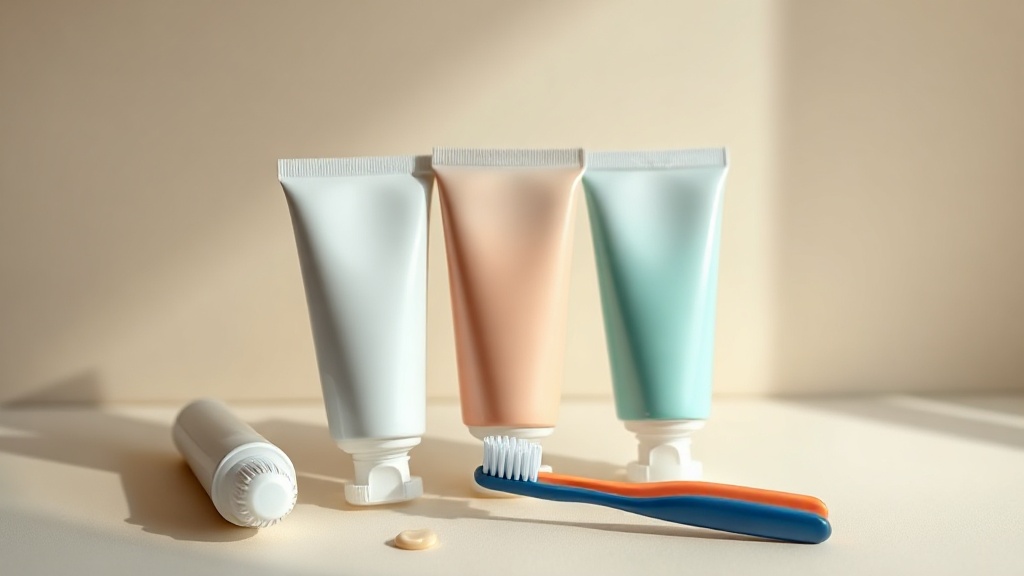
- Three things make a good kids toothpaste: a proven active ingredient (fluoride, or a fluoride-free alternative chosen with open eyes), the right amount for your child age, and a flavour they will actually accept.
- Fluoride is the most proven ingredient for keeping little teeth strong. Use a rice-grain smear under age 3 and a pea-sized amount from 3 to 6 — the amount, not a weaker formula, is what keeps it safe.
- Nano-hydroxyapatite is a reasonable fluoride-free alternative: non-inferior to fluoride in short studies and safe to swallow, but not proven superior.
- Xylitol, special flavours, and dye-free or SLS-free formulas are mostly nice-to-haves, not decision-makers. Skip anything with a strong choking or swallowing risk.
- If your child is at higher risk of decay, talk to a dentist — professional options like fluoride varnish add protection that toothpaste alone cannot.
Choose a kids toothpaste by three things: a proven ingredient, the right amount, and an acceptable flavour. Fluoride is the most evidence-backed choice — a rice-grain smear under 3, a pea-sized amount from 3 to 6. Nano-hydroxyapatite is a fair fluoride-free alternative. Match the amount to the age and see a dentist for higher-risk children.
How to choose: the three things that matter
Walk down the toothpaste aisle and the choices feel endless — characters on the tube, bubble-gum flavours, natural and fluoride-free lines, remineralising claims. Strip it back and only three things really decide whether a kids toothpaste is a good one. First is the active ingredient: something with real evidence behind it for keeping enamel strong, which in practice means fluoride or, if you prefer to avoid it, nano-hydroxyapatite. Everything else on the label is secondary. Second is the amount you use, which is set by your child age, not by the tube: a rice-grain smear under three, a pea-sized amount from three to six. This matters more than most parents realise, because safety comes from the small quantity, not from a watered-down formula. Third is whether your child will accept it. The best toothpaste is the one that actually gets used twice a day, so a milder flavour, a texture they tolerate, and a low-foam formula can be the difference between a calm brush and a nightly battle. Get those three right and the marketing on the front of the tube barely matters.
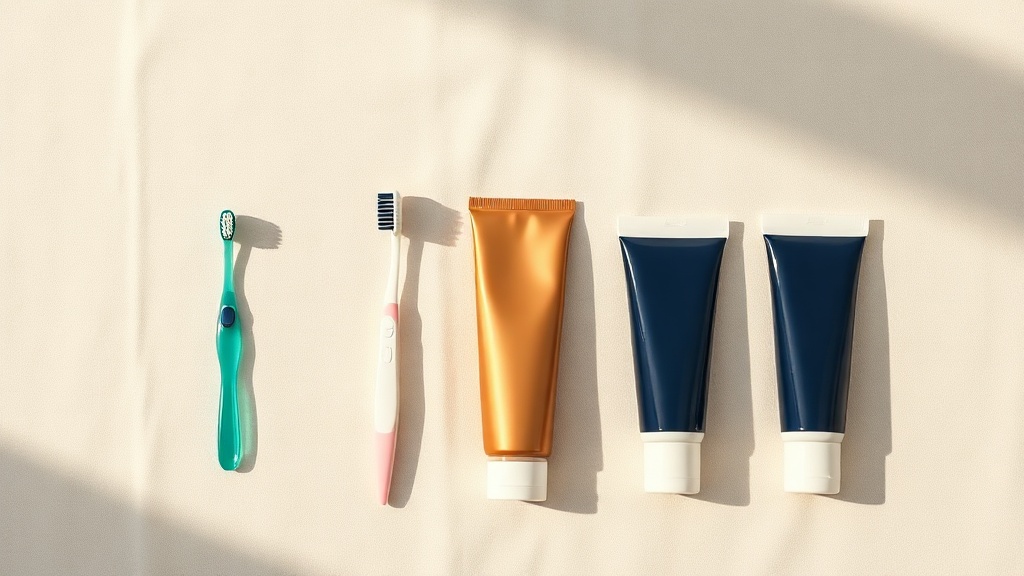
Match the brush and the amount of paste to your child age — the tube design matters far less than the ingredient and the dose.
What the research actually shows
Every claim below maps to a named, peer-reviewed source in the Sources section. According to PubMed.
| Claim | Evidence | Source |
|---|---|---|
| Fluoride toothpaste reduces the amount of new decay compared with non-fluoride toothpaste. | Systematic review of 70 trials in 42,300 children; about a 24% reduction in caries increment. | Marinho et al., 2003 (Cochrane) |
| Nano-hydroxyapatite performs about as well as fluoride toothpaste in short studies — an alternative, not a proven superior. | Independent meta-analysis found no significant difference between hydroxyapatite and fluoride (RR 0.98). | Chatzidimitriou et al., 2025 |
| Nano-hydroxyapatite is safe to swallow, which matters for young children who cannot spit reliably. | Nanotoxicology review; calcium phosphate nanoparticles dissolve rapidly in stomach acid, with very low uptake risk. | Epple, 2018 |
| Xylitol toothpaste has weak, mixed evidence in children — reasonable as an extra, not a substitute for fluoride. | Cochrane review judged the pediatric evidence insufficient and low quality. | Riley et al., 2015 (Cochrane) |
| Fluoride remains central to protecting childrens teeth, with alternatives promising but backed by limited data. | 2025 narrative review synthesising trials, systematic reviews, and guidelines. | Yeh et al., 2025 |
Kids toothpaste ingredients, honestly
| Ingredient or claim | What it does | Honest verdict |
|---|---|---|
| Fluoride | Strengthens enamel and lowers the risk of decay | The most proven ingredient; safe at a rice-grain smear (under 3) or pea size (3 to 6) |
| Nano-hydroxyapatite | A fluoride-free mineral that can rebuild the enamel surface | A fair alternative — non-inferior in short studies and safe to swallow, but not proven superior |
| Xylitol | A sugar substitute said to reduce cavity bacteria | Weak, mixed evidence in children; fine as an extra, not a fluoride replacement |
| SLS (foaming agent) | Makes toothpaste foam up | Not toxic; SLS-free can help children prone to mouth ulcers |
| Bright dyes and strong flavours | Colour and taste | Cosmetic only; choose milder options if your child is sensitive, but not a safety must |
Fluoride versus fluoride-free, honestly
This is the question most parents are really asking, and it deserves a straight answer rather than a sales pitch. Fluoride is the gold standard: decades of trials show it strengthens enamel and lowers decay, and no alternative yet matches that depth of evidence. The trade-off is fluorosis — usually faint white flecks on the adult teeth — which is why the amount is kept to a smear or a pea and why the tube is stored out of reach. Fluoride-free is a legitimate choice too, and plenty of thoughtful parents make it, usually to avoid fluorosis entirely or out of a preference for simpler ingredients. If that is you, nano-hydroxyapatite is the alternative with the most support: independent research finds it works about as well as fluoride over the short studies done so far, and it is safe to swallow. What it is not, on current evidence, is clearly better than fluoride, and some of the enthusiastic studies were funded by companies that sell it — so it is fair to call it a solid alternative, not an upgrade. Choosing fluoride-free is not the same as being anti-science, and the research is clear that fluoride-hesitant parents should be met with respect and honest risk information, not lectures. The one thing worth knowing: parents of children who already have decay tend to be more open to fluoride, so if your child is high-risk, that is a conversation worth having with your dentist rather than settling by ideology. Whichever you choose, the fundamentals — the right amount, twice-daily brushing, and keeping sugary snacks occasional — do most of the work.
Evidence you can act on.
Occasional emails — new research, new protocols, no noise.
Choosing and using a kids toothpaste well
A good toothpaste is only as good as how it is used. These steps keep the choice simple and the routine effective — none of it treats a medical condition, it just gives enamel the best support.
- 1
Match the amount to the age
every brushUse a rice-grain smear under age three and a pea-sized amount from three to six, regardless of which brand or formula you pick. The amount is the safety lever.
- 2
Choose fluoride, or fluoride-free with open eyes
one-time choiceFluoride has the strongest evidence. If you prefer fluoride-free, pick a nano-hydroxyapatite paste and be especially consistent with brushing and diet, since the evidence base is thinner.
- 3
Pick a flavour your child accepts
as neededThe best paste is the one that gets used. If strong mint or bubble-gum causes a fight, try a milder or unflavoured option — flavour is cosmetic, so follow your child preference here.
- 4
Teach spit, not rinse
from age 3Once your child can spit, have them spit out the extra paste and skip rinsing with lots of water, so a thin protective film stays on the teeth a little longer.
- 5
Loop in your dentist for higher-risk children
at check-upsIf your child has had decay or is otherwise high-risk, ask about professional fluoride varnish and other in-office options. Toothpaste is the daily base, but a dentist can add protection it cannot provide alone.
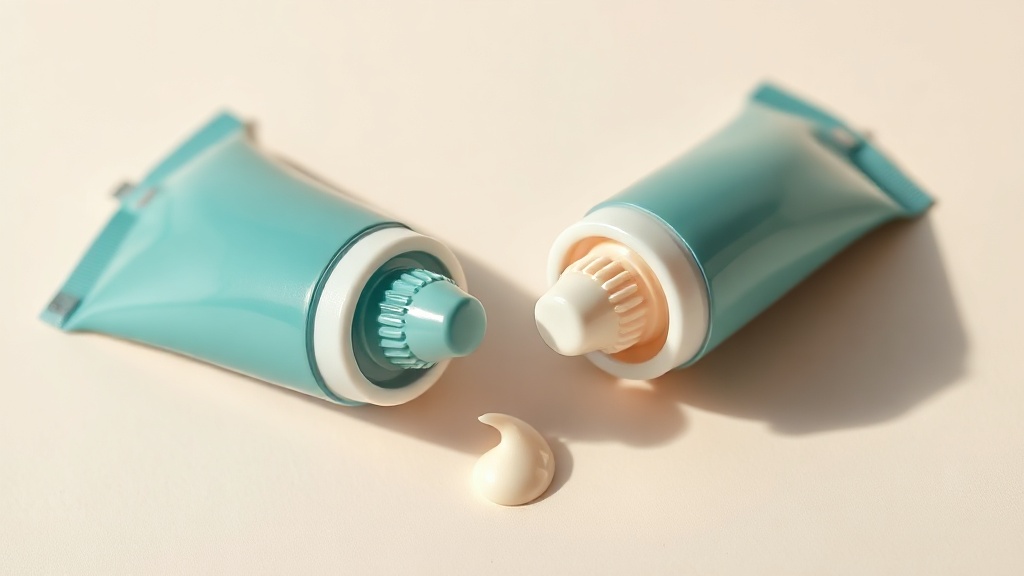
Fluoride or fluoride-free is a real choice — one has the deepest evidence, the other is a fair alternative used carefully.
A toothpaste choice is not a substitute for a check-up. See a pediatric dentist if you notice white, chalky, or brown spots along the gum line of a tooth, which can be early decay that needs assessing in person. A dentist can also confirm the right toothpaste and amount for your child, give you an honest read on fluoride versus fluoride-free for your family, and — for children at higher risk of decay — add professional protection such as fluoride varnish or, in some cases, silver diamine fluoride. If you are unsure or your child already has a cavity, that conversation is the most useful next step.
Frequently asked questions
Sources
- 1.
- 2.
- 3.
- 4.
- 5.
- 6.
- 7.
- 8.

Fix your breath at the source.
The complete science-backed protocol — engineered to eliminate volatile sulfur compounds at the biological source.
Start the Breath Protocol →Related reading
Educational purposes only. The content on this page is not medical advice and is not a substitute for consultation with a qualified dental or medical professional.
More from the library
 Best Of8 min
Best Toothpaste for Kids by Age: An Honest Guide
A calm, age-by-age guide to choosing a kids toothpaste - the right fluoride amount, why flavour matters, and the whitening and charcoal pastes worth skipping.
Read →→ Best Of8 min
Fluoride Toothpaste for Kids: How Much Is Safe (2026)
Fluoride is the best-proven way to protect a child teeth from decay - and using the right small amount for their age is what keeps it both effective and safe.
Read →→ Best Of8 min
Fluoride-Free Toothpaste for Kids: What Parents Should Weigh
Choosing fluoride-free toothpaste for a child is a values decision with a genuine dental trade-off, weighed honestly here.
Read →→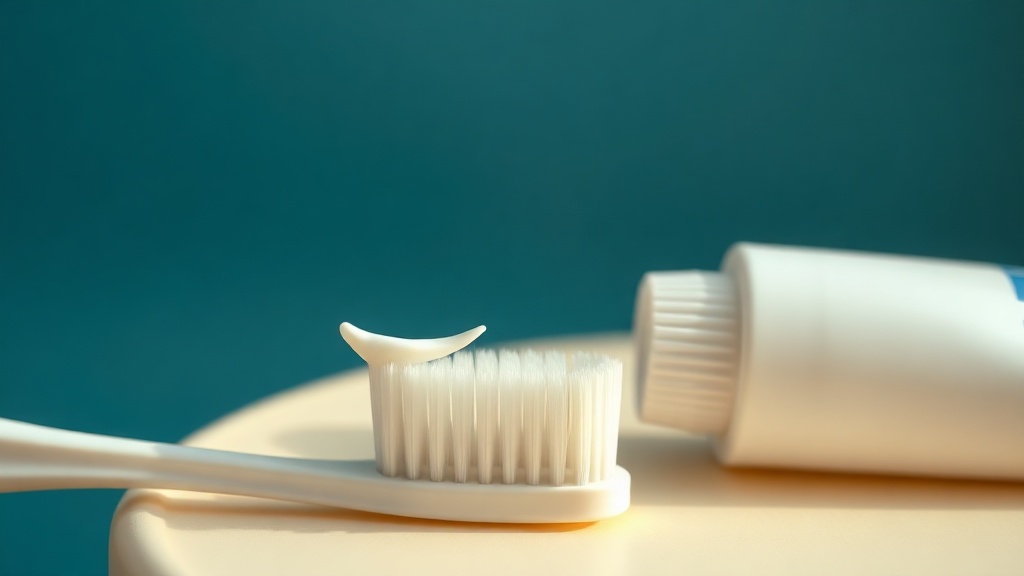 Best Of8 min
Best Baby Toothpaste: An Honest, Dentist-Informed Guide
What actually matters in a baby's first toothpaste - how much to use, why a swallowed smidge is fine, and how to weigh fluoride against fluoride-free honestly.
Read →→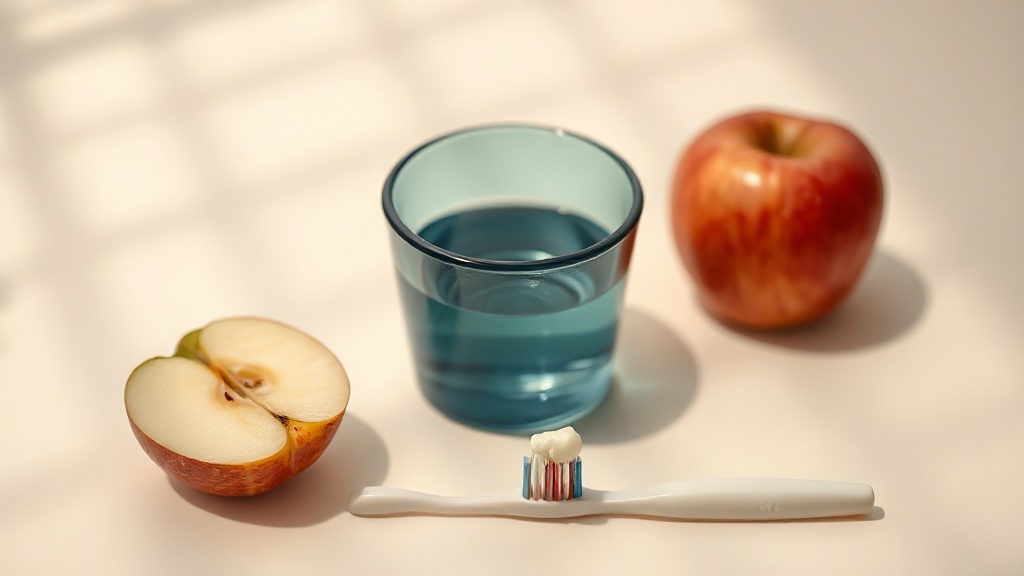 Guides9 min
Early Childhood Caries: Gentle Prevention for Little Smiles
What early childhood caries is, why it happens, and the calm daily habits - diet, bottle routines, brushing, dental visits - that lower a young child's risk.
Read →→ Best Of8 min
Best Teething Gel for Babies: Safer Soothing Options Compared
Why the honest best is non-medicated relief - and why the FDA warns against benzocaine and lidocaine teething gels for babies and toddlers.
Read →→