Best Toothpaste for Kids: An Honest, Age-by-Age Guide
A calm, age-by-age guide to choosing a kids toothpaste - the right fluoride amount, why flavour matters, and the whitening and charcoal pastes worth skipping.
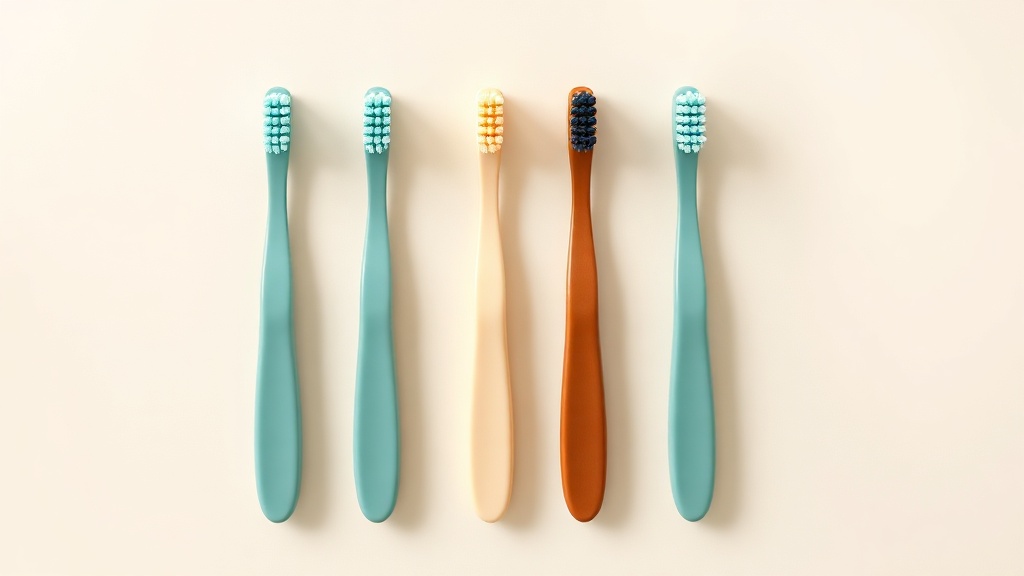
- The right kids toothpaste changes with age: a rice-grain smear of fluoride paste from the first tooth to about three, then a pea-sized amount from three to six, always with an adult supervising.
- Fluoride is the most strongly evidenced ingredient for reducing decay; a paste around 1000 ppm and above has clear evidence behind it, while very low-fluoride pastes have not shown a clear benefit.
- Flavour is not a gimmick - a flavour your child actually likes is what gets them brushing twice a day, and consistent brushing is where most of the real protection comes from.
- Skip whitening and charcoal pastes for children: they are more abrasive and offer kids no benefit, so a low-abrasion, age-appropriate paste is the safer pick.
- Fluoride-free kids pastes are an honest parental choice with less long-term evidence - if you choose one, be extra consistent with the amount, the diet and dental visits, and involve your dentist.
The best toothpaste for kids depends on their age: a rice-grain smear of fluoride paste from the first tooth to about three, then a pea-sized amount up to age six, always with an adult supervising. Choose a flavour your child likes, keep it low-abrasion, and skip whitening and charcoal pastes. Fluoride-free is a fair choice with less evidence behind it.
The right amount of fluoride, by age
There is no single best toothpaste for every child, because what a kid needs shifts with age - and the amount you put on the brush matters just as much as the tube you choose. The simplest way to hold it in your head is by dose. From the first tooth until about age three, use a smear the size of a grain of rice. From three to six, step up to a pea-sized amount. From six onwards, a pea-sized amount is still plenty. That progression is deliberate: younger children swallow more of what is on the brush, so keeping the amount small keeps the swallowed fluoride low while their adult teeth are forming. Fluoride itself earns its place through the evidence. It works by helping the enamel take minerals back up, a process called remineralization that leaves the surface harder and more resistant to the acids behind decay. Across seventy trials, fluoride toothpaste cut decay by roughly a quarter compared with non-fluoride paste - but the benefit is concentration-dependent. Pastes at or below 550 ppm fluoride have not shown a clear anti-decay effect, and a reliable benefit only appears at around 1000 ppm and above, which is where most standard children pastes sit. The honest trade-off is fluorosis: swallowing too much fluoride during the years teeth develop can leave faint white flecks in the enamel. That is why the guidance pairs an evidence-backed concentration with a carefully small, age-matched amount and adult supervision, so children get the protection without an unnecessary dose.
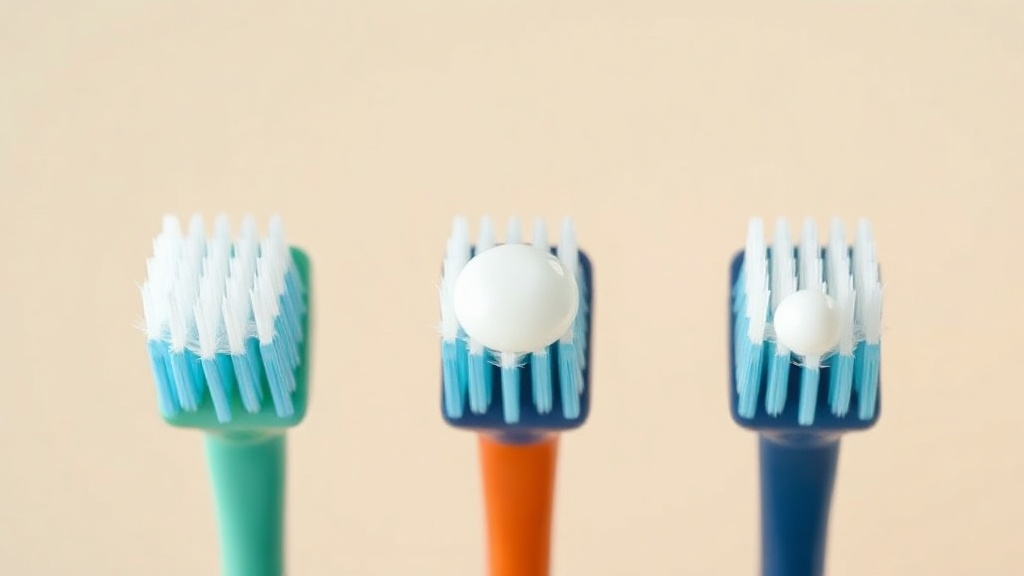
Think in doses, not brands: a rice-grain smear for the youngest, growing to a pea size as your child learns to spit.
What the research actually shows
Every claim below maps to a named, peer-reviewed source in the Sources section. According to PubMed.
| Claim | Evidence | Source |
|---|---|---|
| Fluoride toothpaste reduced decay by about 24% versus non-fluoride paste across 70 trials in children. | Cochrane review of fluoride toothpaste trials. | Marinho et al., Cochrane 2003 |
| Toothpaste at or below 550 ppm fluoride showed no significant decay benefit; a clear benefit appears at around 1000 ppm and above. | Systematic review of fluoride concentration and caries. | Walsh et al., 2010 |
| The fluoride concentration for young children should be balanced against the small risk of fluorosis. | Cochrane review of fluoride-toothpaste concentrations. | Walsh et al., Cochrane 2019 |
| Mild dental fluorosis is the main potential downside identified for using topical fluoride at an early age. | Cochrane review of topical fluoride and fluorosis. | Wong et al., Cochrane 2024 |
| An independent review found nano-hydroxyapatite non-inferior to fluoride (RR 0.98, not significant) - an alternative, not a proven upgrade. | Independent systematic review and meta-analysis. | Chatzidimitriou et al., 2025 |
Choosing by age
| Age | How much toothpaste | What to look for |
|---|---|---|
| First tooth to 3 years | A rice-grain smear | Fluoride paste around 1000 ppm, a mild flavour, and close supervision |
| 3 to 6 years | A pea-sized amount | Fluoride paste, a flavour they like, low-abrasion; supervise spitting |
| 6 years and up | A pea-sized amount | A standard fluoride paste; they can start brushing more independently |
| Any age | - | Skip whitening and charcoal pastes; choose an SLS-free paste if prone to mouth ulcers |
Flavour, abrasion, and what to skip
Once the fluoride amount is sorted, the rest of choosing a kids toothpaste comes down to two practical things and one clear no. The first is flavour, which parents often dismiss as marketing but which quietly does a lot of work. The single most important factor in whether a toothpaste protects your child is whether it actually gets used twice a day - and a child who dislikes the taste will fight every brushing. A mild, appealing flavour is not a bribe; it is the difference between a habit that sticks and a nightly struggle. The second is abrasion. Kids paste should be gentle on developing enamel, which is why low-abrasion formulas are the sensible default. That leads to the one firm no: whitening and charcoal toothpastes are not made for children. They tend to be more abrasive, they offer kids no real benefit, and childrens teeth do not need whitening. There is no reason to put that extra wear on young enamel. A couple of smaller notes round it out. If your child is prone to mouth ulcers, an SLS-free paste can help, since sodium lauryl sulphate can aggravate ulcers in those already susceptible - a local irritation issue, not a toxicity one. And if you prefer to go fluoride-free, that is a legitimate values-based choice: independent research finds nano-hydroxyapatite performs about as well as fluoride in short studies, an honest alternative rather than a proven upgrade, though with less long-term evidence. Fluoride still has the deepest track record for reducing decay, so if you choose fluoride-free, lean harder on the smear-sized amount, a low-sugar diet and regular check-ups, and let your dentist help you decide.
Evidence you can act on.
Occasional emails — new research, new protocols, no noise.
Building a brushing habit kids stick to
The best paste in the world does nothing in the drawer. This simple routine is what turns it into real protection. None of it treats a disease - it keeps the teeth clean and the enamel strong through the years that matter most.
- 1
Match the amount to the age
every brushA rice-grain smear up to about age three, then a pea-sized amount from three to six and beyond. It takes two seconds to get right and it is the easiest way to keep the fluoride dose both effective and safe as your child grows.
- 2
Let them help pick the flavour
at the shopGiving a child a say in the flavour buys you cooperation at the sink. A paste they chose and enjoy is one they will not fight, and twice-daily brushing done willingly beats a perfect paste they refuse.
- 3
Brush twice a day, and never skip bedtime
about two minutesMorning and night are the two anchors, and the bedtime brush is the one to protect fiercely. Saliva flow drops during sleep, so teeth are more exposed overnight - clean teeth going to bed makes a real difference.
- 4
Supervise, then finish the job
until age 6 to 8Young children simply do not have the hand control to brush thoroughly on their own. Let them have a go for independence, then do a quick follow-up brush yourself to reach the spots they missed, especially the back teeth.
- 5
Spit, do not rinse, and mind the snacks
after brushingTeach your child to spit out the excess rather than rinsing with a mouthful of water, which leaves a thin protective film of fluoride behind. And remember that how often sugary snacks and drinks appear matters more than any toothpaste choice.
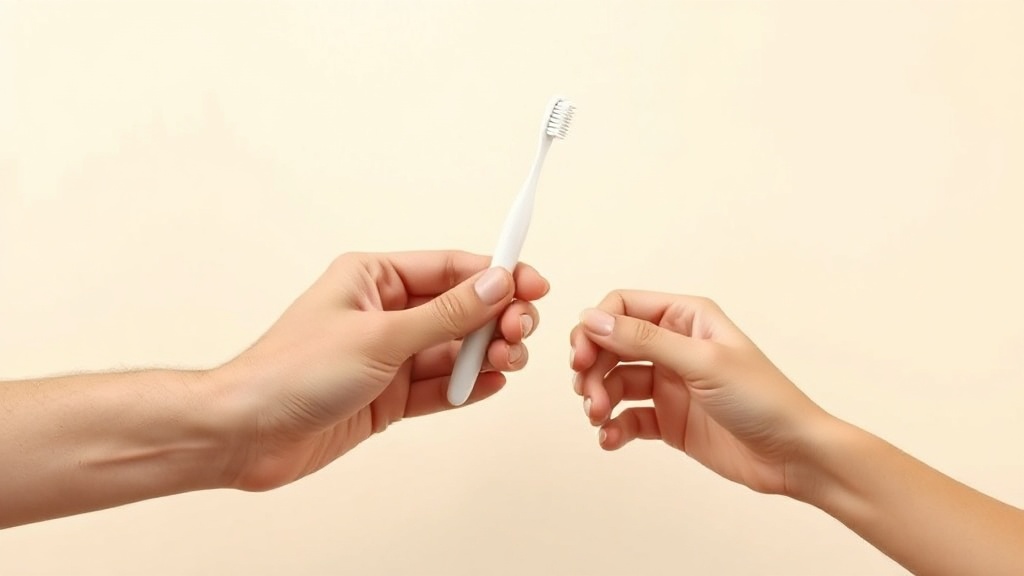
The habit outlasts the tube: brushing together builds a routine that protects your child long after the flavour is forgotten.
A toothpaste choice is no substitute for a dentist who knows your child. Book a visit - the first is recommended by around age one - if you see chalky white or brown marks on the teeth, if a tooth looks pitted or your child mentions pain, if brushing is a constant battle, or if you are simply unsure how much fluoride is right for your area and your child. A dentist can assess your child individual decay risk and tailor the amount and type of paste far better than any label, and an early, calm visit also helps head off dental fear before it takes hold.
Frequently asked questions
Sources
- 1.
- 2.
- 3.
- 4.
- 5.
- 6.
- 7.
- 8.

Fix your breath at the source.
The complete science-backed protocol — engineered to eliminate volatile sulfur compounds at the biological source.
Start the Breath Protocol →Related reading
Educational purposes only. The content on this page is not medical advice and is not a substitute for consultation with a qualified dental or medical professional.
More from the library
 Best Of8 min
Best Toothpaste for Toddlers (2026): An Honest, Dentist-Informed Guide
How to pick a safe toddler toothpaste - why fluoride is the evidence-backed choice, how little you actually need, and how to think about fluoride-free honestly.
Read →→ Best Of8 min
Fluoride Toothpaste for Kids: How Much Is Safe (2026)
Fluoride is the best-proven way to protect a child teeth from decay - and using the right small amount for their age is what keeps it both effective and safe.
Read →→ Best Of8 min
Kids Whitening Toothpaste: What's Safe and What to Choose
Why kids usually do not need whitening toothpaste - and how to choose a safe, gentle one instead.
Read →→ Best Of8 min
Fluoride-Free Toothpaste for Kids: What Parents Should Weigh
Choosing fluoride-free toothpaste for a child is a values decision with a genuine dental trade-off, weighed honestly here.
Read →→ Guides9 min
Early Childhood Caries: Gentle Prevention for Little Smiles
What early childhood caries is, why it happens, and the calm daily habits - diet, bottle routines, brushing, dental visits - that lower a young child's risk.
Read →→ Best Of8 min
Best Teething Gel for Babies: Safer Soothing Options Compared
Why the honest best is non-medicated relief - and why the FDA warns against benzocaine and lidocaine teething gels for babies and toddlers.
Read →→