Best Baby Toothpaste: How to Choose and Use It Safely
What actually matters in a baby's first toothpaste - how much to use, why a swallowed smidge is fine, and how to weigh fluoride against fluoride-free honestly.
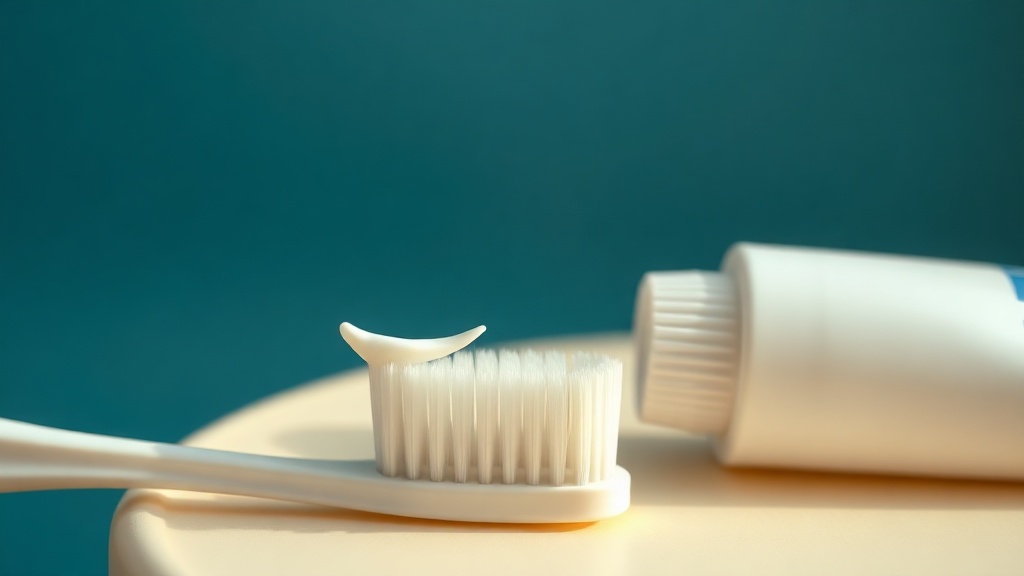
- From the first tooth until about age three, most dentists advise a smear the size of a grain of rice of fluoride toothpaste, twice a day, with an adult supervising.
- At that rice-grain amount the total fluoride is tiny, so if your baby swallows the little bit on the brush it is considered safe - the caution is about using too much or eating from the tube, not the smear itself.
- Fluoride is the most strongly evidenced ingredient for reducing decay; toothpaste below about 1000 ppm fluoride has not shown a clear anti-decay benefit in trials.
- Fluoride-free pastes, often nano-hydroxyapatite, are a legitimate parental choice framed honestly: independent research finds them non-inferior to fluoride, an alternative rather than a proven upgrade, with less long-term evidence.
- The best baby toothpaste is the one you will actually use twice a day - flavour, texture and your family's comfort all matter, and your dentist can help you match it to your child's decay risk.
For a baby's first tooth up to around age three, most dentists recommend a rice-grain smear of fluoride toothpaste twice a day, with an adult supervising. That tiny amount is safe even if swallowed. Fluoride-free pastes are a legitimate choice made honestly, but they carry less decay evidence. Pick one your child tolerates and use it consistently.
Why the amount matters more than the brand
When parents ask for the best baby toothpaste, they usually expect a brand name. The more useful answer is that two things matter far more than the label: how much you use, and whether it contains fluoride. Start with the amount. From the first tooth until roughly age three, the guidance almost every dental body agrees on is a smear the size of a grain of rice - not a strip along the brush like the adverts show. That small amount is deliberate. It is enough fluoride to strengthen the enamel, but little enough that even if your baby swallows what is on the brush, the total dose stays safely low. Now the ingredient. Fluoride works by helping the surface of the tooth take up minerals again, a process called remineralization, which leaves the enamel harder and more able to resist the acids that cause decay. The evidence here is unusually strong and unusually specific: across seventy trials, fluoride toothpaste reduced decay by about a quarter compared with non-fluoride paste, but that benefit depends on concentration. Toothpastes at or below 550 ppm fluoride have not shown a clear anti-decay effect in trials, and a reliable benefit only appears at around 1000 ppm and above. This is why a standard children's fluoride paste used as a rice-grain smear is the choice most dentists land on: it puts an evidence-backed concentration on the teeth while keeping the swallowed amount tiny. The trade-off worth naming is fluorosis - faint white flecks that can form if a child swallows too much fluoride over the years teeth are developing - which is exactly why the smear size, and adult supervision, matter as much as the tube you buy.
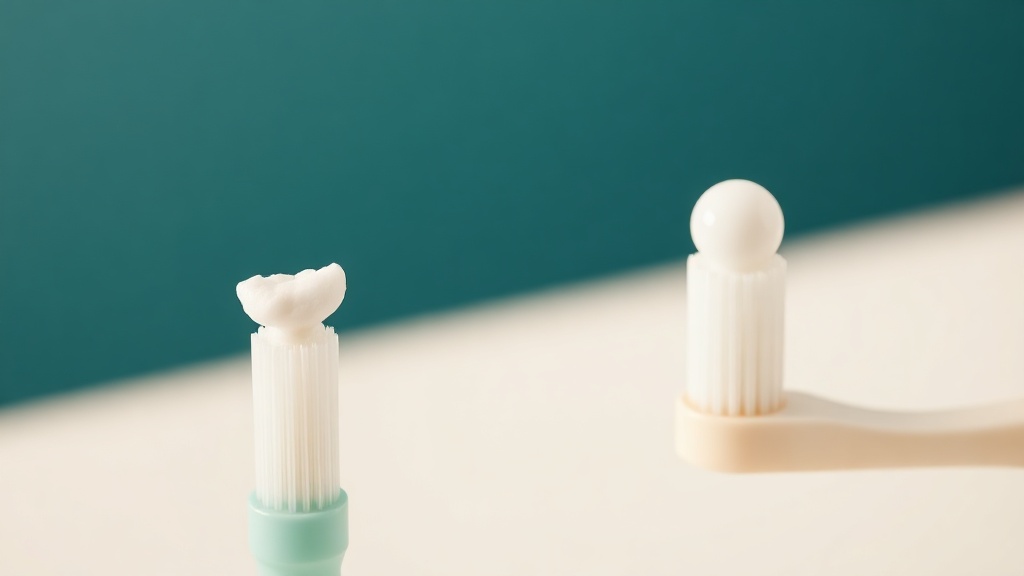
The dose, not the brand, is the headline: a rice-grain smear for babies and toddlers, moving to a pea size around age three.
What the research actually shows
Every claim below maps to a named, peer-reviewed source in the Sources section. According to PubMed.
| Claim | Evidence | Source |
|---|---|---|
| Fluoride toothpaste reduced decay by about 24% versus non-fluoride paste across 70 trials in children. | Cochrane review of fluoride toothpaste trials. | Marinho et al., Cochrane 2003 |
| Toothpaste at or below 550 ppm fluoride showed no significant decay benefit; a clear benefit appears at around 1000 ppm and above. | Systematic review of fluoride concentration and caries. | Walsh et al., 2010 |
| The fluoride concentration for young children should be balanced against the small risk of fluorosis. | Cochrane review of fluoride-toothpaste concentrations. | Walsh et al., Cochrane 2019 |
| An independent review found nano-hydroxyapatite non-inferior to fluoride (RR 0.98, not significant) - an alternative, not a proven upgrade. | Independent systematic review and meta-analysis. | Chatzidimitriou et al., 2025 |
| Nano-hydroxyapatite and calcium phosphate dissolve rapidly in the stomach; the risk from swallowing a small amount is judged very low. | Nanotoxicology review of oral uptake. | Epple, 2018 |
Types of baby toothpaste, honestly
| Type | Best thought of as | The honest caveat |
|---|---|---|
| Standard fluoride paste (about 1000 ppm) | The most evidenced choice for reducing decay | Use only a rice-grain smear and supervise so most is spat out or wiped |
| Nano-hydroxyapatite, fluoride-free | A reasonable alternative for fluoride-avoiding families | Non-inferior in short studies, but with less long-term evidence |
| Flavoured fluoride-free training paste | A way to get a reluctant baby used to brushing | Little to no decay protection - the brushing habit is the real value |
| Charcoal or whitening paste | Not made for babies | Abrasive and unnecessary for little teeth - one to skip entirely |
The fluoride-free question, answered honestly
Plenty of thoughtful parents want to avoid fluoride, and they deserve a straight answer rather than either a scare or a sales pitch. The most common fluoride-free ingredient is nano-hydroxyapatite, a lab-made version of the mineral that teeth are largely built from. The honest state of the evidence is this: an independent review that was not funded by a toothpaste maker found nano-hydroxyapatite performed about as well as fluoride, with no significant difference between them. That makes it a credible alternative - but the same review is careful to call it an alternative, not a proven upgrade, because the studies are short, small, and lean on surrogate measures rather than years of cavity counts. Some of the more glowing hydroxyapatite research was co-authored by people employed by a company that sells it, which is worth knowing when you read a bold claim. On safety, the reassurance is genuine: nano-hydroxyapatite dissolves quickly in stomach acid, so the risk from a baby swallowing a smear is judged very low. So where does that leave a family? If you choose fluoride-free, you are making a values-based decision, not correcting a danger - fluoride at a rice-grain smear is safe, and it remains the most strongly evidenced option for reducing decay. And if you do go fluoride-free, the other levers matter even more: the rice-grain smear twice a day, keeping sugary drinks and snacks to mealtimes, and regular dental check-ups so any early spot is caught quickly. Whichever way you lean, the single most valuable thing you can do is talk it through with your child's dentist, who can weigh your preferences against your child's actual risk.
Evidence you can act on.
Occasional emails — new research, new protocols, no noise.
How to brush a baby's first teeth
Brushing a baby is less about technique and more about consistency and the right amount of paste. Here is a simple routine most dentists would recognise. None of this treats a disease - it keeps the new teeth clean and the enamel strong.
- 1
Start at the very first tooth
from around 6 monthsAs soon as the first tooth breaks through, begin cleaning it. A soft-bristled baby brush is ideal, though a clean damp cloth or finger brush works for the earliest teeth. Getting started early makes brushing a normal part of the day rather than a battle later.
- 2
Use a rice-grain smear
twice a daySqueeze only a smear the size of a grain of rice onto the brush - you should barely see it. This is the amount that keeps the swallowed fluoride dose tiny while still strengthening the enamel. More paste is not more protection; it just increases what gets swallowed.
- 3
Brush gently along the gumline
about two minutesUse small, soft circles and angle the bristles to reach where the tooth meets the gum, since that is where debris gathers. Morning and just before bed are the two moments that matter most, because saliva flow drops overnight and leaves teeth more exposed.
- 4
Wipe or let them spit - do not rinse heavily
after brushingFor a baby who cannot spit, simply wipe away the excess with a cloth. Avoid rinsing with lots of water, because leaving a thin film of paste behind lets the low level of fluoride keep working on the enamel a little longer.
- 5
Supervise and store the tube safely
ongoingKeep toothpaste out of reach - a curious child eating from the tube is the real hazard, not the brushing smear. Supervise brushing until your child can reliably spit and no longer wants to swallow the paste, usually around age six or seven.
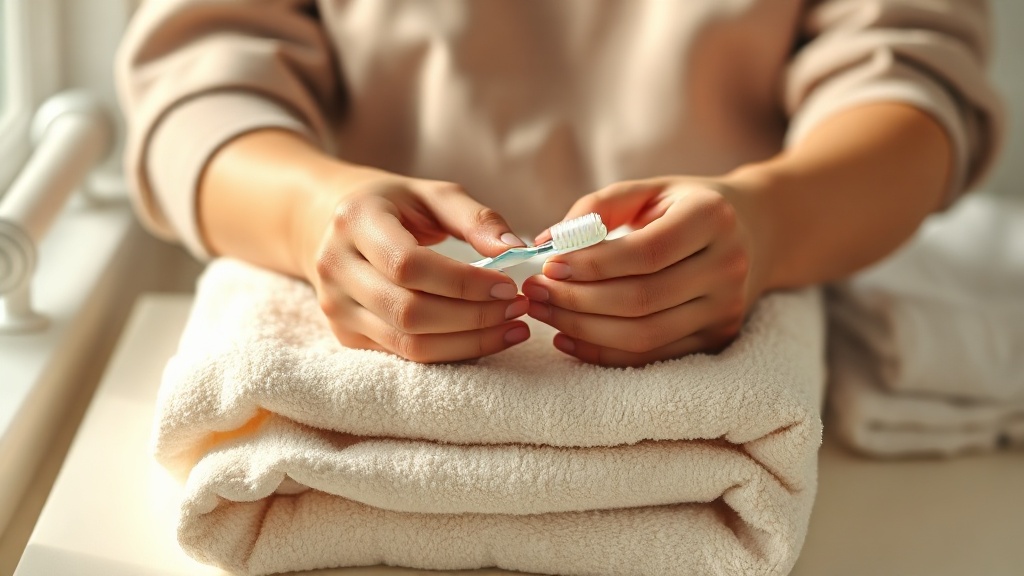
Supervision is part of the recipe: an adult controls the amount and keeps the tube out of a curious child's reach.
Choosing a toothpaste is a good moment to also book a first dental visit - recommended by around age one - because a dentist can tell you far more about your own child than any product label can. See a pediatric dentist or your family dentist if you spot chalky white or brown marks on the teeth, if a tooth looks pitted, if your baby consistently refuses to let you brush, or if you are unsure how much fluoride is right given your local water and your child's risk. A quick conversation settles most of the anxiety parents feel around fluoride, and it lets the amount and type of toothpaste be tailored to your child rather than guessed at.
Frequently asked questions
Sources
- 1.
- 2.
- 3.
- 4.
- 5.
- 6.
- 7.
- 8.

Fix your breath at the source.
The complete science-backed protocol — engineered to eliminate volatile sulfur compounds at the biological source.
Start the Breath Protocol →Related reading
Educational purposes only. The content on this page is not medical advice and is not a substitute for consultation with a qualified dental or medical professional.
More from the library
 Best Of8 min
Best Toothpaste for Toddlers (2026): An Honest, Dentist-Informed Guide
How to pick a safe toddler toothpaste - why fluoride is the evidence-backed choice, how little you actually need, and how to think about fluoride-free honestly.
Read →→ Best Of8 min
Fluoride Toothpaste for Kids: How Much Is Safe (2026)
Fluoride is the best-proven way to protect a child teeth from decay - and using the right small amount for their age is what keeps it both effective and safe.
Read →→ Best Of8 min
Fluoride-Free Toothpaste for Kids: What Parents Should Weigh
Choosing fluoride-free toothpaste for a child is a values decision with a genuine dental trade-off, weighed honestly here.
Read →→ Best Of8 min
Best Toddler Toothbrushes: Dentist-Informed Picks for Ages 1-3
How to choose a toddler toothbrush that is soft, small and safe - and why the parent, not the brush, does the real cleaning until about age six.
Read →→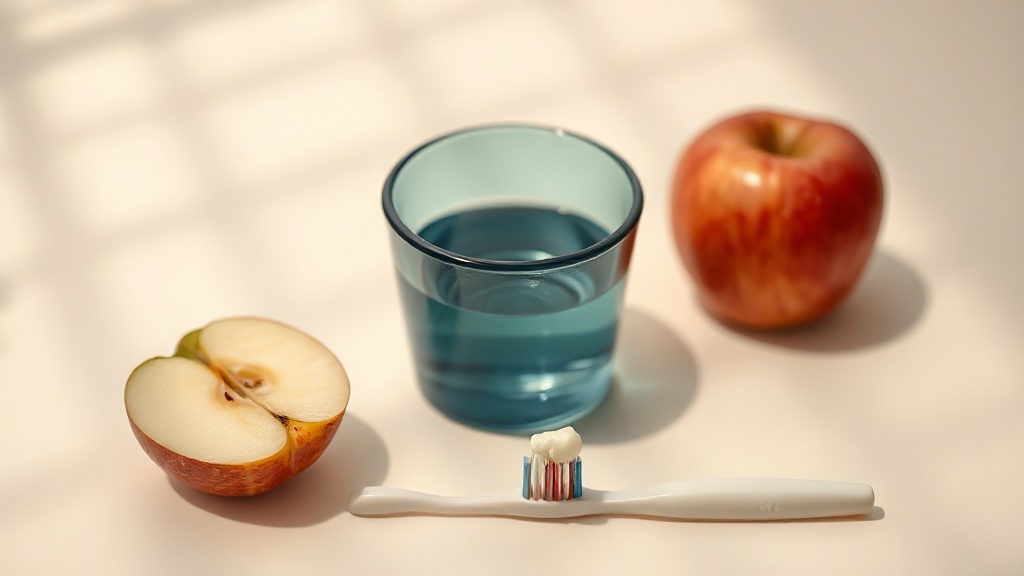 Guides9 min
Early Childhood Caries: Gentle Prevention for Little Smiles
What early childhood caries is, why it happens, and the calm daily habits - diet, bottle routines, brushing, dental visits - that lower a young child's risk.
Read →→ Best Of8 min
Best Teething Gel for Babies: Safer Soothing Options Compared
Why the honest best is non-medicated relief - and why the FDA warns against benzocaine and lidocaine teething gels for babies and toddlers.
Read →→