How to Whiten Teeth Fast — Safely
The realistic fast-track to whiter teeth before a big day — what genuinely works in a hurry, and the shortcuts that only cost you enamel.
- Only peroxide truly bleaches teeth quickly — its effect tracks concentration multiplied by contact time, and nothing peroxide-free matches it for real, fast colour change.
- Counterintuitively, wear time matters more than gel strength: an overnight low-concentration tray produced a bigger colour change than a stronger gel worn for one hour.
- Whitening strips are the proven fast, affordable option; a visible shift can appear within days and builds over about two weeks.
- For a genuine same-day lift, a peroxide-free violet colour corrector shifts how white teeth look immediately, with sensitivity under 3% — but it is an optical trick, not bleaching.
- Skip the fast-track myths: LED lights add no whitening benefit over peroxide alone, and charcoal whitens no better than ordinary toothpaste while abrading more.
The fastest safe way to whiten is a proven peroxide product — whitening strips or an overnight low-dose tray — started as early as you can before the event, ideally one to two weeks out. Prioritise wear time over gel strength, since time drives the result. For a same-day lift, a violet colour corrector brightens how teeth look instantly. Avoid LED-only kits and charcoal; they do not speed anything up.
What actually whitens teeth fast
When people say a method whitens, they usually mean one of two very different things. True bleaching is a chemical process: peroxide diffuses through the enamel and oxidises the coloured molecules mostly sitting in the dentine underneath, and its power is governed by concentration multiplied by time. Everything peroxide-free is doing something milder — lifting surface stain, or optically shifting how light bounces off the tooth. That distinction is the whole key to whitening fast without wrecking your teeth. If you have a deadline, you want the method that genuinely bleaches, applied in the way that gets the most colour change for the least irritation. In practice that means a well-designed peroxide product used consistently over the days you have, not a last-minute blast of the strongest thing you can find. The most common mistake before an event is reaching for a harsh gel the night before and ending up with sensitive teeth and a modest result, when starting a gentler product a week earlier would have worked better and hurt less.
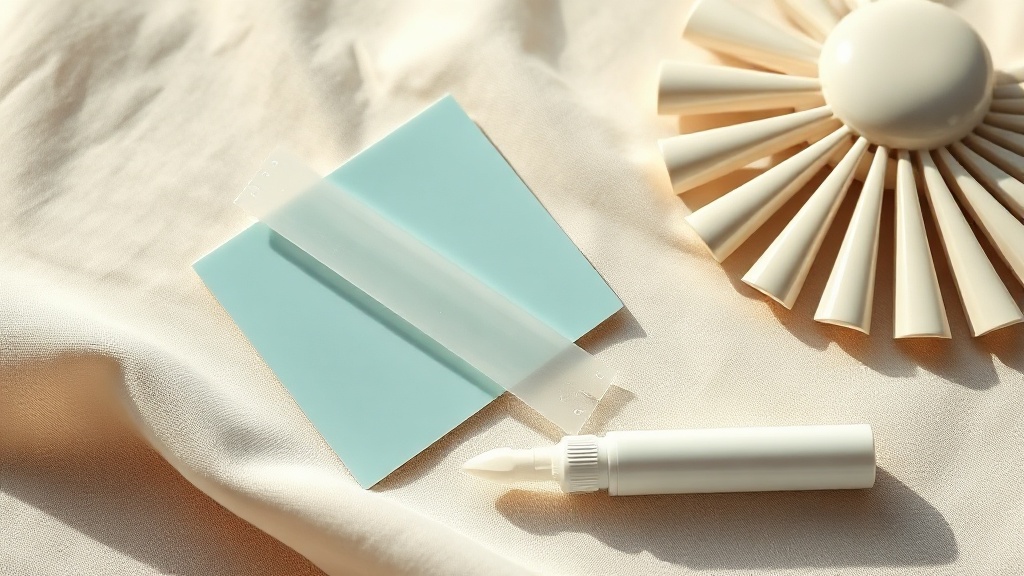
Peroxide strips and low-dose gel trays are the proven fast options; a shade guide helps you track the change.
What the research actually shows
Every claim below maps to a named, peer-reviewed source in the Sources section. According to PubMed.
| Claim | Evidence | Source |
|---|---|---|
| Only peroxide truly bleaches teeth; the effect is driven by concentration multiplied by contact time, mostly acting on colour in the dentine. | Reference review of the bleaching mechanism and measurement. | Joiner, 2006 |
| At-home whitening is time-dependent, not concentration-dependent: an overnight 10% gel gave a bigger colour change than a stronger gel worn one hour a day. | Randomised clinical trial of four at-home protocols (n=80). | Lopez Darriba et al., 2017 |
| A 5.3% hydrogen-peroxide strip changed teeth by about 3.7 shade units in two weeks, versus 0.87 for placebo. | Double-blind randomised controlled trial. | Kugel et al., 2000 |
| Peroxide-free violet colour correctors give a visible same-day shift (about 2.8 to 3.5 units) with sensitivity under 3% — but it is optical, not bleaching. | Systematic review of in-vitro and clinical evidence. | Boruga et al., 2025 |
| Charcoal is not a fast shortcut: it whitened no better than an ordinary fluoride toothpaste while a 10% gel gave the best result. | Single-blind 56-volunteer randomised trial. | Ribeiro et al., 2024 |
How fast can each method really work?
| Method | Realistic speed | Honest verdict |
|---|---|---|
| Professional in-office peroxide | A single visit | Fastest genuine bleaching; sensitivity is common |
| Whitening strips (about 5-6% HP) | Visible in days, best over ~2 weeks | Proven, affordable, usually mild sensitivity |
| Overnight low-dose tray (10% CP) | Days to two weeks | Gentle and effective — wear time does the work |
| Violet colour-corrector serum | Same-day optical shift | Brightens the look instantly, low sensitivity, not true bleaching |
| Charcoal or DIY natural remedies | No real speed | Scrubs surface stain, does not bleach, can harm enamel |
Why time beats strength when you are in a hurry
The instinct before a deadline is to go stronger. The evidence says go longer instead. In a head-to-head trial of at-home protocols, the same gel worn overnight beat a one-hour application, and a lower-concentration gel worn for long enough matched a stronger one — the researchers concluded whitening is time- but not concentration-dependent. Higher concentrations mainly buy you more sensitivity, not more whiteness. The other tempting shortcut is an activation light. Two large network meta-analyses found that adding an LED or laser to peroxide produces no extra colour change at all, so an LED-only kit with a weak gel is mostly theatre. One more thing worth knowing when you are racing a clock: enamel is transiently more prone to picking up stain in the hours right after bleaching, so the smart move is to finish your whitening a day or two before the event and keep dark drinks away from your teeth in that window, rather than whitening the morning of and then drinking coffee.
Evidence you can act on.
Occasional emails — new research, new protocols, no noise.
A safe fast-track before your event
This keeps things cosmetic and sensible: get the most real colour change in the time you have, without the sensitivity that comes from over-doing it. Start as early as you can.
- 1
Start as early as the calendar allows
ideally 1-2 weeks outWhitening rewards time, so the single best decision is to begin sooner. A week or two gives a gentle product room to work and leaves a buffer to settle any sensitivity before the day itself. A same-night miracle is the one thing peroxide cannot reliably deliver.
- 2
Choose a proven peroxide format
per product instructionsWhitening strips or a low-dose overnight tray are the reliable at-home routes; both clearly beat placebo and are affordable. Follow the directions rather than improvising a stronger regimen.
- 3
Prioritise wear time, not the strongest gel
as directedSince time drives the result and strength mostly drives sensitivity, a lower-concentration product worn for the full recommended time is the sweet spot. Do not double up or leave gel on longer than instructed to try to rush it.
- 4
Add a violet colour corrector for a same-day lift
minutes, day-ofIf you need an instant boost on the morning of the event, a peroxide-free violet corrector shifts how white teeth look immediately, with very low sensitivity. Be clear-eyed that this is an optical finish on top of your real result, not extra bleaching.
- 5
Protect the fresh result and skip the gimmicks
the final day or twoAvoid coffee, tea, red wine and other dark drinks right after whitening while enamel is briefly more stain-prone. And do not waste your remaining time on LED-only kits or abrasive charcoal — neither whitens faster, and charcoal can roughen enamel.
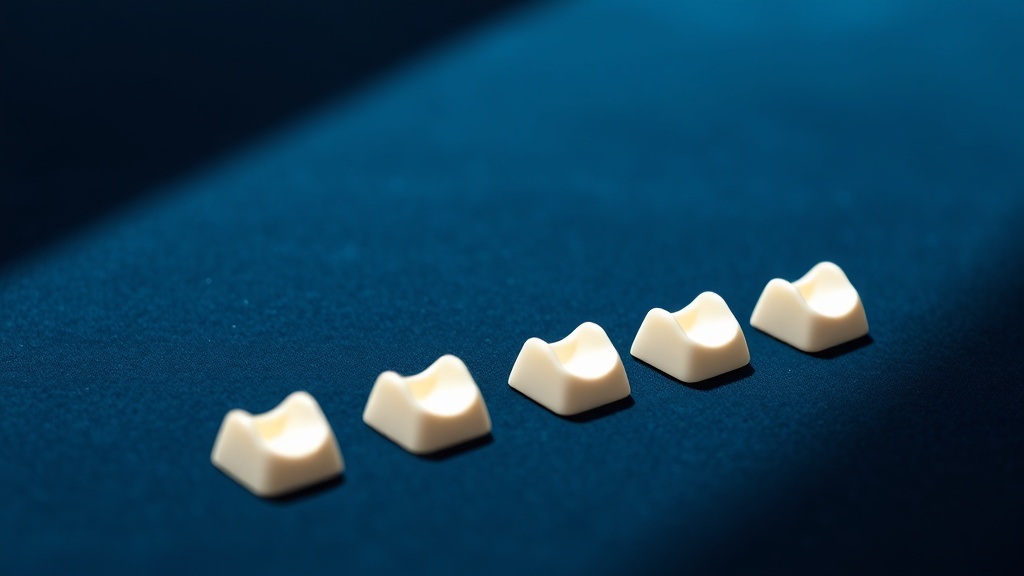
Tracking your shade against a guide as the days pass shows the change building — the result grows with time, not gel strength.
If the event is close and you want the biggest safe change quickly, a dentist can offer supervised whitening and check that your teeth and gums are suitable first. See a professional before whitening if you have crowns or veneers on your front teeth (they will not change colour), if you have untreated sensitivity, gum recession or visible decay, or if you are pregnant or breastfeeding. A quick check protects both your result and your teeth.
Frequently asked questions
Sources
- 1.
- 2.
- 3.
- 4.
- 5.
- 6.
- 7.
- 8.
- 9.
- 10.

Fix your breath at the source.
The complete science-backed protocol — engineered to eliminate volatile sulfur compounds at the biological source.
Start the Breath Protocol →Related reading
Educational purposes only. The content on this page is not medical advice and is not a substitute for consultation with a qualified dental or medical professional.
More from the library
 Guides8 min
How to Whiten Teeth at Home in One Day (Realistic, Enamel-Safe Methods)
The honest, evidence-based answer: real bleaching takes time, but you can safely lift surface stains and look a shade brighter in a single day.
Read →→ Best Of8 min
Best Teeth Whitening Gel (2025): Dentist-Tested Picks for Every Budget
Whitening gel is the only at-home format that genuinely bleaches teeth. Pick the right concentration and delivery, and contact time does the rest.
Read →→ Answers9 min
Does Teeth Whitening Hurt? Why It Happens and How to Prevent It
The sting is common but manageable — and the real levers are lower concentration and shorter wear time, not gimmicks.
Read →→ Guides8 min
How to Get Rid of Yellow Teeth: An Enamel-Safe Guide
Two kinds of yellow, two different fixes, and the enamel-safe way to brighten each one.
Read →→ Answers8 min
Does Teeth Whitening Damage Enamel? The Evidence-Based Answer
The honest, evidence-based answer to whether whitening harms enamel — what peroxide really does to the surface, why sensitivity is not damage, and the DIY methods that actually cause wear.
Read →→ Answers8 min
Does Baking Soda Whiten Teeth? What the Evidence Says
An honest look at what baking soda can and cannot do for a whiter smile.
Read →→