
Best Teeth Whitening Gel: How to Choose One That Actually Works
Whitening gel is the only at-home format that genuinely bleaches teeth. Pick the right concentration and delivery, and contact time does the rest.
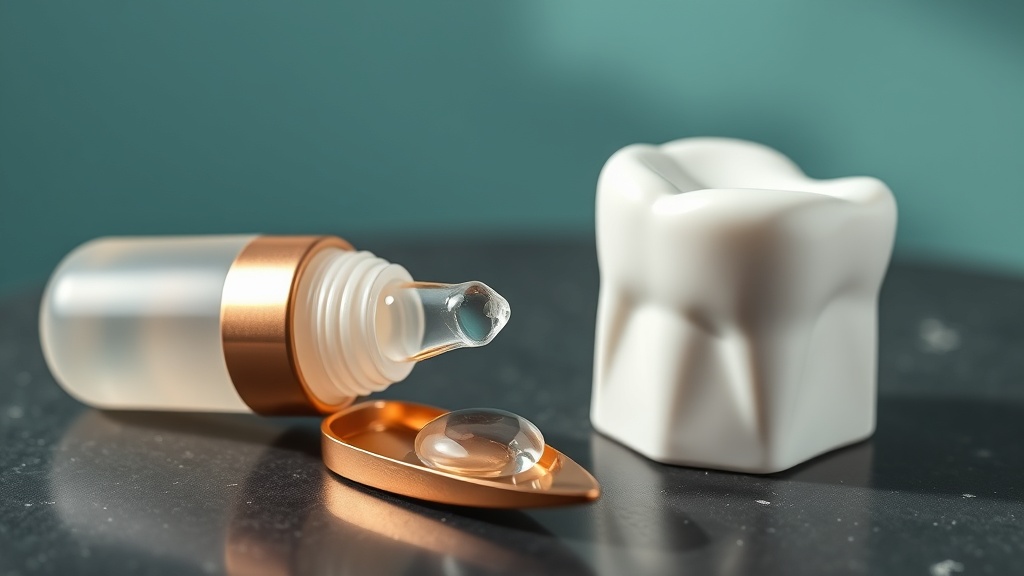
- Whitening gel is the only at-home format that truly bleaches teeth: the peroxide inside diffuses through enamel and lightens the pigment in the dentin, rather than just polishing the surface.
- The active ingredient is always hydrogen peroxide or carbamide peroxide. Everything else in a kit, from the tray to the pen to the LED light, is only a delivery method or an accessory.
- Contact time matters more than raw strength: a lower-concentration gel worn a little longer reaches almost the same shade as a harsh one, with far less sensitivity.
- A stronger gel mostly buys you sharp zingers, not a whiter smile. Studies repeatedly show higher concentrations raise sensitivity without improving the final colour.
- Whitening is cosmetic and not permanent: results are durable but fade gradually, and no gel can change the colour of crowns, veneers or fillings.
The best whitening gel for most people is a low-to-moderate peroxide gel, around 10% carbamide or 3 to 6% hydrogen peroxide, worn in a well-fitted tray. Peroxide is what actually bleaches teeth, contact time beats concentration, and you can skip the LED light entirely. Choose gentleness plus consistency over the strongest tube on the shelf.
What a whitening gel actually does
A whitening gel is the one at-home product that changes the true colour of your teeth rather than simply cleaning their surface. Every gel that genuinely works is built around a peroxide: either hydrogen peroxide, or carbamide peroxide, which splits into hydrogen peroxide and urea once it meets your teeth. Peroxide molecules are small enough to diffuse straight through the semi-translucent enamel and reach the dentin beneath, and the dentin is where most of a tooth colour, its yellow-to-brown tone, actually sits. Once there, the peroxide oxidises the large, darkly pigmented molecules, breaking them into smaller and lighter fragments. With less pigment to absorb light, the tooth reflects more of it and reads as brighter. This is real bleaching, the very same chemistry a dentist uses in the chair, just at a gentler strength spread over more days. Two levers decide how far it goes: the concentration of peroxide, and the length of time it stays in contact with the enamel. Higher concentrations act faster, but lower concentrations catch up if you give them longer. That is the single most useful thing to understand before you spend a penny, because it means the gel itself, not the tray it sits in or the light some kits bundle alongside it, is where all of the actual whitening happens.
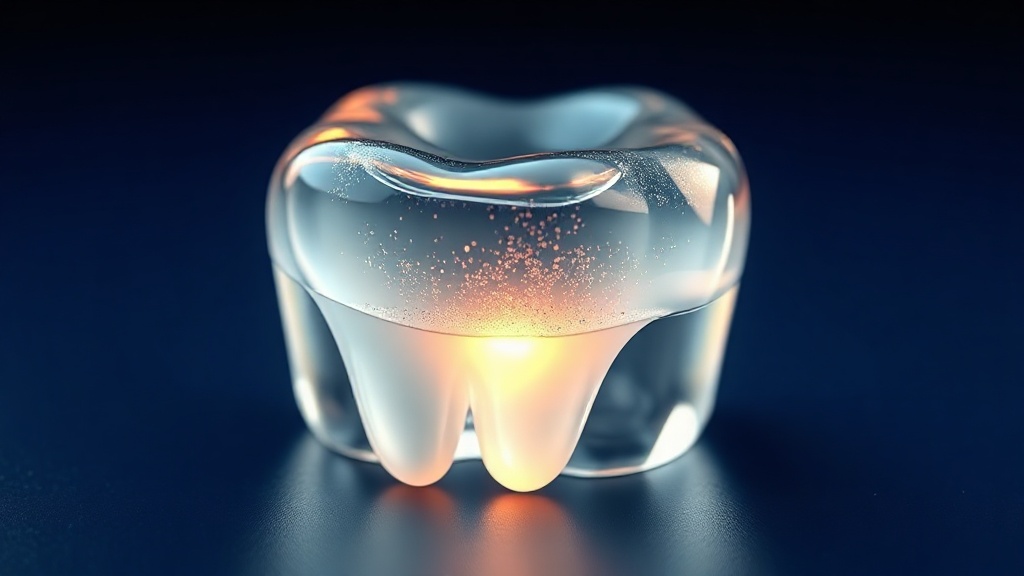
Peroxide in the gel diffuses through the enamel and oxidises the pigment in the dentin: genuine bleaching, driven by concentration and contact time.
What the research actually shows
Every claim below maps to a named, peer-reviewed source in the Sources section. According to PubMed.
| Claim | Evidence | Source |
|---|---|---|
| Peroxide gels whiten by diffusing through enamel to oxidise coloured molecules in the dentin, and efficacy tracks concentration multiplied by time. | Reference review of the bleaching mechanism and its measurement. | Joiner, 2006 |
| Contact time, not concentration, drives at-home results: 10% carbamide peroxide worn overnight gave a larger colour change than 7.5% hydrogen peroxide worn for one hour. | Randomised clinical trial of four at-home protocols (n=80). | Lopez Darriba et al., 2017 |
| 10% and 16% carbamide peroxide lightened teeth equally, but the 16% gel caused significantly more sensitivity. | Double-blind randomised clinical trial (n=92). | Meireles et al., 2008 |
| Low or medium concentration peroxide carried about 33% lower sensitivity risk with no loss of colour change. | Systematic review and meta-analysis of 25 trials. | Maran et al., 2020 |
| A colour change becomes perceptible around a delta E of about 1.2 and acceptable around 2.7, the benchmarks for judging a gel result. | Multicentre study establishing dental colour-difference thresholds. | Paravina et al., 2015 |
The main types of whitening gel
| Gel type | What it is | Best for | Honest caveat |
|---|---|---|---|
| Carbamide peroxide tray gel (10 to 16%) | Peroxide that releases slowly, worn in a tray | Overnight or long daily wear | Needs a tray; a higher percentage buys sensitivity, not more whitening |
| Hydrogen peroxide gel (3 to 7% OTC) | Faster-acting peroxide | Shorter daily sessions | More potential for zingers in short contact windows |
| Brush-on or pen gel | A thin peroxide layer painted straight on | Touch-ups and travel | Saliva washes it off fast, so contact time is lowest |
| LED-kit gel | A standard peroxide gel sold with a light | People who like a fixed routine | The light adds no measured whitening benefit |
| PAP or peroxide-free gel | An oxidising agent without peroxide | Sensitive teeth | Gentler, but slower and weaker than peroxide |
Why a stronger gel is not a better gel
It is natural to assume the highest-percentage tube is the best buy, but the research points firmly the other way. In a controlled trial, a 10% carbamide peroxide gel worn overnight produced a larger colour change than a 7.5% hydrogen peroxide gel worn for a single hour, and the authors concluded plainly that at-home whitening is time but not concentration dependent. When two carbamide peroxide gels were pitted against each other, 10% and 16% lightened teeth to the same degree, but the 16% caused significantly more sensitivity along the way. A broad review of in-office peroxide found the identical trade-off: stepping down to a low or medium concentration cut the risk of sensitivity by roughly a third while leaving the final colour unchanged. In other words, a stronger gel mostly buys discomfort, not brightness. The same scepticism belongs on the LED lights packaged with so many kits. A network meta-analysis pooling 28 trials found no added whitening from any form of light activation over the gel alone, and its authors noted that laser whitening functions mainly as marketing. Put together, the message is genuinely freeing: you can pick a gentler gel, give it a little more contact time, ignore the light, and arrive at the same result with a fraction of the sting.
Evidence you can act on.
Occasional emails — new research, new protocols, no noise.
How to get the most from a whitening gel
You cannot rush chemistry, but you can make every session count and keep it comfortable. None of this treats a medical condition; it simply helps a cosmetic gel do its job with the least irritation.
- 1
Brush first, then dry the teeth
2 minutesGel works on enamel, not on a film of plaque or saliva. Brush gently, then blot the front teeth dry with a tissue so the gel makes direct contact. Applying to a wet, slick surface dilutes the peroxide and gives you an uneven result.
- 2
Use a thin, even ribbon
under a minuteMore gel is not more whitening; it just oozes onto the gums and stings. A thin line along the front of each tooth in the tray is plenty. Wipe away any that squeezes onto the gums with a cotton bud before you settle in.
- 3
Choose contact time over strength
as directedRather than a harsh gel for a few minutes, pick a lower concentration and wear it for the full recommended window. The evidence is clear that patience out-performs potency, and your teeth will thank you for it.
- 4
Pace the course and respect the twinges
1 to 2 weeksSpace your sessions across the days rather than cramming them, and if teeth start to zing, take a day off and switch to a sensitivity toothpaste. Sensitivity is a signal to ease back, not to push harder.
- 5
Protect the shade you earned
ongoingColour fades gradually, so rinse with water after coffee, tea or red wine, and plan an occasional touch-up instead of over-whitening. Light maintenance keeps you bright without the wear of constant heavy use.
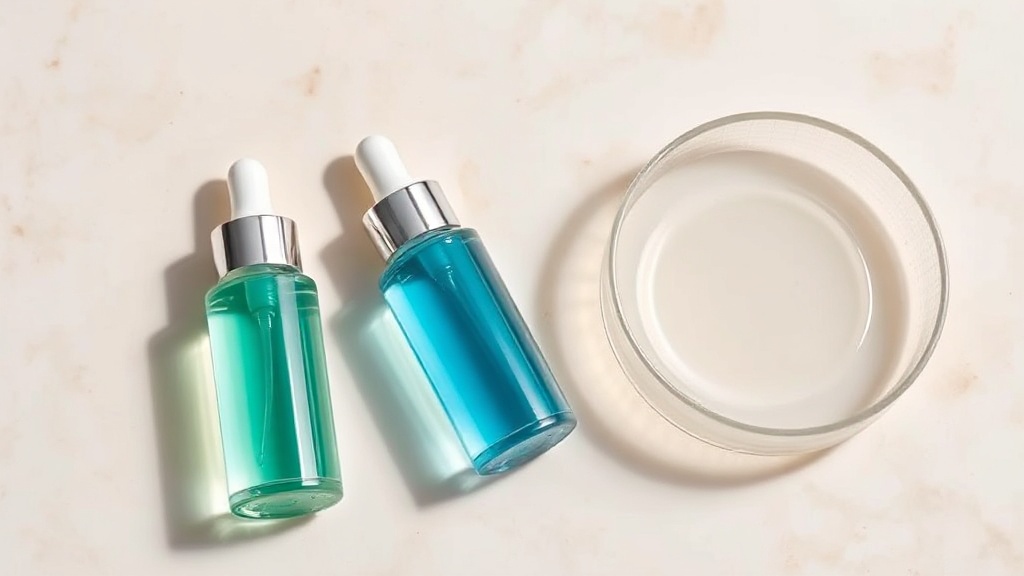
Gels arrive as tray gels, brush-on pens, LED-kit gels or peroxide-free formulas. The delivery differs, but peroxide and contact time do the real work.
Whitening gel is cosmetic and works only on natural tooth enamel. See a dentist before you start if you have crowns, veneers or fillings on your front teeth, because they will not change colour and can end up mismatched. Book a check first, too, if you have visible gum recession, untreated decay, or a single tooth that is much darker than the rest, which can point to something a gel cannot address. Persistent sensitivity, sore gums, or no change after a full course are all good reasons to check in with a professional rather than reaching for a stronger product.
Frequently asked questions
Sources
- 1.
- 2.
- 3.
- 4.
- 5.
- 6.
- 7.

Fix your breath at the source.
The complete science-backed protocol — engineered to eliminate volatile sulfur compounds at the biological source.
Start the Breath Protocol →Related reading
Educational purposes only. The content on this page is not medical advice and is not a substitute for consultation with a qualified dental or medical professional.
More from the library
 Comparisons8 min
Carbamide Peroxide vs Hydrogen Peroxide for Teeth Whitening: Which Works Better?
An evidence-based comparison of the two whitening peroxides, what actually separates them, and how to choose by format and comfort rather than by the biggest number.
Read →→ Answers9 min
Does Teeth Whitening Hurt? Why It Happens and How to Prevent It
The sting is common but manageable — and the real levers are lower concentration and shorter wear time, not gimmicks.
Read →→ Answers8 min
Does Teeth Whitening Damage Enamel? The Evidence-Based Answer
The honest, evidence-based answer to whether whitening harms enamel — what peroxide really does to the surface, why sensitivity is not damage, and the DIY methods that actually cause wear.
Read →→ Answers8 min
How Often Should You Whiten Your Teeth? Safe Frequency by Method
A method-by-method guide to how often you can brighten your smile without overdoing it — and why more is rarely better.
Read →→ Answers8 min
Does Baking Soda Whiten Teeth? What the Evidence Says
An honest look at what baking soda can and cannot do for a whiter smile.
Read →→ Best Of9 min
Best Fluoride-Free Whitening Toothpaste: An Honest, Evidence-Based Guide (2026)
Which fluoride-free whitening ingredients hold up to the research — and which are marketing. An honest buyer's guide.
Read →→