How to Get Rid of Yellow Teeth
Two kinds of yellow, two different fixes, and the enamel-safe way to brighten each one.
- There are two different kinds of yellow: surface stain from coffee, tea, wine and tobacco that sits on the enamel, and the deeper natural color of the tooth that shows through as enamel thins with age.
- Surface stain is the easy win. A low-abrasivity whitening toothpaste, baking soda, or a professional clean removes it. In one trial a baking-soda paste cut extrinsic stain 61.6% and lightened teeth 2.57 shades in six weeks.
- The deeper yellow, which is dentin showing through thinning enamel, is not dirt. You cannot scrub it away, and abrasive DIY tricks only risk your enamel. Only peroxide bleaching changes that internal color.
- Gentle works. At-home whitening is driven by contact time, not raw strength, so a low-concentration peroxide worn longer whitens with less sensitivity.
- Prevention is half the job. Staining is cumulative at roughly 0.34 shade units per day of contact, so cutting contact time with staining drinks and quitting tobacco keep your results.
To get rid of yellow teeth, first work out which yellow you have. Surface stains from coffee, tea, wine and tobacco lift with a low-abrasivity whitening toothpaste, baking soda or a dental clean. The deeper yellow of natural dentin showing through thinning enamel only changes with peroxide bleaching, not scrubbing.
Why teeth look yellow in the first place
Enamel, the glassy outer layer of a tooth, is actually translucent, and underneath it sits dentin, which is naturally yellow. So some of the yellow you see is simply the core of the tooth showing through. Two things make that worse over time. With age, enamel gradually thins and becomes more see-through while the dentin darkens, so more yellow reads through, a normal physiologic change rather than a disease. On top of that, chromogens from coffee, tea, red wine and tobacco lodge in the thin protein film on the enamel called the pellicle, creating extrinsic surface stain. Dentists sort discoloration into extrinsic stain (on the surface), intrinsic stain (from inside the tooth) and internalized stain (surface pigment that has crept into the tooth through cracks). Knowing which one you are dealing with is the whole game, because it decides what will and will not work.
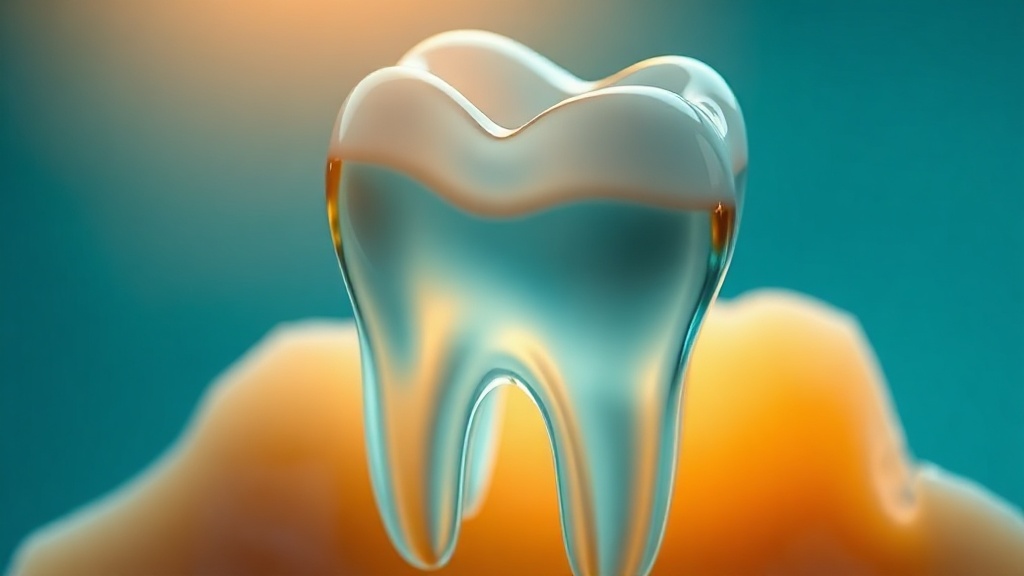
Much of the yellow is natural dentin showing through translucent enamel, which is why brushing harder cannot change it.
What the research actually shows
Every claim below maps to a named, peer-reviewed source in the Sources section. According to PubMed.
| Claim | Evidence | Source |
|---|---|---|
| A baking-soda toothpaste cut extrinsic stain 61.6% and lightened teeth 2.57 shade units in six weeks, while an unchanged control did not. | Randomized controlled trial, 146 subjects. | Ghassemi et al., 2012 |
| Peroxide strips produced a change of 3.70 Vita shade units versus 0.87 for placebo in two weeks, real bleaching of the tooth own color. | Double-blind, placebo-controlled RCT. | Kugel & Kastali, 2000 |
| At-home whitening is time- not concentration-dependent: a low 10% gel worn overnight out-whitened a stronger 1-hour gel, with only mild sensitivity. | Randomized clinical trial, 80 participants. | Lopez Darriba et al., 2017 |
| With age, enamel thins and becomes translucent while dentin darkens, so teeth naturally look more yellow, a normal change rather than disease. | Authoritative review of oral aging. | Lamster et al., 2016 |
| Tooth staining is cumulative and time-dependent, rising about 0.34 color units per day of contact, so limiting contact time matters. | In-vitro staining and bleaching study. | Farawati et al., 2019 |
Which fix matches which yellow
| Type of yellow | What causes it | What actually helps |
|---|---|---|
| Surface stain | Coffee, tea, red wine and tobacco chromogens held in the pellicle | Low-abrasivity whitening toothpaste, baking soda, professional clean |
| Age-related | Enamel thinning plus dentin darkening over time | Peroxide bleaching; surface products will not touch it |
| Deep or intrinsic (grey, banding) | From inside the tooth: development, medication or trauma | See a dentist; may need professional options |
| Looks worse than it is | Dehydration, harsh lighting, a red-wine day | Hydration and time; it often self-corrects |
What will not work, and what can hurt
The internet is full of yellow-teeth hacks that either do nothing or actively damage enamel. Charcoal is the classic example: it whitens less than an ordinary toothpaste and abrades more, so you sand your enamel for no real gain. The worse offenders are acid recipes. A popular strawberry-and-baking-soda mix, and lemon or apple-cider vinegar rubs, have been shown to measurably soften enamel, because the acid, not the baking soda, is the problem. And no amount of extra scrubbing reaches the dentin, so grinding away with any abrasive is effort spent on the wrong target while your enamel pays the price. The rule is simple: lift surface stain gently, bleach deep color chemically and gently, and never reach for an acid to whiten.
Evidence you can act on.
Occasional emails — new research, new protocols, no noise.
A gentle, enamel-safe routine to brighten yellow teeth
Match the method to the type of yellow, and keep everything low-abrasivity and low-acid. None of this treats a disease; it is cosmetic brightening and stain control.
- 1
Lift surface stain gently
twice dailyUse a low-abrasivity whitening toothpaste or a light baking-soda paste with a soft brush. This removes the coffee, tea and tobacco stain sitting on the enamel and restores the tooth own shade without harsh scrubbing.
- 2
For deeper color, use gentle peroxide over time
as directedIf stain removal is not enough, a low-concentration peroxide gel or strips will change the internal color. Remember it is contact time that matters, so worn longer beats worn stronger, and sensitivity stays lower.
- 3
Reduce staining contact
ongoingStaining is cumulative, so it is contact time that counts. Use a straw for iced coffee, do not nurse a drink all afternoon, and rinse with water after coffee, tea or wine.
- 4
Stop tobacco
ongoingTobacco is one of the heaviest stainers, and stopping measurably lightens tooth shade over weeks in controlled studies, on top of the wider health benefits.
- 5
Maintain and hydrate
ongoingKeep up regular brushing and flossing, stay hydrated so saliva can protect the surface, and see a dentist for a professional clean, which lifts stain no home product can match.
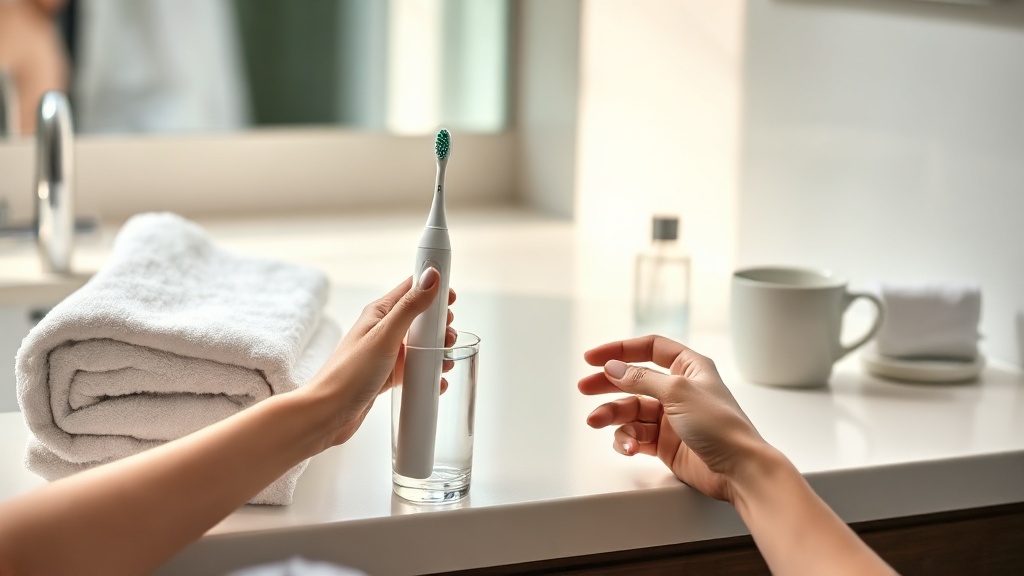
A gentle, consistent routine, soft brushing, low-abrasivity paste and hydration, brightens surface yellow without risking enamel.
See a dentist if the color is deep, grey or uneven, if a single tooth is noticeably darker than the rest, or if surface products and gentle whitening make no difference. Those patterns usually point to intrinsic discoloration from inside the tooth, which needs an in-person assessment to identify the cause and the right cosmetic options. Sudden or one-sided darkening in particular should always be checked rather than self-treated.
Frequently asked questions
Sources
- 1.
- 2.
- 3.
- 4.
- 5.
- 6.
- 7.
- 8.
- 9.

Fix your breath at the source.
The complete science-backed protocol — engineered to eliminate volatile sulfur compounds at the biological source.
Start the Breath Protocol →Related reading
Educational purposes only. The content on this page is not medical advice and is not a substitute for consultation with a qualified dental or medical professional.
More from the library
 Answers8 min
Does Baking Soda Whiten Teeth? What the Evidence Says
An honest look at what baking soda can and cannot do for a whiter smile.
Read →→ Guides8 min
How to Remove Coffee Stains From Teeth
A honest, evidence-based guide to lifting coffee stains from teeth without wrecking your enamel: what works, what only polishes the surface, and why to skip charcoal.
Read →→ Answers8 min
Does Teeth Whitening Damage Enamel? The Evidence-Based Answer
The honest, evidence-based answer to whether whitening harms enamel — what peroxide really does to the surface, why sensitivity is not damage, and the DIY methods that actually cause wear.
Read →→ Guides8 min
Purple Toothpaste: Does the Color-Correcting Trick Actually Work?
A calm look at how purple toothpaste masks yellow tones optically, why the effect is temporary, and where it fits alongside methods that actually change your shade.
Read →→ Best Of9 min
Best Fluoride-Free Whitening Toothpaste: An Honest, Evidence-Based Guide (2026)
Which fluoride-free whitening ingredients hold up to the research — and which are marketing. An honest buyer's guide.
Read →→ Guides9 min
In-Office Teeth Whitening Cost: What Dentists Charge (2026)
An honest, evidence-based look at chairside whitening prices — and whether the convenience premium is really worth it.
Read →→