How to Whiten Teeth at Home in One Day
The honest, evidence-based answer: real bleaching takes time, but you can safely lift surface stains and look a shade brighter in a single day.
- Be realistic: true bleaching — the kind that lightens the colour deep inside the tooth — is driven by how long a peroxide gel stays in contact with the enamel, so a full shade change takes days to weeks, not a single day.
- What you genuinely can do in one day is lift the surface stain: the coffee, tea, wine and food film sitting on top of the enamel, which can make teeth look a touch brighter by this evening.
- The safest same-day wins are gentle — a low-abrasivity whitening or baking-soda toothpaste, a powered toothbrush and a thorough clean; a peroxide strip started today also begins working, but shows its real result over one to two weeks.
- Skip the fast hacks that damage enamel: charcoal, plus DIY lemon, vinegar and strawberry-with-baking-soda mixes all abrade or erode the surface, and lost enamel never grows back.
- Manage expectations, not just teeth: a visible one-day change is a surface polish — real but modest. Think fresher and cleaner, not Hollywood-white overnight.
You can brighten your smile in a day, but only modestly. Real bleaching depends on contact time, so a big shade change takes days to weeks. In a single day you can safely lift surface stains — with a low-abrasivity whitening toothpaste, a powered toothbrush and a thorough clean — and start a peroxide strip that pays off over the following week.
Why one day has a ceiling
Tooth colour comes from two places, and only one of them changes quickly. On the outside is an extrinsic film — a thin layer of pigment from coffee, tea, red wine, tobacco and food dyes that settles onto the enamel and into the protein pellicle coating it. Underneath is the intrinsic colour of the tooth itself, set mostly by the yellower dentine showing through translucent enamel. Surface film can be polished off in minutes. The deeper colour can only be lightened by a bleaching agent — usually hydrogen or carbamide peroxide — that diffuses through the enamel and oxidises the coloured molecules mainly in the dentine. That chemistry is slow and cumulative: research shows at-home whitening is driven far more by how long the gel stays in contact with the tooth than by how strong it is, which is exactly why a single day cannot deliver a deep shade change. The encouraging part is that the bar for a visible difference is low — a colour shift becomes perceptible to the eye at only about one unit on the standard delta-E scale — so lifting a day's worth of surface stain really can read as brighter by tonight. It simply is not the same thing as bleaching the tooth itself lighter.
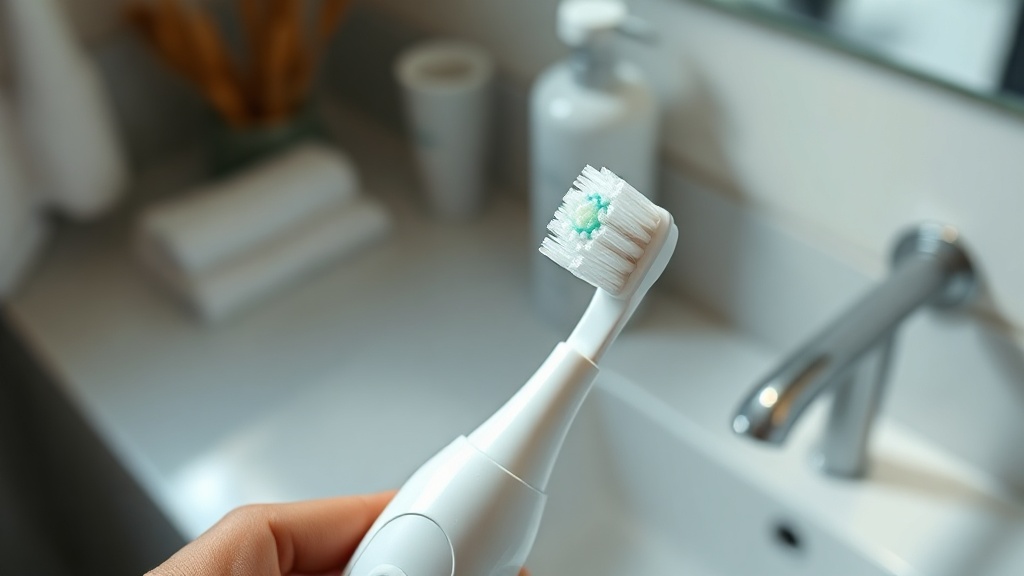
The realistic one-day lever: gently polishing away the surface film with a low-abrasivity paste and a powered brush.
What the research actually shows
Every figure below maps to a named, peer-reviewed study in the Sources section. According to PubMed.
| Claim | Evidence | Source |
|---|---|---|
| Real bleaching is gradual: a 5.3% hydrogen-peroxide gel took two weeks of twice-daily use to lighten teeth by about 3.7 shade units — far more than one day can deliver. | Double-blind, placebo-controlled RCT (33 per group). | Kugel & Kastali, 2000 |
| At-home whitening is time-dependent, not strength-dependent: the same gel worn overnight beat a stronger gel worn for one hour, so long contact time is what matters. | Randomised clinical trial, 80 participants. | Lopez Darriba et al., 2017 |
| What you can achieve in a day is surface-stain removal: a low-abrasivity baking-soda whitening toothpaste cut extrinsic stain 23.1% in just five days. | Randomised, examiner-blind trial. | Ghassemi et al., 2015 |
| A powered toothbrush removed about 90% of extrinsic stain — statistically as much as a professional dental clean. | Randomised, examiner-blind, two-week study. | Terezhalmy et al., 2008 |
| Charcoal is the wrong shortcut: a review of 11 studies found it whitens less than other options and is more abrasive, making it less safe for enamel. | Systematic review of in-vitro studies. | Montero Tomas et al., 2022 |
Same-day methods, by what they really do
| Same-day method | What it realistically does today | Enamel-safe? |
|---|---|---|
| Low-abrasivity whitening / baking-soda toothpaste | Lifts fresh surface stain; subtle brightening | Yes — low abrasivity |
| Powered toothbrush + thorough clean | Removes stain film about as well as a dental polish | Yes |
| Peroxide strip or tray (started today) | Begins true bleaching; visible result comes over 1–2 weeks | Yes, as directed; may cause short-term sensitivity |
| Charcoal powder or paste | Little real whitening; scratches and thins enamel | No — avoid |
| DIY lemon, vinegar or strawberry + baking soda | Acid softens and erodes enamel; the damage is permanent | No — avoid |
The hacks that backfire
When people search for a one-day fix, the internet answers with lemon juice, apple-cider vinegar, and mashed strawberries with baking soda. These feel productive because acid and grit do strip the surface — but they strip enamel along with the stain. Enamel is the hardest tissue in the body, yet it has no living cells and cannot rebuild itself once it is worn away. Laboratory work has shown that the popular strawberry-and-baking-soda paste measurably softens the enamel surface, and that lemon juice is among the most erosive common acids, dissolving a real depth of mineral in a single exposure. Charcoal is the same trap in a trendier package: it looks dramatic and feels like it is scrubbing teeth clean, but the evidence is that it removes less stain than an ordinary paste while roughening and thinning the surface. Community sentiment has actually caught up with the science here — a common refrain online is that charcoal simply scrubs off the surface, and you cannot get enamel back. The safest same-day approach does the opposite of these hacks: it lifts stain with the gentlest tool that works and leaves the enamel intact.
Evidence you can act on.
Occasional emails — new research, new protocols, no noise.
A realistic, enamel-first plan for today
Here is a sensible plan you can run today. None of it treats a disease — it simply removes surface stain and, if you want it, starts the slower bleaching process safely.
- 1
Start with a thorough, gentle clean
5 minutesBrush for a full two minutes with a low-abrasivity whitening or baking-soda toothpaste, then floss. This lifts the freshest layer of surface film — the part most likely to be dulling your smile today. Use a soft brush and let the paste, not pressure, do the work.
- 2
Use a powered toothbrush if you have one
2 minutesA rotating-oscillating powered brush removes surface stain about as effectively as a professional polish. Guide it slowly, tooth by tooth, rather than scrubbing hard; the motion is doing the polishing for you.
- 3
Start a peroxide strip or tray now — for later
30–60 minutesIf you want genuine bleaching, apply a well-reviewed peroxide strip or tray today, following the label exactly. Understand what you are buying: one application begins the process, but the visible shade change accumulates over the next one to two weeks. Lower-concentration products worn a little longer tend to be gentler on sensitivity.
- 4
Go easy on staining drinks for the rest of the day
ongoingFreshly cleaned enamel picks up colour easily, so ease off coffee, tea, red wine and dark sodas today, and sip water or use a straw. This is a prudent tactic rather than a proven rule, but it costs nothing and protects the brightening you just gained.
- 5
Skip the acid-and-grit shortcuts entirely
—Do not reach for lemon, vinegar or charcoal to speed things up. They can strip stain, but they erode and scratch enamel that never grows back — trading a brighter tonight for a duller, more sensitive tooth later.
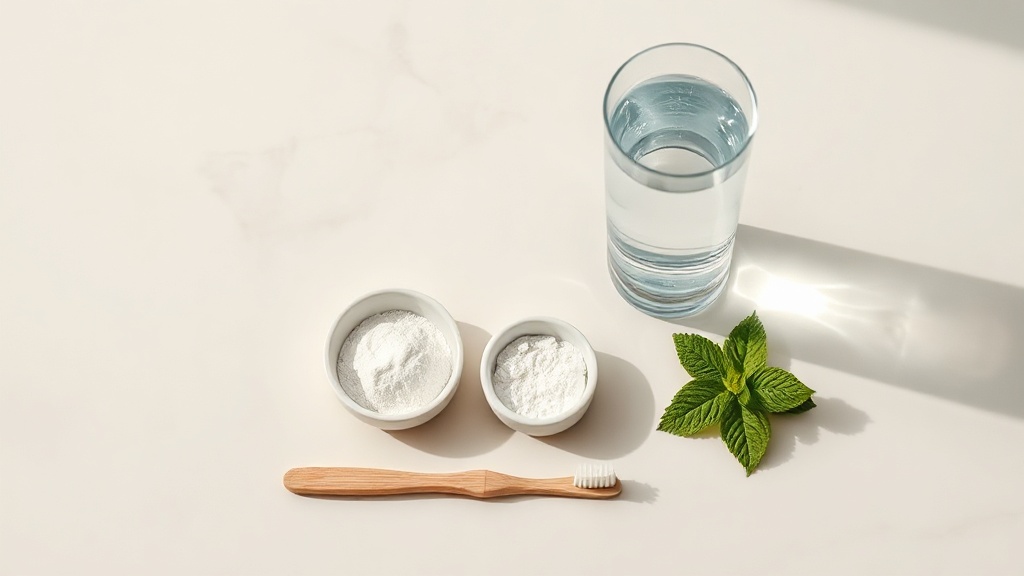
An enamel-first kit: a soft brush, a low-abrasivity paste or plain baking soda, and water — gentle tools that brighten without damage.
If you want a big, reliable colour change on a deadline — a wedding, a photo, an interview — a dentist can supervise stronger whitening safely and tell you whether your stains sit on the surface or are built into the tooth. See a professional too if your teeth are already sensitive, if you have gum recession, or if you have crowns or veneers, which do not whiten. And if just one or two teeth look noticeably dark, get them looked at in person — that pattern can point to something a home kit will not fix. Whitening is cosmetic; a persistent dark tooth deserves a real examination.
Frequently asked questions
Sources
- 1.
- 2.
- 3.
- 4.
- 5.
- 6.
- 7.
- 8.
- 9.
- 10.
- 11.

Fix your breath at the source.
The complete science-backed protocol — engineered to eliminate volatile sulfur compounds at the biological source.
Start the Breath Protocol →Related reading
Educational purposes only. The content on this page is not medical advice and is not a substitute for consultation with a qualified dental or medical professional.
More from the library
 Guides8 min
How to Whiten Teeth Fast (Safely, Before an Event)
The realistic fast-track to whiter teeth before a big day — what genuinely works in a hurry, and the shortcuts that only cost you enamel.
Read →→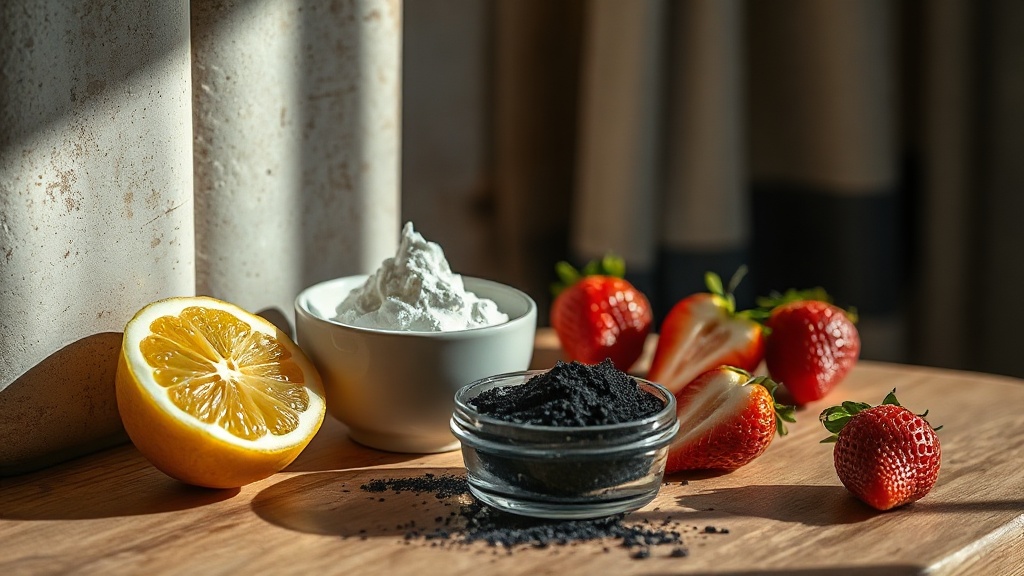 Guides9 min
DIY Teeth Whitening: What Actually Works (and What Wrecks Your Enamel)
The one DIY method that safely lifts stains, and the viral tricks that quietly dissolve your enamel.
Read →→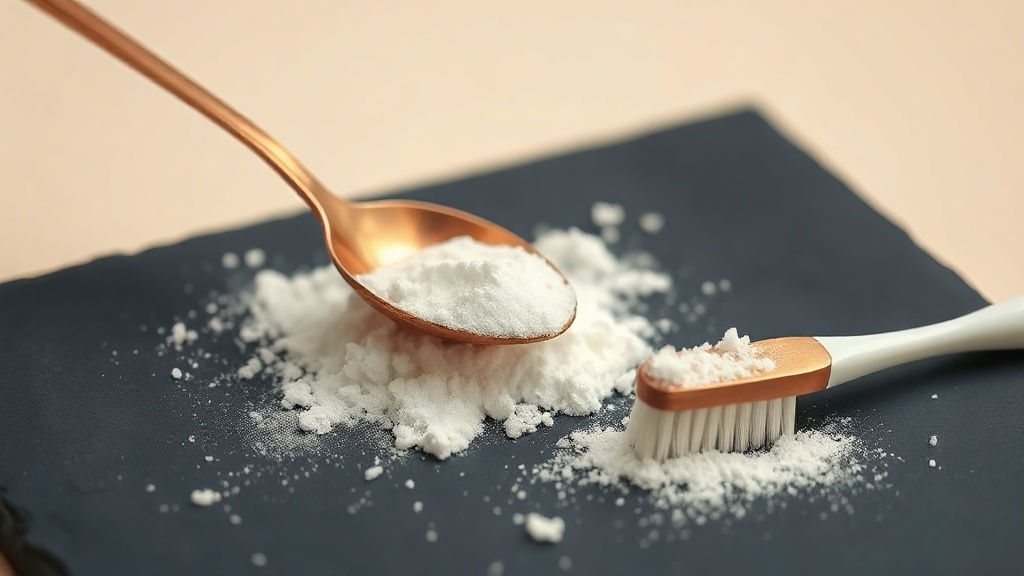 Ingredients8 min
Baking Soda for Teeth Whitening: The Ingredient, Explained
What sodium bicarbonate really does to stained teeth, why its low abrasivity matters, and how to use it safely.
Read →→ Answers8 min
How Long Does Teeth Whitening Last? (And How to Extend It)
Whitening results last longer than most people think — teeth stay lighter for years — but they fade gradually, and a few simple habits slow it down.
Read →→ Answers8 min
Does Teeth Whitening Damage Enamel? The Evidence-Based Answer
The honest, evidence-based answer to whether whitening harms enamel — what peroxide really does to the surface, why sensitivity is not damage, and the DIY methods that actually cause wear.
Read →→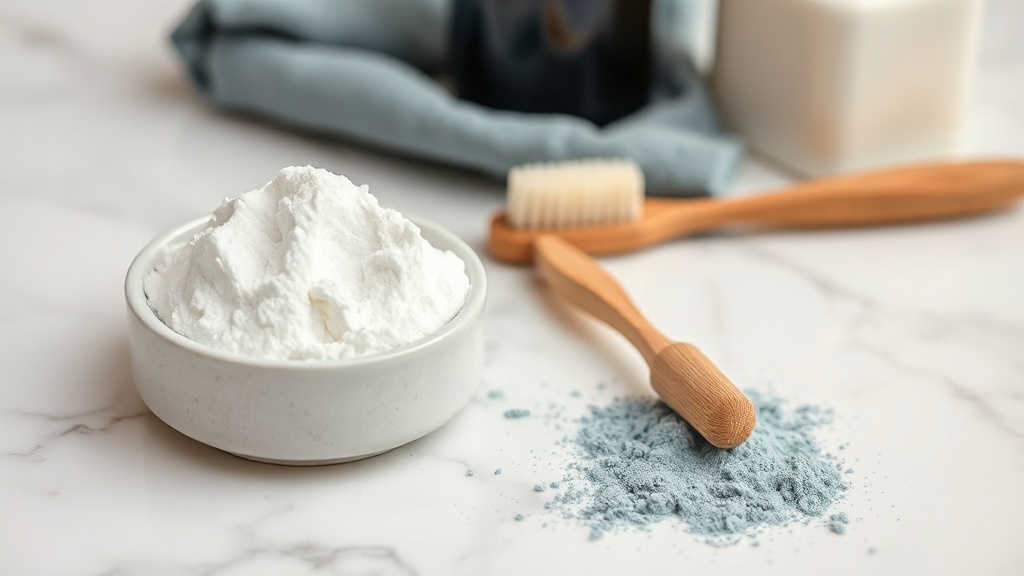 Answers8 min
Does Baking Soda Whiten Teeth? What the Evidence Says
An honest look at what baking soda can and cannot do for a whiter smile.
Read →→