DIY Teeth Whitening: What Works and What Harms Enamel
The one DIY method that safely lifts stains, and the viral tricks that quietly dissolve your enamel.
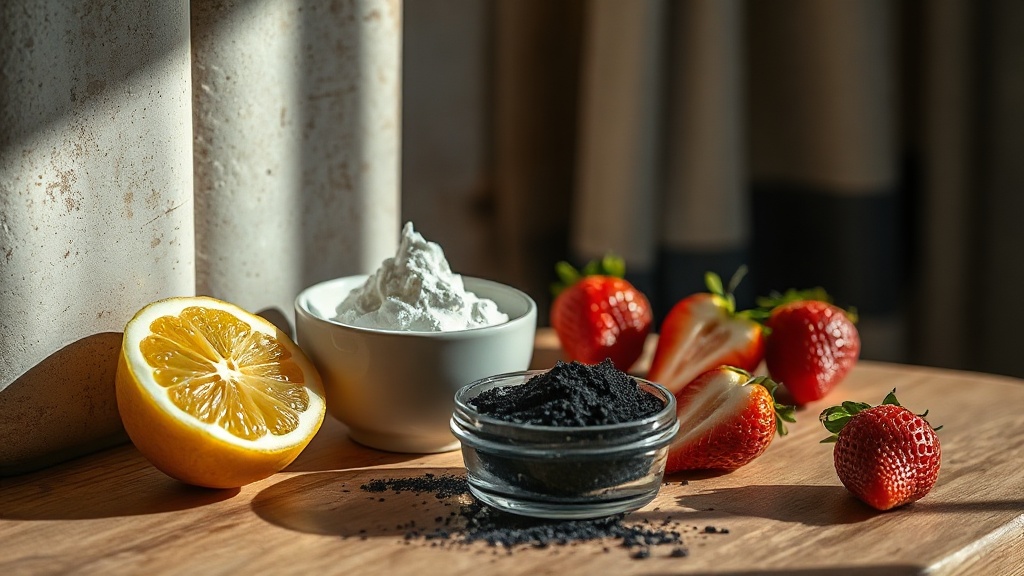
- Honest bottom line: the only DIY teeth whitening that is both safe and useful is gentle, low-abrasion surface-stain removal. Home methods cannot bleach the tooth the way peroxide does.
- The viral acid tricks are genuinely damaging. Lemon-based acid is among the most erosive things you can put on a tooth, and a strawberry-and-baking-soda mix significantly softened enamel in a controlled study.
- Charcoal is not a natural shortcut. A systematic review found charcoal toothpaste whitens less and abrades more, and loose charcoal powder caused the highest enamel wear of any product in laboratory testing.
- Plain baking soda is the one DIY exception: as a formulated low-abrasivity paste it removes surface stain safely, because cleaning power and abrasiveness are not the same thing.
- Enamel does not grow back. Every acid rinse and gritty scrub is a permanent trade, and thinner enamel lets the yellow dentin underneath show through more, the opposite of what you wanted.
DIY teeth whitening cannot truly bleach your teeth; only peroxide does that. What home methods can safely do is gently remove surface stains, and the single evidence-backed option is a low-abrasivity baking-soda toothpaste. Avoid the popular tricks: lemon, vinegar, strawberry-and-baking-soda and charcoal all erode or abrade enamel, which is permanent damage, for no real whitening gain.
Why most DIY whitening cannot work the way you hope
There are only two real ways to change tooth colour. One is chemical: peroxide diffuses through the enamel and oxidizes the coloured molecules deep in the dentin, which is what genuinely lightens a tooth from within. The other is mechanical: physically removing the stained film that sits on the enamel surface. Almost every DIY method is really the second kind, a polish, not a bleach, and that distinction decides what is possible at home. Surface stains, the coffee, tea, wine and tobacco pigments trapped in the thin protein film on your enamel, can be lifted mechanically. The built-in colour of your dentin cannot, not by any kitchen ingredient. That is the honest ceiling of DIY. The trouble starts when people try to force a bigger result. Reaching for something acidic to dissolve stains, or something gritty to scour them, does not deepen the whitening; it just attacks the enamel. And enamel is the hardest tissue in your body precisely because it cannot repair itself once it is lost. So the useful question is not how to whiten hardest at home, but how to remove surface stain with the least wear, and only one common ingredient clears that bar.
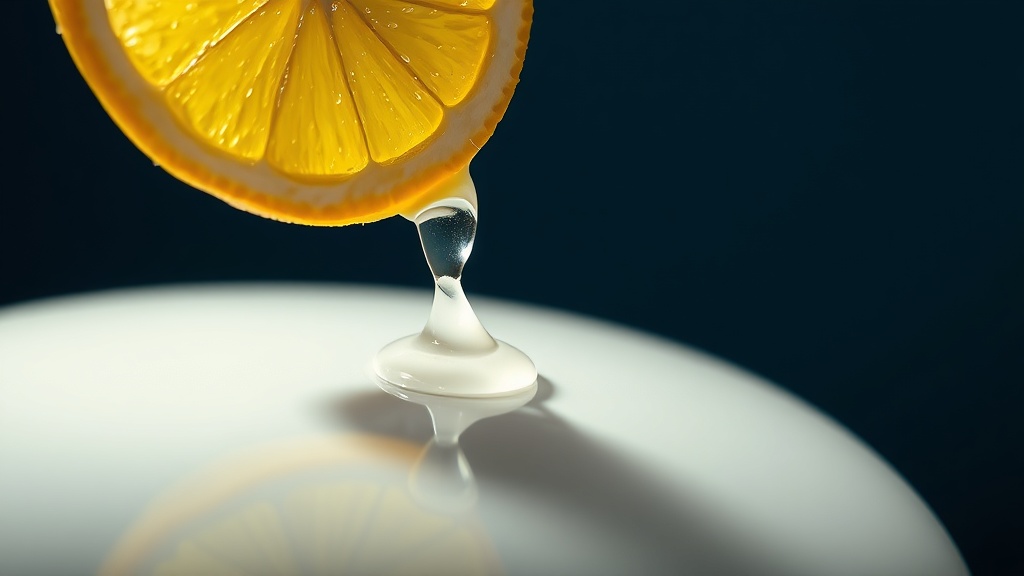
Acid does not scrub stain off, it dissolves the enamel surface itself. Lemon-based acids are among the most erosive things you can put on a tooth.
What the research actually shows
Every claim below maps to a named, peer-reviewed source in the Sources section. According to PubMed.
| Claim | Evidence | Source |
|---|---|---|
| A do-it-yourself strawberry-and-baking-soda mix significantly reduced enamel microhardness, grouping with the acid positive control, a genuine softening of the surface. | Controlled in vitro microhardness and SEM study of whitening modalities. | Kwon et al., 2014 |
| Lemon-based acidic drinks were the most erosive tested, with the lowest pH (2.86) and measurable enamel surface loss of about 0.52 micrometres. | pH-cycling erosion study with profilometry and SEM. | Romao et al., 2021 |
| Charcoal toothpastes have a lower whitening effect than other options and can be considered less safe due to high abrasive potential. | Systematic review of 11 in vitro studies. | Montero Tomas et al., 2022 |
| Loose charcoal powder caused the greatest enamel wear, roughness and gloss loss of the products tested after 100,000 brushing cycles. | In vitro abrasion and wear study of charcoal dentifrices. | da Silva et al., 2023 |
| A baking-soda toothpaste removed 61.6 percent of surface stain at low abrasivity; cleaning power and abrasiveness are not directly coupled. | Six-week randomized clinical trial (146 subjects); 26-dentifrice abrasivity study. | Ghassemi 2012; Schemehorn 2011 |
Popular DIY methods, honestly graded
| DIY method | What it really does | Verdict |
|---|---|---|
| Lemon juice or vinegar | Acid dissolves the enamel surface, does not target stain | Avoid, permanent erosion |
| Strawberry and baking soda | Fruit acid softens enamel; the paste is a viral myth | Avoid, softens enamel |
| Activated charcoal | Abrasive scrubbing, whitens no better than plain paste | Avoid, high wear |
| Plain baking-soda toothpaste | Low-abrasivity polish that lifts surface stain | Safe, the one that works |
| Oil pulling with coconut oil | No measured whitening effect in studies | Harmless but ineffective |
The acid and charcoal traps, in detail
Two DIY families cause the most harm, and both feel productive while they damage. The acid group, lemon, vinegar, and the famous strawberry-and-baking-soda paste, seems to work because acids can lighten the very surface briefly. But acid whitens by etching, not cleaning. In controlled testing, lemon-based acid had a pH of 2.86 and stripped measurable enamel, and the strawberry mix softened enamel enough to sit alongside a pure-acid control. The chemistry is unforgiving: there is no single safe pH, and once minerals leave the enamel they are gone. The charcoal group feels natural and looks dramatic, but a systematic review concluded charcoal whitens less than the alternatives while being more abrasive, and the loose powder was the single worst product for enamel wear across 100,000 simulated brushings. In both cases the pattern is the same, you pay in permanent enamel for a cosmetic effect you could get more safely another way. And there is a cruel twist: because the yellowish dentin sits just beneath the enamel, thinning that enamel makes teeth look duller and more yellow over time, not whiter. The one ingredient that escapes this trap is ordinary baking soda in a formulated paste, which cleans surface stain at low abrasivity precisely because scrubbing power and abrasiveness turned out not to be the same thing.
Evidence you can act on.
Occasional emails — new research, new protocols, no noise.
The safe DIY routine that actually helps
If you want to do something at home, do this. It removes surface stain and protects the enamel you cannot replace. None of it treats a disease; it is cosmetic stain care.
- 1
Use a low-abrasivity baking-soda toothpaste
twice dailyThis is the only DIY ingredient with real, safe evidence behind it. A formulated baking-soda paste removed most surface stain over six weeks without harsh wear. Choose a gentle commercial baking-soda formula rather than dumping raw powder or mixing it with acidic fruit.
- 2
Brush gently, let the paste do the work
two minutesHard scrubbing does not clean better; it just wears enamel and gums. Small, light circles with a soft or powered brush lift the surface film effectively.
- 3
Shorten contact with staining drinks
ongoingBecause stain builds with total pigment contact, using a straw for iced coffee or tea and rinsing with water afterwards genuinely slows new staining. These are harmless habits, not miracle fixes, but they help the paste keep up.
- 4
Skip the acid and charcoal experiments entirely
alwaysNo lemon, no vinegar, no strawberry paste, no charcoal powder. Each one trades permanent enamel for a cosmetic effect you can get more safely, and the damage cannot be undone.
- 5
For real bleaching, use a proven peroxide product or see a dentist
as neededIf surface cleaning is not enough, the honest answer is a regulated peroxide whitening product or a professional treatment, not a stronger kitchen hack. Only peroxide changes the tooth's built-in colour.
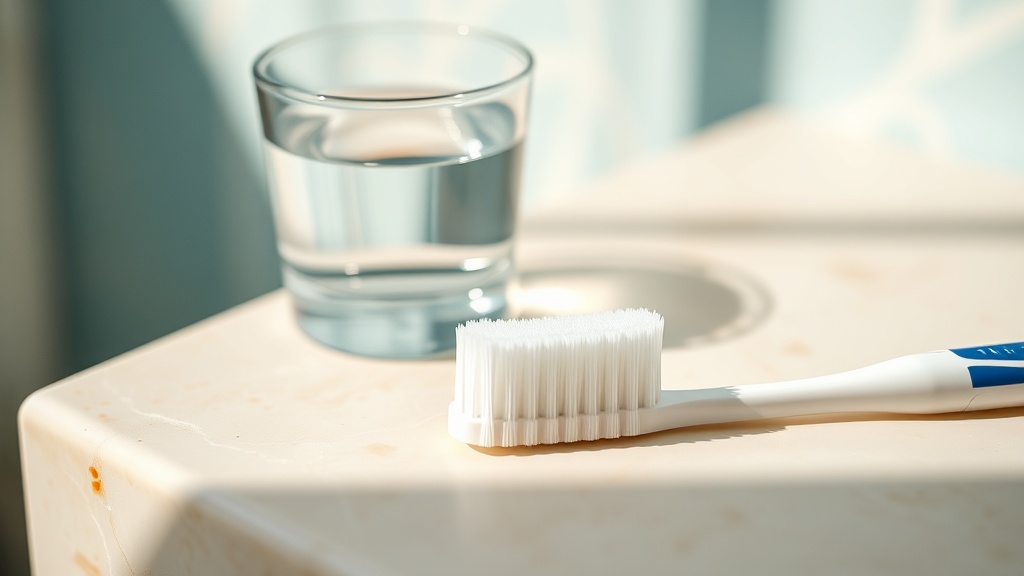
The calm, boring winner: a soft brush and a low-abrasivity baking-soda paste lift surface stain without the permanent cost of acid or charcoal.
See a dentist before trying to fix discoloration yourself if a single tooth has darkened, if you see grey or brown marks clearly inside the tooth, or if your teeth already feel sensitive or look glassy and worn at the edges, a possible sign of existing erosion that acid tricks would worsen. A dentist can tell surface stain from built-in colour and offer a regulated peroxide treatment that no home method can safely match.
Frequently asked questions
Sources
- 1.
- 2.
- 3.
- 4.
- 5.
- 6.
- 7.
- 8.
- 9.

Fix your breath at the source.
The complete science-backed protocol — engineered to eliminate volatile sulfur compounds at the biological source.
Start the Breath Protocol →Related reading
Educational purposes only. The content on this page is not medical advice and is not a substitute for consultation with a qualified dental or medical professional.
More from the library
 Answers8 min
Does Baking Soda Whiten Teeth? What the Evidence Says
An honest look at what baking soda can and cannot do for a whiter smile.
Read →→ Answers8 min
Does Coconut Oil Whiten Teeth? An Honest, Evidence-Based Answer
An honest look at the coconut oil whitening claim, what the research on oil pulling really measured, and the gentle methods that actually work.
Read →→ Answers8 min
Does Oil Pulling Whiten Teeth? What the Evidence Actually Shows
The honest answer is no. No study has measured a real colour change from oil pulling. Here is why the myth persists and what genuinely brightens a smile.
Read →→ Guides8 min
How to Whiten Teeth at Home in One Day (Realistic, Enamel-Safe Methods)
The honest, evidence-based answer: real bleaching takes time, but you can safely lift surface stains and look a shade brighter in a single day.
Read →→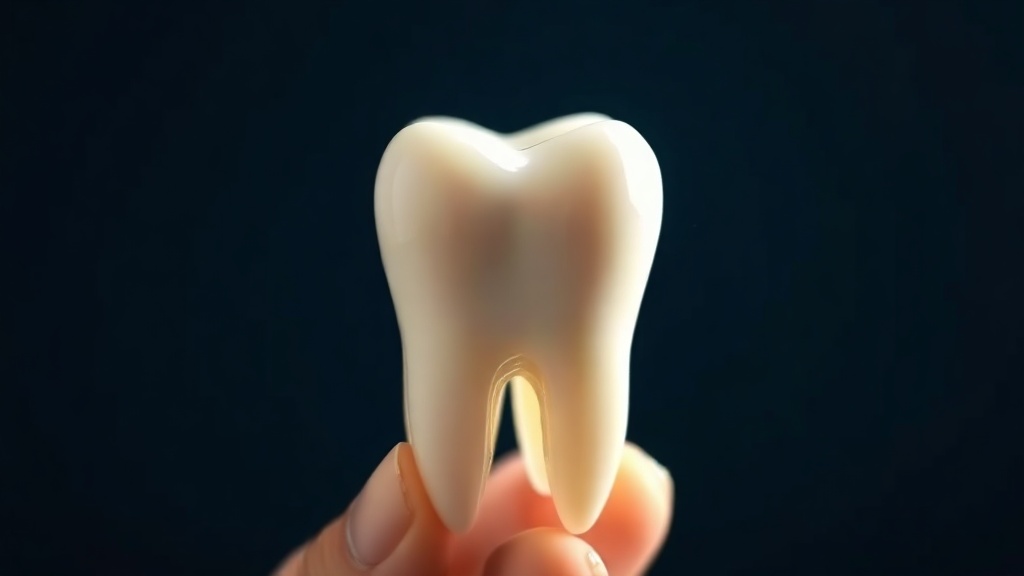 Answers8 min
Does Teeth Whitening Damage Enamel? The Evidence-Based Answer
The honest, evidence-based answer to whether whitening harms enamel — what peroxide really does to the surface, why sensitivity is not damage, and the DIY methods that actually cause wear.
Read →→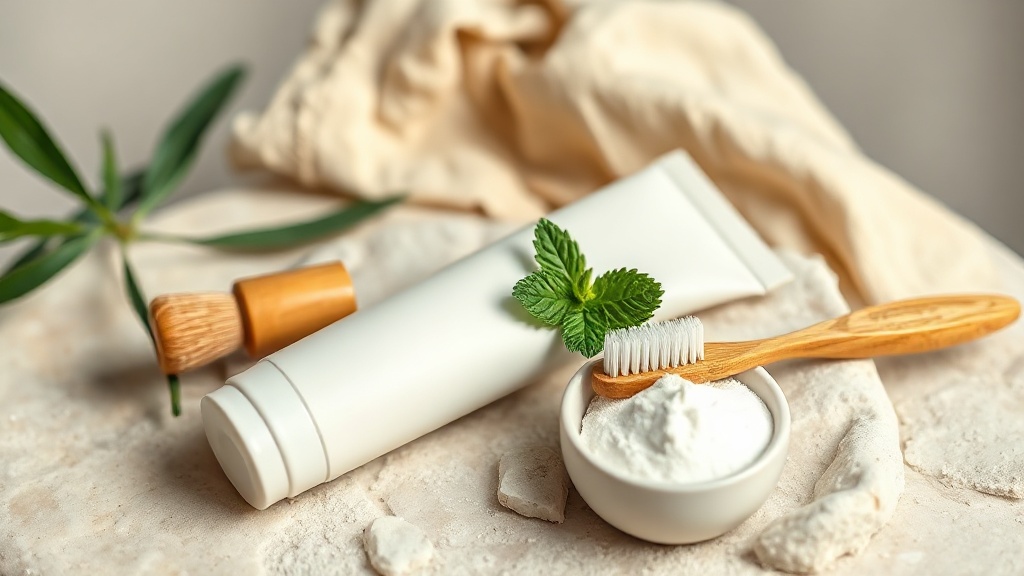 Best Of9 min
Best Fluoride-Free Whitening Toothpaste: An Honest, Evidence-Based Guide (2026)
Which fluoride-free whitening ingredients hold up to the research — and which are marketing. An honest buyer's guide.
Read →→