How to Strengthen Tooth Enamel
The daily habits that protect enamel from acid, and the ingredients that make it measurably more acid-resistant.
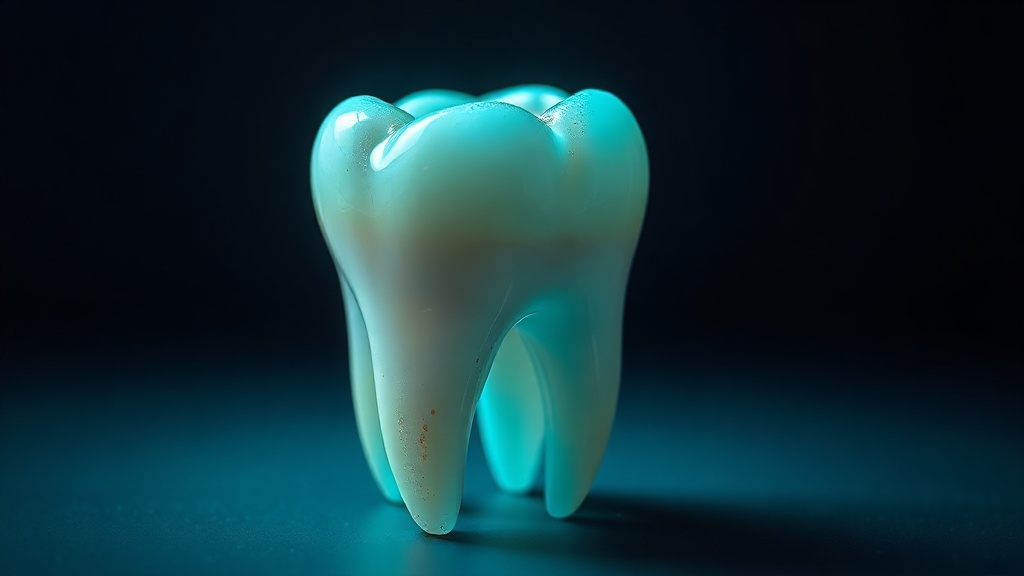
- You cannot grow new enamel - it is acellular and does not regenerate - so strengthening it really means making the enamel you have more acid-resistant and shielding it from erosion.
- The biggest wins are defensive: reducing how often acids and sugars hit your teeth, and protecting saliva, which buffers acid and constantly re-mineralizes the surface.
- Fluoride is the best-evidenced strengthening ingredient, and remineralized enamel formed with fluoride is actually more acid-resistant than the enamel it replaced; hydroxyapatite is a strong fluoride-free alternative.
- Timing and technique matter: brushing gently, not scrubbing immediately after acidic food or vomiting, and spitting rather than rinsing after toothpaste all protect the surface.
- Whole-mouth habits - hydration, nose breathing, managing dry mouth and reflux - move the needle more than any single product, because a mouth that stays above the critical pH repairs itself.
Strengthen enamel by making it more acid-resistant and protecting it from erosion: use a fluoride or hydroxyapatite toothpaste and spit, do not rinse; cut how often you have sugar and acidic drinks; protect saliva by staying hydrated; and avoid brushing hard right after acids. You cannot grow new enamel, only fortify what you have.
What strengthening enamel really means
Enamel is the hardest tissue in the body and about 96% mineral by weight, but it has one unforgiving property: it is acellular, with no living cells to repair or regrow it once the tooth has erupted. So strengthening enamel is never about growing more of it - it is about two things you can control. The first is making the existing mineral tougher against acid. When enamel remineralizes in the presence of fluoride, the new mineral incorporates fluoride and excludes carbonate, forming a surface that is more acid-resistant than the original enamel ever was. That is the real, evidence-based meaning of a stronger tooth. The second is reducing how hard and how often acid attacks it in the first place. Every acidic drink, sugary snack and bout of reflux drops the surface pH below the critical threshold of about 5.5, where mineral starts to dissolve; the fewer and shorter those episodes, the more time enamel spends rebuilding. Put simply, you strengthen enamel from two directions at once - upgrading the mineral and reducing the assault - and both are firmly within reach of everyday habits.
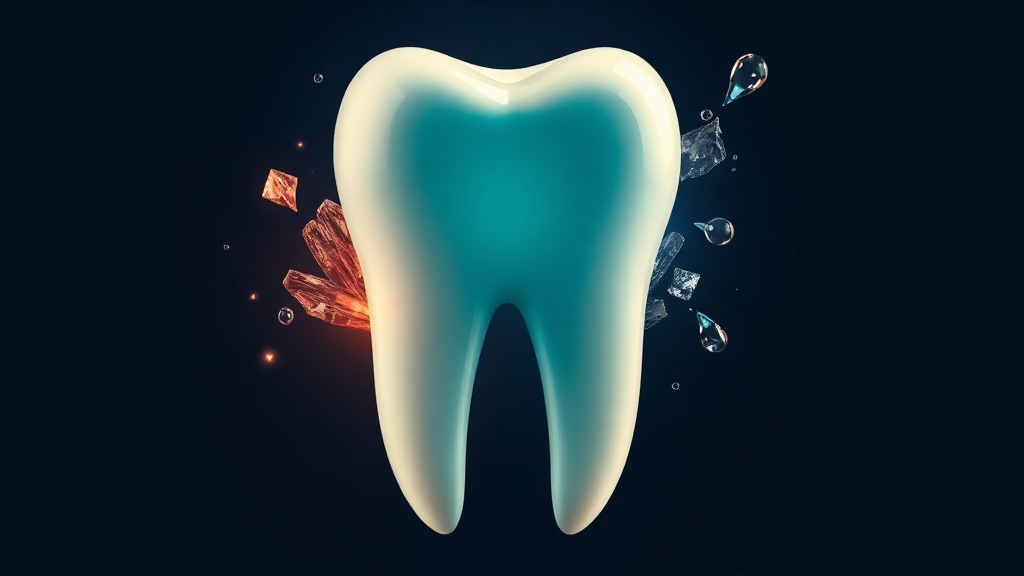
You strengthen enamel from two directions: upgrading the surface mineral and reducing how often acid attacks it.
What the research actually shows
Every claim below maps to a named, peer-reviewed source in the Sources section. According to PubMed.
| Claim | Evidence | Source |
|---|---|---|
| Enamel remineralized in the presence of fluoride forms a mineral that is more acid-resistant than the original enamel. | Review of fluoride mechanisms of action. | Buzalaf et al., 2011 |
| 1,000-1,500 ppm fluoride toothpaste reduces caries with a clear dose-response, while below about 500 ppm shows no significant benefit. | Cochrane systematic review. | Walsh et al., 2019 |
| A fluoride-free hydroxyapatite toothpaste matched 1,450 ppm fluoride for adult caries prevention over 18 months. | 18-month randomized non-inferiority trial. | Paszynska et al., 2023 |
| Enamel begins to dissolve below a critical pH of about 5.5, so reducing acid frequency protects the surface. | Review of erosion thresholds. | Lussi et al., 2011 |
| Enamel is about 96% mineral by weight and acellular, so it cannot regenerate lost structure once erupted. | Study of enamel structure and mechanics. | He & Swain, 2008 |
Enamel strengtheners, honestly graded
| Ingredient | What it does | Evidence |
|---|---|---|
| Fluoride (1,000-1,500 ppm) | Forms more acid-resistant mineral | Strong - the gold standard |
| Hydroxyapatite (n-HA) | Supplies enamel-like mineral to the surface | Good - non-inferior to fluoride in adults |
| CPP-ACP (MI Paste) | Delivers calcium and phosphate | Real but not superior to fluoride |
| Saliva | Buffers acid, re-mineralizes constantly | Strong - your built-in system |
| Vitamin K2 for enamel | Claimed to strengthen teeth | Not supported in humans |
Where enamel is quietly lost: erosion and technique
Cavities get the headlines, but a huge amount of enamel is lost silently to erosion - acid dissolving the surface directly, with no bacteria involved. Fizzy drinks, citrus, wine, sports drinks and reflux all bathe the teeth in acid, and the enamel softens for a while afterward. This is where technique quietly matters. If you scrub hard with a brush immediately after an acidic drink or after vomiting, you are abrading enamel that is temporarily softened, accelerating the loss; it is better to rinse with water, wait, and then brush gently. The same logic explains why gentle pressure and a soft brush protect enamel far better than aggressive scrubbing, which wears the surface and the gumline over years. And it is why the small habit of spitting out toothpaste without rinsing is so valuable: rinsing washes away the very fluoride or hydroxyapatite you just applied, cutting short its contact time on the enamel. None of these habits is dramatic on any given day, but enamel is a long game, and the difference between protective and destructive technique compounds over decades.
Evidence you can act on.
Occasional emails — new research, new protocols, no noise.
A daily routine that strengthens enamel
These habits fortify the mineral you have and cut the acid load on it. They protect enamel; they do not regrow it.
- 1
Use a fluoride or hydroxyapatite toothpaste, and spit, do not rinse
twice dailyA 1,000-1,500 ppm fluoride toothpaste is the established standard; hydroxyapatite is a well-evidenced fluoride-free option. Spitting without rinsing leaves the active mineral working on your enamel for longer.
- 2
Brush gently with a soft brush
twice dailyLet the toothpaste do the work; hard scrubbing abrades enamel and the gumline. Angle a soft brush at the gums and use light pressure rather than force.
- 3
Reduce the frequency of acids and sugars
every mealKeep acidic drinks and sweets to mealtimes rather than sipping and snacking all day, and use a straw for acidic drinks. Long acid-free windows are when enamel re-hardens.
- 4
Wait before brushing after acid
30-60 minutesAfter acidic food, drink, or vomiting, rinse with water and wait before brushing, so you are not scrubbing temporarily softened enamel. Chewing sugar-free gum meanwhile helps saliva neutralize the acid.
- 5
Protect your saliva
all dayStay hydrated, breathe through your nose, and address dry mouth or reflux with a clinician if they persist. Saliva is your continuous enamel-repair system, so keeping it flowing is one of the strongest levers you have.
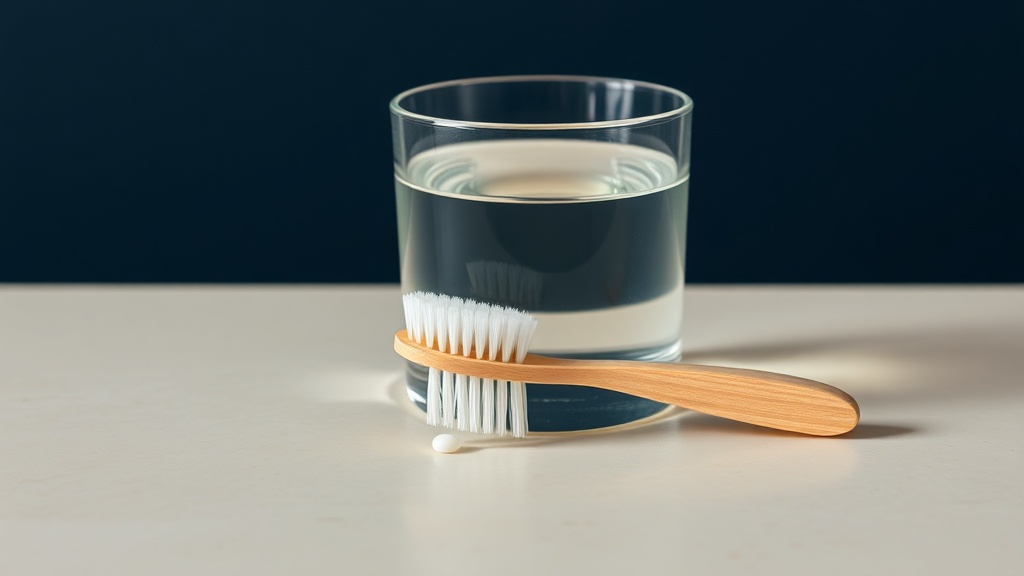
A soft brush, light pressure, and spitting rather than rinsing keep enamel and its mineral layer intact.
See a dentist if teeth look increasingly thin, translucent at the edges, yellower, or cupped and dished on the biting surfaces, since those are signs of ongoing erosion that habits alone may not stop. Persistent sensitivity, frequent reflux, or a dry mouth from medication all raise enamel risk and are worth professional input. A dentist can also apply high-strength fluoride and pinpoint whether erosion, abrasion or decay is driving the loss.
Frequently asked questions
Sources
- 1.
- 2.
- 3.
- 4.
- 5.
- 6.
- 7.

Fix your breath at the source.
The complete science-backed protocol — engineered to eliminate volatile sulfur compounds at the biological source.
Start the Breath Protocol →Related reading
Educational purposes only. The content on this page is not medical advice and is not a substitute for consultation with a qualified dental or medical professional.
More from the library
 Best Of9 min
Toothpaste That Rebuilds Enamel: The Honest Answer
The honest answer to a common search: what a toothpaste can and cannot do for lost enamel.
Read →→ Guides9 min
Enamel Remineralisation: The Complete Science Guide
The definitive, honestly graded reference on how enamel remineralises - the cycle, the chemistry, and what each active ingredient actually does.
Read →→ Comparisons8 min
Hydroxyapatite vs Fluoride: Which Toothpaste Is Right for You?
Two ways to strengthen enamel, one big difference in how much evidence stands behind each.
Read →→ Ingredients8 min
Hydroxyapatite Toothpaste: How It Remineralizes and Strengthens Enamel
The mineral your enamel is already made of, in a tube: what nano-hydroxyapatite does to the tooth surface, what the evidence shows, and where it stops.
Read →→ Answers8 min
How to Get Rid of White Spots on Teeth: Your Options, Ranked
An honest, evidence-based ladder of options, from what you can do at home to what only a dentist can fix.
Read →→ Ingredients8 min
Hydroxyapatite Toothpaste Benefits: What the Evidence Actually Supports
A calm, science-first look at what hydroxyapatite toothpaste can genuinely do for your enamel, and where the evidence stops.
Read →→