How to Reverse Tooth Decay
Decay is a demineralization–remineralization continuum. Learn which stages you can reverse at home, which need a dentist, and how to swing the balance back.
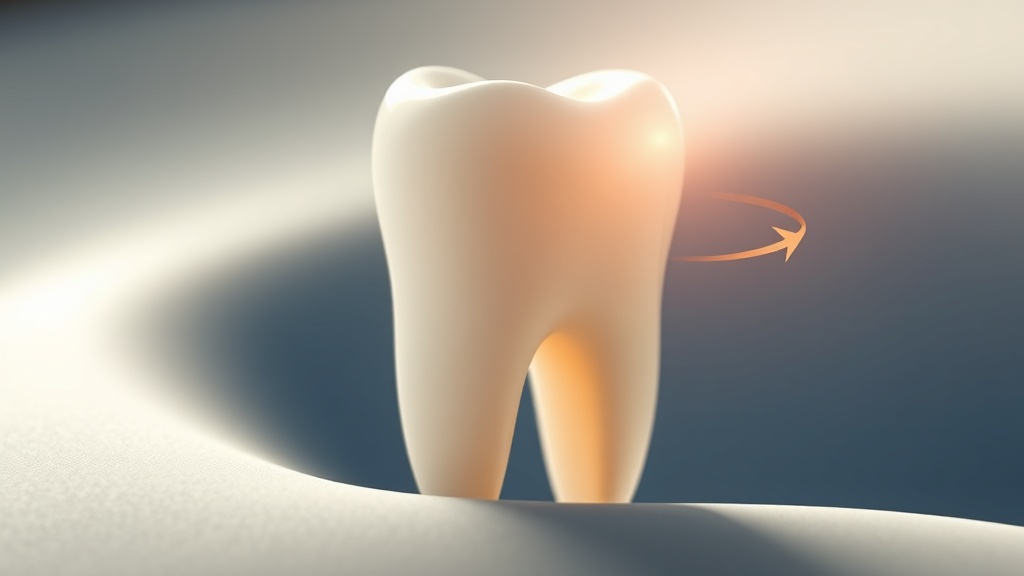
- Tooth decay is not a one-way event but a continuum — a constant swing between demineralization and remineralization. You reverse decay by tipping that balance back toward remineralization.
- Only the early stages are reversible: subsurface softening and white-spot lesions can re-harden and arrest, but once the enamel surface cavitates into a hole, that stage cannot be reversed at home.
- The three levers that swing the balance are cutting acid attacks, delivering mineral (fluoride or hydroxyapatite), and protecting saliva — your body’s own remineralization system.
- Enamel dissolves below about pH 5.5, and free sugars are the single most important dietary driver, so how often you eat matters more than almost anything else.
- Reversing early decay is realistic and evidence-based; ‘reversing cavities with diet alone’ is not — that claim has no human remineralization data.
You reverse tooth decay by shifting the demineralization–remineralization balance in your teeth’s favor — cutting how often you feed the acid, delivering mineral with fluoride or hydroxyapatite, and keeping saliva healthy. This works on the early stages: subsurface softening and white spots can re-harden and arrest. Once decay cavitates into a hole, that stage can’t be reversed at home and needs a dentist.
Decay is a continuum, not a switch
The most useful thing to understand about tooth decay is that it is dynamic. Caries is formally defined as a biofilm-mediated, sugar-driven process that causes cycles of demineralization and remineralization in the tooth. Every acid attack pulls a little mineral out of the enamel; every recovery period, saliva and any fluoride or hydroxyapatite present push mineral back in. Whether a tooth decays or heals depends on which direction wins over time. That framing is what makes ‘reversing decay’ real — but only within limits. In the early stages the surface is intact, so mineral can flow back in and the lesion can re-harden or arrest. As demineralization outpaces recovery, the surface eventually collapses into a cavity, and the continuum reaches a point of no return: enamel is acellular and cannot regenerate, and the cavitated surface traps bacteria where cleaning cannot reach. So reversing decay is not a single trick applied to a hole. It is a sustained shift of the balance, and it works while the surface is still whole — which is exactly why catching decay early is everything.
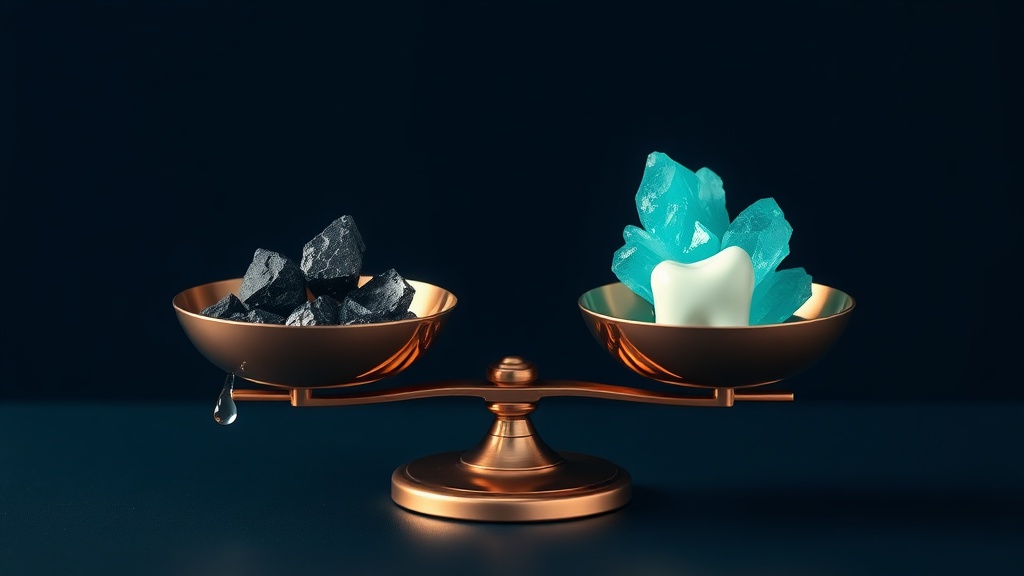
Decay is a balance: tip it toward remineralization and early lesions re-harden; let demineralization win and the surface eventually cavitates.
What the research actually shows
Every claim below maps to a named, peer-reviewed source in the Sources section. According to PubMed.
| Claim | Evidence | Source |
|---|---|---|
| Caries is a dynamic process of demineralization and remineralization — the early phase can swing back toward health. | Nature Reviews Disease Primers consensus definition. | Pitts et al., 2017 |
| Protective factors — saliva, fluoride — can prevent, arrest or reverse the early lesion and the demineralization process. | Foundational review of the caries balance. | Featherstone, 1999 |
| Enamel dissolves below roughly pH 5.5, so limiting acid attacks is central to shifting the balance. | Review of erosion and critical pH. | Lussi et al., 2011 |
| Free sugars are the single most important dietary risk factor for caries; the WHO threshold is under 10% of energy. | WHO systematic review. | Moynihan & Kelly, 2014 |
| Once decay cavitates, the surface cannot repair itself — enamel is acellular and cannot regrow structure. | Enamel biomaterials review. | Liu et al., 2022 |
Where on the continuum can you reverse it?
| Stage of decay | Surface | Reversible at home? |
|---|---|---|
| Subsurface demineralization | Intact | Yes — swing the balance back |
| White-spot / incipient lesion | Intact | Yes — remineralize and arrest |
| Cavitated enamel | Broken | No — dentist restores or arrests |
| Decay into dentin | Open, deeper | No — professional care needed |
How to swing the balance toward remineralization
Reversing early decay comes down to winning the daily tug-of-war, and there are three levers that actually move it. The first is reducing acid attacks: because it is the number of times the pH drops — not just the total sugar — that determines net mineral loss, spacing sweets into meals and stopping constant sipping gives saliva long windows to rebuild. The second is delivering mineral. Fluoride at 1,000–1,500 ppm is the established standard and hydroxyapatite is a well-evidenced fluoride-free alternative; both re-harden early lesions, and fluoride-remineralized enamel is actually more acid-resistant than the original. The third is protecting saliva, which supplies the calcium and phosphate and buffers the acid — dry mouth measurably raises decay risk, so hydration, xylitol and treating dryness all count. What does not swing the balance is the popular ‘diet reverses cavities’ claim: eating well genuinely reduces new decay, but there is no human evidence that nutrition alone regrows a cavitated tooth. Pull the three real levers consistently and you give early decay its best chance to reverse; rely on any single miracle food and you are betting against the evidence.
Evidence you can act on.
Occasional emails — new research, new protocols, no noise.
A daily routine to reverse early decay
This tips the demineralization–remineralization balance toward healing for early, non-cavitated decay. It supports the reversal of early lesions and prevents new ones — it does not treat a formed cavity.
- 1
Reduce how often you feed the acid
every dayGroup sugars and refined carbs with meals, stop grazing, and swap constant sweet or acidic sipping for water. Fewer pH drops means saliva spends more time rebuilding mineral than losing it.
- 2
Deliver mineral twice a day
twice dailyBrush with 1,000–1,500 ppm fluoride or a hydroxyapatite toothpaste and spit without rinsing. Leaving a thin film on the teeth extends the remineralizing contact time on early lesions.
- 3
Protect and stimulate saliva
all daySip water, chew xylitol gum after meals, breathe through your nose, and raise any medication-related dryness with a clinician. Healthy saliva is the engine of remineralization.
- 4
Add xylitol at an effective dose
after mealsAround 6 grams a day spread over three or more exposures is the evidence-based target for reducing decay-causing bacteria — the frequency matters as much as the amount.
- 5
Have a dentist confirm it’s reversing
at rechecksReversal is verified by a professional seeing a lesion arrest or re-harden, not by feel. Keep review visits so anything that is actually progressing gets caught early.
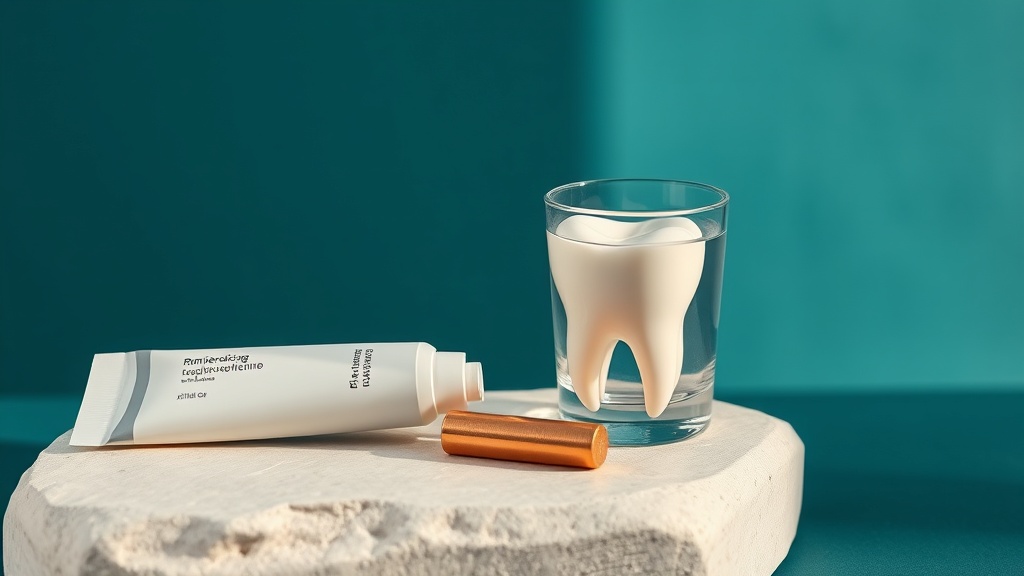
Three consistent levers — fewer acid attacks, delivered mineral, and healthy saliva — are what actually reverse early tooth decay.
Reversing decay only works while the surface is intact, and you cannot reliably judge that yourself — so a dental exam is where any plan should start. See a dentist if you can see or feel a hole, if a tooth reacts to sweet, hot or cold in a way that lingers, or if there is pain or swelling, because those signal decay past the reversible stage. There are documented cases of people trying to remineralize an already-cavitated tooth and allowing the decay to reach the nerve. Let a dentist stage the decay first, then use this routine to reverse what is still early and prevent the rest.
Frequently asked questions
Sources
- 1.
- 2.
- 3.
- 4.
- 5.
- 6.
- 7.

Fix your breath at the source.
The complete science-backed protocol — engineered to eliminate volatile sulfur compounds at the biological source.
Start the Breath Protocol →Related reading
Educational purposes only. The content on this page is not medical advice and is not a substitute for consultation with a qualified dental or medical professional.
More from the library
 Answers8 min
How to Remineralize Teeth: An Honest, Practical Guide
The practical routine that supports enamel remineralization, and the clear line between the early lesions it can rebuild and the decay it cannot.
Read →→ Guides8 min
White Spots on Teeth: Causes and What to Do
The two common reasons enamel turns chalky white, and the honest guide to which spots you can rebuild at home and which need professional care.
Read →→ Comparisons8 min
Hydroxyapatite vs Fluoride: Which Toothpaste Is Right for You?
Two ways to strengthen enamel, one big difference in how much evidence stands behind each.
Read →→ Guides8 min
Early Cavity: What to Do in the Reversible Window
The actionable playbook for an early cavity — the one stage of decay that is genuinely reversible — with the exact remineralization steps and when it needs treating instead.
Read →→ Answers8 min
How to Get Rid of White Spots on Teeth: Your Options, Ranked
An honest, evidence-based ladder of options, from what you can do at home to what only a dentist can fix.
Read →→ Ingredients8 min
Hydroxyapatite Toothpaste Benefits: What the Evidence Actually Supports
A calm, science-first look at what hydroxyapatite toothpaste can genuinely do for your enamel, and where the evidence stops.
Read →→