How to Keep Your Teeth White
The honest maintenance playbook: why white teeth drift back to yellow, and the small daily habits that actually slow it down.
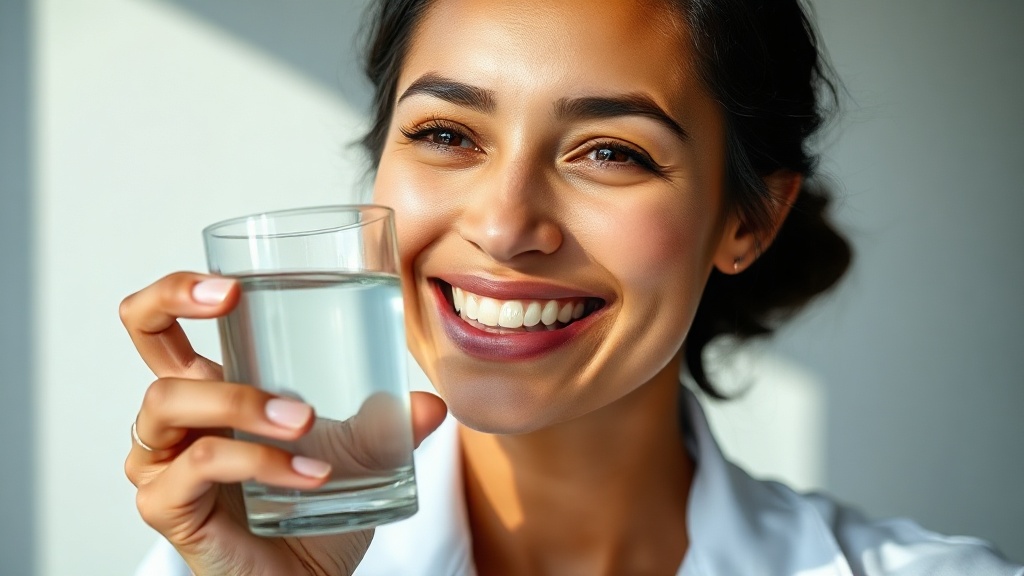
- Teeth do not stay white on their own — the surface layer of enamel, the pellicle, constantly picks up colour from what you eat and drink, so keeping teeth white is about maintenance, not a one-time fix.
- Staining is cumulative and time-dependent: enamel gains roughly 0.34 units of visible colour for every day it sits in a staining drink, so cutting contact time matters as much as cutting the drink.
- Red wine is the heaviest everyday stainer, well ahead of black tea, coffee and cola; water and white wine barely stain at all.
- A whitening result is durable but not permanent — teeth stay lighter than baseline for at least two years, while most people see a mild rebound they can top up.
- The safest maintenance tools are boring and proven: rinse after staining drinks, use a low-abrasion baking-soda toothpaste, and let a powered brush do the polishing.
To keep teeth white, focus on slowing re-staining rather than chasing a brighter shade. Rinse or sip water right after coffee, tea or wine, brush twice daily with a gentle low-abrasion whitening toothpaste, and use a powered brush to lift fresh surface stain. Whitening always fades a little, so plan an occasional touch-up instead of expecting it to last forever.
Why white teeth drift back to yellow
Enamel looks smooth but it is covered by a thin, sticky protein film called the acquired pellicle that reforms within seconds of brushing. That film is what actually holds colour. Pigments from coffee, tea, red wine and dark foods bind to the pellicle and, over days and weeks, work their way into the microscopic pores of the enamel surface. This is why even people who whiten diligently watch their shade creep back: the moment you finish a treatment, your teeth start collecting new surface stain again. The good news is that this kind of extrinsic staining is the most manageable of all. Research measuring enamel in staining drinks found the colour change is steadily cumulative — teeth gained about 0.34 units of visible colour for each day of contact — which means the enemy is really time-in-contact, not the drink itself. Shorten that contact, lift stain while it is still fresh and sitting on the surface, and you keep teeth looking white far longer than any single product can promise.
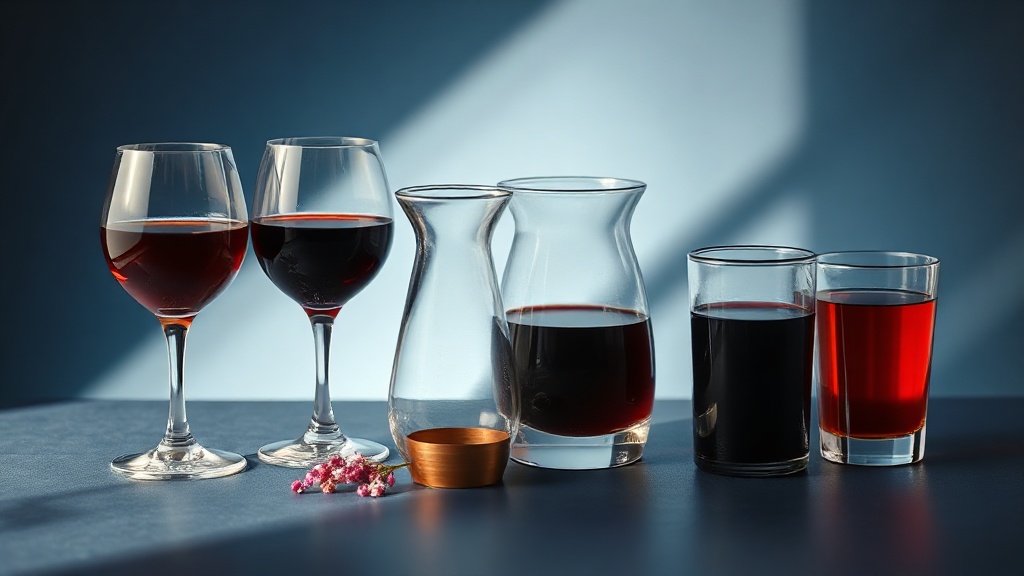
Not all drinks are equal: red wine stains far more than tea or coffee, while water barely stains at all.
What the research actually shows
Every claim below maps to a named, peer-reviewed source in the Sources section. According to PubMed.
| Claim | Evidence | Source |
|---|---|---|
| Surface staining is cumulative and time-dependent — enamel picks up about 0.34 units of visible colour for every day it sits in a staining drink, so contact time matters as much as the drink. | In-vitro colorimetry of enamel immersed in wine, coffee, tea and cola. | Farawati et al., 2019 |
| Red wine is the heaviest stainer of the common drinks, well ahead of black tea, coffee and cola; water and white wine barely stain. | Controlled beverage-staining comparison on enamel. | Sarembe et al., 2022 |
| A whitening result is durable but not permanent: teeth stay lighter than baseline for at least two years, though most people report a mild shade rebound. | Double-blind randomised trial with 2-year follow-up (n=92). | Meireles et al., 2010 |
| A low-abrasion baking-soda toothpaste cut visible surface stain by about 61% and lightened teeth roughly 2.5 shade units over six weeks. | Six-week controlled clinical trial (n=146). | Ghassemi et al., 2012 |
| A powered toothbrush removed about 90% of extrinsic stain between visits — close to what a professional cleaning achieves. | Randomised two-week comparison against a dental prophylaxis. | Terezhalmy et al., 2008 |
Which maintenance habits are worth it
| Habit | What it does for whiteness | Worth doing? |
|---|---|---|
| Rinse or sip water after coffee, tea or wine | Cuts the contact time pigment has to settle into the pellicle | Yes — simple and free |
| Use a straw for iced coffee and dark drinks | Routes some of the liquid past the front teeth | Yes — harmless, low effort |
| Switch to a low-abrasion baking-soda toothpaste | Lifts fresh surface stain without heavily scrubbing enamel | Yes — evidence-backed |
| Strict white diet for days after whitening | Popular advice, but reviews find no measurable colour benefit | Optional — prudent, not proven |
| Daily chlorhexidine mouthwash for fresh breath | Reliably causes brown extrinsic staining over a few weeks | No — works against whiteness |
Fading is normal — it is not the product failing
It helps to separate two different things people lump together as teeth going yellow again. The first is re-staining: new surface pigment landing on the pellicle, which is fully within your control and is what this whole routine targets. The second is a slow, natural change in the tooth itself as enamel thins and the dentine underneath deepens in colour with age — that part is physiological and no maintenance habit reverses it. When a whitening result fades, it is usually the first kind, and often just a partial regression rather than a return to square one. Long-term follow-ups back this up: two years after treatment teeth were still clearly lighter than they started, and even at four and a half years the rebound averaged only around two shade-guide units. So the realistic goal is not to make one whitening session last forever. It is to keep re-staining slow with daily habits, and treat the occasional light touch-up as routine upkeep — the same way a fresh haircut is maintained, not permanent.
Evidence you can act on.
Occasional emails — new research, new protocols, no noise.
A simple routine to keep teeth white
None of this treats a disease or promises permanence — it simply keeps fresh surface stain from building up and settling in. Consistency beats intensity every time.
- 1
Rinse the moment you finish a staining drink
a few secondsSwishing plain water right after coffee, tea, cola or wine clears pigment before it settles into the pellicle. Because staining is driven by contact time, this one habit does more than most gadgets. A straw for iced or dark drinks helps for the same reason.
- 2
Brush twice daily with a gentle whitening paste
two minutes, twice a dayA baking-soda toothpaste is a smart maintenance choice: it lifts surface stain effectively at low abrasivity, and stain removal and abrasiveness are not the same thing, so you do not need a harsh paste to stay bright. Avoid gritty charcoal pastes, which abrade more than they whiten.
- 3
Let a powered toothbrush do the polishing
twice dailyA rotating-oscillating powered brush removed close to the amount of extrinsic stain a professional cleaning does, between visits. It keeps the front surfaces clear without you scrubbing harder, which protects enamel over the long run.
- 4
Rethink the drinks and habits that darken teeth
ongoingYou do not have to give up coffee or wine, just cut the contact time and frequency. If you smoke, know that quitting measurably lightens tooth shade in its own right — an added reason beyond the obvious ones.
- 5
Plan a light touch-up instead of over-whitening
as neededBecause some fade is inevitable, an occasional short maintenance top-up keeps the shade you like without hammering your teeth with constant high-strength product. If you are unsure how often is sensible, ask your dentist rather than guessing.
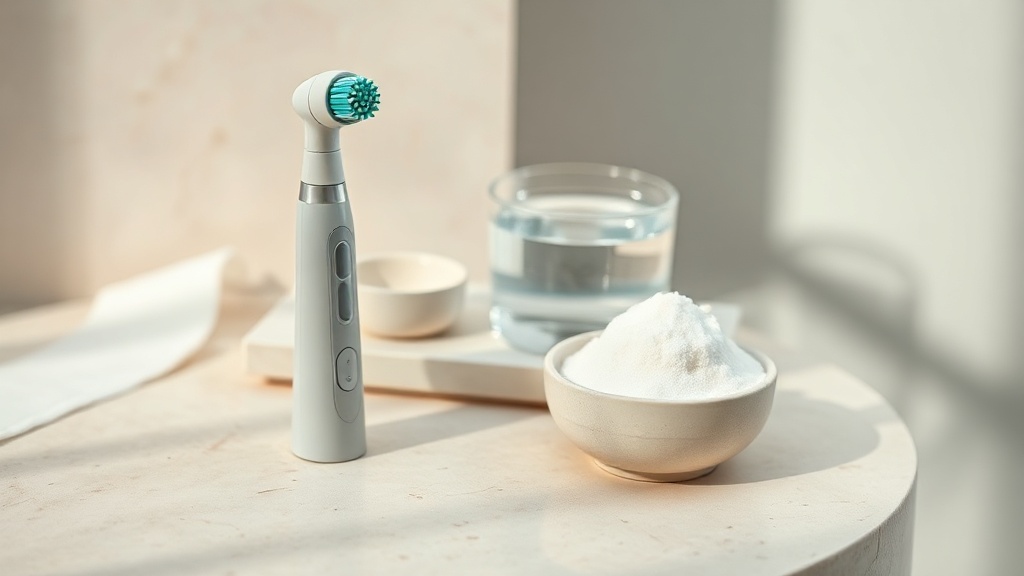
A low-abrasion baking-soda paste plus a powered brush is the safe, evidence-backed core of any keep-it-white routine.
Cosmetic maintenance is a home job, but see a dentist if your teeth are getting darker despite good habits, if a single tooth is discolouring on its own, or if you notice new sensitivity, roughness or gum changes. A colour change in just one tooth, or a grey cast rather than yellow, can point to something inside the tooth that surface care will not fix and that should be assessed in person.
Frequently asked questions
Sources
- 1.
- 2.
- 3.
- 4.
- 5.
- 6.
- 7.
- 8.
- 9.
- 10.

Fix your breath at the source.
The complete science-backed protocol — engineered to eliminate volatile sulfur compounds at the biological source.
Start the Breath Protocol →Related reading
Educational purposes only. The content on this page is not medical advice and is not a substitute for consultation with a qualified dental or medical professional.
More from the library
 Answers8 min
How Long Does Teeth Whitening Last? (And How to Extend It)
Whitening results last longer than most people think — teeth stay lighter for years — but they fade gradually, and a few simple habits slow it down.
Read →→ Causes9 min
Coffee Stains on Teeth: Why They Happen and How to Fade Them
The real reason coffee leaves a mark on your smile, and the honest, gentle ways to fade and limit surface stains.
Read →→ Guides8 min
How to Remove Coffee Stains From Teeth
A honest, evidence-based guide to lifting coffee stains from teeth without wrecking your enamel: what works, what only polishes the surface, and why to skip charcoal.
Read →→ Answers8 min
Does Baking Soda Whiten Teeth? What the Evidence Says
An honest look at what baking soda can and cannot do for a whiter smile.
Read →→ Answers8 min
Does Teeth Whitening Damage Enamel? The Evidence-Based Answer
The honest, evidence-based answer to whether whitening harms enamel — what peroxide really does to the surface, why sensitivity is not damage, and the DIY methods that actually cause wear.
Read →→ Best Of9 min
Best Fluoride-Free Whitening Toothpaste: An Honest, Evidence-Based Guide (2026)
Which fluoride-free whitening ingredients hold up to the research — and which are marketing. An honest buyer's guide.
Read →→