
Herbal Toothpaste: An Honest Guide to the Botanicals
Which botanicals in herbal toothpaste have real trial support, which rest on tradition alone, and how to choose one honestly for a cleaner mouth and fresher breath.
- Herbal toothpaste is a broad category, not one product: common botanicals include neem, clove, sage, miswak (Salvadora persica), and the Ayurvedic blend triphala, each with a different evidence trail.
- The strongest herbal evidence is for triphala mouthwash, which in a meta-analysis of randomized trials matched chlorhexidine for reducing plaque and gum inflammation - genuinely encouraging for the rinse form.
- Most botanicals reach the mouth as flavour and mild antibacterial extracts; clove (eugenol) and sage have a long soothing tradition, but head-to-head toothpaste trials for fresh breath specifically are thin.
- Herbal does not mean fluoride: many herbal pastes are fluoride-free, so read the label and keep a fluoride source if cavity protection matters to you.
- Chosen well, an herbal paste can clean and freshen as pleasantly as a conventional one - but the botanicals are a supporting act to the real breath basics of brushing, tongue cleaning and flossing.
Herbal toothpastes lean on botanicals like neem, clove, sage, miswak and triphala. A few - triphala rinse especially - have randomized trials showing plaque and gum benefits on par with chlorhexidine; most others rest mainly on tradition and mild antibacterial extracts. They can clean and freshen well, but read for fluoride and treat the herbs as helpers, not cures.
What the botanicals actually do
Herbal toothpastes group together plants that reach the mouth in very different ways. Neem, and the neem-family chewing stick miswak, combine a physical scrubbing action with plant compounds that have mild antibacterial activity - much of miswak s reputation is simply that a fresh stick cleans teeth mechanically. Clove owes its warm, numbing flavour to eugenol, a compound with gentle antimicrobial and analgesic properties and a long folk history as a toothache soother. Sage and other aromatics are astringent and fragrant, so they freshen and mask more than they treat. Triphala, a powdered blend of three fruits used in Ayurveda, is rich in tannins and polyphenols that show antioxidant and antibacterial effects in the lab and, importantly, in clinical rinse trials. The common thread is that these botanicals work, where they work, by lightly lowering the bacterial load or by freshening and soothing the mouth. That is a cosmetic and supportive role. Bad breath still comes from bacteria on the tongue and between the teeth producing volatile sulfur gases, so an herbal paste helps most as part of good mechanical cleaning, not as a stand-alone remedy.
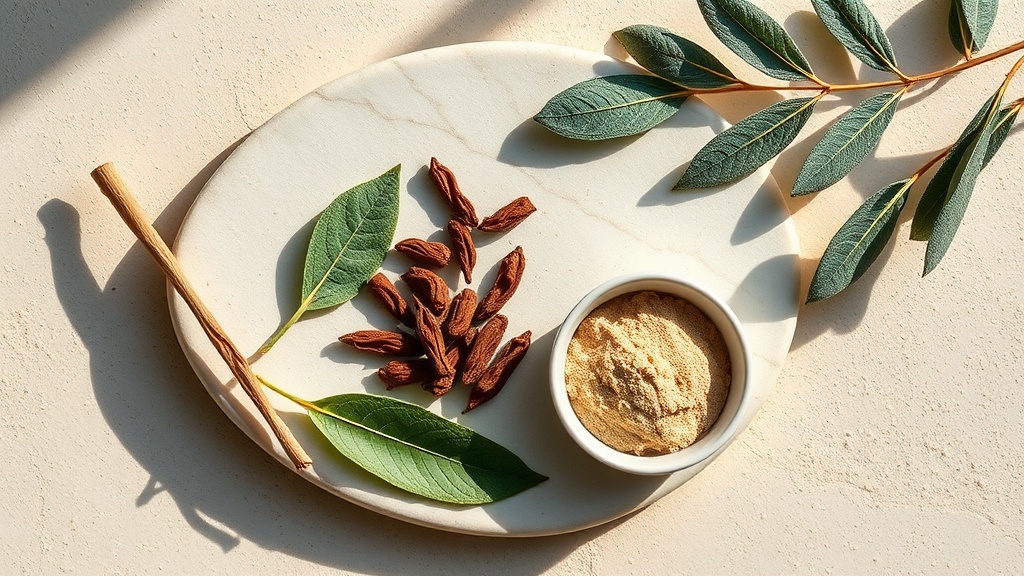
The botanicals of herbal toothpaste each work differently - some scrub, some soothe, a few (like triphala) have real rinse-trial support.
What the research actually shows
Every claim below maps to a named, peer-reviewed source in the Sources section. According to PubMed.
| Claim | Evidence | Source |
|---|---|---|
| A meta-analysis of randomized trials found triphala mouthwash as effective as chlorhexidine at reducing plaque and gingival inflammation, with limited side effects. | Systematic review and meta-analysis of 7 randomized trials. | AlJameel & Almalki, 2020 |
| In a double-blind randomized trial, triphala rinse significantly reduced plaque and gum scores versus control, matching chlorhexidine. | Double-blind parallel randomized trial (n=60). | Baratakke et al., 2017 |
| Chlorhexidine remains the benchmark antiplaque agent, which is why herbal options are usually measured against it rather than proven on their own. | Cochrane review of chlorhexidine mouthrinse. | James et al., 2017 |
| For breath specifically, mouthrinses help by lowering bacteria or neutralising sulfur gases; herbal rinses fit this pattern where they have data. | Cochrane review of mouthrinses for halitosis. | Fedorowicz et al., 2008 |
| The overall evidence for halitosis interventions is limited and short-term, so herbal breath claims should be read as promising rather than proven. | Cochrane review of halitosis interventions. | Kumbargere Nagraj et al., 2019 |
Common herbal ingredients: what to expect
| Botanical | Traditional use | What evidence supports |
|---|---|---|
| Triphala (amla, bibhitaki, haritaki) | Ayurvedic rinse and cleanser | Randomized trials: plaque and gum control on par with chlorhexidine |
| Neem / miswak (Salvadora persica) | Chewing sticks, antibacterial cleaning | Mechanical cleaning plus mild antibacterial activity; supportive evidence |
| Clove (eugenol) | Soothing, aromatic, folk toothache remedy | Mild antimicrobial and pleasant flavour; little breath-specific trial data |
| Sage and other aromatics | Astringent, fragrant fresheners | Freshening and masking; largely traditional, thin clinical proof |
How to read an herbal label honestly
The word herbal on a box tells you about marketing, not about dose or evidence. Three checks cut through most of it. First, fluoride: many herbal pastes leave it out, and fluoride is the most evidence-backed ingredient for preventing cavities, so its absence is the single most important thing to notice. Second, abrasivity: natural does not mean gentle, and some herbal pastes and powders are gritty enough to wear enamel if you scrub hard - the plant content says nothing about how coarse the paste is. Third, the actual active: a botanical listed near the end of the ingredients, below water and thickeners, is likely there for flavour and story rather than in a meaningful amount. Under a dual-evidence view, tradition and lived experience are real signals, and triphala and miswak have earned genuine trial support. But honesty means separating the ingredients that have been tested from those that are simply pleasant, and never letting a natural label quietly talk you out of fluoride or into a paste that is rougher on your teeth than it looks.
Evidence you can act on.
Occasional emails — new research, new protocols, no noise.
Choosing and using an herbal paste well
Herbal pastes range from genuinely useful to purely decorative, so a little label-reading goes a long way. These steps help you choose and use one honestly, while the real breath work stays with the basics.
- 1
Check the fluoride status first
at purchaseBefore anything else, see whether the paste contains fluoride. If it does not, decide deliberately whether to keep a separate fluoride source. This one check matters more than any botanical on the label.
- 2
Favour ingredients with real evidence
at purchaseIf you want function rather than fragrance, look for triphala or neem, which have the most supportive trial data. Treat clove and sage as pleasant, soothing extras rather than proven breath fixers.
- 3
Use a soft brush and light pressure
twice dailyHerbal does not mean gentle. Some pastes and powders are gritty, so use a soft-bristled brush and easy strokes to avoid wearing enamel and gums.
- 4
Keep tongue cleaning in the routine
dailyNo paste reaches the back of the tongue, the main source of odour gases. Clean your tongue daily and floss so the botanicals support a routine that already works.
- 5
Patch-test for sensitivities
first usesConcentrated botanicals like clove and essential oils can irritate or trigger allergies in some people. If you notice burning, tingling or soreness, stop and switch products.
A well-chosen herbal paste cleans and freshens pleasantly - just check for fluoride and treat the botanicals as helpers.
Herbal or not, a toothpaste is a cosmetic product. If bad breath persists, or you have bleeding gums, pain or a bad taste that will not clear, see a dentist rather than switching to a stronger botanical. Ask too about fluoride if you prefer herbal, fluoride-free products, so a natural choice never quietly costs you cavity protection.
Frequently asked questions
Sources
- 1.
- 2.
- 3.
- 4.
- 5.
- 6.

Fix your breath at the source.
The complete science-backed protocol — engineered to eliminate volatile sulfur compounds at the biological source.
Start the Breath Protocol →Related reading
Educational purposes only. The content on this page is not medical advice and is not a substitute for consultation with a qualified dental or medical professional.
More from the library
 Best Of9 min
Best Toothpaste for Bad Breath: What Ingredients Actually Matter
The active ingredient, not the brand on the tube, decides whether a toothpaste actually helps freshen your breath.
Read →→ Guides8 min
Tooth Powder: What It Is and How It Compares to Toothpaste
A plain-English look at what tooth powder is, why the abrasivity number matters more than the marketing, and how the format really stacks up against ordinary paste.
Read →→ Ingredients8 min
Chlorine Dioxide for Bad Breath: How the Oxygenating Rinse Works
Chlorine dioxide is an oxygenating rinse that neutralises the sulfur gases behind bad breath — here is how it works and what the evidence says.
Read →→ Best Of8 min
The Best Mouthwash for Bad Breath, by Active Ingredient
There is no single winner, only the right rinse for the right job. Here is how the active ingredients compare on the evidence, and which suits everyday fresh breath.
Read →→ Guides8 min
How to Get Rid of Bad Breath Permanently: An Evidence-Based Plan
The honest version: "permanently" means ongoing control, not a one-time fix. Here is the daily routine the research actually supports, and when to get help.
Read →→ Guides7 min
Bad Breath Even After Brushing? The Biological Reason (and Fix)
You brushed, flossed and rinsed — and the smell is still there. The reason usually isn't hygiene; it's where the odour-causing bacteria actually live.
Read →→