
Eroded Enamel: What to Do (A Calm Action Plan)
What to do first when enamel is eroding — and the honest line between what you can fix and what a dentist must.
- Eroded enamel means acid has dissolved mineral from the tooth surface. Your first job is to stop the acid, not to scrub harder — brushing a freshly acid-softened surface makes it worse.
- You can re-harden the surface that remains with fluoride or nano-hydroxyapatite and by protecting your saliva, but you cannot regrow enamel that is already lost.
- Erosion is often silent until it is advanced: thinning, yellowing (dentin showing through), sensitivity, or cupped, glassy-looking tooth surfaces are the signs to act on.
- The cause matters as much as the care — diet acids, reflux, dry mouth and over-vigorous brushing each need a different fix, so finding the source is step one.
- Significant erosion — visible thinning, cupping, sensitivity or exposed dentin — is a dentist's job to assess and, where needed, restore. Home care alone cannot rebuild worn enamel.
If your enamel is eroding: stop or reduce the acid source (diet, reflux, dry mouth), do not brush straight after acids, and re-harden the surface with a fluoride or nano-hydroxyapatite toothpaste, spitting but not rinsing. Protect your saliva. Then see a dentist to find the cause and assess any real loss — worn enamel cannot regrow and may need restoring.
What erosion is doing to your teeth
Enamel erosion is chemical wear. Unlike a cavity, which is driven by acid-producing bacteria in plaque feeding on sugar, erosion comes from acid landing directly on the tooth — from fizzy and citrus drinks, from frequent snacking, or from stomach acid rising up in reflux. Whenever the pH at the surface drops below about 5.5, mineral dissolves out of the enamel crystals. Do that occasionally and saliva re-hardens the surface between times. Do it often, or bathe the teeth in acid for long stretches, and the surface never fully recovers: it softens, thins, and over time the harder, glassy look of enamel gives way to a duller, more yellow appearance as the dentin beneath starts to show through. Here is the part that changes what you should do: right after an acid hit, the outer enamel is temporarily softened and vulnerable. Scrubbing it with a brush at that moment physically removes the softened layer, so brushing immediately after acids actively speeds erosion. The surface needs time — and minerals — to firm back up first. That single fact reshapes the whole action plan.
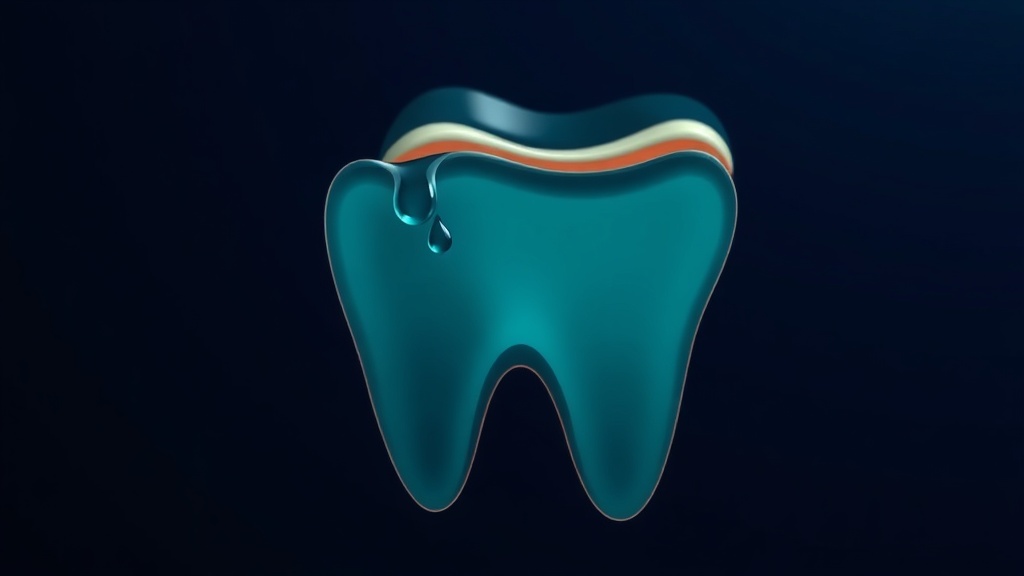
Repeated direct acid thins the enamel surface, and as it thins the yellower dentin beneath begins to show through.
What the research actually shows
Every claim below maps to a named, peer-reviewed source in the Sources section. According to PubMed.
| Claim | Evidence | Source |
|---|---|---|
| Enamel begins to dissolve when surface pH falls below a critical point around 5.5, which is not a fixed constant but depends on local calcium and phosphate. | Review of erosion and critical pH. | Lussi et al., 2011 |
| Saliva defends enamel by buffering acid, clearing it, and staying supersaturated with minerals; dry mouth removes that defense and raises erosion and decay risk. | Clinical review of dry mouth (~23% prevalence). | Stoopler et al., 2024 |
| Fluoride at 1,000–1,500 ppm re-hardens softened enamel and builds a more acid-resistant surface, with a dose-response by concentration. | Systematic review of fluoride toothpaste. | Walsh et al., Cochrane 2019 |
| Nano-hydroxyapatite re-mineralizes the softened surface and matched fluoride under mild conditions, though it resists an ongoing acid attack less well. | Systematic review and meta-analysis. | Wierichs et al., 2022 |
| Once the enamel surface is physically lost, it cannot repair itself back to sound tooth — worn enamel does not return. | Materials-science review of enamel repair. | Liu et al., 2022 |
Do this, not that
| Situation | Do | Not |
|---|---|---|
| Just after an acidic drink or vomiting | Rinse with water; wait 30–60 min | Brush immediately |
| Sipping acidic drinks | Have them with meals, use a straw, then water | Sip slowly all day |
| Choosing a toothpaste | Fluoride or n-HA; low-abrasion | Whitening/abrasive scrubs on worn enamel |
| Brushing technique | Soft brush, gentle pressure | Hard bristles, heavy scrubbing |
| Visible thinning or sensitivity | See a dentist to assess and restore | Wait for it to "heal" on its own |
Find the source — that is the real fix
Re-hardening the surface buys you protection, but erosion keeps winning until you turn off the tap. The common sources each call for a different fix, which is why a bit of detective work matters. Dietary acid is the most frequent driver: fizzy drinks, sports and energy drinks, citrus, wine and vinegary foods, especially when sipped or grazed across the day. Reflux — including the quiet, night-time kind you might not feel — bathes the teeth in stomach acid and often shows as wear on the inner and biting surfaces; if erosion appears there without an obvious dietary cause, it is worth raising with a doctor. Dry mouth, whether from medications, mouth-breathing or dehydration, removes saliva's buffering and clearance, so acids linger far longer. And a surprising amount of "erosion" is really erosion plus abrasion: brushing hard, or brushing right after acids, mechanically strips the softened surface. Because the fixes are so different — swap the drinks, treat the reflux, restore saliva, brush more gently — naming your own main source is the step that actually changes the trajectory. A dentist can often read the pattern of wear and help you pinpoint it.
Evidence you can act on.
Occasional emails — new research, new protocols, no noise.
Your calm action plan
Work through these in order. The aim is to stop the loss and re-harden what remains — not to reverse damage that has already happened.
- 1
Stop the acid clock
todayCut back the most frequent acid source, and never sip acidic drinks slowly across hours. Have them with meals, through a straw, and follow with plain water to rinse the acid away.
- 2
Do not brush straight after acids
every timeAfter acidic food, drink, or any reflux or vomiting, rinse with water and wait 30–60 minutes before brushing. This lets the softened surface firm up so you are not scrubbing mineral off.
- 3
Re-mineralize twice a day
twice dailyUse a fluoride (1,000–1,500 ppm) or properly dosed n-HA toothpaste with a soft brush and gentle pressure. Spit but do not rinse, so the mineral stays on the teeth.
- 4
Protect your saliva
all daySip water, chew sugar-free gum after meals to boost flow, and treat a persistently dry mouth with a professional. Saliva is your main natural defense against erosion.
- 5
Track the cause, including reflux
ongoingNotice which acids and habits line up with your symptoms. If wear is on the inner or biting surfaces without a clear dietary cause, ask a doctor about reflux.
- 6
Get it assessed and restored if needed
one visitA dentist can measure how far erosion has gone and, where enamel is truly lost, restore worn or sensitive teeth. Early assessment keeps any restoration smaller.
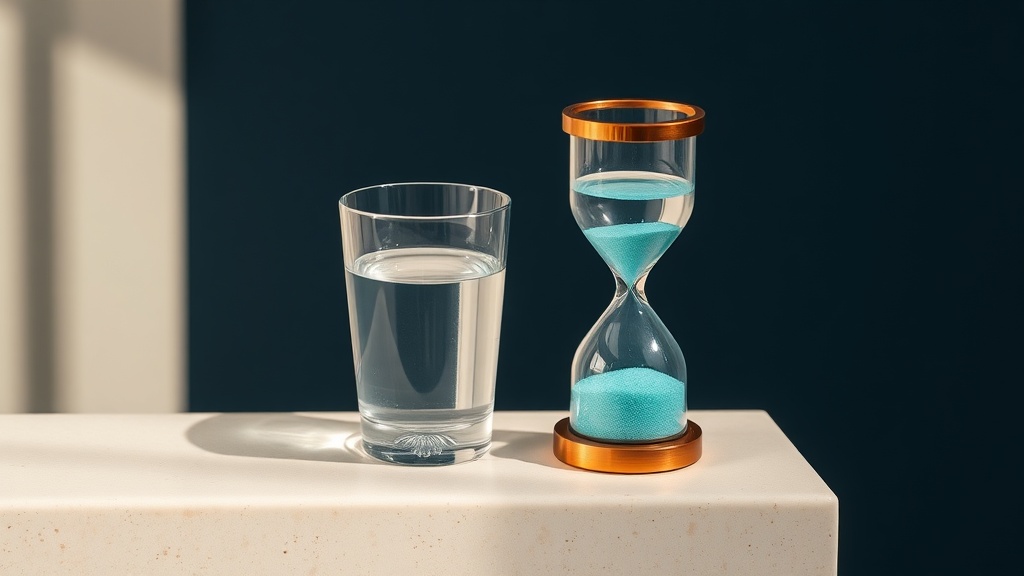
After acids, rinse with water and wait before brushing — one of the simplest ways to stop erosion getting worse.
Erosion is often silent until it is advanced, so do not wait for pain. See a dentist if teeth look thinner, more yellow or glassy, if edges are chipping or becoming translucent, if biting surfaces look cupped or hollowed, or if you have new sensitivity to cold, sweet or acidic things. And see a doctor about possible reflux if wear shows on the inner surfaces. Worn enamel cannot regrow — a professional assessment is how you stop the loss and restore what is already gone.
Frequently asked questions
Sources
- 1.
- 2.
- 3.
- 4.
- 5.
- 6.

Fix your breath at the source.
The complete science-backed protocol — engineered to eliminate volatile sulfur compounds at the biological source.
Start the Breath Protocol →Related reading
Educational purposes only. The content on this page is not medical advice and is not a substitute for consultation with a qualified dental or medical professional.
More from the library
 Guides8 min
Enamel Erosion Causes: What Actually Wears Teeth Down
The real drivers of acid wear — diet, reflux, dry mouth and technique — and how to tell which one is yours.
Read →→ Guides8 min
How to Restore Tooth Enamel: A Practical, Honest Guide
A realistic daily routine to re-harden early enamel and stop the slide — plus the point where a dentist takes over.
Read →→ Answers8 min
Can You Rebuild Tooth Enamel? What Is Actually Possible
The honest split: what you can genuinely strengthen at home, and what only a dentist can restore.
Read →→ Best Of8 min
Enamel Repair Toothpaste: How to Choose One That Actually Works
What repair toothpaste can honestly do, the three actives that matter, and how to match one to your teeth.
Read →→ Answers8 min
How to Get Rid of White Spots on Teeth: Your Options, Ranked
An honest, evidence-based ladder of options, from what you can do at home to what only a dentist can fix.
Read →→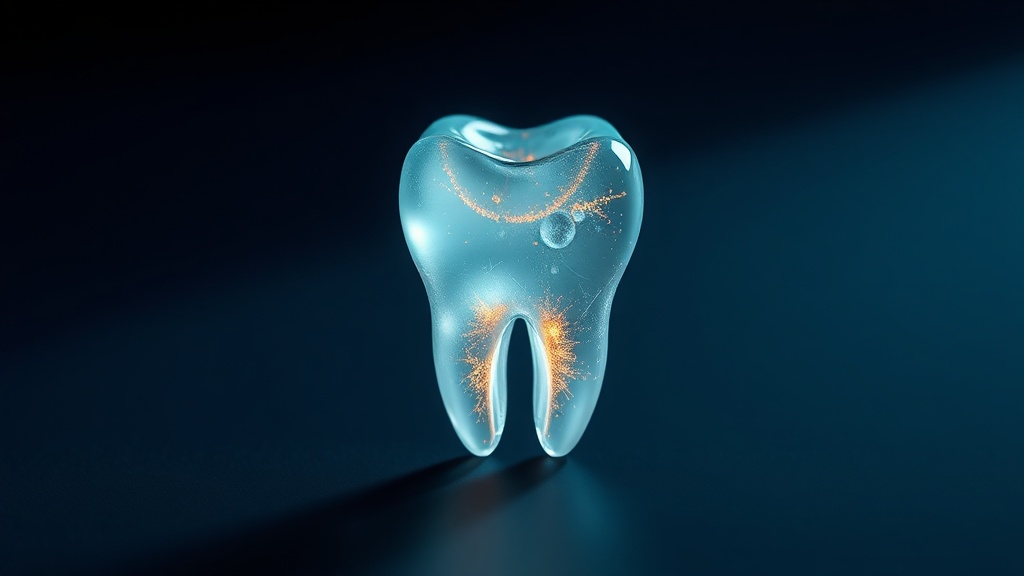 Ingredients8 min
Hydroxyapatite Toothpaste Benefits: What the Evidence Actually Supports
A calm, science-first look at what hydroxyapatite toothpaste can genuinely do for your enamel, and where the evidence stops.
Read →→