
Does Coconut Oil Whiten Teeth?
An honest look at the coconut oil whitening claim, what the research on oil pulling really measured, and the gentle methods that actually work.
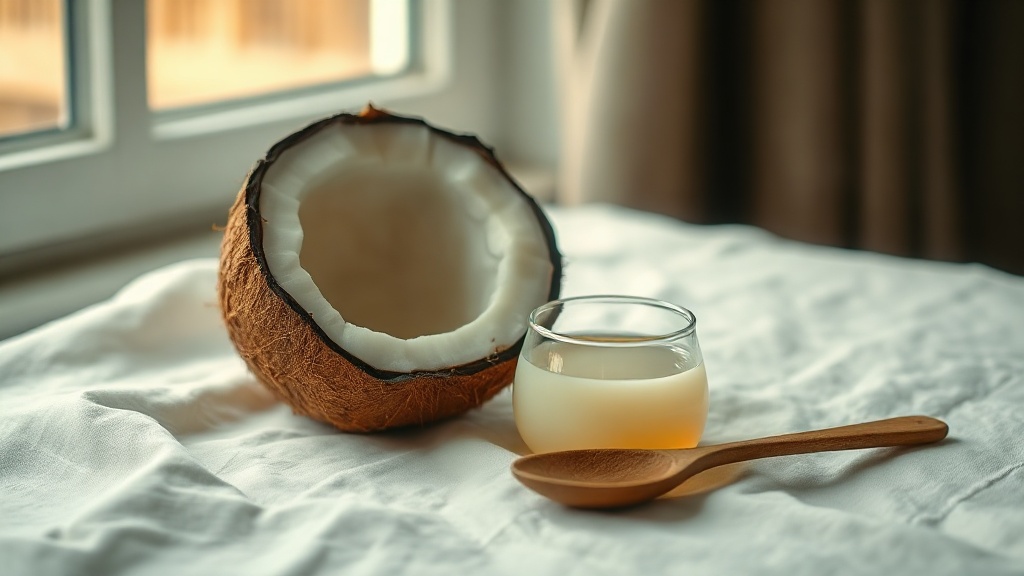
- No controlled study has ever shown that coconut oil whitens teeth. Not one trial has measured a change in tooth shade or colour from oil pulling.
- Coconut oil pulling has been studied for plaque and gum health, where the evidence is weak and low-certainty, and ordinary mouthwash still outperforms it for plaque.
- Any brighter look people notice is at most a cleaner surface with less plaque and film, not a lightening of the tooth itself. Removing surface stain is not the same as bleaching.
- Its real appeal is that it is gentle and low-risk. Unlike acidic DIY tricks or abrasive charcoal, swishing coconut oil will not erode or scratch enamel.
- If you want a genuine colour change, only peroxide lightens the tooth structure; for surface stains, gentle options such as a baking-soda toothpaste are safe and far better evidenced.
No. There is no evidence that coconut oil whitens teeth. Studies of coconut oil pulling have looked at plaque and gum health, not tooth colour, and none has measured a shade change. At best it leaves the surface a little cleaner, which can look brighter, but it does not lighten the tooth the way peroxide does.
What coconut oil actually does in your mouth
Oil pulling is an old practice: you swish a spoonful of oil around the mouth for several minutes, and the idea is that it lifts bacteria and the soft film that coats teeth. There is a little research behind the hygiene side of that story. Reviews of oil-pulling trials suggest it may modestly lower plaque and improve gum measures, though the studies are small, short and rated low-certainty, and standard mouthwash still cleared more plaque in head-to-head comparisons. Notice what those trials measured, though: plaque scores, gum health, bacterial counts. None of them measured tooth colour. That gap matters, because whitening in the true sense is a specific chemical event. A tooth reads yellow mostly because of coloured molecules in the dentine beneath the enamel, and lightening it means getting an oxidising agent, peroxide, inside the tooth to break those molecules down. Coconut oil has no oxidising action at all. It has no chemical route to reach or lift the pigment that makes a tooth look yellow, which is why removing surface film and actually bleaching the tooth are two completely different things.
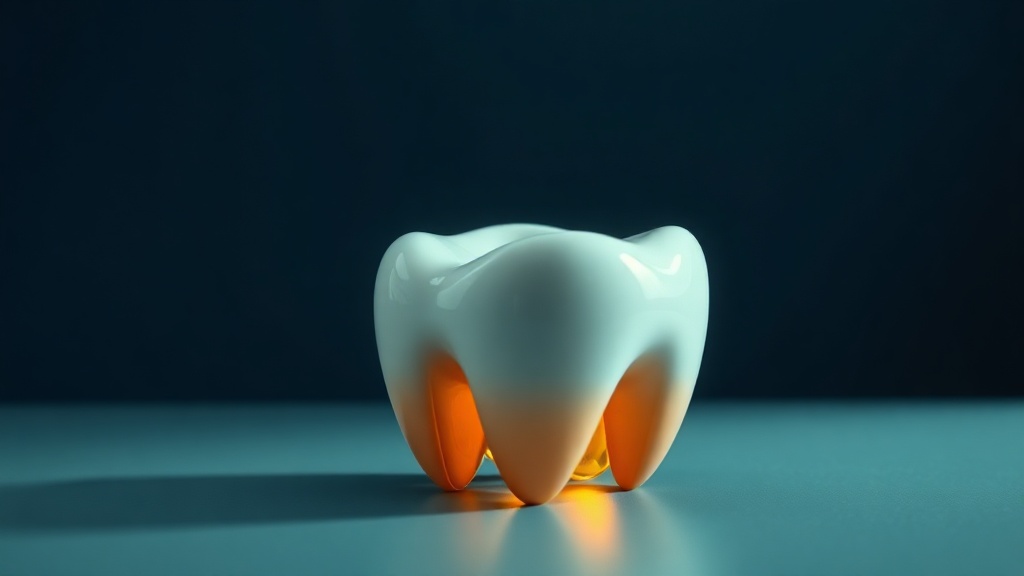
Oil can lift surface film and leave a sheen, but it slides off leaving the tooth colour underneath unchanged. There is no bleaching action.
What the research actually shows
Every claim below maps to a named, peer-reviewed source in the Sources section. According to PubMed.
| Claim | Evidence | Source |
|---|---|---|
| A review of coconut-oil-pulling trials found possible reductions in plaque and salivary bacteria, but the evidence was limited and at high risk of bias, and colour was never measured. | Systematic review of four randomised trials, 182 participants. | Woolley et al., 2020 |
| Oil pulling probably helps some gum measures, but chlorhexidine mouthwash still removed more plaque and the overall certainty was very low. | Meta-analysis of 25 trials, 1,184 participants. | Jong et al., 2023 |
| Across randomised trials, oil pulling showed no significant advantage over control mouthrinses for plaque scores. | Systematic review of five randomised clinical trials. | Gbinigie et al., 2016 |
| Non-peroxide agents at most remove surface stain; only peroxide oxidation actually lightens the tooth itself. | In-vitro comparison of over-the-counter agents against hydrogen peroxide. | Muller-Heupt et al., 2023 |
| Tooth whitening happens when peroxide diffuses into the tooth and oxidises coloured molecules; agents without that action do not bleach. | Reference review of the bleaching mechanism and how colour is measured. | Joiner, 2006 |
What people try, and what actually happens
| Method | What it does | Does it whiten the tooth? |
|---|---|---|
| Coconut oil pulling | Swishing oil that may lift some plaque and surface film | No, it does not lighten the tooth |
| Charcoal powder or paste | Abrasive scrubbing of the surface | No, and it can wear enamel over time |
| Baking-soda toothpaste | Gentle removal of surface stains | Removes stain; it does not bleach |
| Peroxide gel, strips or trays | Oxidises coloured molecules inside the tooth | Yes, it genuinely lightens the tooth |
Why coconut oil feels like it is working
If people swear their teeth look whiter after oil pulling, they are not inventing the whole thing, but it helps to be precise about what changed. Swishing oil can lift some of the soft film and plaque that dulls the surface, and it leaves a brief glossy sheen, so freshly oil-pulled teeth can genuinely look cleaner and shinier for a while. That is a surface effect, the same category as a thorough brush or a professional polish, and it fades as film rebuilds through the day. It is not the tooth becoming lighter. Whitening, in the real sense, means changing the colour of the tooth structure, and that only happens when an oxidising agent gets inside the enamel. There is one more honest factor: whitening is unusually suggestible. In blind studies people frequently rate their teeth as whiter after a routine they believe in, even when instruments record no change. Put a cleaner, glossier surface together with that expectation and you have a full explanation for the enthusiastic testimonials, one that does not require the oil to bleach anything, because it cannot.
Evidence you can act on.
Occasional emails — new research, new protocols, no noise.
How to whiten realistically, keeping the natural feel
You can honour the wish for something gentle and natural and still get a result, as long as you match each method to what it can actually do. None of this treats a disease; it is cosmetic care of the tooth surface and colour.
- 1
Keep coconut oil for what it is good at
optional dailyIf you enjoy oil pulling, it is a low-risk habit and may lightly support surface cleanliness. Just hold it in the right role, as a gentle rinse and never as a whitener or a replacement for brushing and fluoride.
- 2
Remove surface stain gently
ongoingMost of the yellow people want gone is surface stain from coffee, tea and red wine. A low-abrasivity baking-soda toothpaste and a powered brush lift that stain safely over weeks, and cutting the contact time of staining drinks slows new stain from settling.
- 3
If you want a real shade change, use peroxide
as a courseOnly peroxide actually lightens the tooth. A hydrogen or carbamide peroxide strip or tray is the evidence-backed route to a visible move on the shade guide; start gently and follow the timing rather than reaching for the strongest gel.
- 4
Skip the enamel-wreckers
alwaysThe natural tricks that do real harm are the abrasive and acidic ones. Charcoal scrubbing roughens enamel, and rubbing on lemon or other acids softens it. Coconut oil is safe precisely because it is neither, so there is no reason to trade it for those.
- 5
Protect your saliva and surface
dailySaliva is the mouth natural defence and rinse, so stay hydrated, and avoid brushing straight after anything acidic. Keeping the surface clean and the enamel intact is what lets any whiter look last.
Coconut oil pulling is a gentle, low-risk habit, but keep it in its lane: a rinse, not a whitener.
See a dentist if your teeth have discoloured suddenly or unevenly, if a single tooth has darkened, or if staining will not shift with ordinary care, since colour that comes from inside the tooth, from age, an old injury, past medication or developmental changes, will not respond to any rinse or toothpaste. It is also worth a visit before starting peroxide whitening if you have sensitivity, sore gums, or fillings, crowns or veneers that will not change colour. A quick check tells you what is causing the colour and which gentle options are realistic for your mouth.
Frequently asked questions
Sources
- 1.
- 2.
- 3.
- 4.
- 5.
- 6.
- 7.
- 8.
- 9.

Fix your breath at the source.
The complete science-backed protocol — engineered to eliminate volatile sulfur compounds at the biological source.
Start the Breath Protocol →Related reading
Educational purposes only. The content on this page is not medical advice and is not a substitute for consultation with a qualified dental or medical professional.
More from the library
 Answers8 min
Does Oil Pulling Whiten Teeth? What the Evidence Actually Shows
The honest answer is no. No study has measured a real colour change from oil pulling. Here is why the myth persists and what genuinely brightens a smile.
Read →→ Answers8 min
Does Baking Soda Whiten Teeth? What the Evidence Says
An honest look at what baking soda can and cannot do for a whiter smile.
Read →→ Guides8 min
Natural Teeth Whitening: The Complete Enamel-Safe Guide
The honest truth about natural whitening — which home methods lift surface stains safely, and which ones quietly damage your enamel.
Read →→ Answers8 min
Does Teeth Whitening Damage Enamel? The Evidence-Based Answer
The honest, evidence-based answer to whether whitening harms enamel — what peroxide really does to the surface, why sensitivity is not damage, and the DIY methods that actually cause wear.
Read →→ Best Of9 min
Best Fluoride-Free Whitening Toothpaste: An Honest, Evidence-Based Guide (2026)
Which fluoride-free whitening ingredients hold up to the research — and which are marketing. An honest buyer's guide.
Read →→ Guides9 min
In-Office Teeth Whitening Cost: What Dentists Charge (2026)
An honest, evidence-based look at chairside whitening prices — and whether the convenience premium is really worth it.
Read →→